
As a true Potterhead I had to visit London. And in 2013, I finally set foot in this magnificent metropolis for the very first time. Despite quite a few issues along the way (thank you, Belgian Railways), we eventually arrived by Eurostar. I am going back for the sixth time in February 2026 and still, London manages to captivate me, and I can’t wait to wander its streets again. If I ever had the ambition to live abroad (someday when I am older and more mature… yeah, right), then I would pack my bags for good and move to London.
As much as I love New York, London has always held the number one spot in my heart. This is, and will always remain, my favourite city in the world and that’s why I am eager to share a complete guide with all the sights London has to offer. So… grab a cup of coffee (or tea, if you want to soak in the British vibes), pick a comfortable chair and read my answer to the question: What to do in London?
Everything that’s in this article
- 1 What is there to do in Jolly Old London?
- 2 Big Ben is not Big Ben
- 3 Palace of Westminster: the political power of Britain
- 4 Personal torment
- 5 Westminster Abbey: from funeral masses to weddings
- 6 The changing of the royal guards
- 7 The Royals are omnipresent
- 8 From hunting ground to outdoor concert hall
- 9 Only Royal bloods may pass
- 10 The residence of the ravens
- 11 Not as old as it looks
- 12 Swiftie’s Valhalla
- 13 Quite an expensive dome
- 14 See the Death Eaters flying over
- 15 Meet William Shakespeare
- 16 The world of modern art
- 17 See Sherlock Holmes’s sanctuary
- 18 Meet your favourite celebrities
- 19 Shopping & Sightseeing at the same time
- 20 Bookworms beware: the oldest bookstore of the UK
- 21 First Harry Potter-locations you’ll encounter
- 22 For all booklovers: The British Library is a must see in London
- 23 Free Western European Art
- 24 Nelson and a few lions
- 25 Times Square of London
- 26 The Broadway of London
- 27 Concert Hall and more at Hyde Park
- 28 A garden with a view
- 29 Visit the world’s oldest national museum…completely free
- 30 Meet both Lara Croft and Amy Winehouse
- 31 Markets and street artists
- 32 One of London’s own skyscrapers
- 33 Little Venice of London
- 34 The seat of Catholicism in th UK
- 35 Diagon Alley in real life
- 36 See the London sky line from a park!
- 37 Walk amidst spiders and more at London Zoo
- 38 A part of D-Day
- 39 UK’s war history
- 40 London’s oldest street food market
- 41 A historic site
- 42 Attention: Pelicans sighted
- 43 Human creativity at it best
- 44 Charles Darwin’s finds
- 45 Follow in Julia Roberts and Hugh Grant’s footsteps
- 46 London’s trendiest neighbourhood
- 47 Ruins in the heart of London
- 48 Is this Jamaica or London?
- 49 Experience China in the UK
- 50 One of London’s most famous squares
- 51 The Lookout at 8 Bishopsgate
- 52 Shopping and dining in Soho
- 53 So, visiting London? These things you can do in London
What is there to do in Jolly Old London?
I mentioned in my blog about the must sees of New York that I had always felt the urge to go to New York. I never had that urge with London. Sure, it seemed like a great city, but only when my Zumba instructor at the university said that she had been to the British capital 8 times, did I start to look into London’s tourist attractions. Of course, the fact that it was a very important filming location for the Harry Potter franchise played a role. From beautiful Limburg we travelled by train to Brussels Midi. Here we boarded the Eurostar to London, which stops at St. Pancras and drops you right in the heart of London. Ideal.
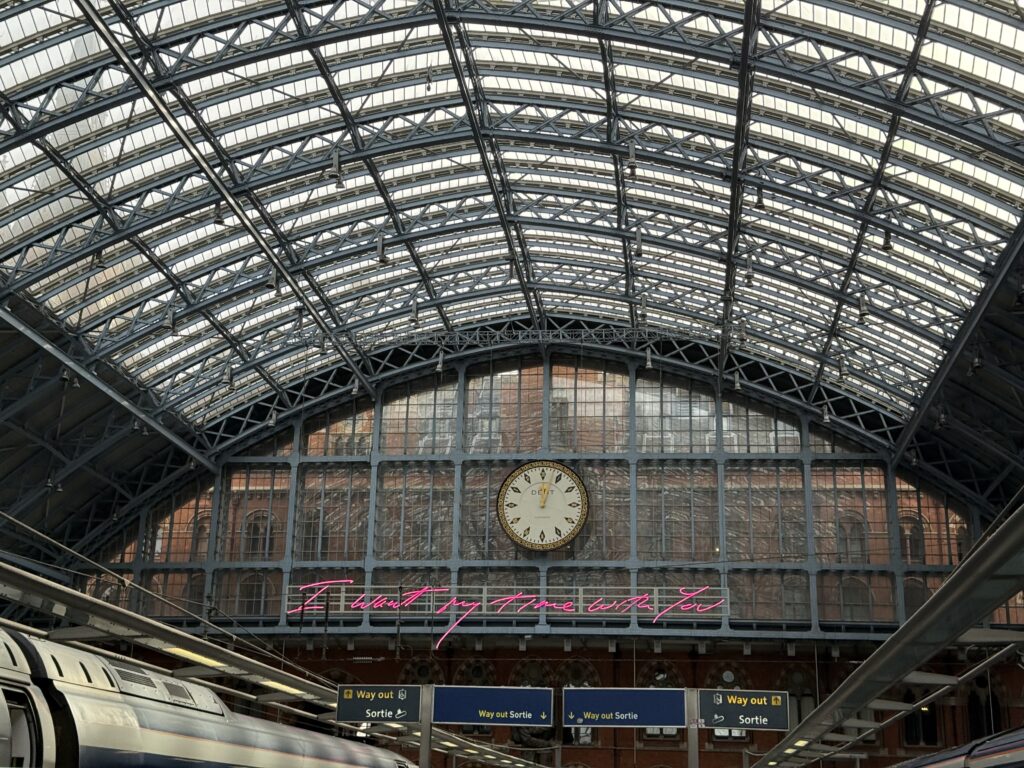
When I got off, I was actually immediately sold, and that is why London still remains (sorry, New York) my personal #1. There is so much to do and see and although some things there are quite pricey (I understand why people call London the little brother of NYC), there are also things you can visit for free, such as the British Museum. So you can definitely budget your trip, in my opinion. I myself am going back in February 2026 for the sixth time (Zumba instructor, I’m going to beat your record of 8 times!) and while writing this blog I realised that there are still things to do in London that I have never done before, and certainly also outside of London (but that’s too much info for this blog, so things outside London will get their own article). Let’s start the journey through the British capital!
Big Ben is not Big Ben
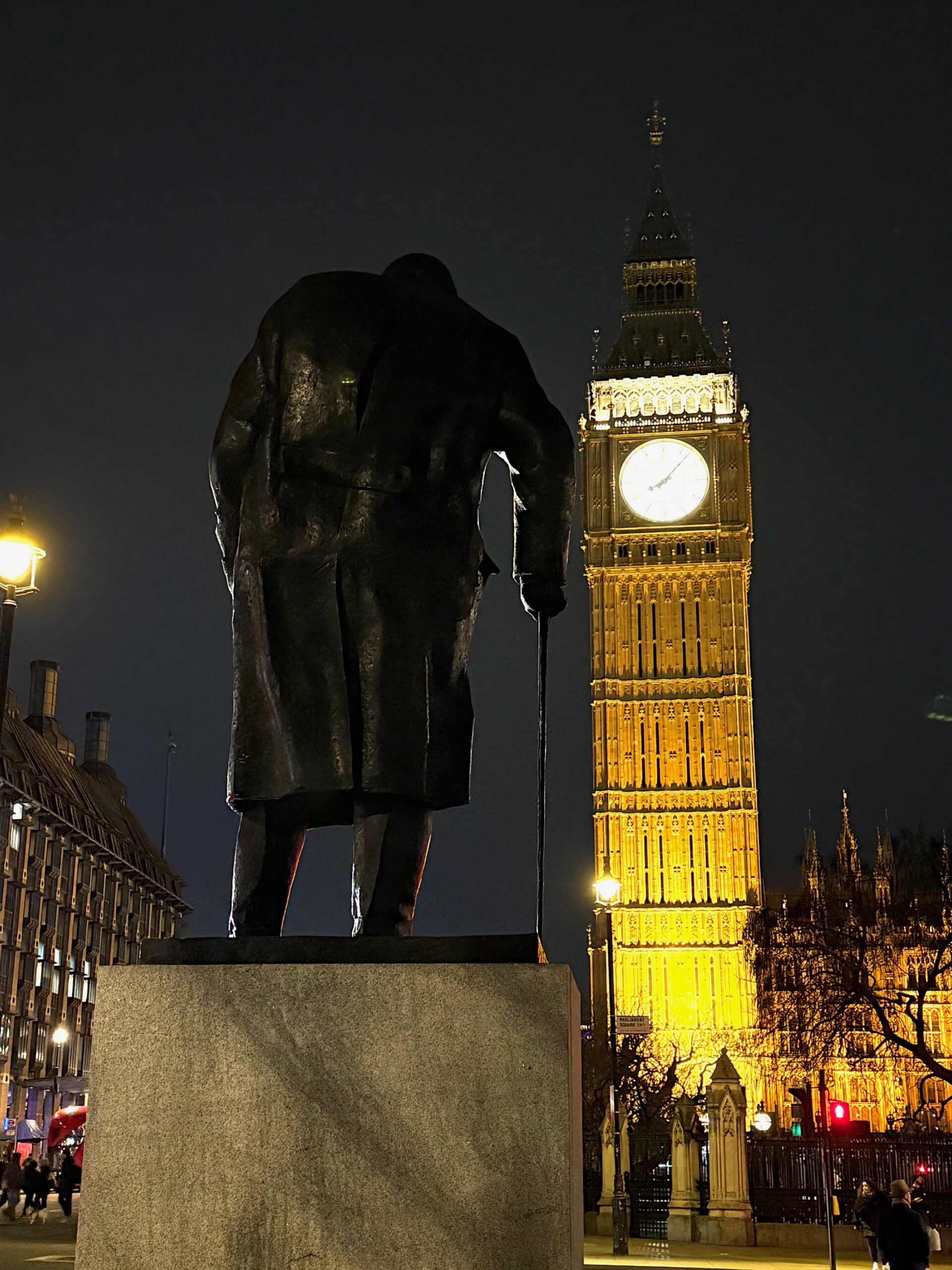
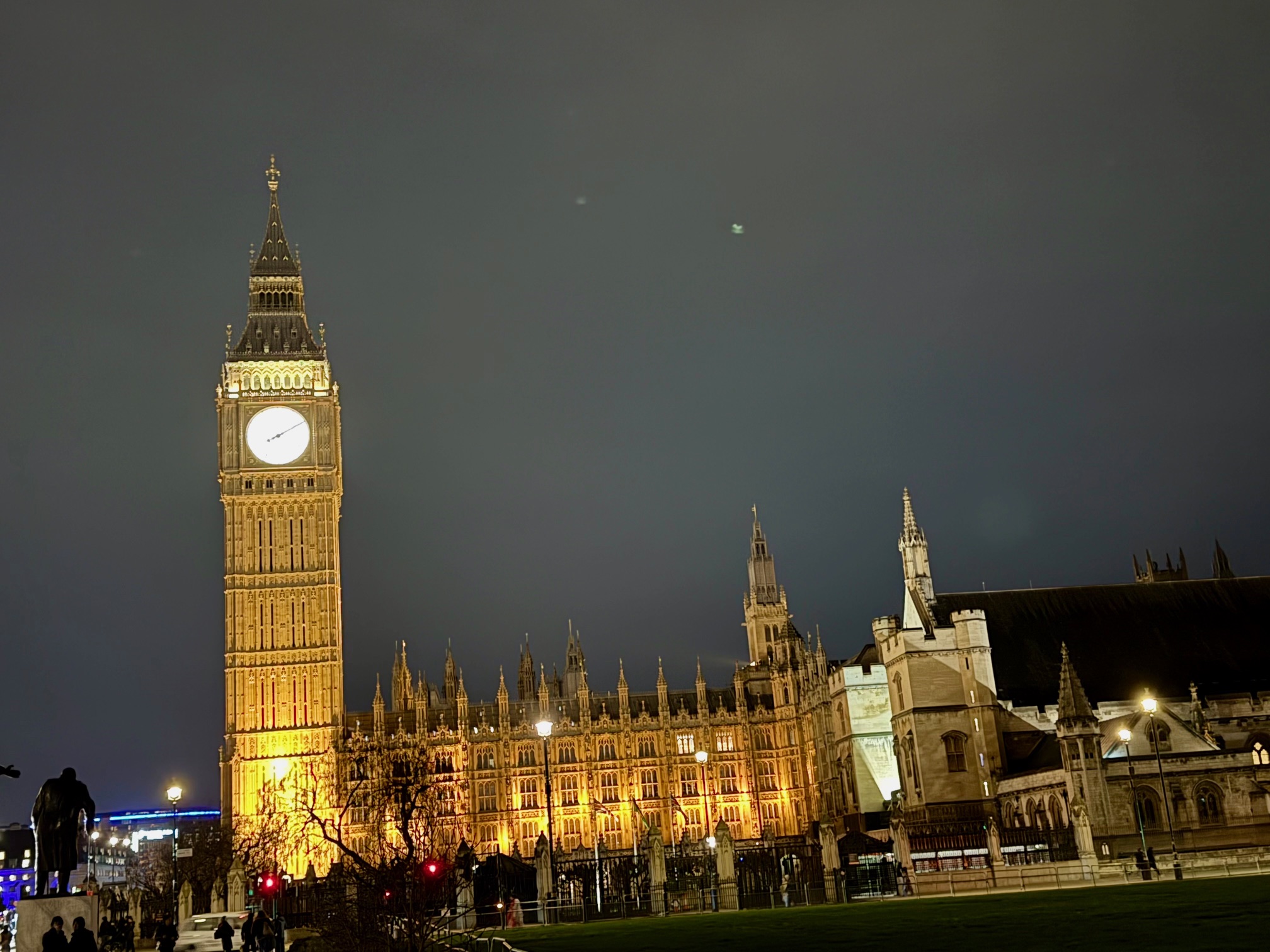
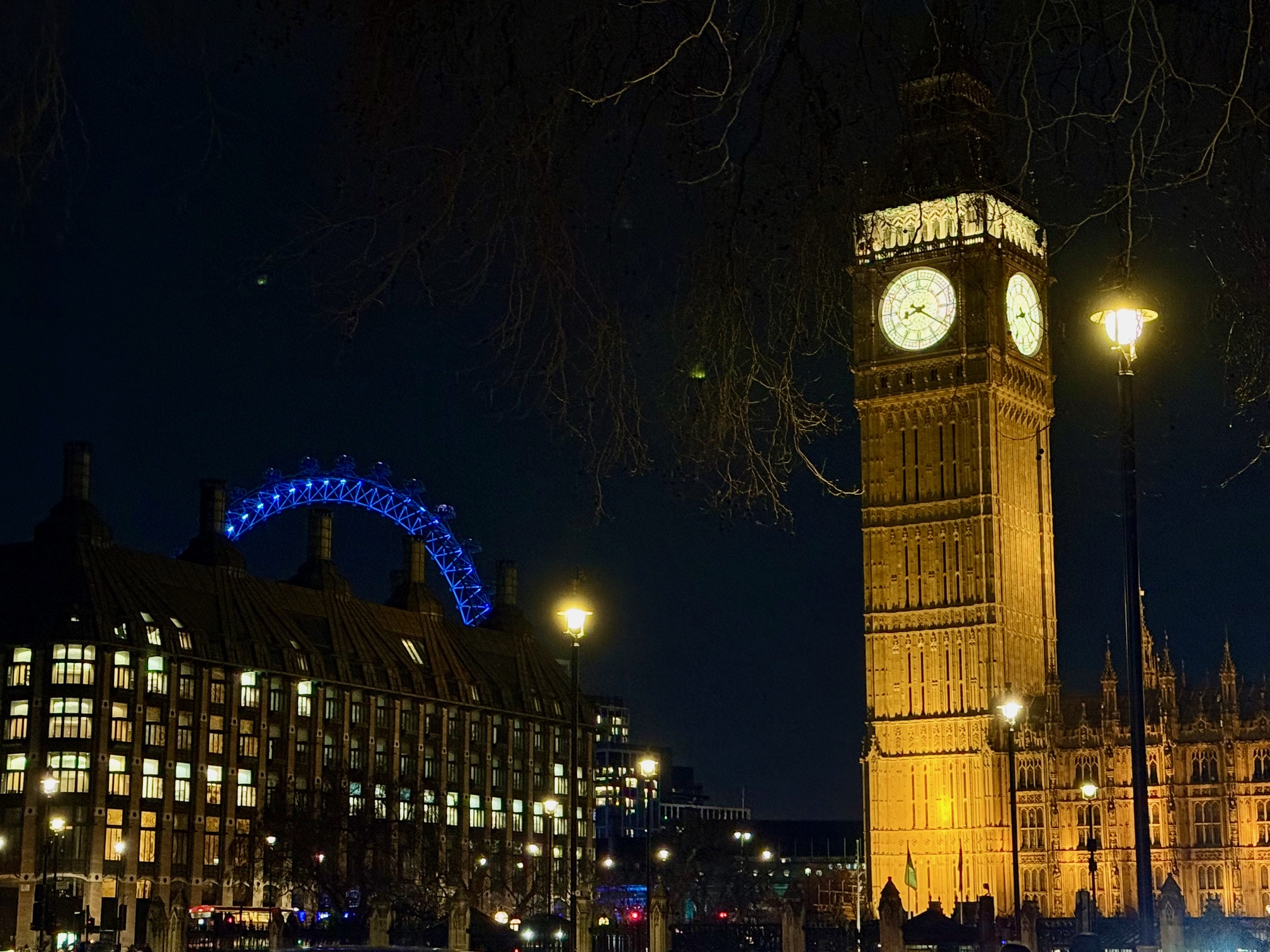
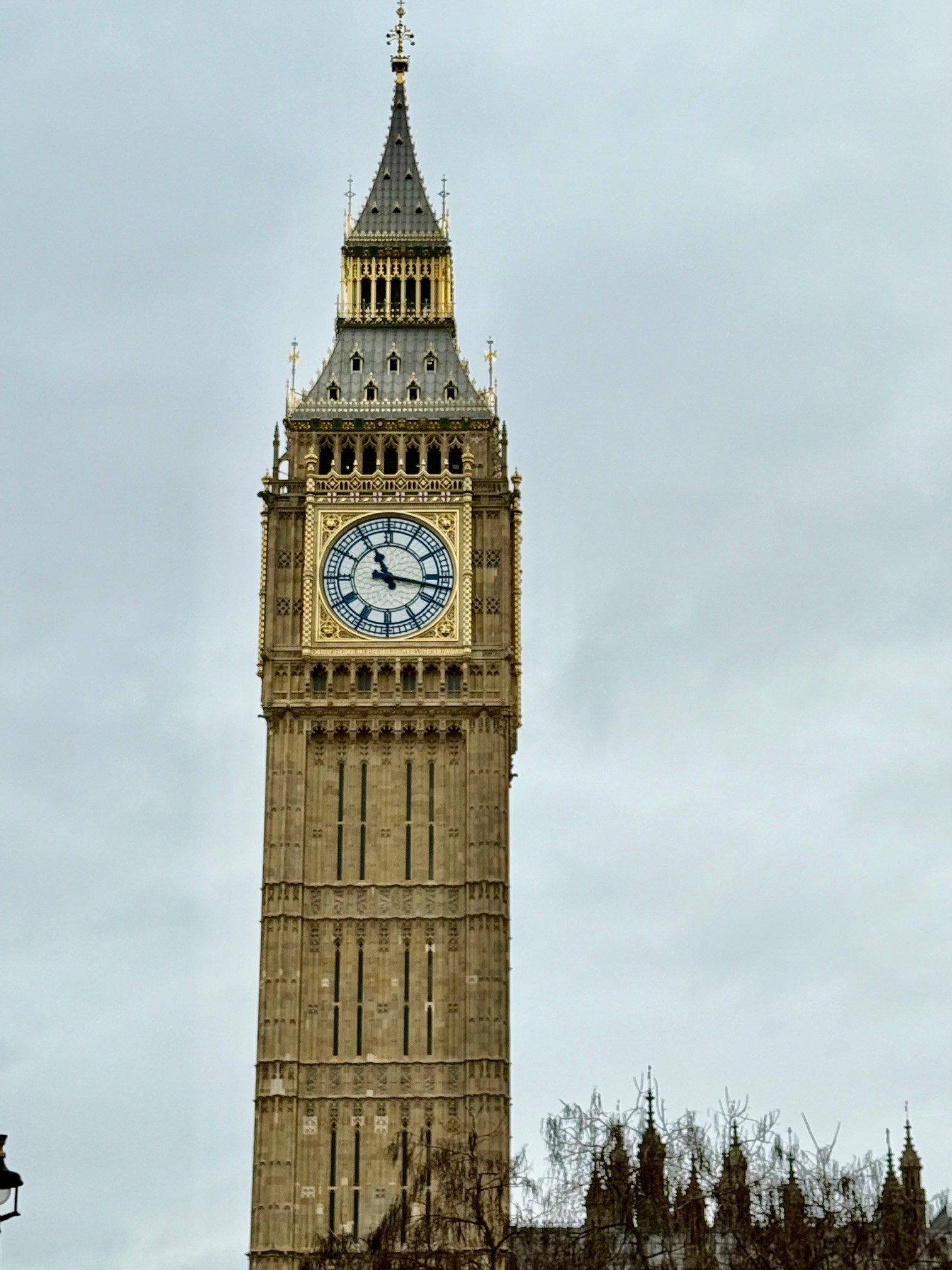
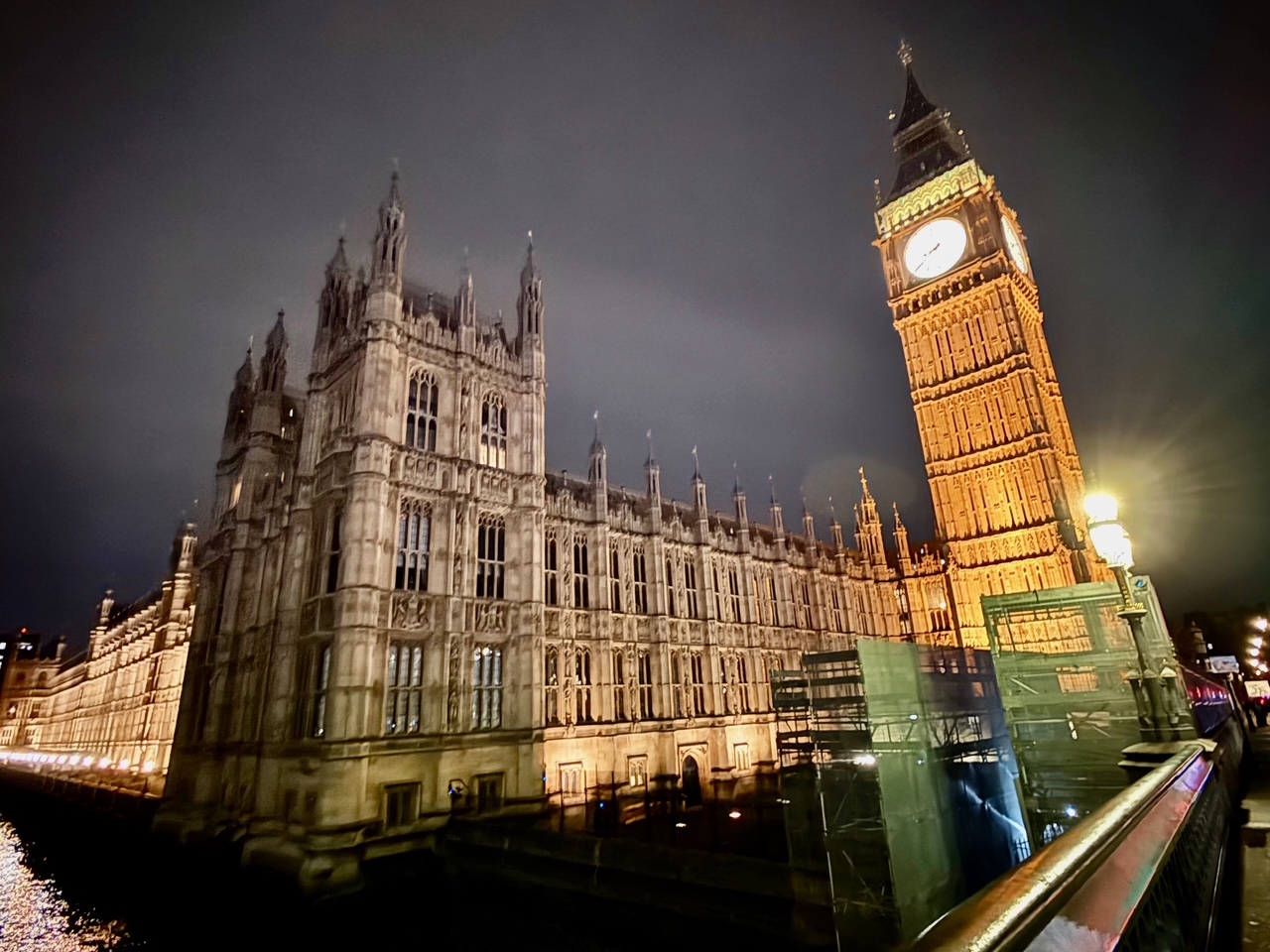
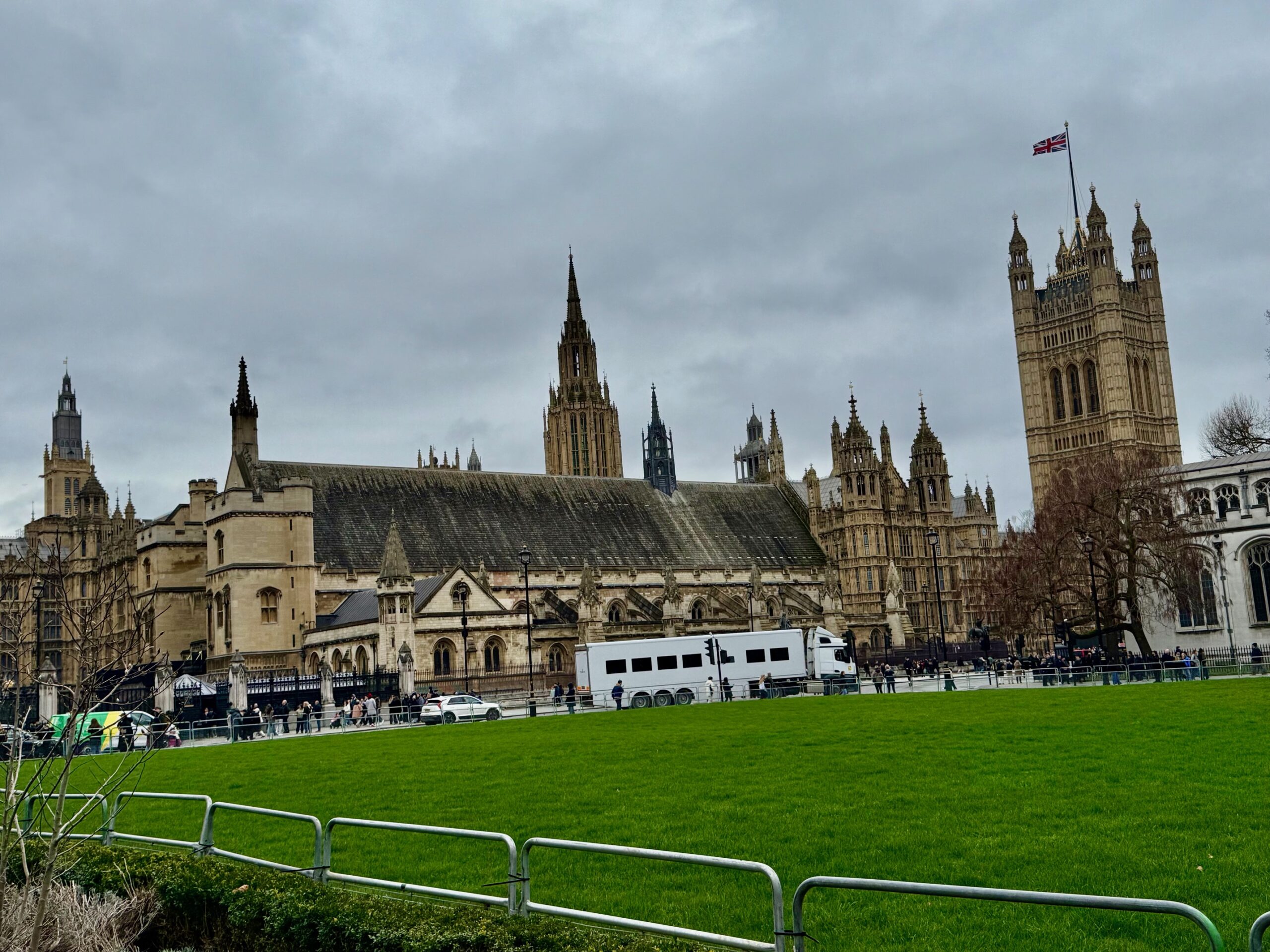
When you think of London, you probably immediately think of Big Ben. Big Ben is a clock tower at the Palace of Westminster, where the political power of the United Kingdom resides. The tower is 97 metres tall and origins from 1834. Big Ben is actually the 13-tonne heavy bell inside the tower, but many people wrongly refer to the whole tower as Big Ben. The entire tower is called the Elizabeth Tower.
Note: I always visit the tower around half past the hour, because at quarter to the hour it strikes a certain melody (if I Google it, it seems to be connected to the quarter bells?), which is when you can truly hear the beautiful sounds of the clockwork. And at the hour the clockwork strikes it usual melody. Two lovely moments you can enjoy for free, if you arrive on time.
Palace of Westminster: the political power of Britain
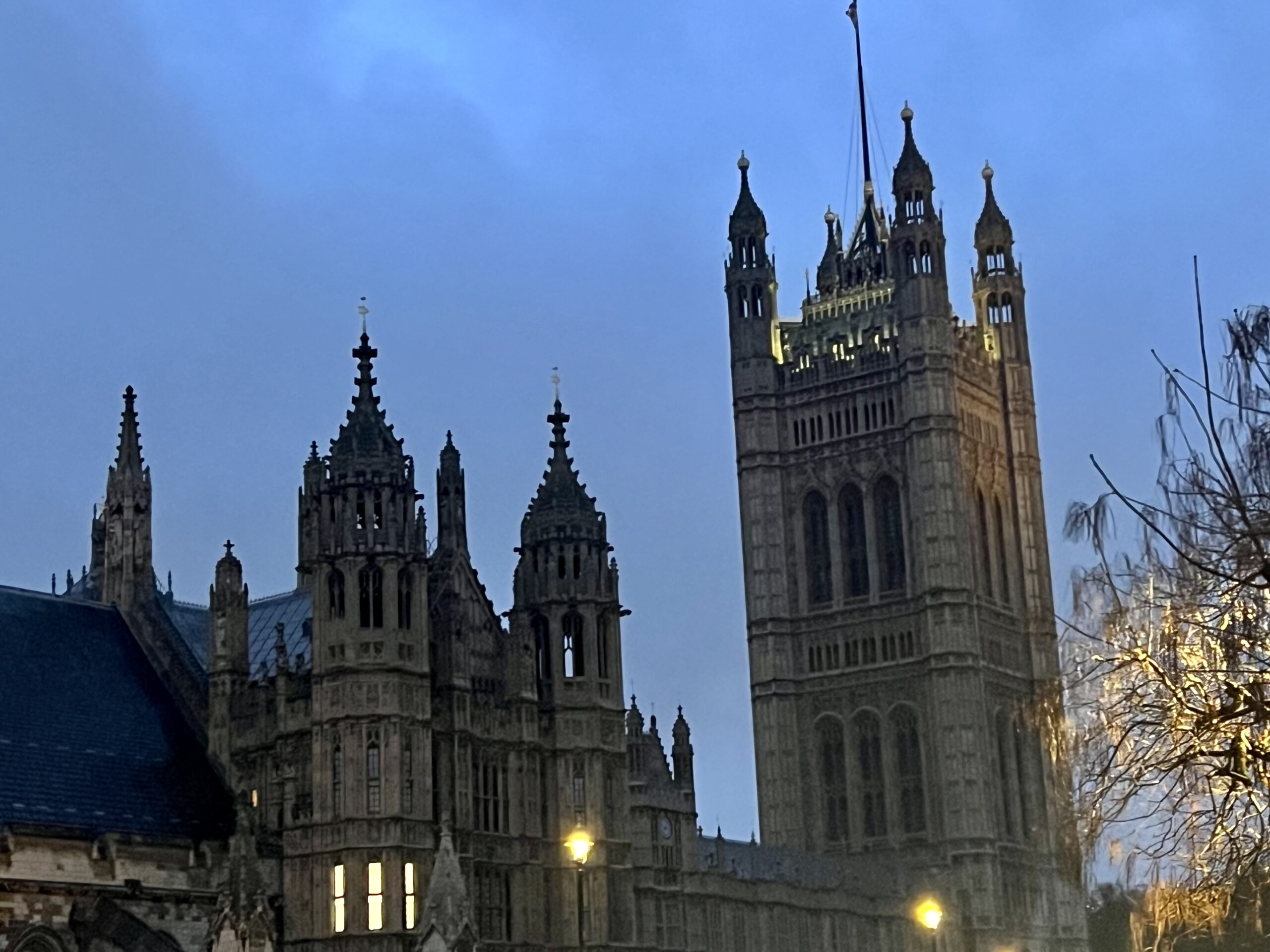
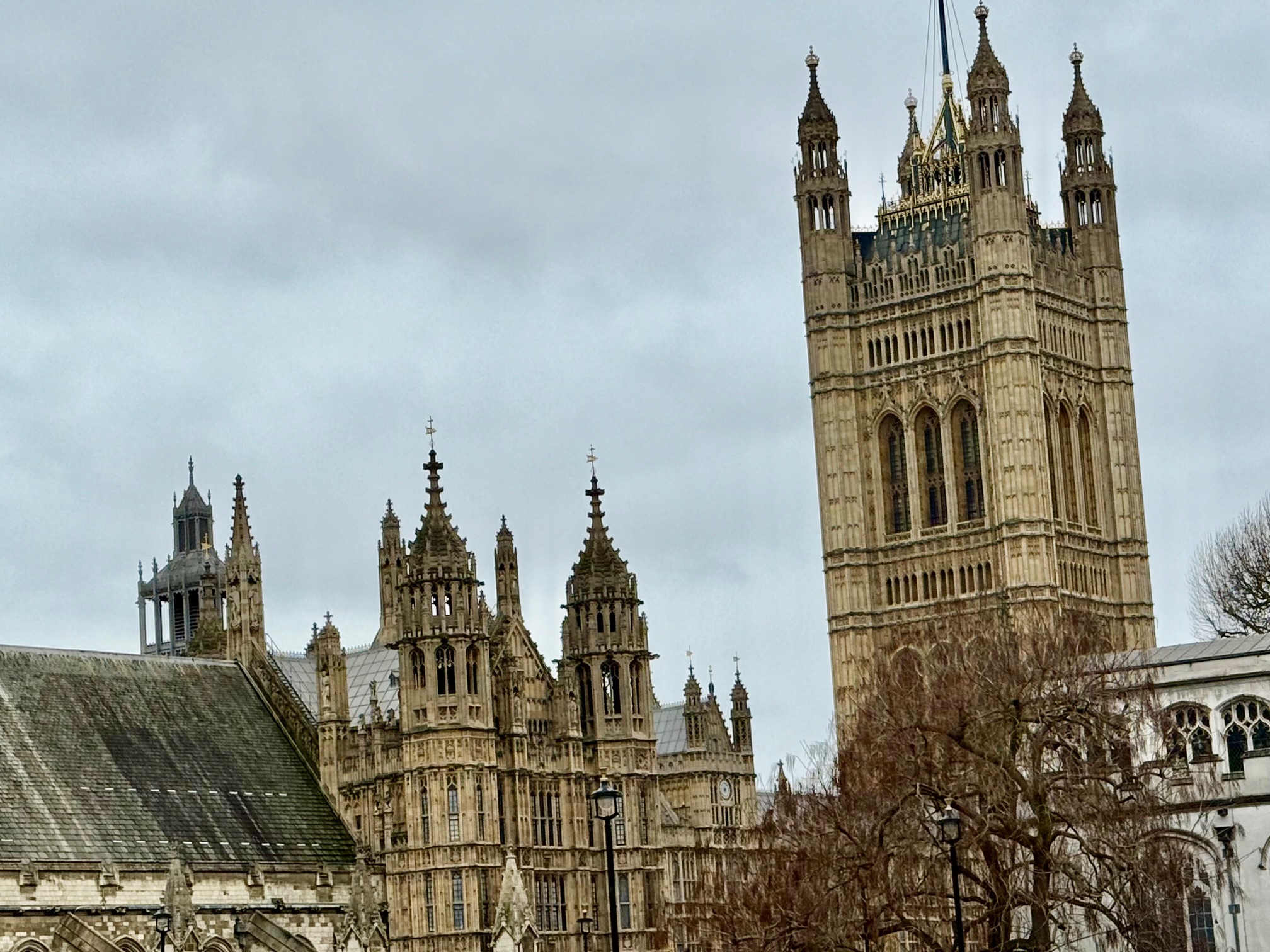
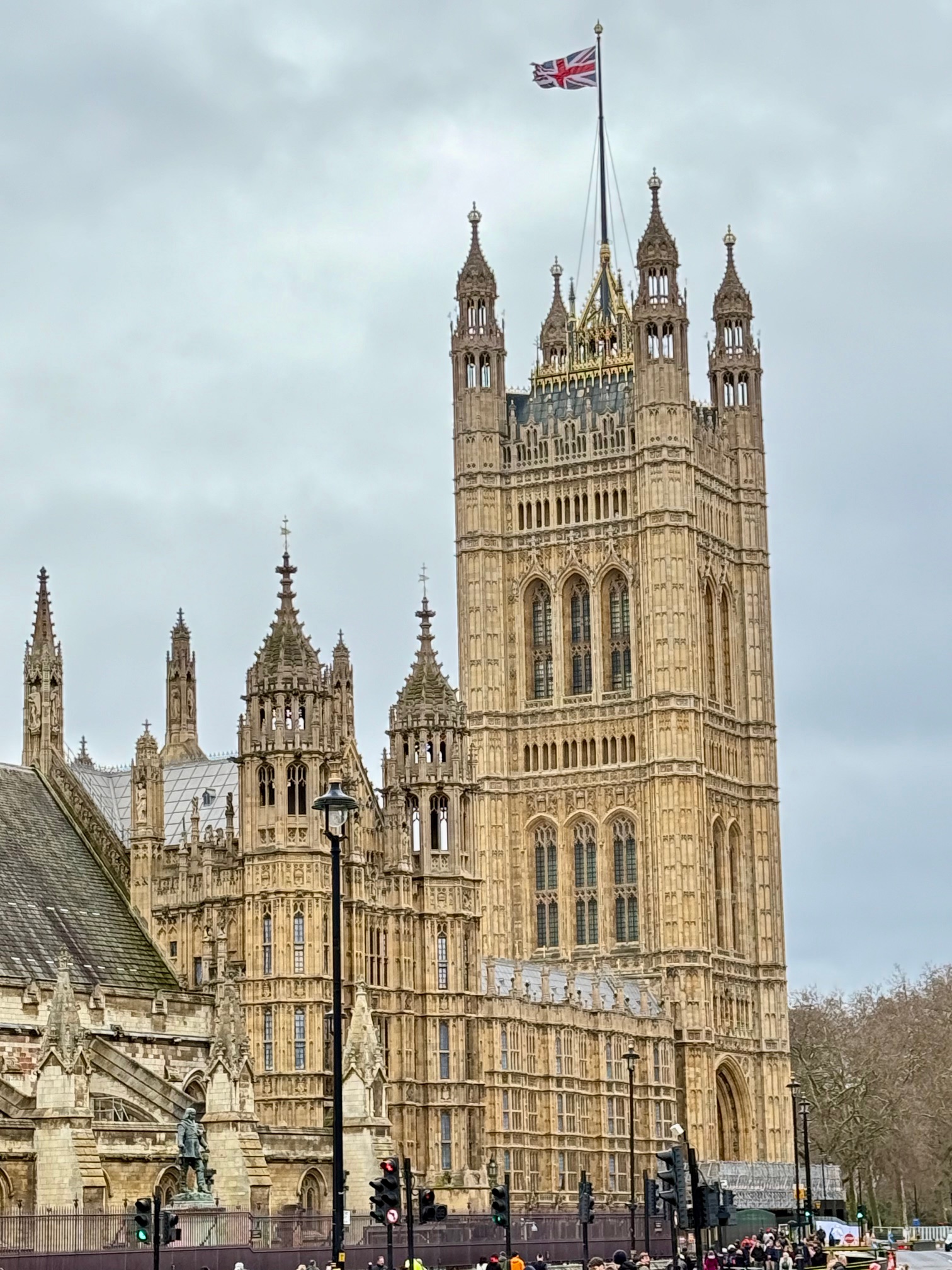
As we are already in Westminster and the Elizabeth Tower, you should definitely also take a stroll around the grand Palace of Westminster, where the British parliament is based. The Houses of Parliament origin from the 11th century, but the British politicians only took their seats in the building in the 15th century. Although this famous building once governed a large part of the world and no longer does, that grandeur has remained embedded in the structure.
10 Downing Street
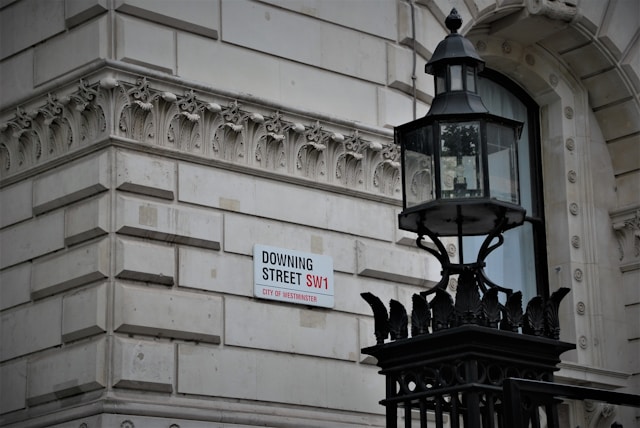
Because of all the security it’s not really an attraction that is worth it, in my opinion, but I still walked past the house of the current Prime Minister. It’s just bizarre to think that this roughly 300-year-old building with no less than 12 rooms houses such a major political leader. It doesn’t have the status of the White House in Washington DC, but it is still cool to see.
But again: due to all the security measures you don’t really see anything. It’s more about the vibe of walking in the shadow of such an important building.
Personal torment
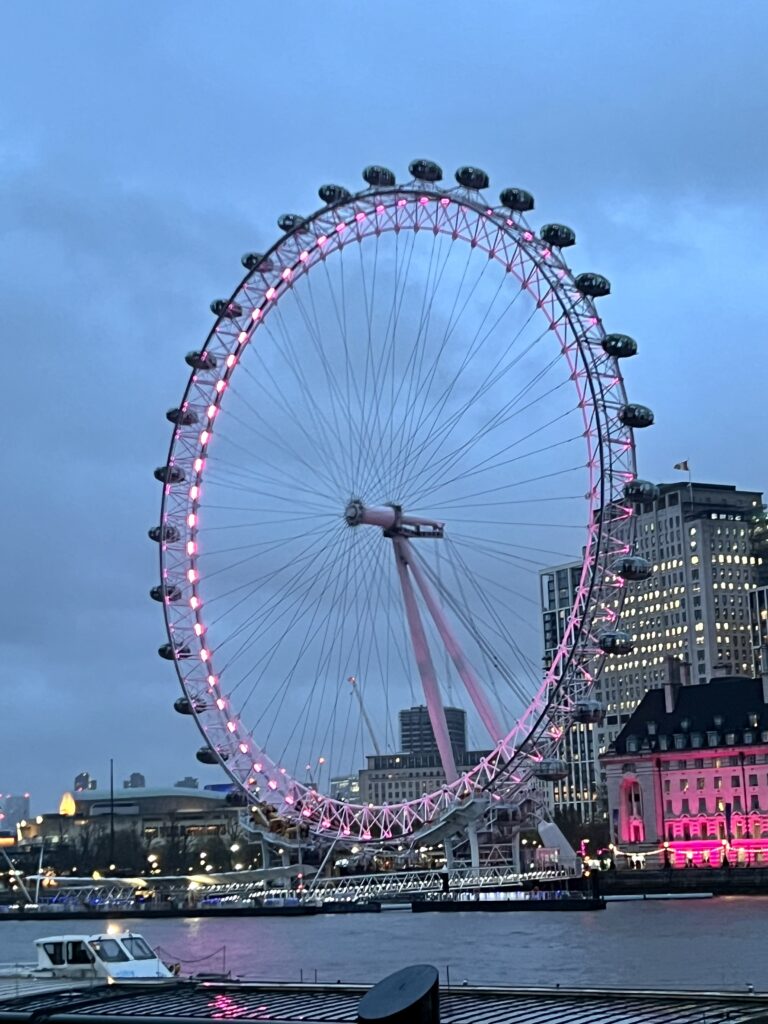
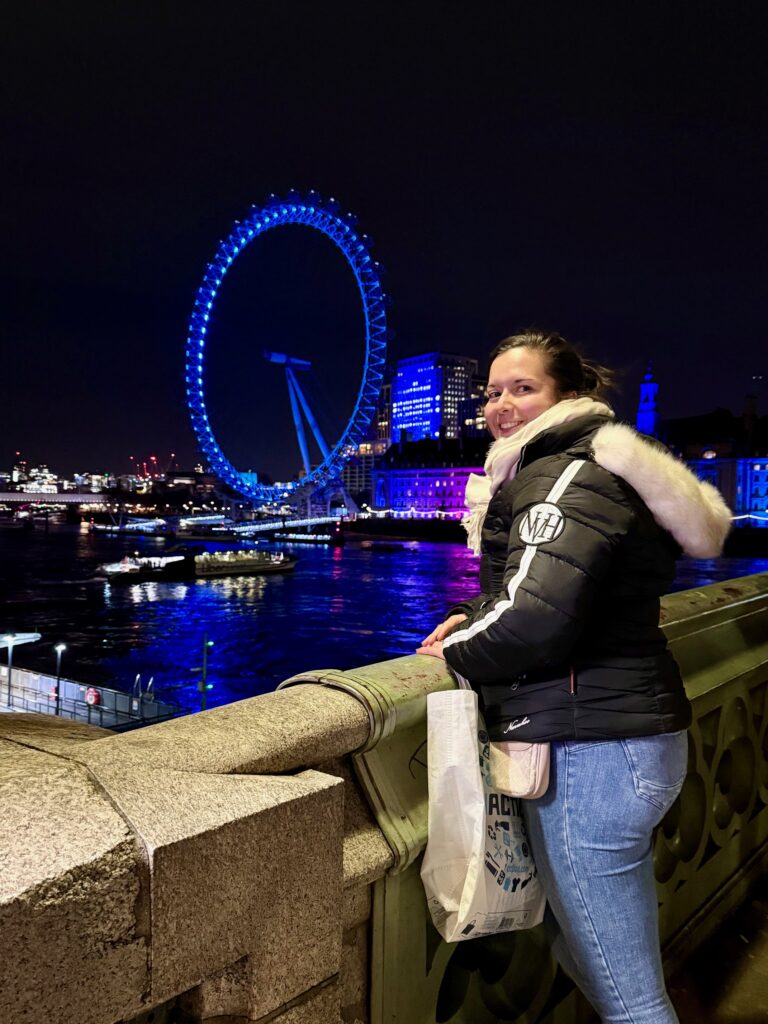
Westminster is quite a fun little district anyway, because here you can tick off multiple tourist attractions of London all at once. For next to all the political buildings you also have the famous Ferris wheel, the London Eye, located on the banks of the Thames (which I always pronounced as TEEMS, but it actually sounds like TEMS: eye opener!). As I am not a fan of heights (just ask my friends who experienced this with me on the smaller Ferris wheel in Scheveningen), I strictly refuse to step into the London Eye (view be damned!). The Ferris wheel is no less than 135 metres high and one revolution takes half an hour!
Did you know? To mark the arrival of the new millennium, British Airways commissioned the construction of the giant observation wheel in 1991. It officially opened on 31 December 1999 to welcome the year 2000 and became known as the “Millennium Wheel.”
But the view should be phenomenal. In good weather you can see as far as 40 kilometres! And especially around sunset and the first dark evening hours, the view over illuminated London is unique. But eh… let me experience that from a non-moving platform, such as The Shard.
Westminster Abbey: from funeral masses to weddings
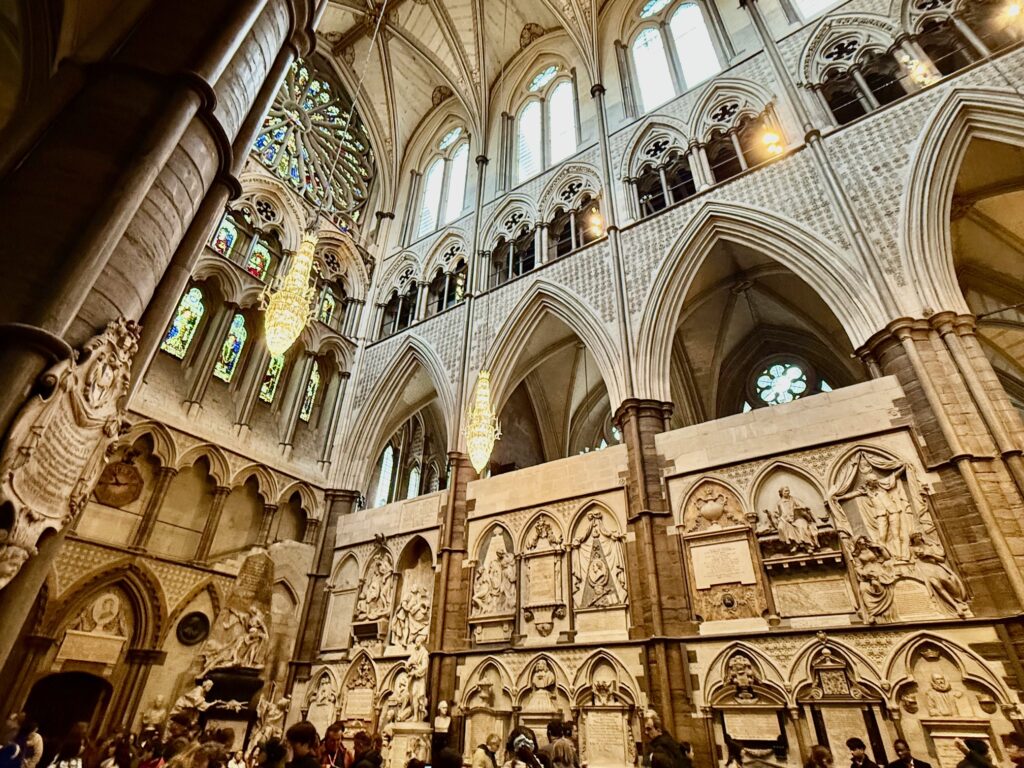
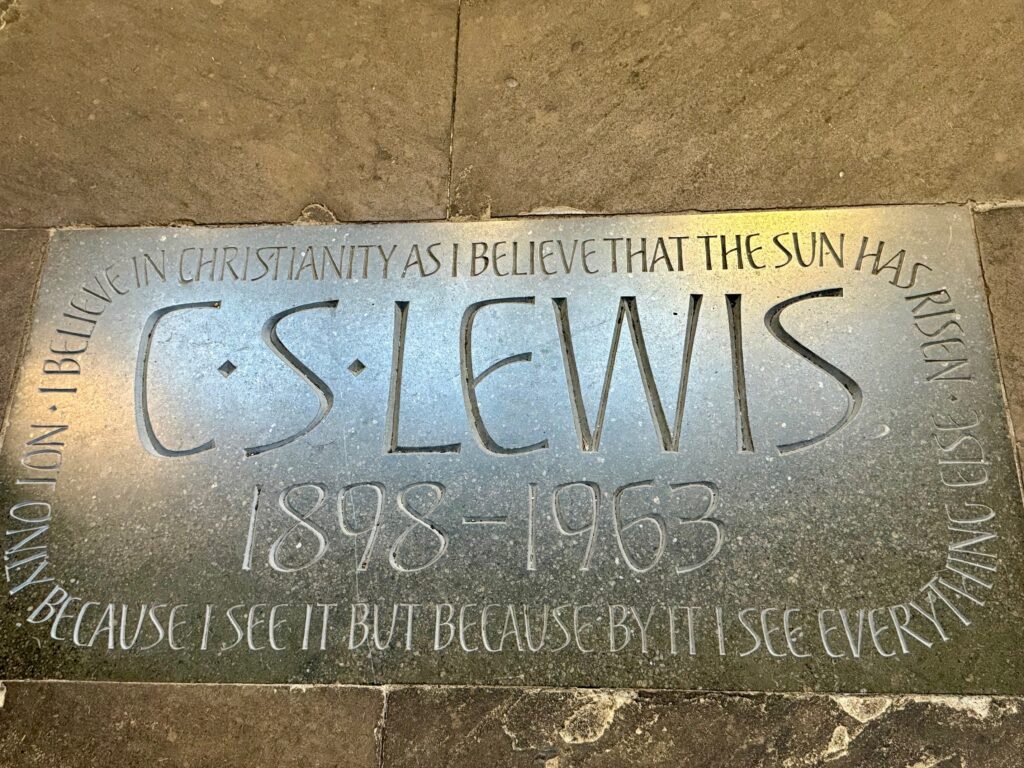
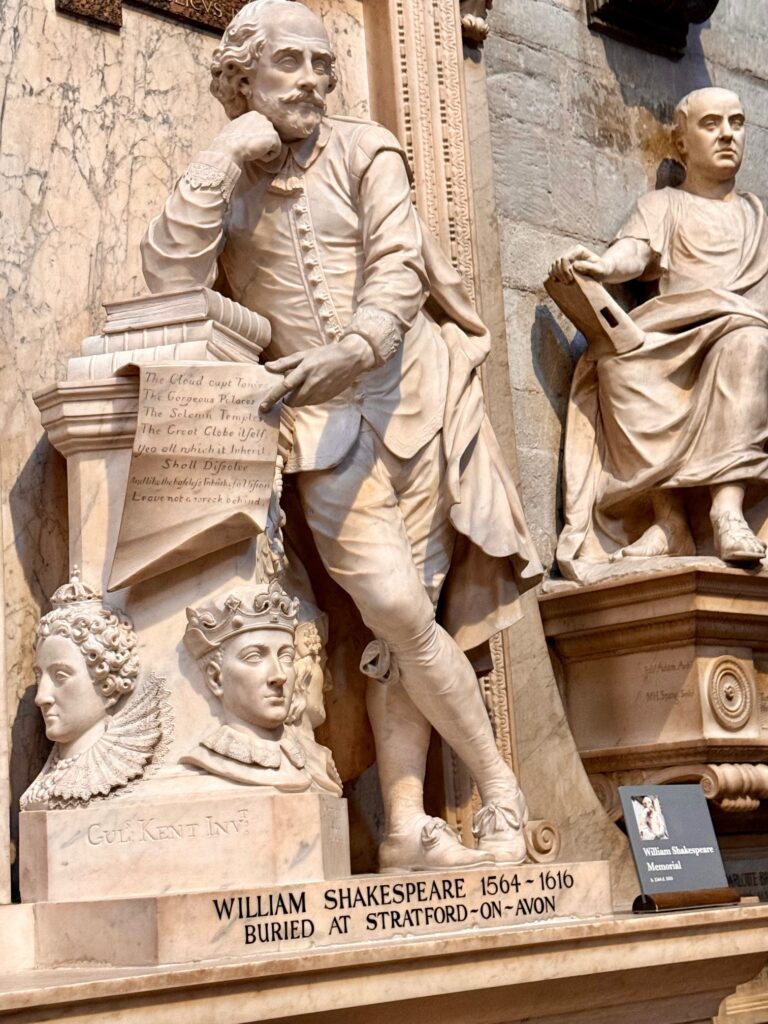
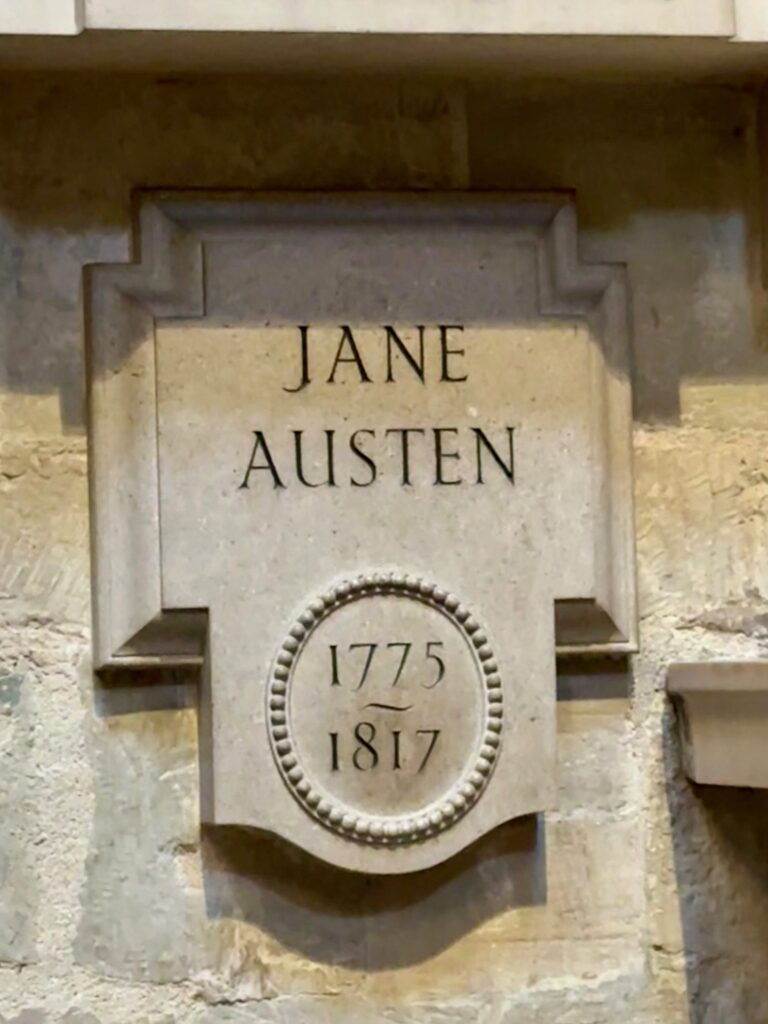
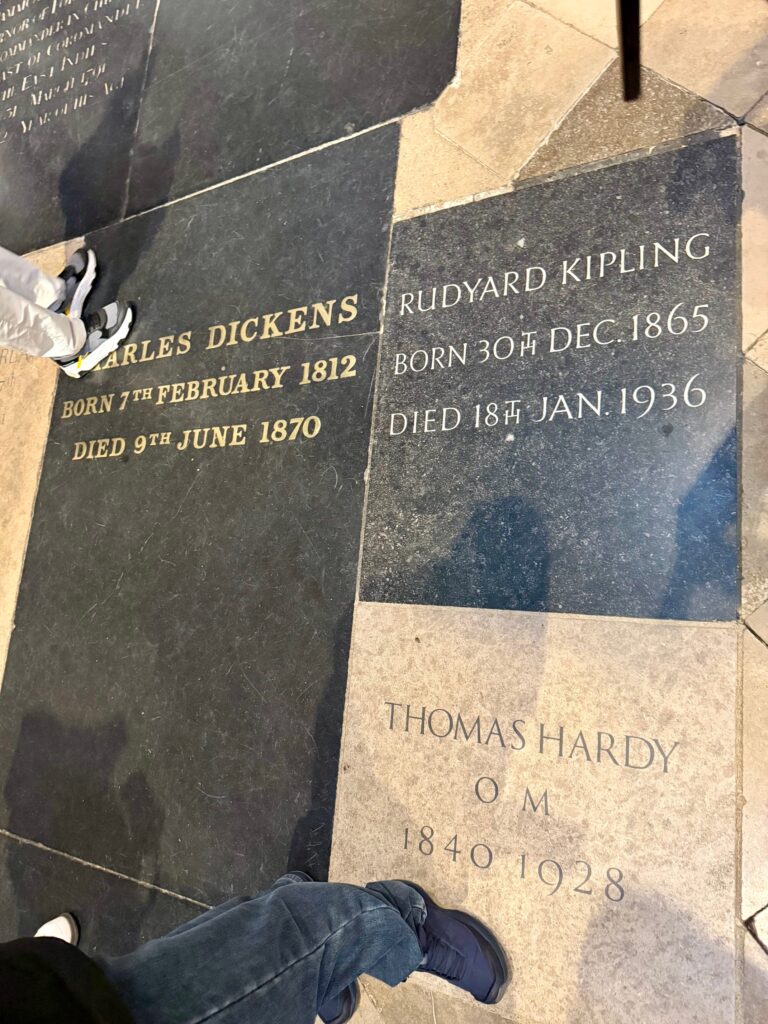
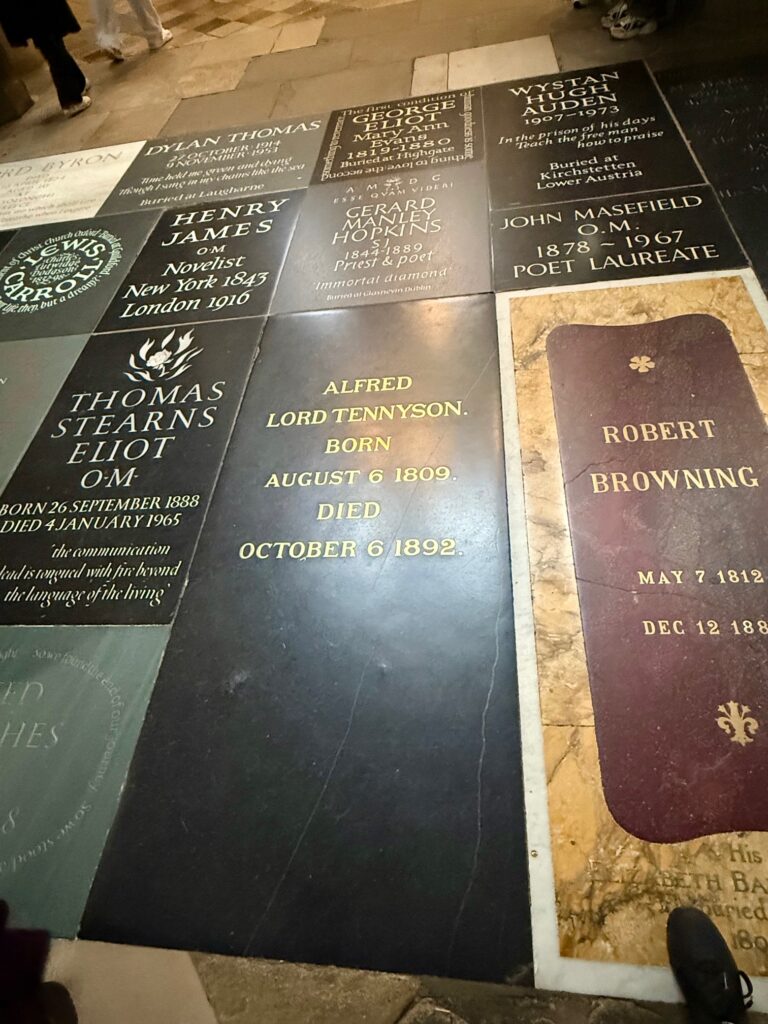
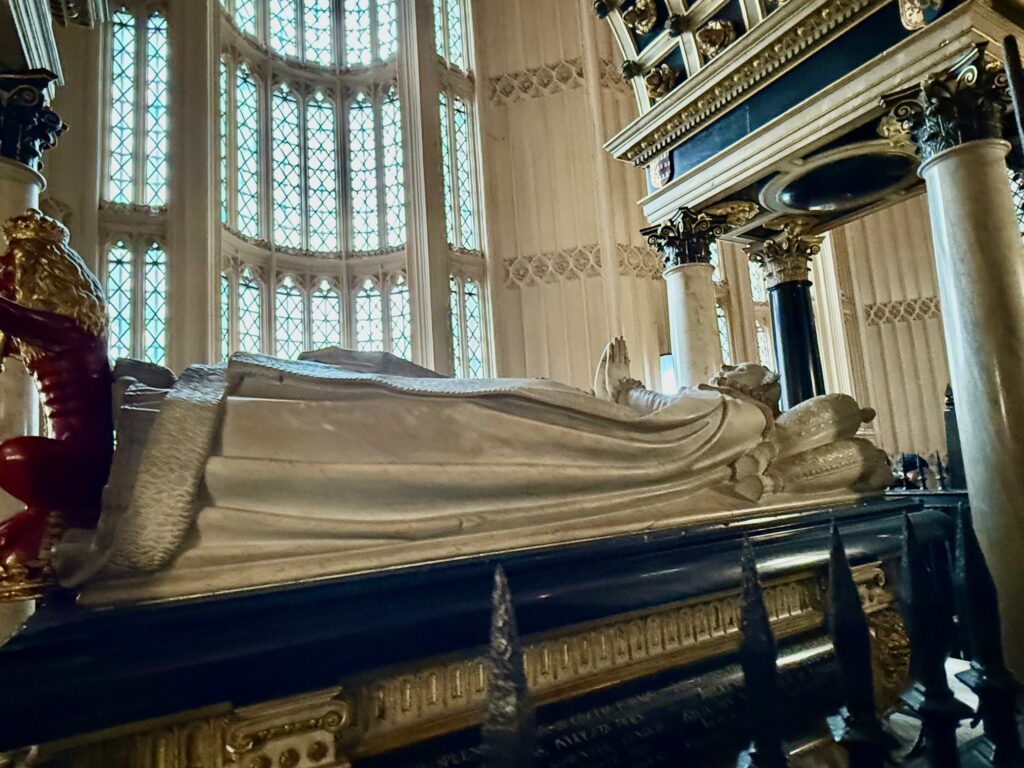
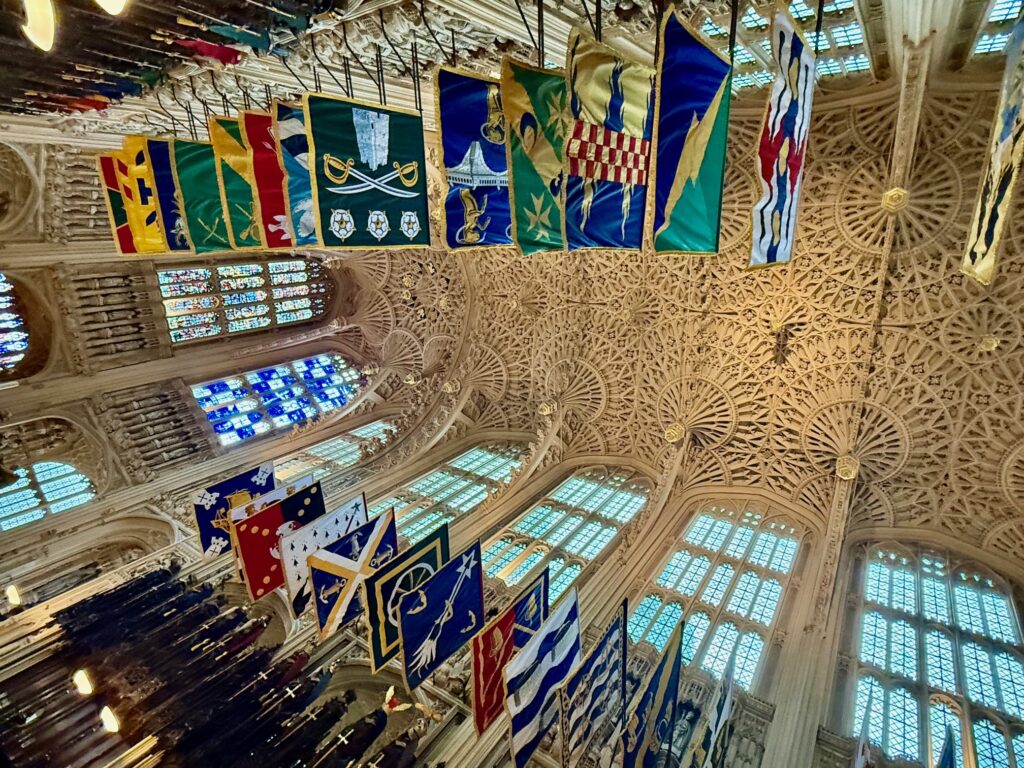
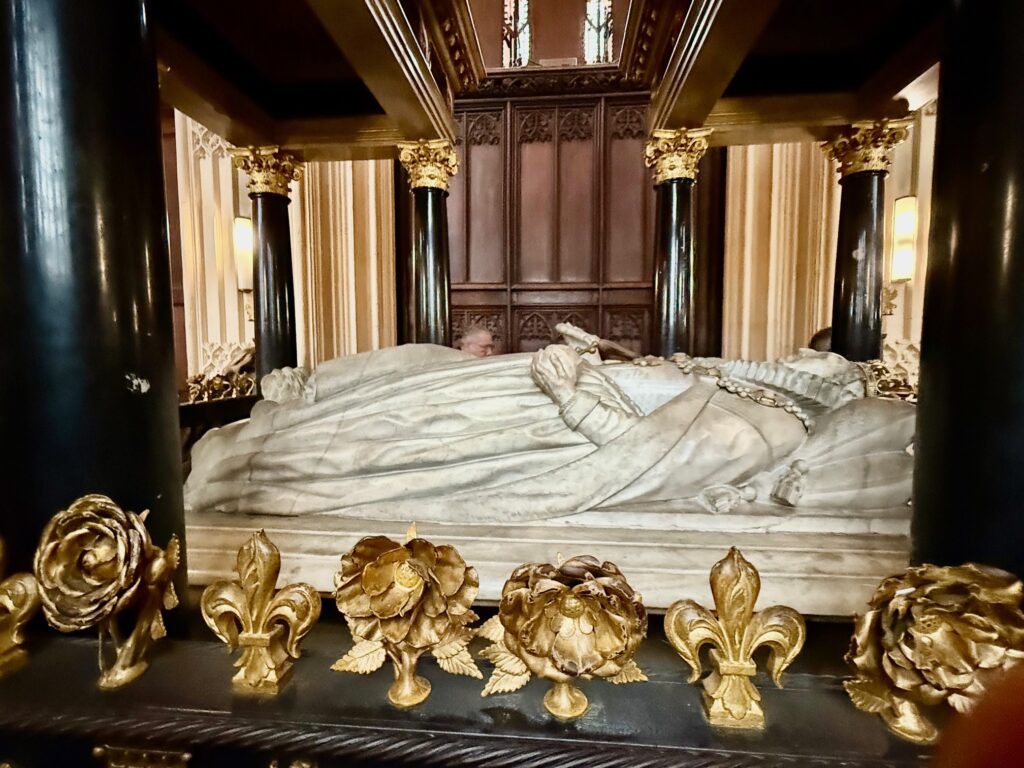
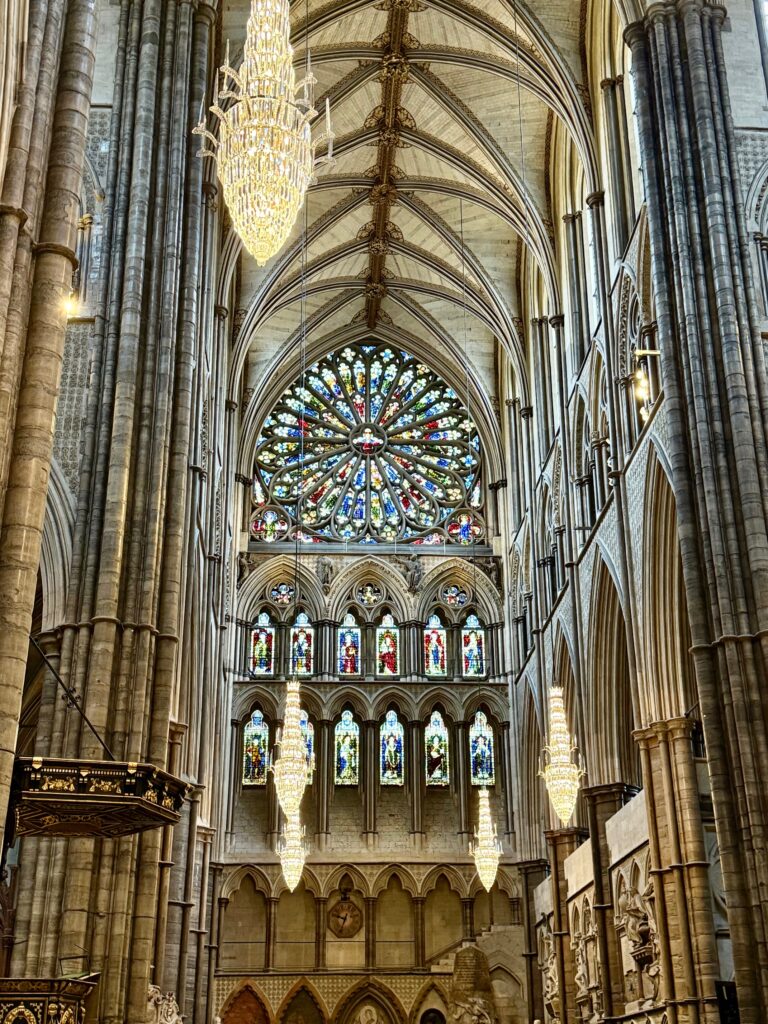
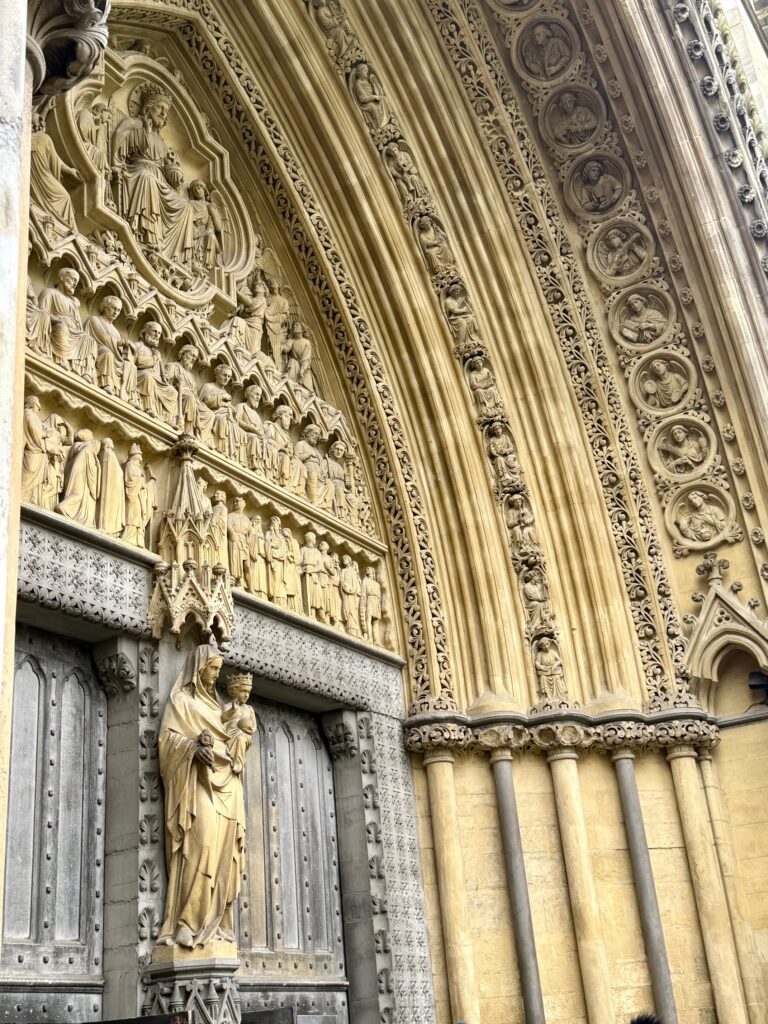
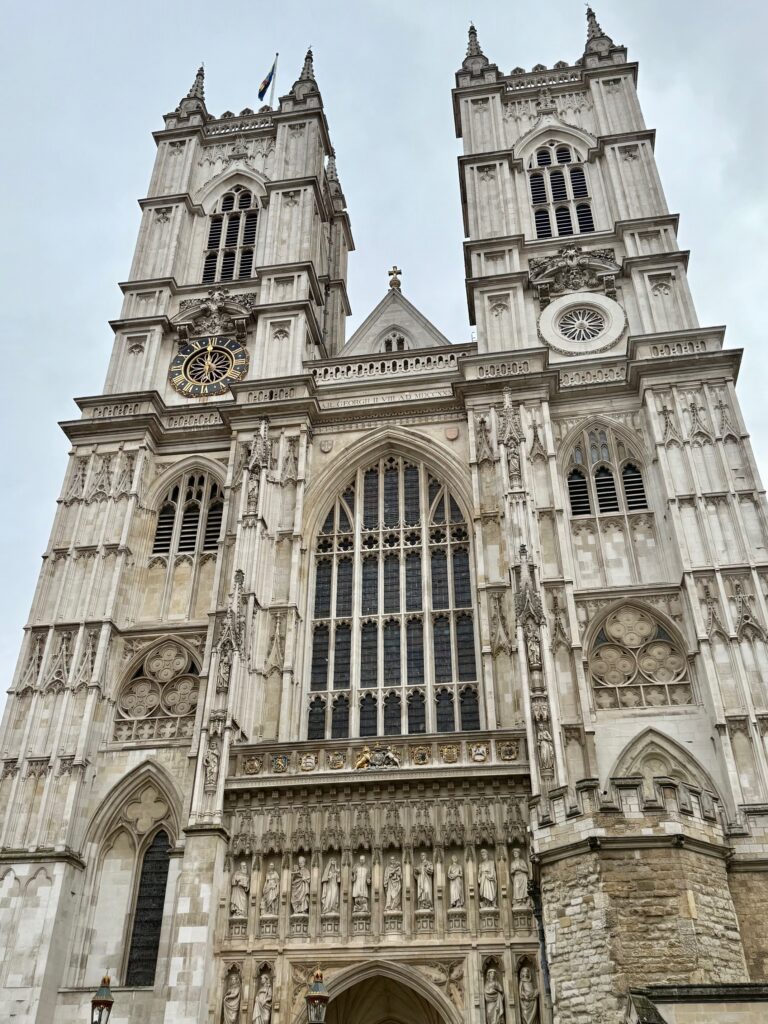
We remain in Westminster Abbey a bit longer, because behind the Palace of Westminster you also have the world-famous cathedral: Westminster Abbey. This Gothic structure is already a joy to look at from the outside, but I recommend paying the high entrance fee and stepping inside the church for attractions such as the Coronation Chair, various tombs and the remarkable memorial of the Poets’ Corner. And hello, if you are a fan of Dan Brown’s books, you simply must tick this must-see in London off your bucket list, right?
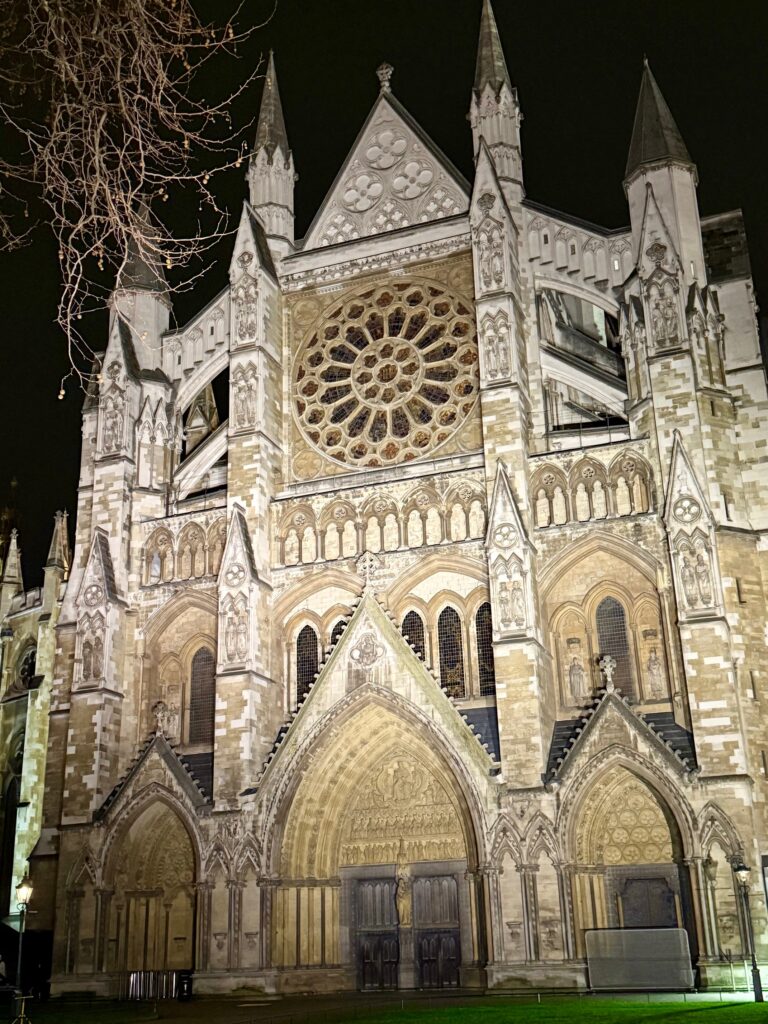
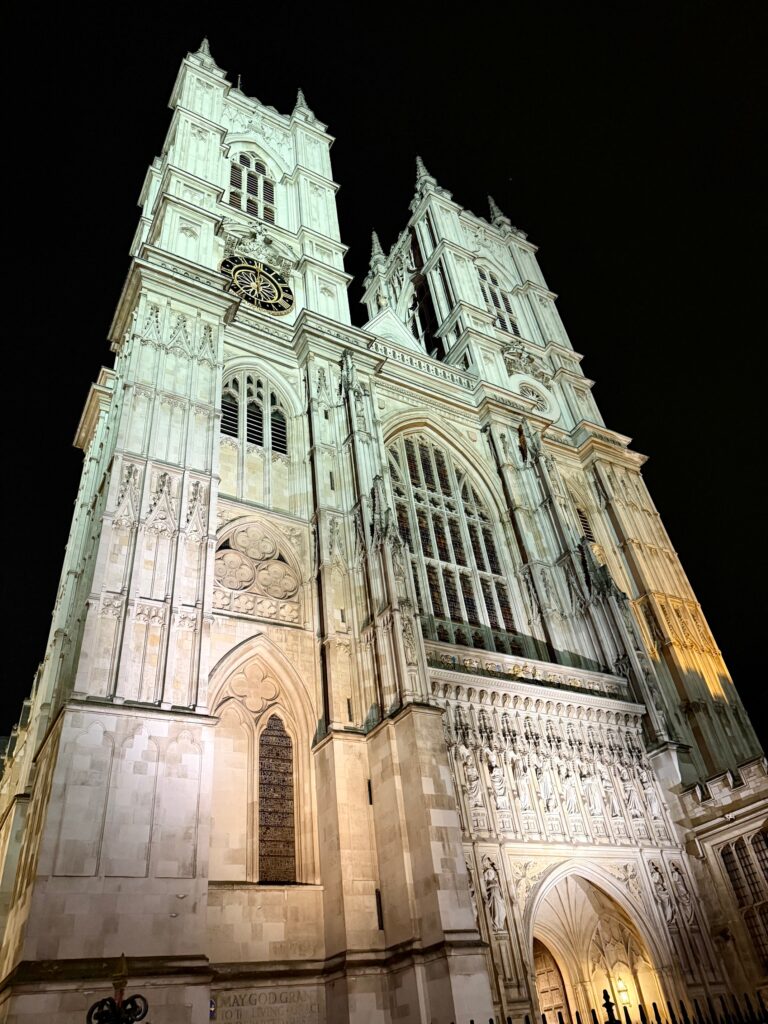
The full name of this Gothic cathedral is the Collegiate Church of St. Peter and it dates back to the 10th century, when the then monarch wanted to build a royal funeral church. He was also the first monarch to be buried there. However, the church is famous for its important ceremonies, such as coronations and several weddings (including that of Prince William and Kate Middleton in 2011 and Prince Harry and Meghan Markle in 2018).

The changing of the royal guards
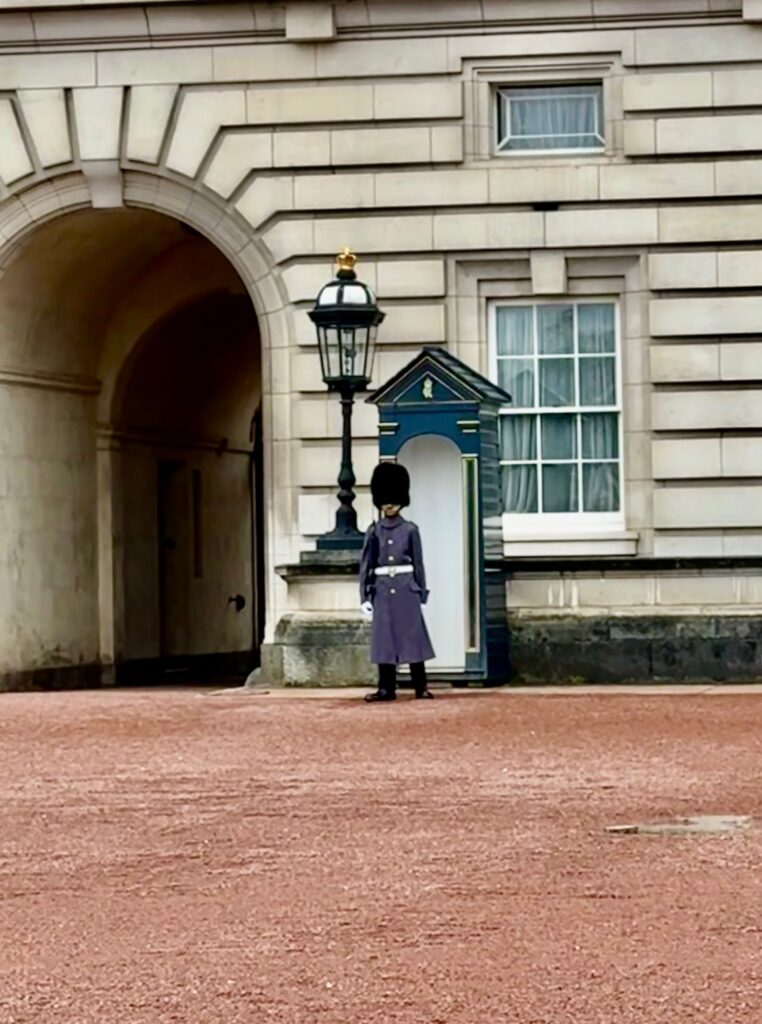
I’m not entirely sure if Buckingham Palace is still in Westminster, but it is within walking distance from Big Ben. So if you’ve had enough of the bells, walk northwards and follow the signs to Buckingham Palace. Buckingham Palace dates back to 1703 and was built for the Duke of Buckingham. Since 1873 it has been the official residence of the British royal family. The royal palace has no less than 770 rooms and in the famous Queen’s Gallery you can view unique artworks by, among others, Rubens, Vermeer and Rembrandt. Most people, however, will come for the whole spectacle during the Changing of the Guard. The Changing of the Guard is daily every day from April to August (outside this season every other day). The ceremony lasts a full 45 minutes and is almost a show in itself to watch.
Note: because it is so popular, it is always extremely crowded and the chance is high that you hardly see anything. If you have the time, it is therefore recommended to visit the second royal castle nearby (Windsor), where you can also see the Changing of the Guard. More about this in my next blog about the sights just outside London.
The Royals are omnipresent
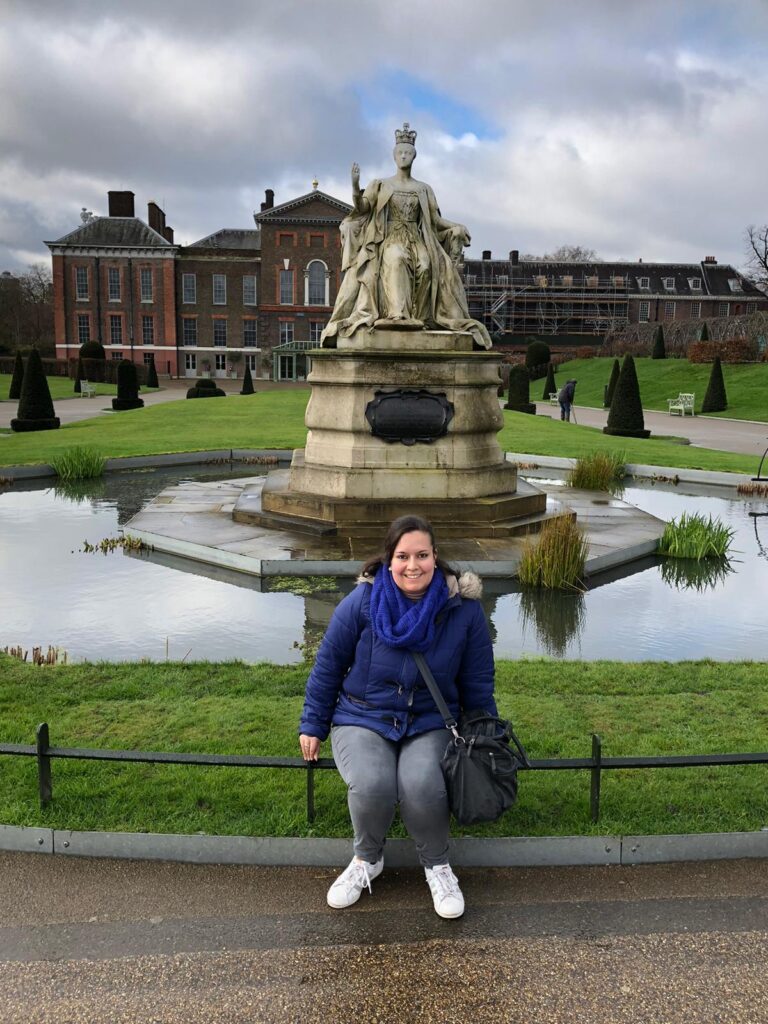
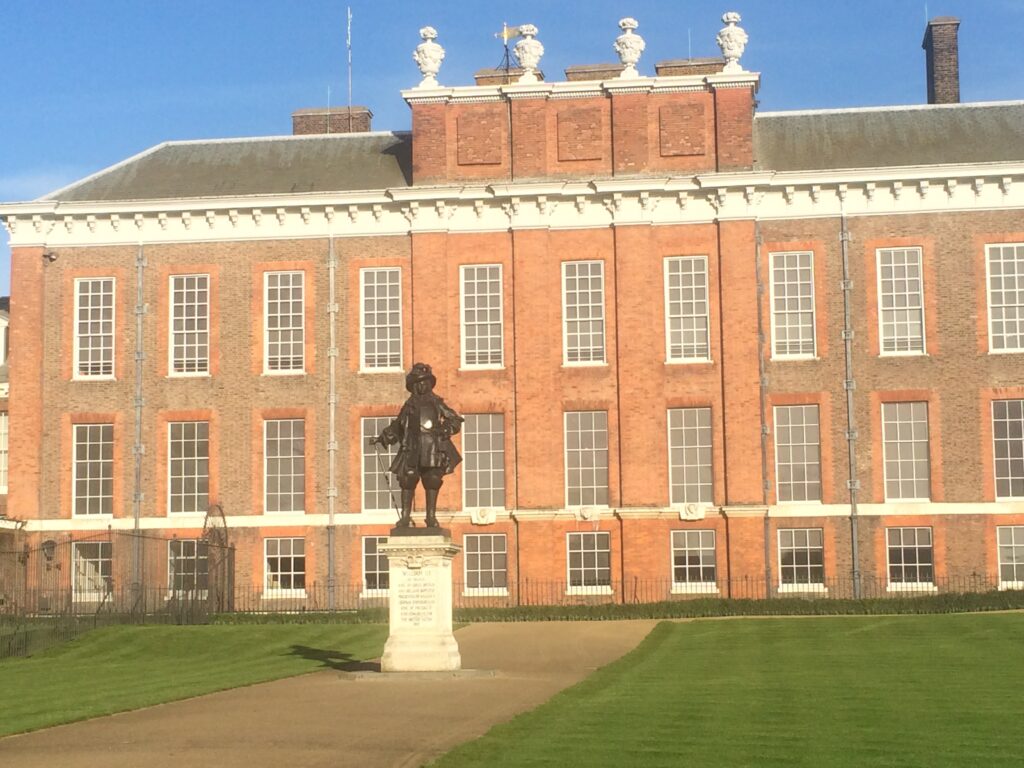
We leave Westminster for another royal residence in London: Kensington Palace and the surrounding Kensington Gardens. Kensington Palace origins from the 17th century and is also an important residential building of the British monarchs. Currently, Prince William and his wife Kate live there, for example. Prince Charles and Princess Diana also lived here for many years; Diana even remained there after their divorce until her death. In the surrounding Kensington Gardens you will therefore also find several memorials for the Princess, such as the Diana Memorial Playground and the Princess Diana Memorial Fountain. The impressive, stately statue of Queen Victoria stands directly in front of the palace and watches over the entrance to the palace.
More in this wonderful Royal Park
Kensington Gardens is a wonderful park that borders directly on Hyde Park. It is one of the 8 Royal Parks in London, purchased by King William III. I don’t know how I manage it, but wherever I book my hotels, they always strangely end up near Kensington Gardens, and so it feels a bit like my park. It is an oasis of peace in otherwise busy London. You can enjoy lovely walks among the many monuments the park has to offer, such as the impressive Albert Memorial, but you can also just sit peacefully around the large ponds and watch the animals: from swans on the lake to cheeky squirrels climbing you.
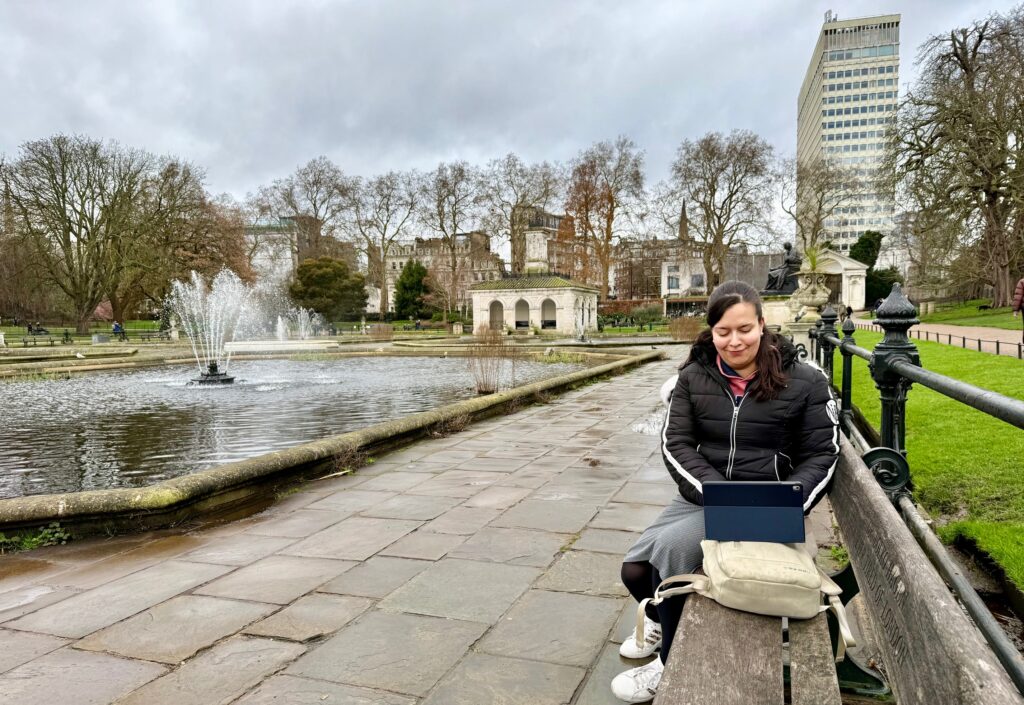
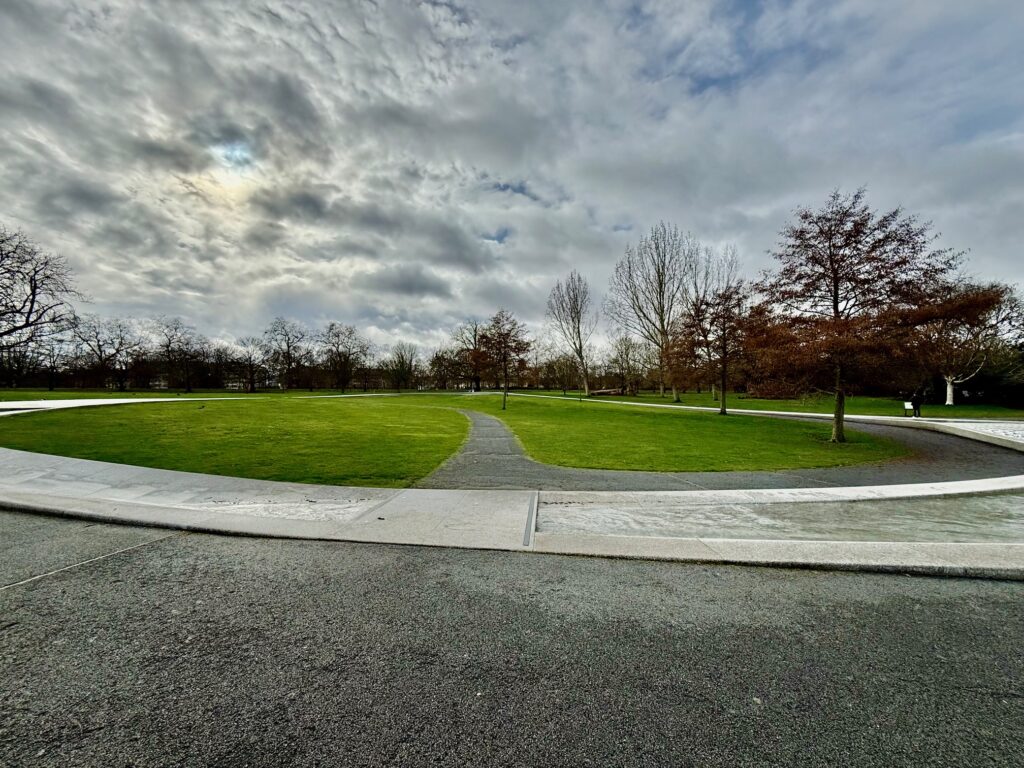
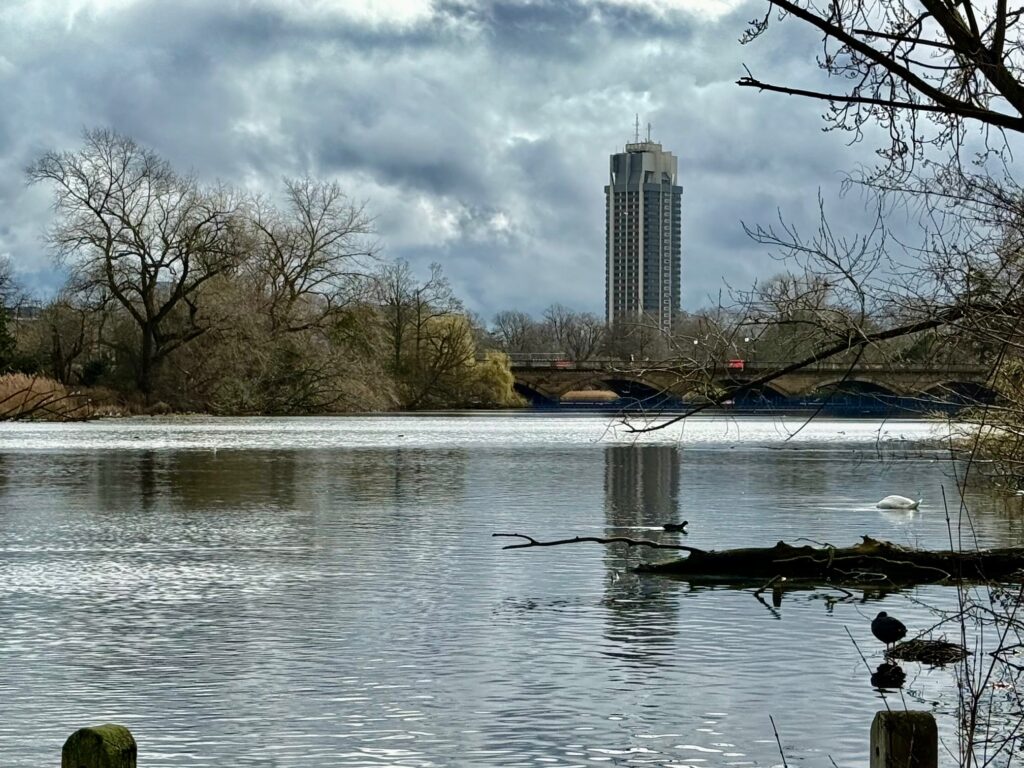
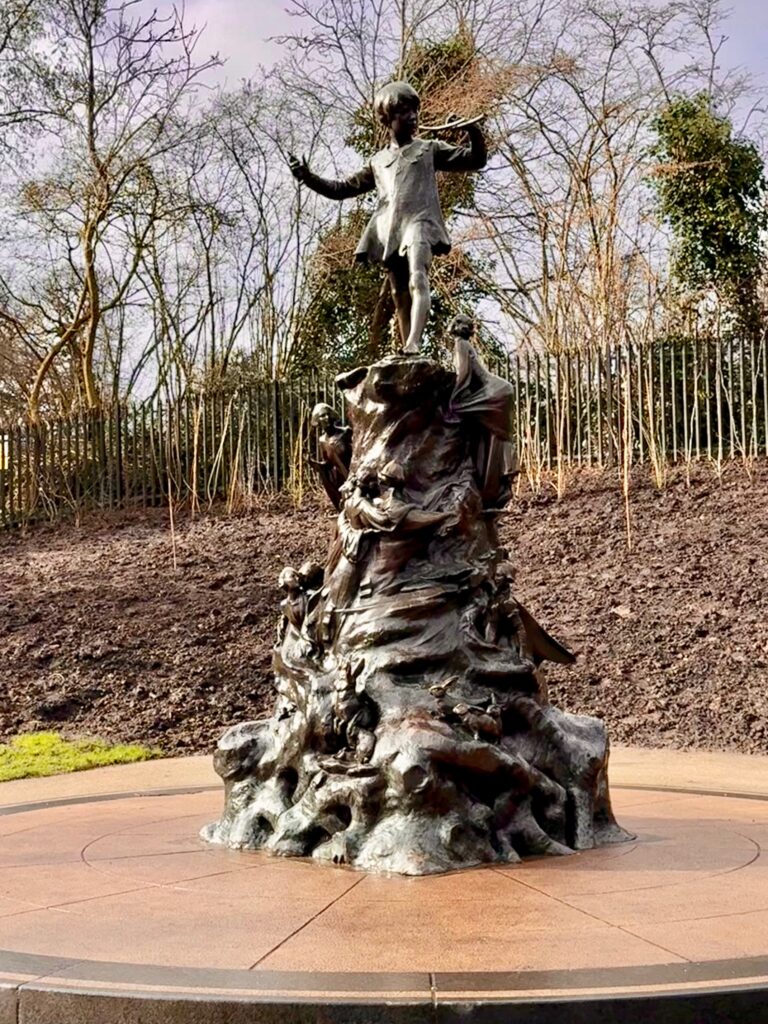
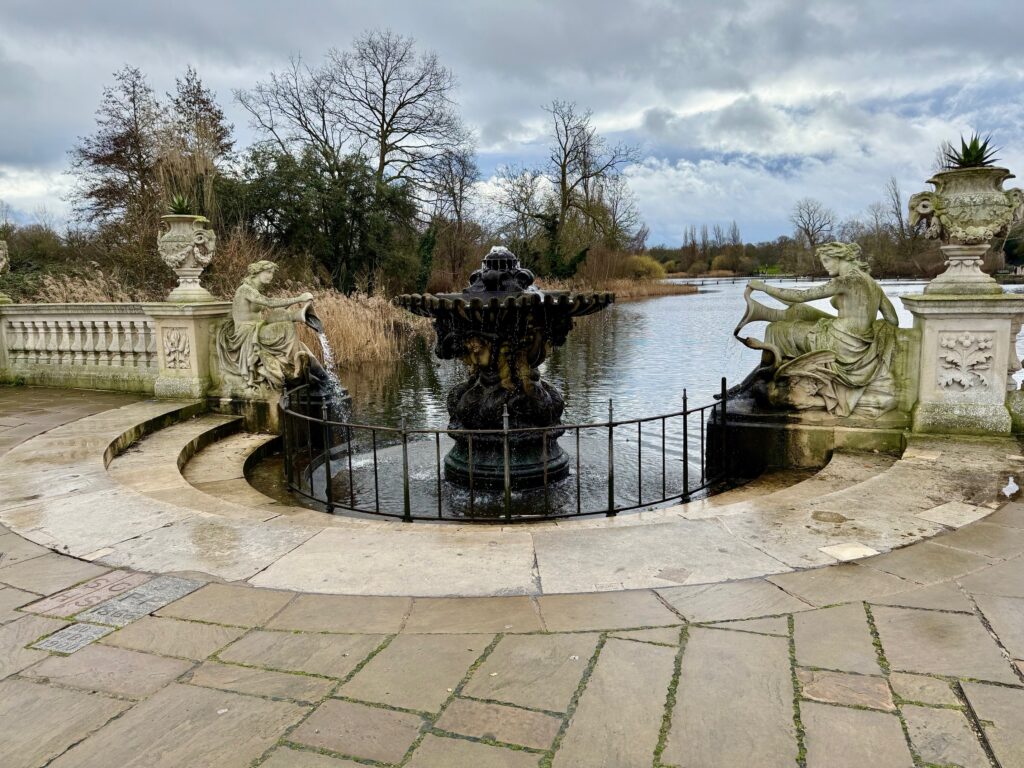
Kensington Gardens still are one of me favourite spots in London.
From hunting ground to outdoor concert hall
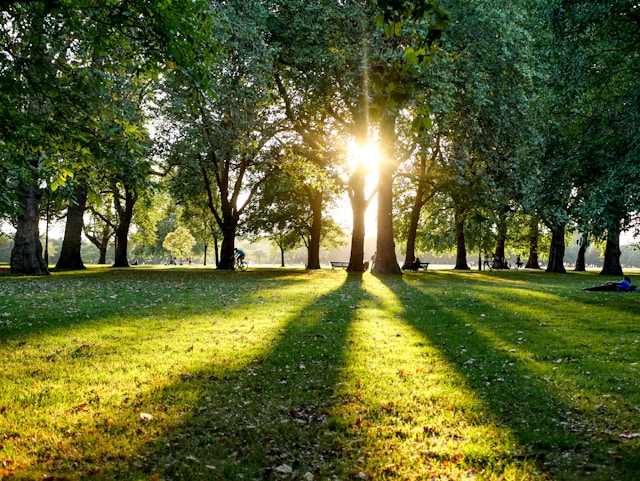
Kensington Gardens borders the large Hyde Park, where you can also see several statues and memorials. Hyde Park is besides a park also a concert and festival venue. Big names such as The Rolling Stones, Bruce Springsteen, Andrea Bocelli, Kylie Minogue and The Who performed there. But it is above all one of the eight royal parks of London. The park was founded in 1536 by King Henry VIII, for whom the grounds served as hunting land. In 1637, however, the park opened for the public.
Did you know? I always thought the name Hyde had something to do with the story of Jekyll & Hyde. Turns out: Hyde Park takes its name from the Manor of Hyde, which was once owned by Westminster Abbey before being taken over by Henry VIII in the 16th century. The word “Hyde” itself comes from an old land measurement term in Anglo-Saxon England, meaning an area of land that could support a household.
Only Royal bloods may pass
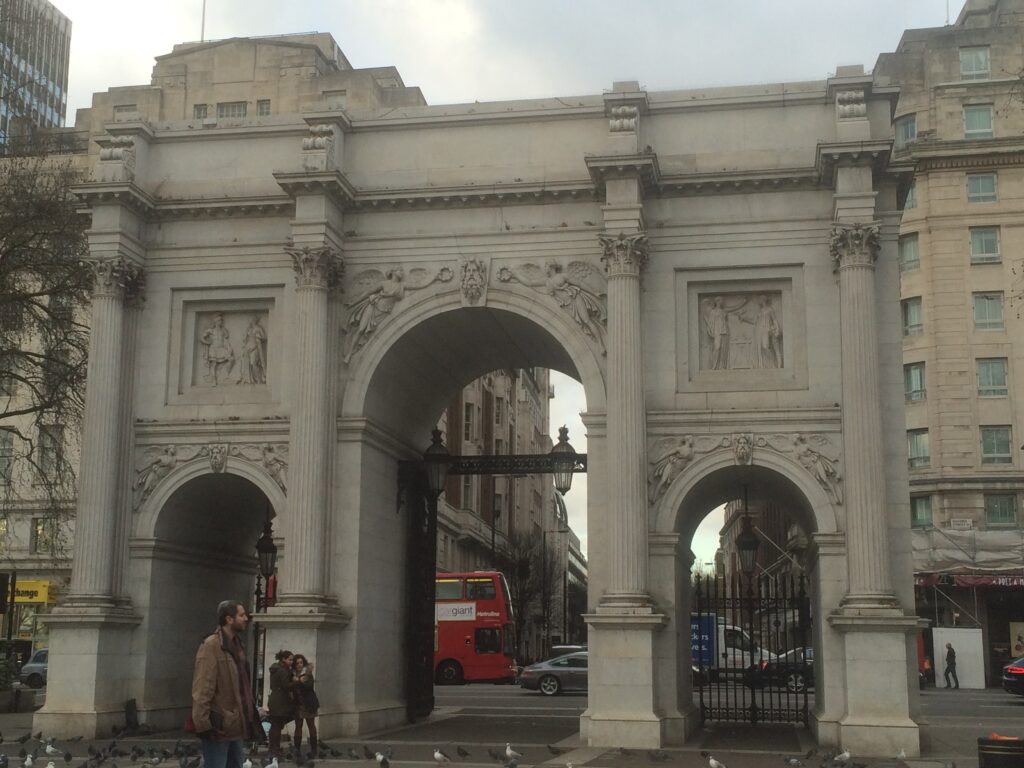
If you leave Hyde Park in a northern direction (near Speakers’ Corner), then within 3 minutes you will reach the famous Marble Arch. This white marble triumphal arch dates back to the 19th century, built by John Nash, and was meant to be a counterpart to the triumphal arch in Rome, the Arch of Constantine.
Fun facts:
1) The gate was originally intended to provide access to Buckingham Palace via The Mall.
2) In 1851 it was moved to its current location, because (so the story goes) the Royals’ coach could not pass through the arch.
3) Traditionally, only people of royal blood may pass through the arch.
4) In the past, the rooms inside the arch were used by the police to keep watch over the park.
The residence of the ravens
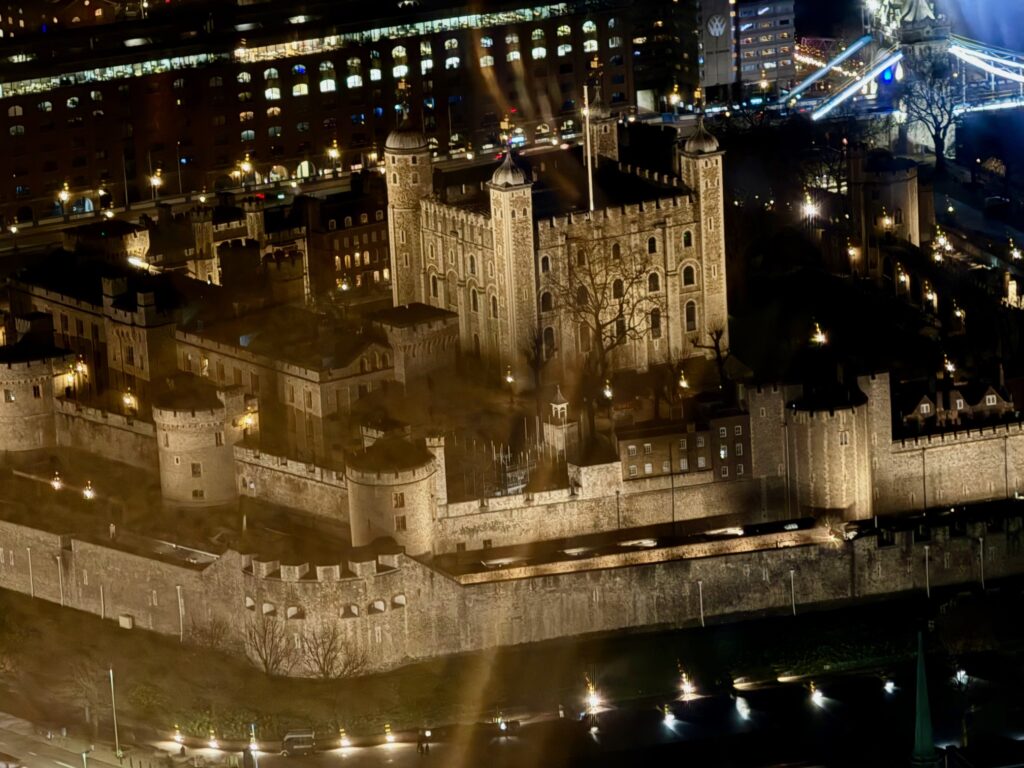
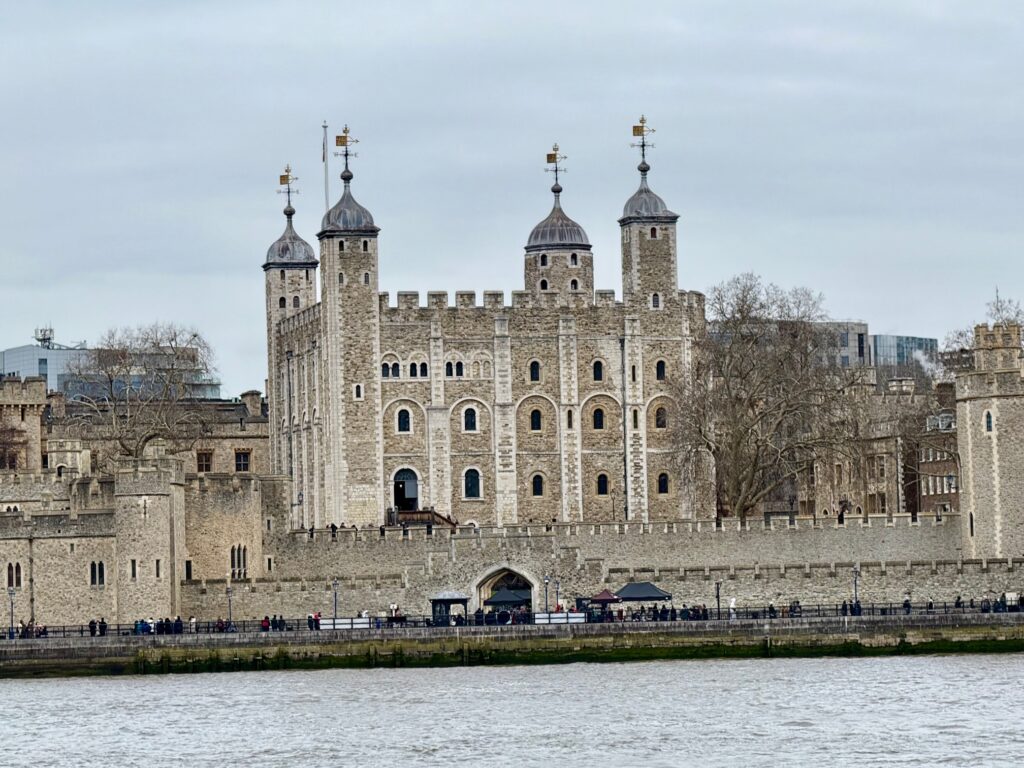
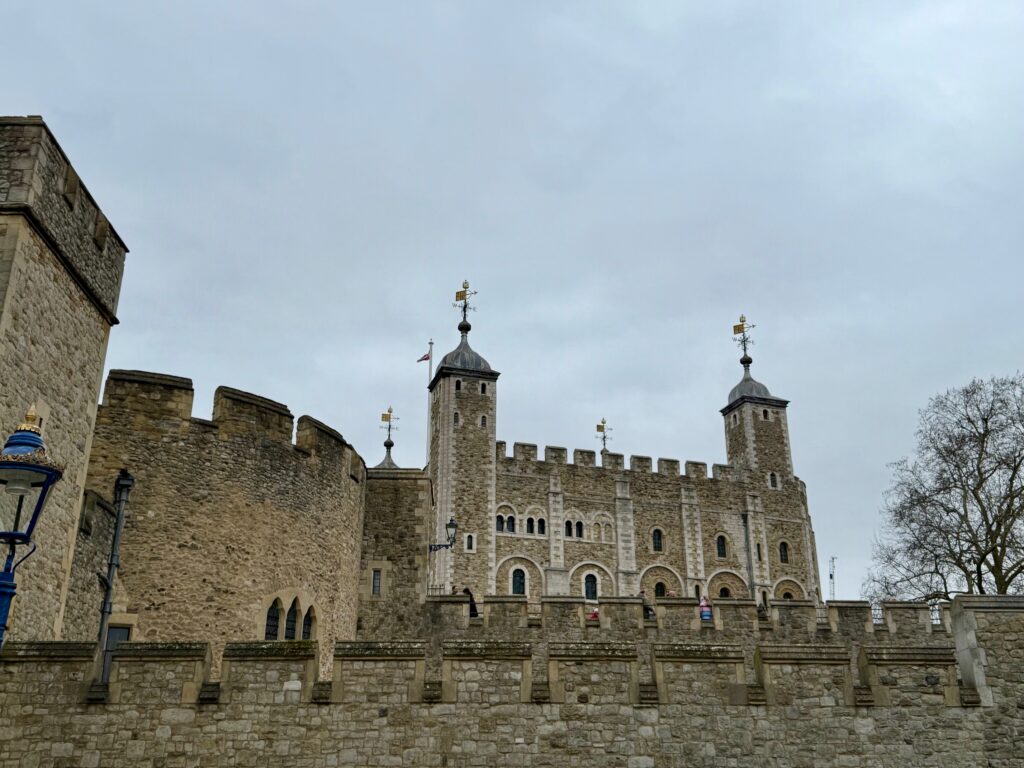
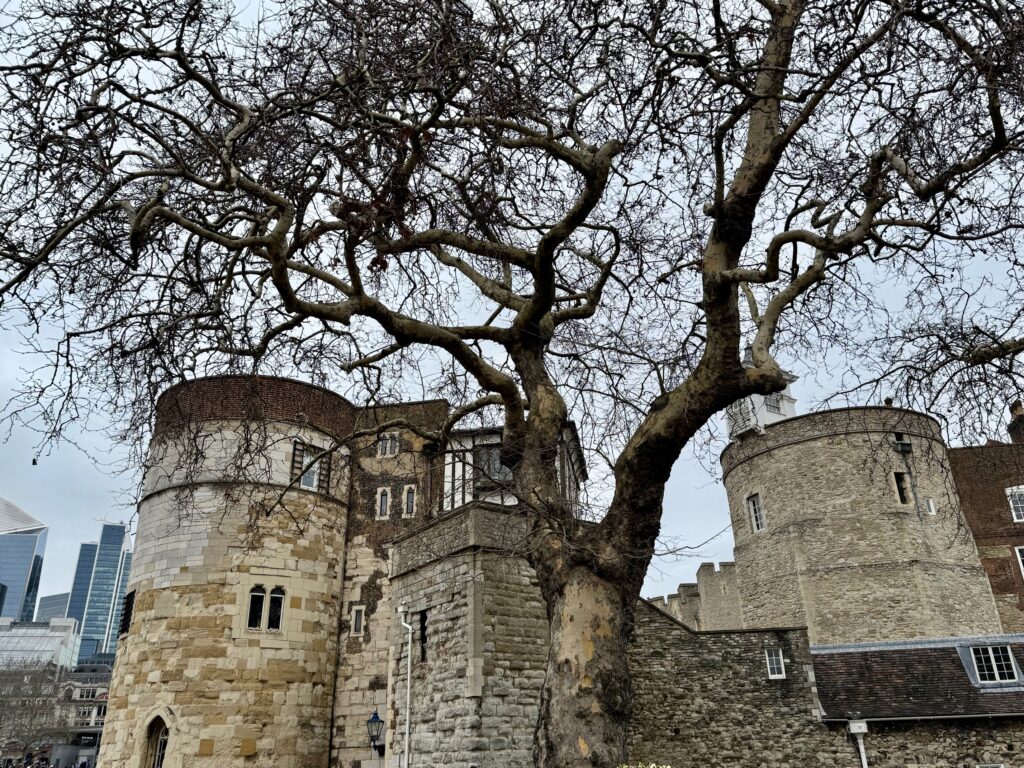
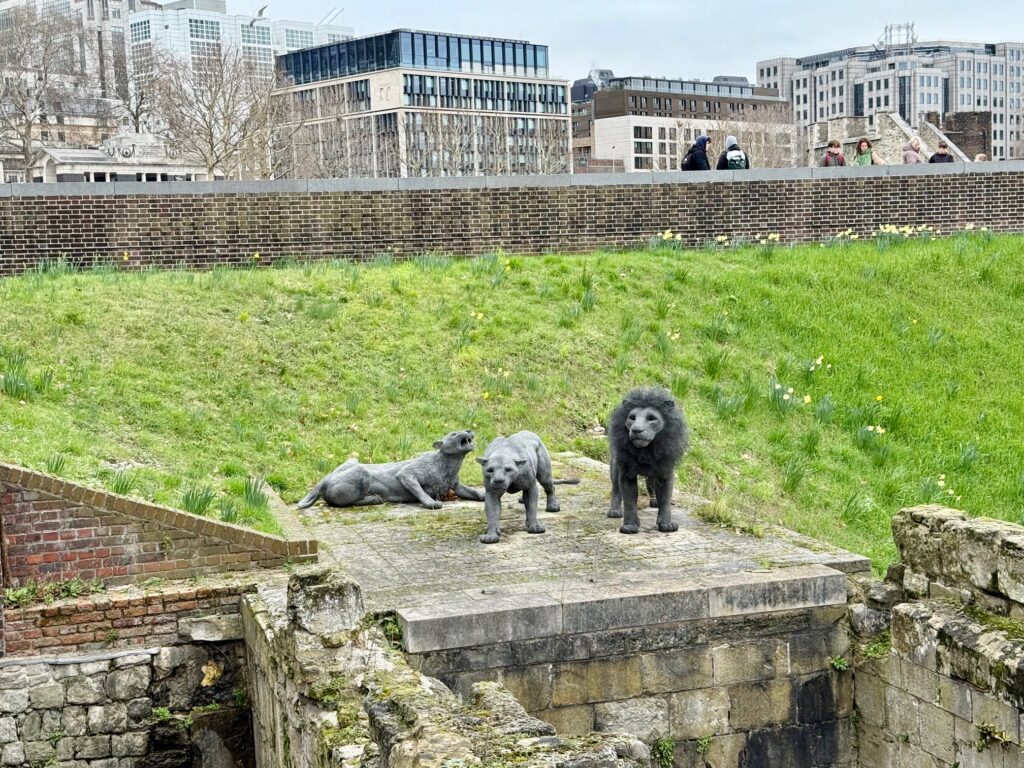
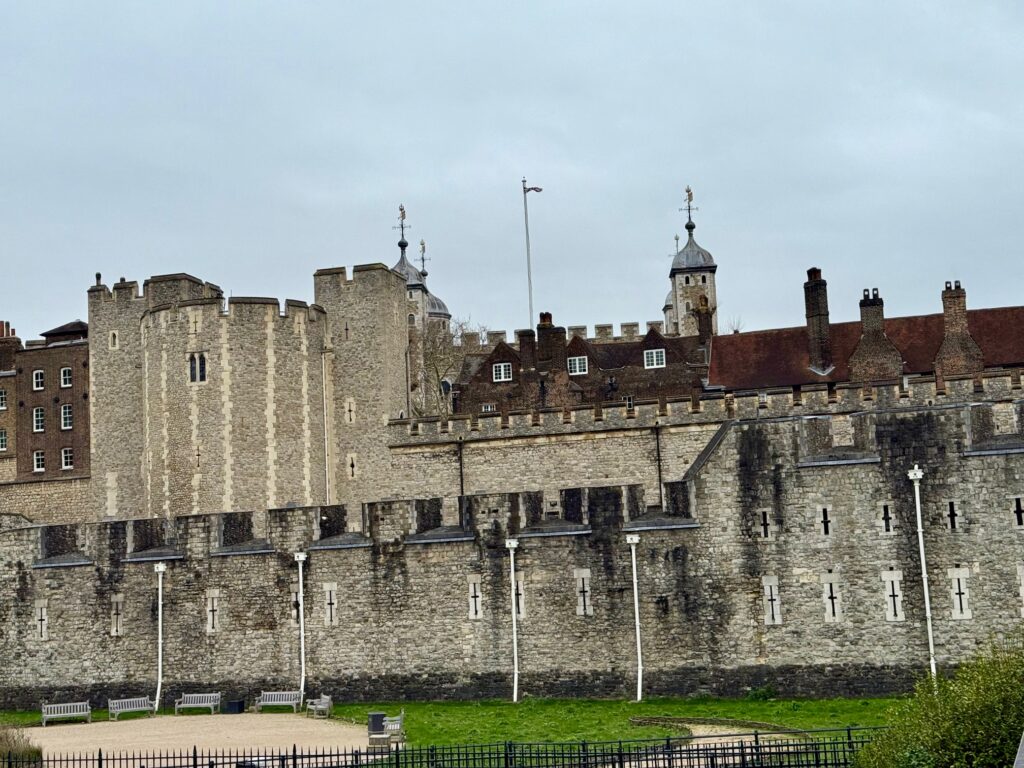
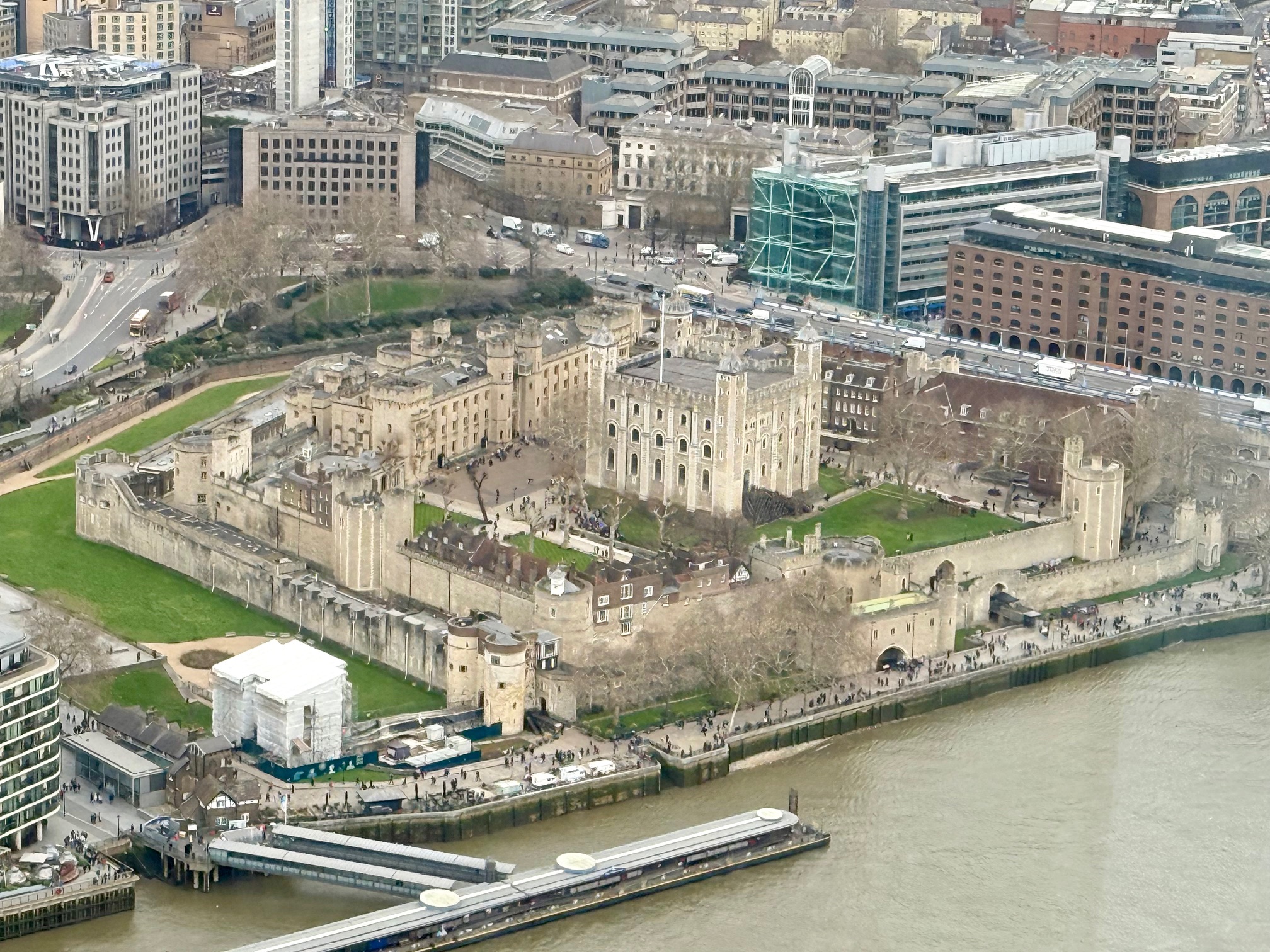
The Tower of London was built in the 11th century by William the Conqueror. The complex was meant to serve as a castle for the monarchs, and so an impressive fortress with no less than 20 towers was built (so why the thing is called the Tower instead of the Towers… only God knows). Soon the complex served more as a prison, where also famous executions took place. If you book a tour at the Tower you immediately discover the ravens, and man, are they absurdly big! Real mutants. Apparently those ravens have been there for centuries, and the story goes that as soon as the ravens ever leave, England and the Tower of London will fall. That is why King Charles II decreed by law that at least 6 ravens must live at the castle.
Fun fact: There is still a Raven Master living at the castle today to clip the ravens’ wings so they cannot fly away.
Not as old as it looks
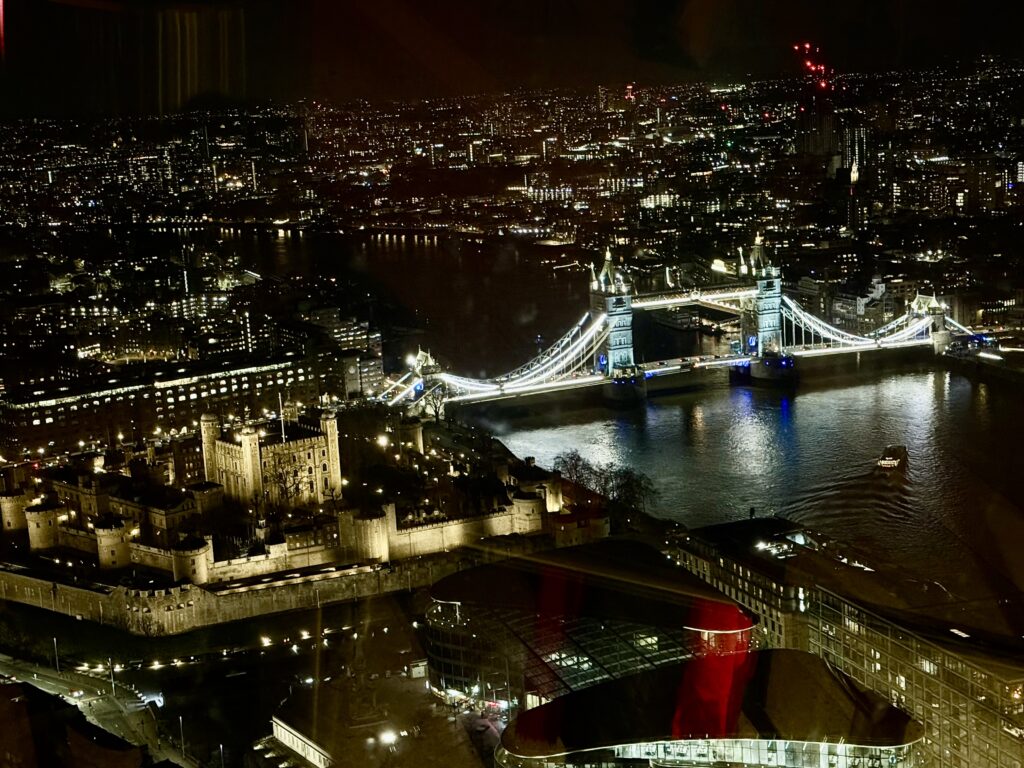
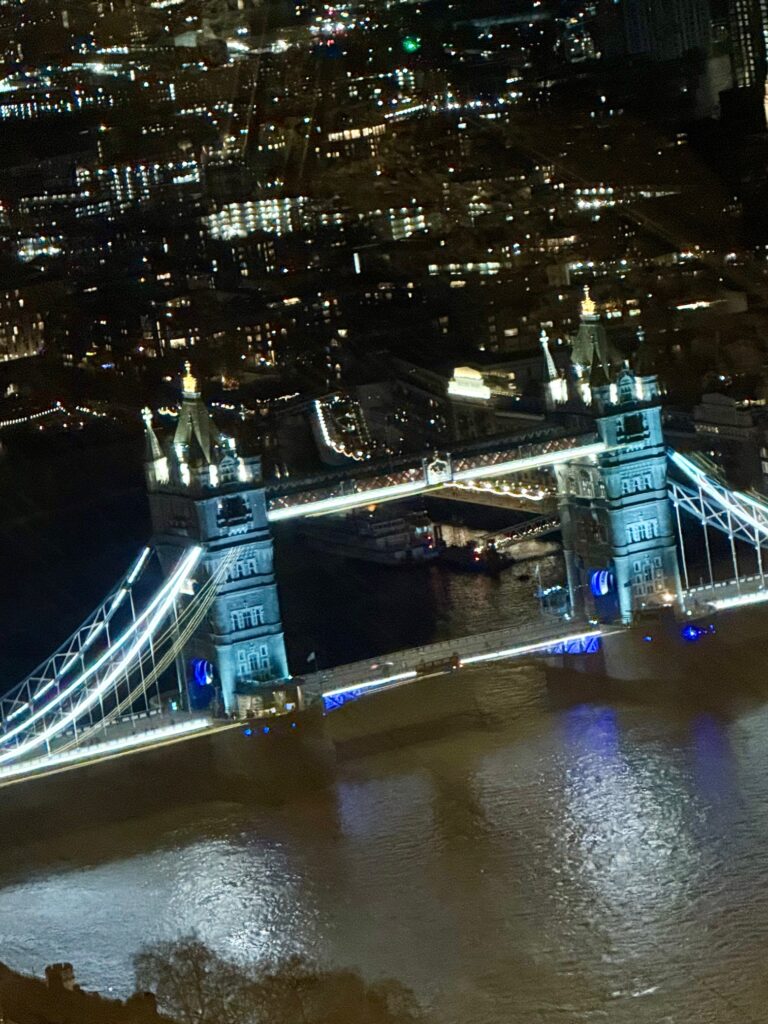
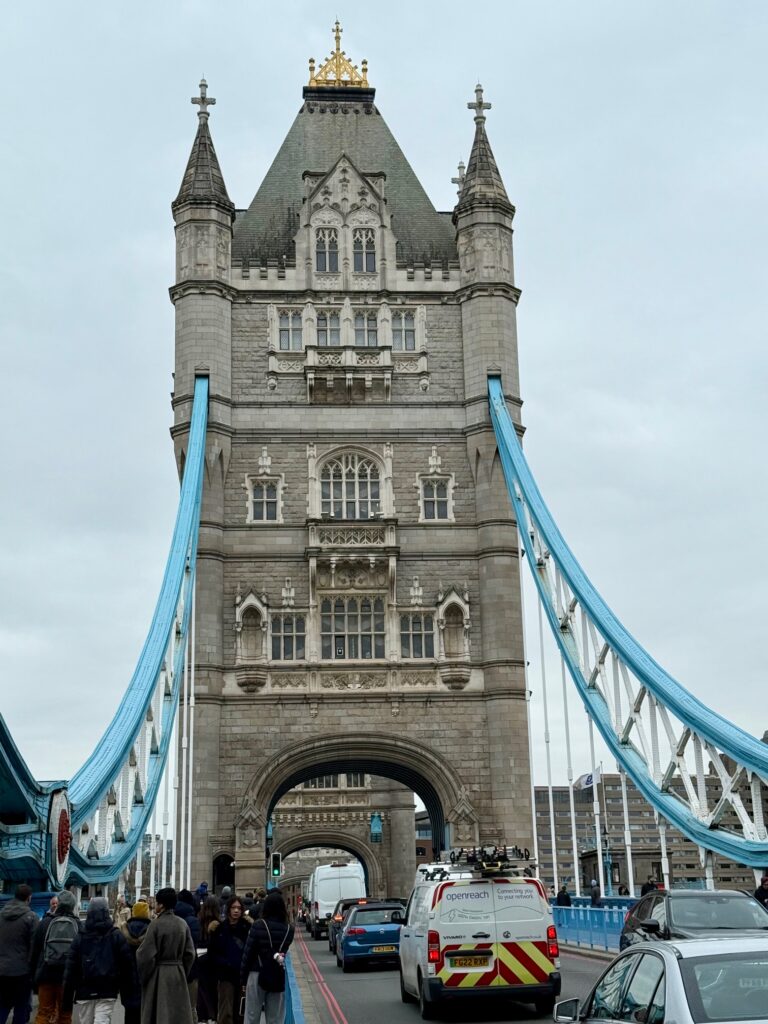
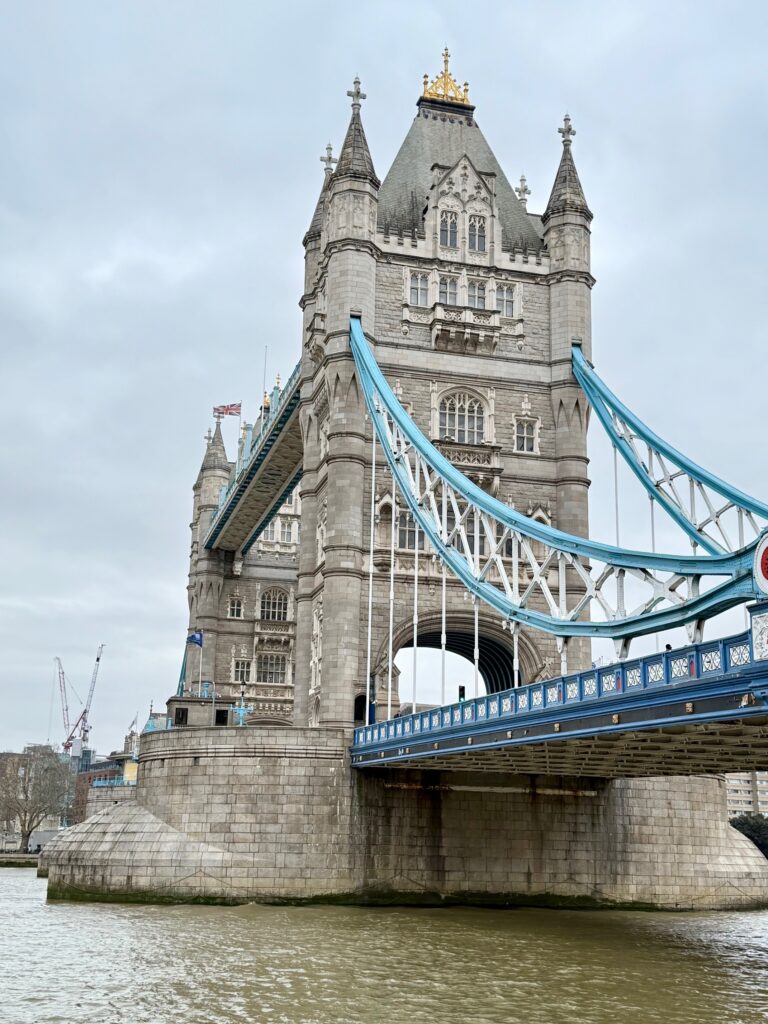
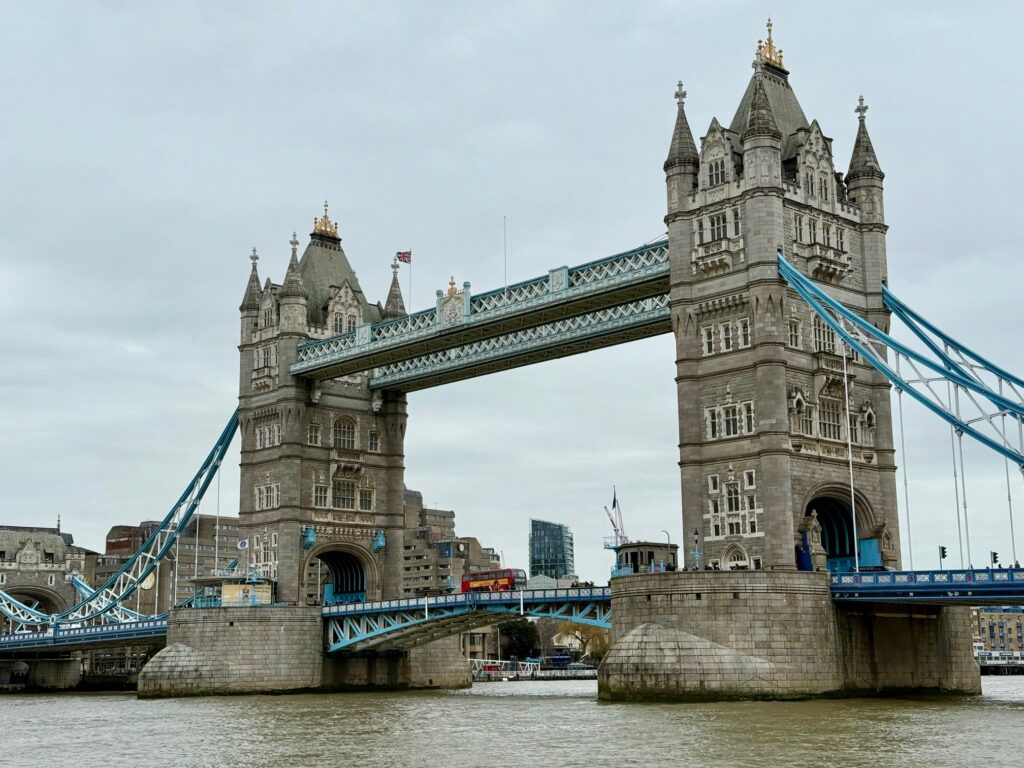
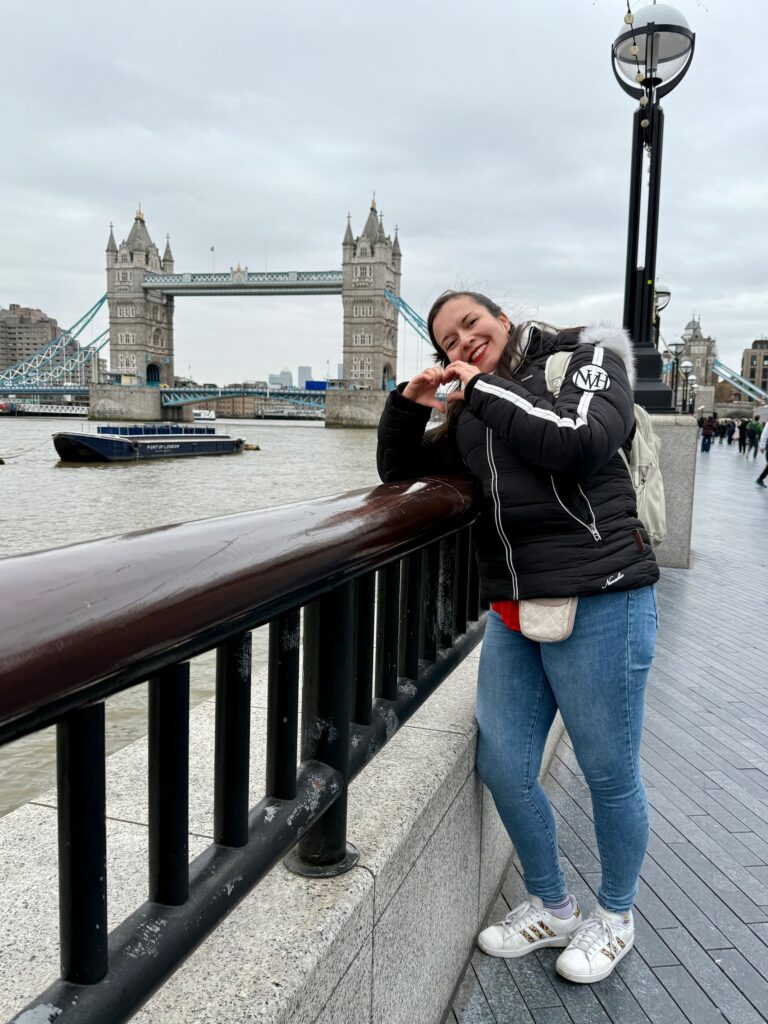
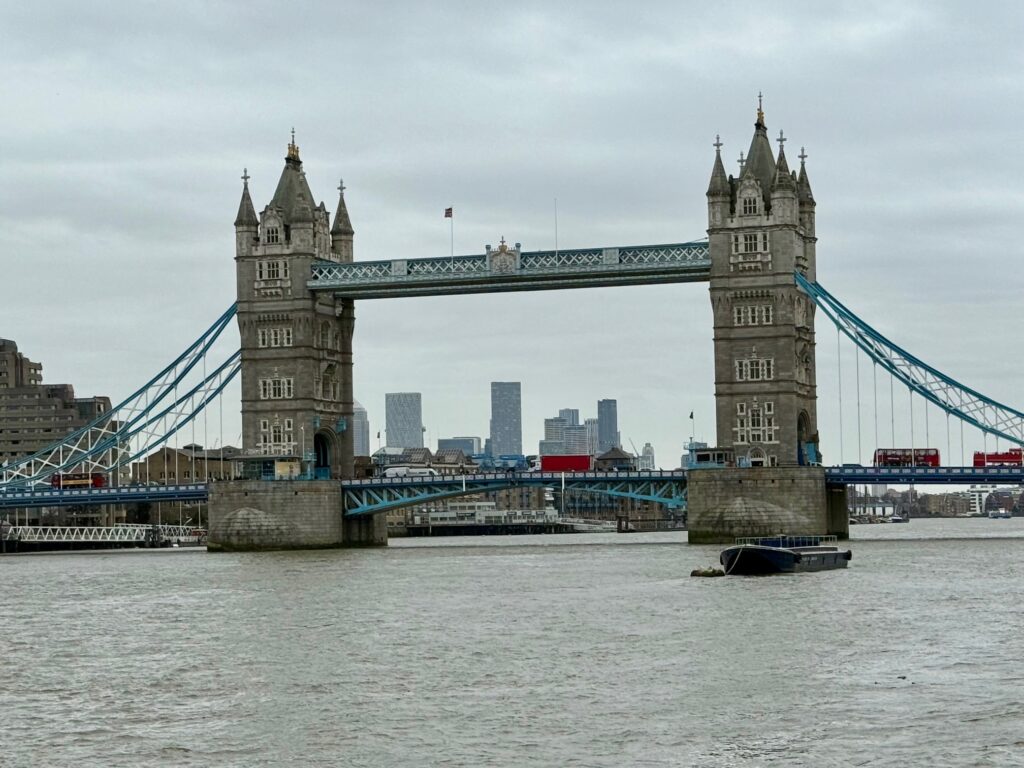
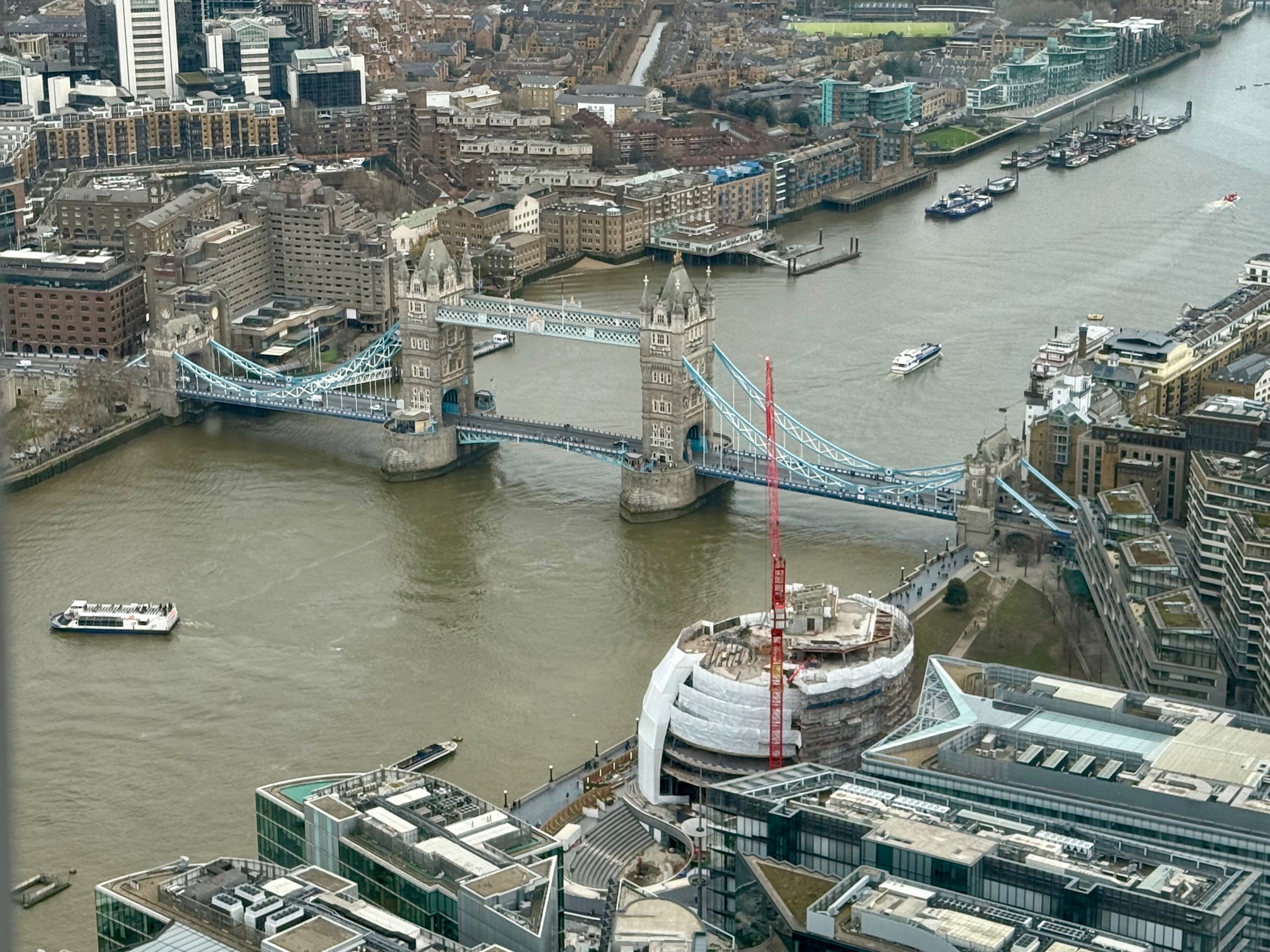
Just like the Tower of London, Tower Bridge is also in Tower Hill and if you walk past the Tower you will immediately see Tower Bridge. Personally, it’s my favourite in the entire city: and for me even the most beautiful bridge in the world (sorry, to the brooklyn bridge or Ponte Vecchio, but nothing can beat the Tower Bridge). The bridge was officially opened in 1834 and feels to me like a bridge that connects old with new. On one side of the Thames you have classics like the Tower of London and on the other bank modern buildings, such as The Shard and The Old City Hall.
Tower Bridge, however, looks older than it is, and that’s because of Queen Victoria’s idea that the bridge should not clash with the Tower of London. The towers were therefore first constructed out of steel, after which granite and limestone were used to cover the steel. The bridge eventually became 244 metres long and the two central towers are 65 metres high and can also be visited from the inside with an admission ticket. When I went inside, for example, there was an exhibition about the most famous bridges in the world.
Note: If you are already inside the bridge for the exhibition, then experience the bridge as it should be experienced by also walking over the glass floor above the traffic at a height of 42 metres to the other side of the bridge.
Swiftie’s Valhalla
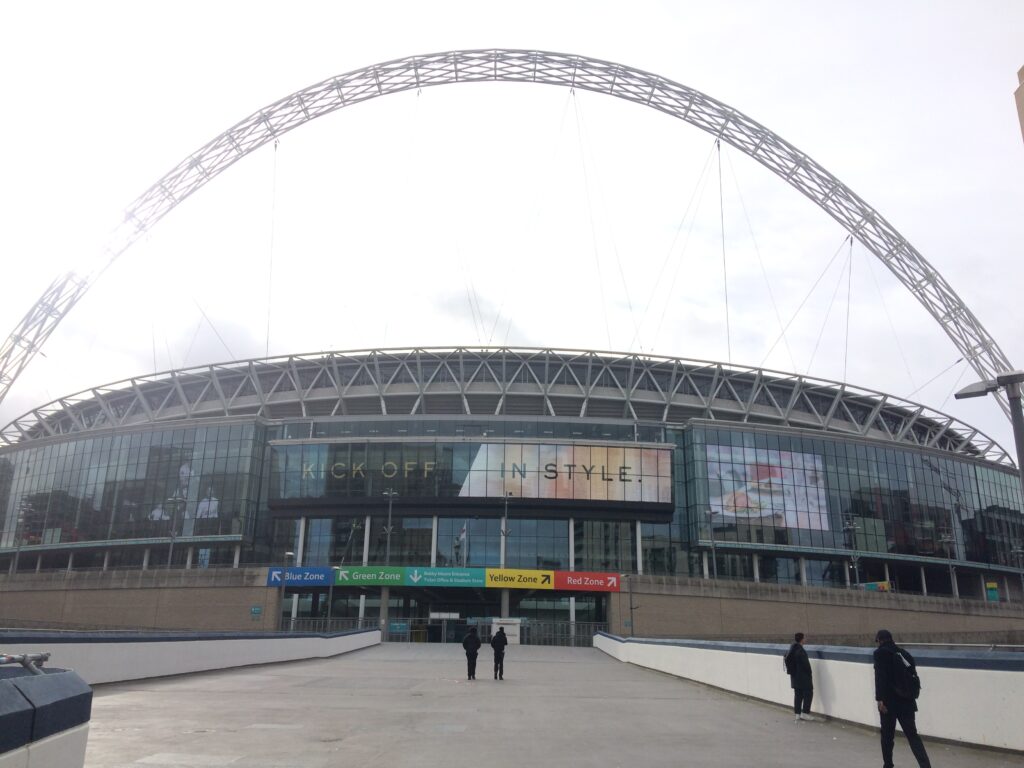
For the Swifties among us, the name Wembley Stadium is not unfamiliar. It was the location where Taylor Swift gave no fewer than three performances in June 2024 and another five performances in August of that same year. So long London! Although Wembley will always be known to me as Swift Walhalla, the stadium is of course more than just a concert hall.
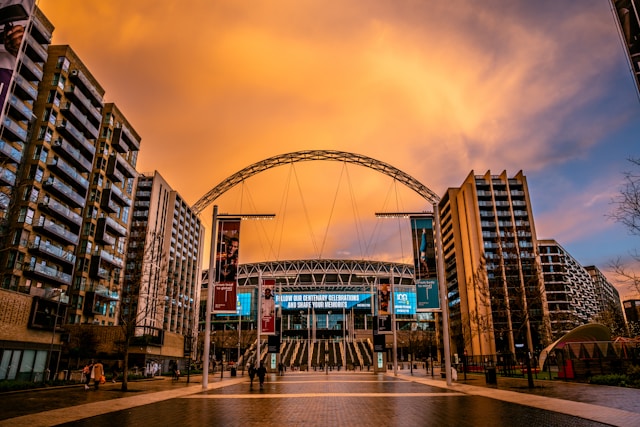
The stadium was opened in 1923 and was then called Empire Stadium (no, not Empire State , that’s across the big pond). Back then, the stadium had two towers, but unfortunately it was closed in 2000. Afterwards, a new stadium was built: with a capacity of 90,000 spectators and the possibility of being covered. The national team of England plays in the stadium and it also hosts the finals of the League and FA Cup.
A joy for everybody
I’m not a football fan, but with my ex-partner I did wander around some stadiums. And I must say: Wembley has always stuck with me. It lies in a new, interesting area and it’s just so immensely big. The indoor museum is definitely worth a visit too, as you can see which other big names have performed at Wembley, such as George Michael, Metallica, Foo Fighters, Muse, U2, The Killers, One Direction, Coldplay, Adele and BTS (to name just a few).
Note: if you go there, don’t forget to take a picture with English Captain Bobby Moore, the captain of the English national football team that became world champion in 1966.


Quite an expensive dome
I am not someone who (despite my Catholic background) can often be found in churches for mass or service. On the other hand, I am someone who always has to see the local churches and cathedrals on holiday, like the Pantheon in Paris of St. Patrick’s in NYC. So St Paul’s Cathedral cannot of course be missing from this list. I had seen the imposing, baroque exterior several times before I finally gave in and paid the expensive entrance fee to go inside. The interior of the church is richly decorated with mosaics, statues, paintings and various other beautiful ornaments.
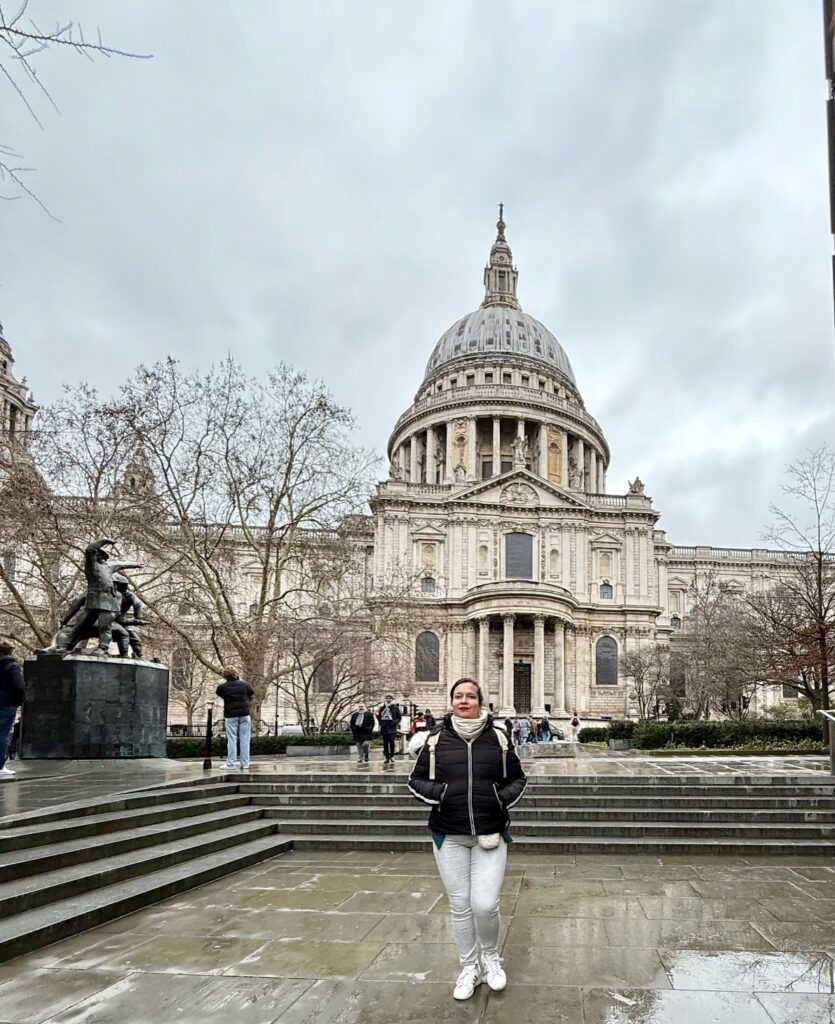
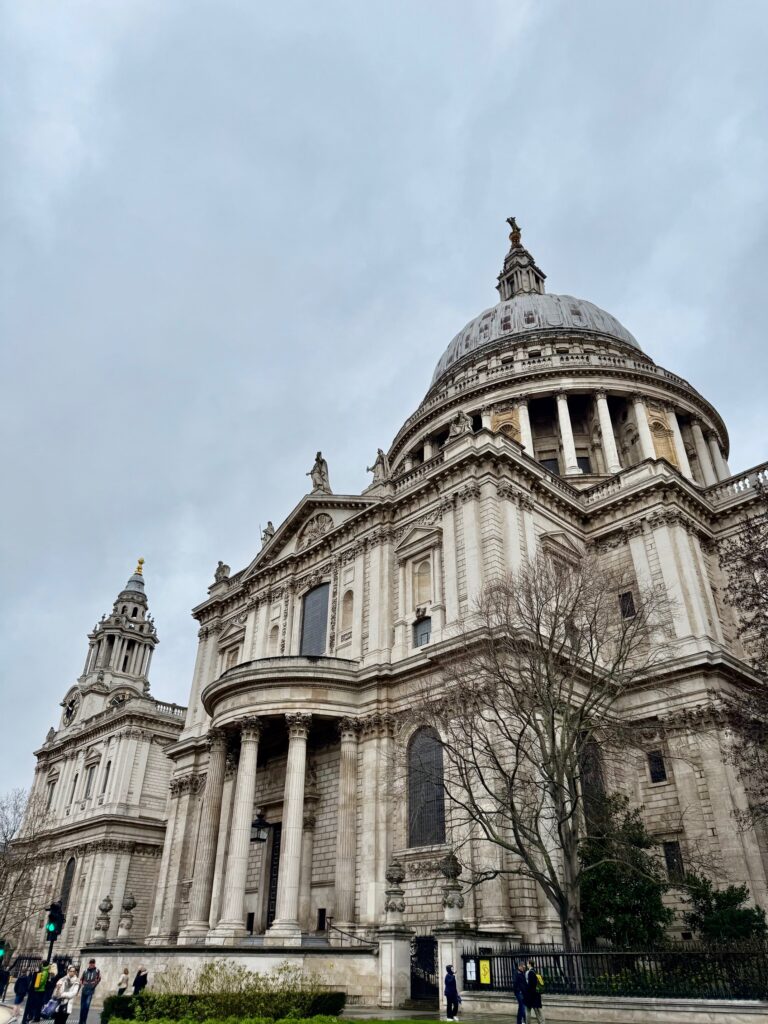
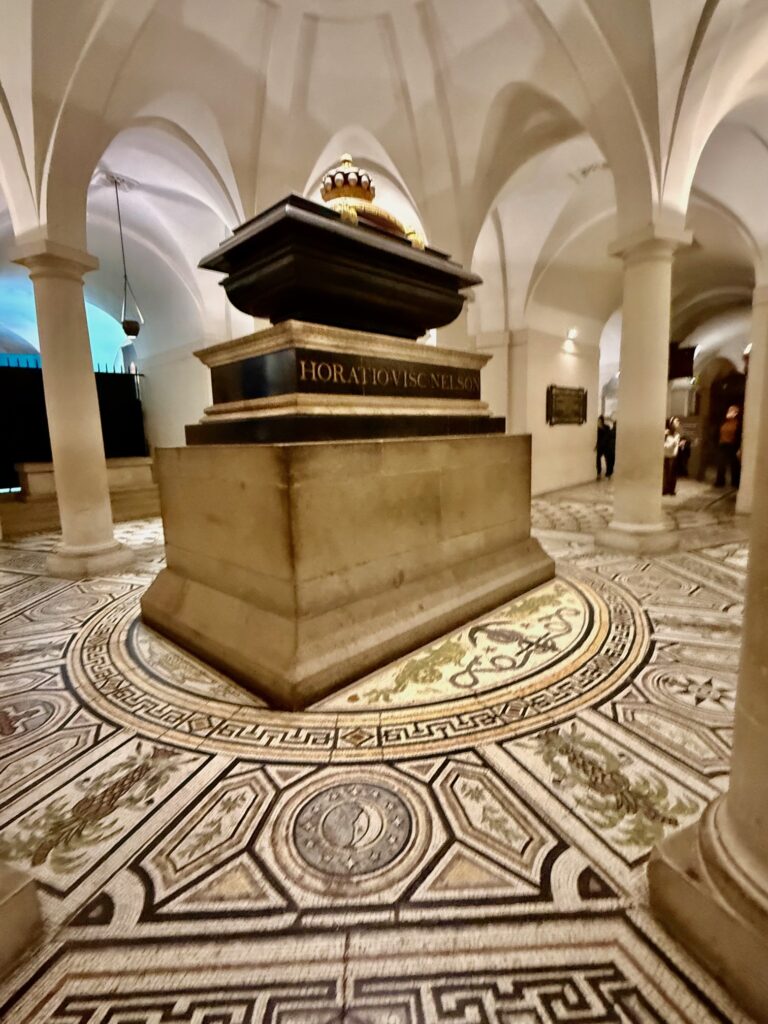
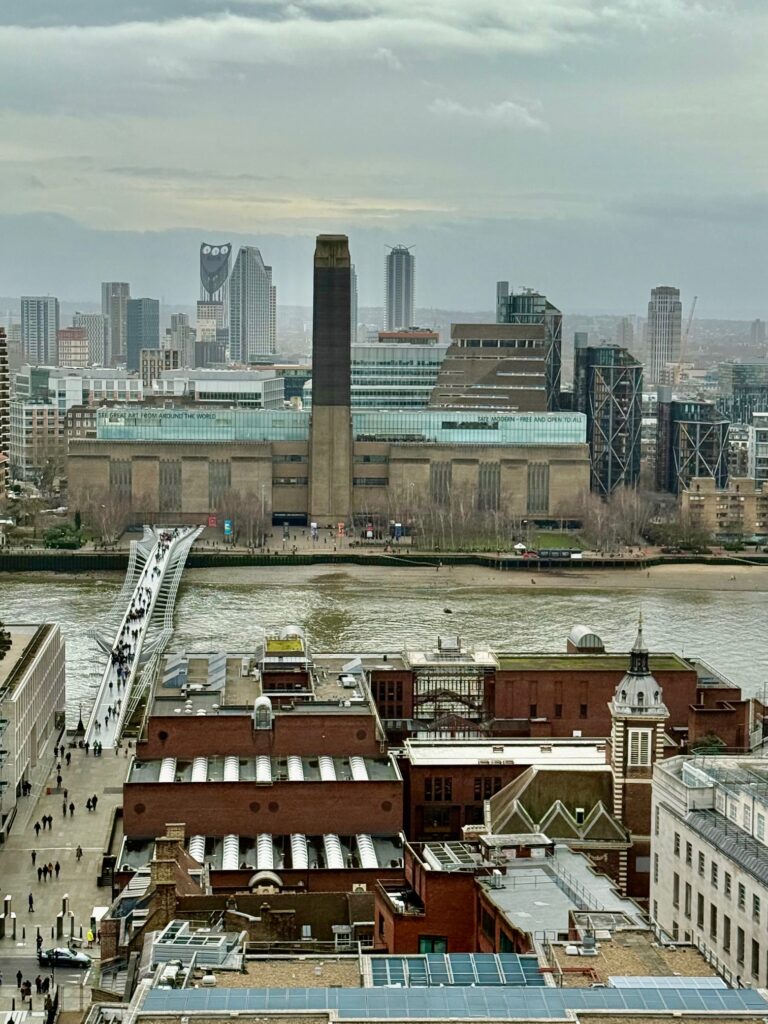
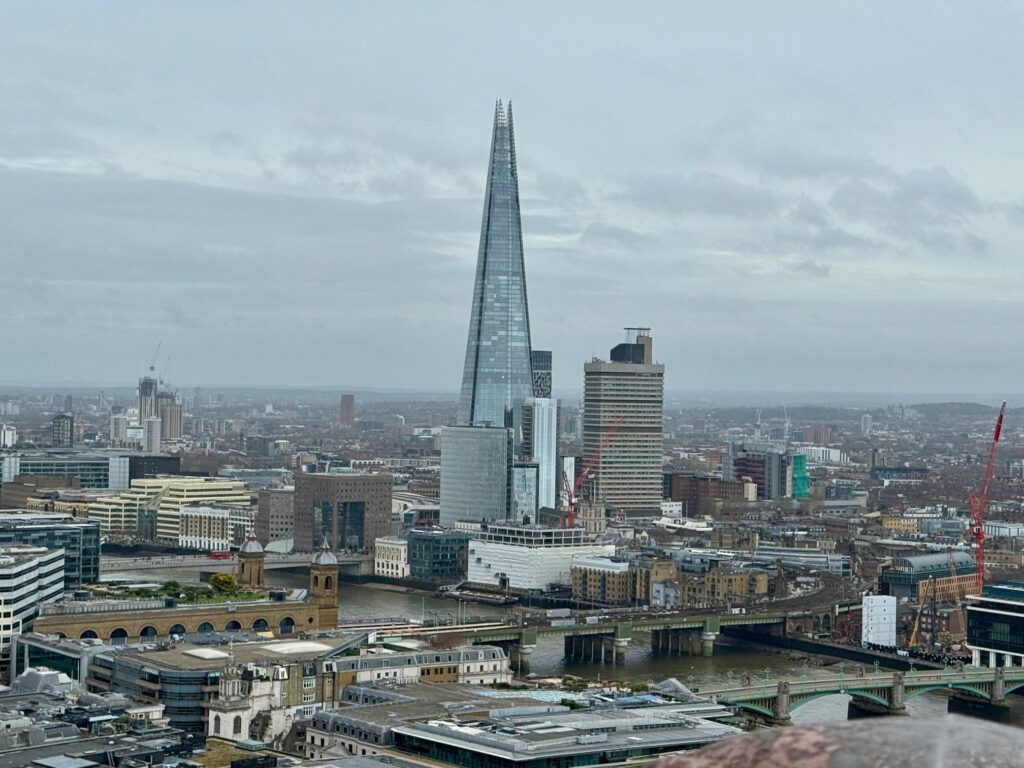
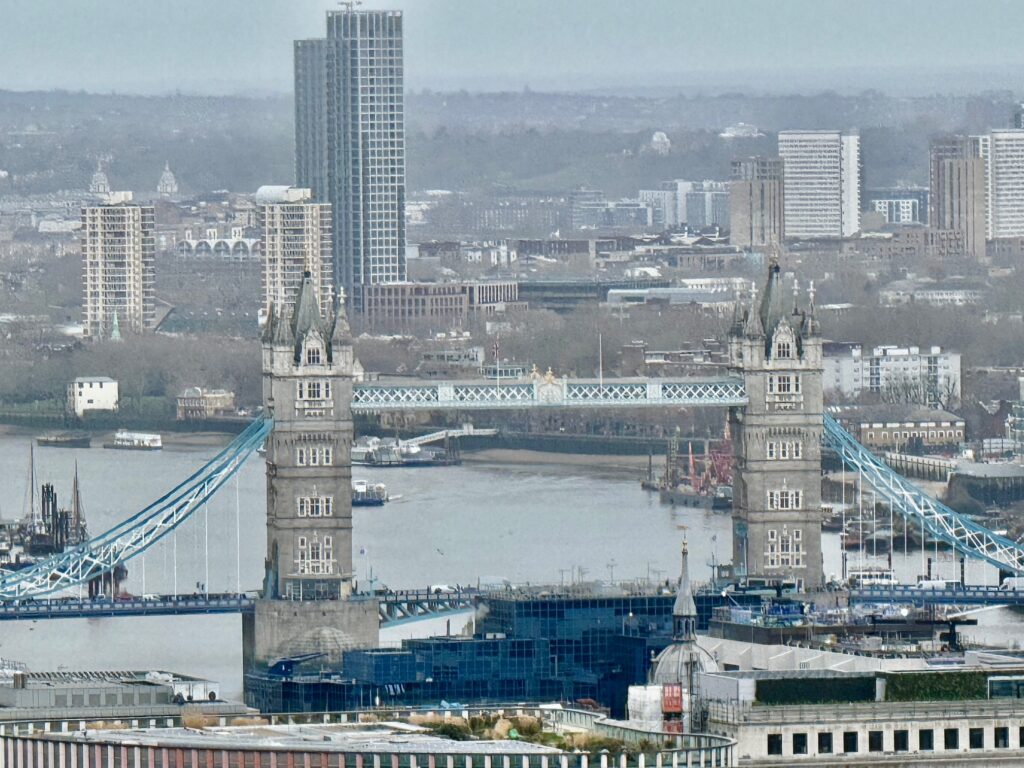
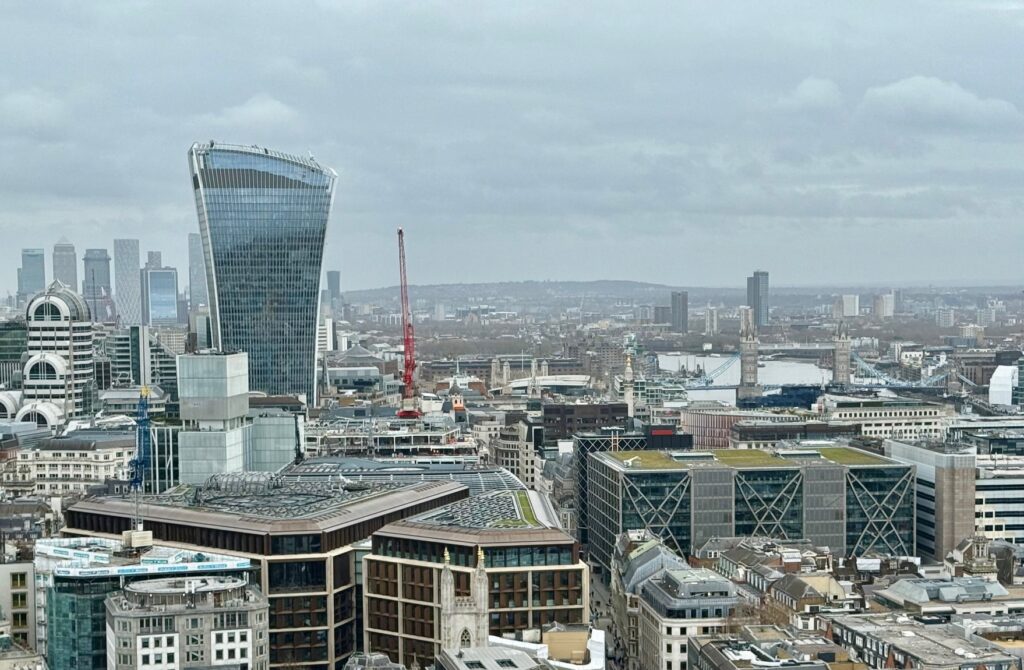
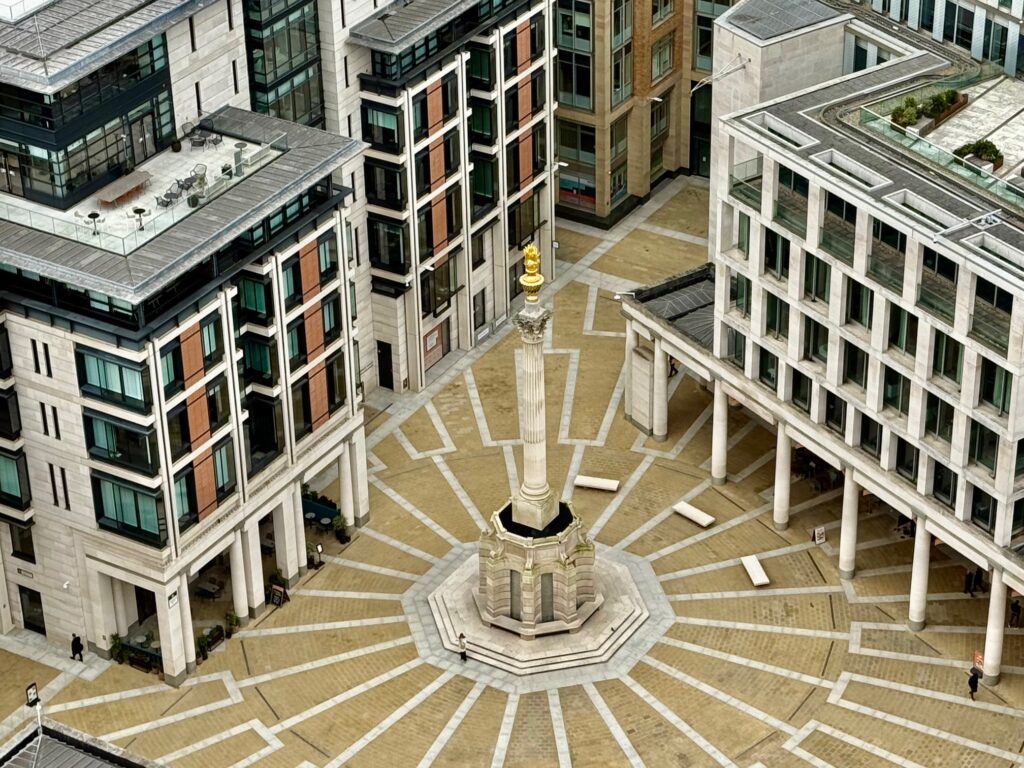
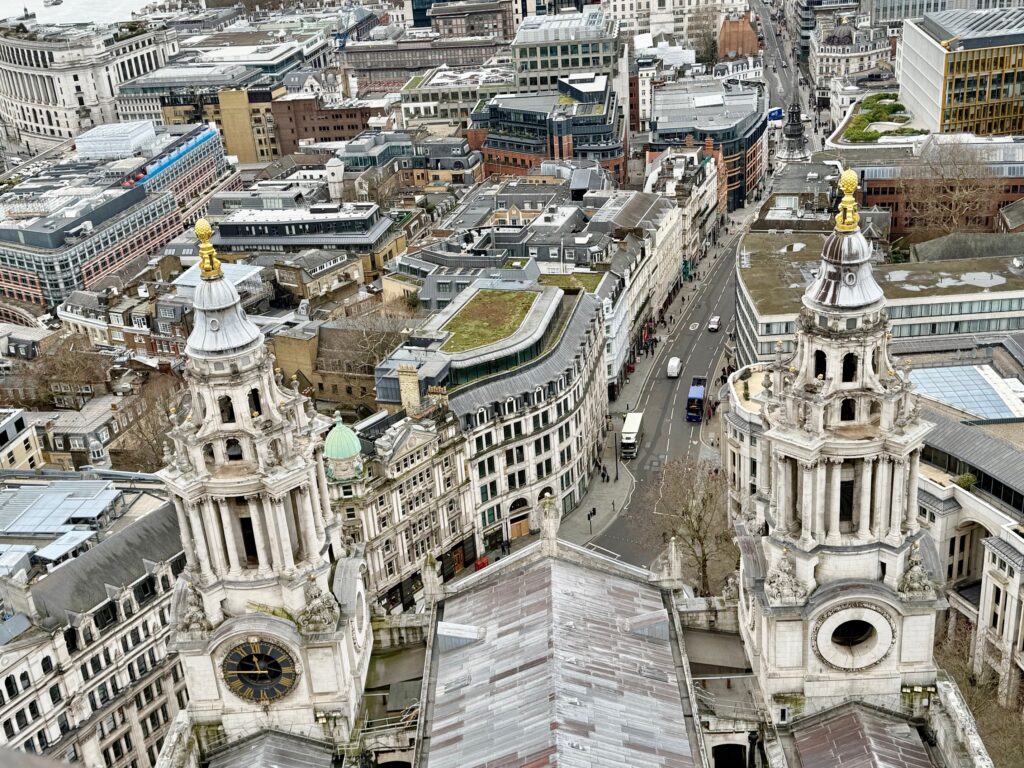
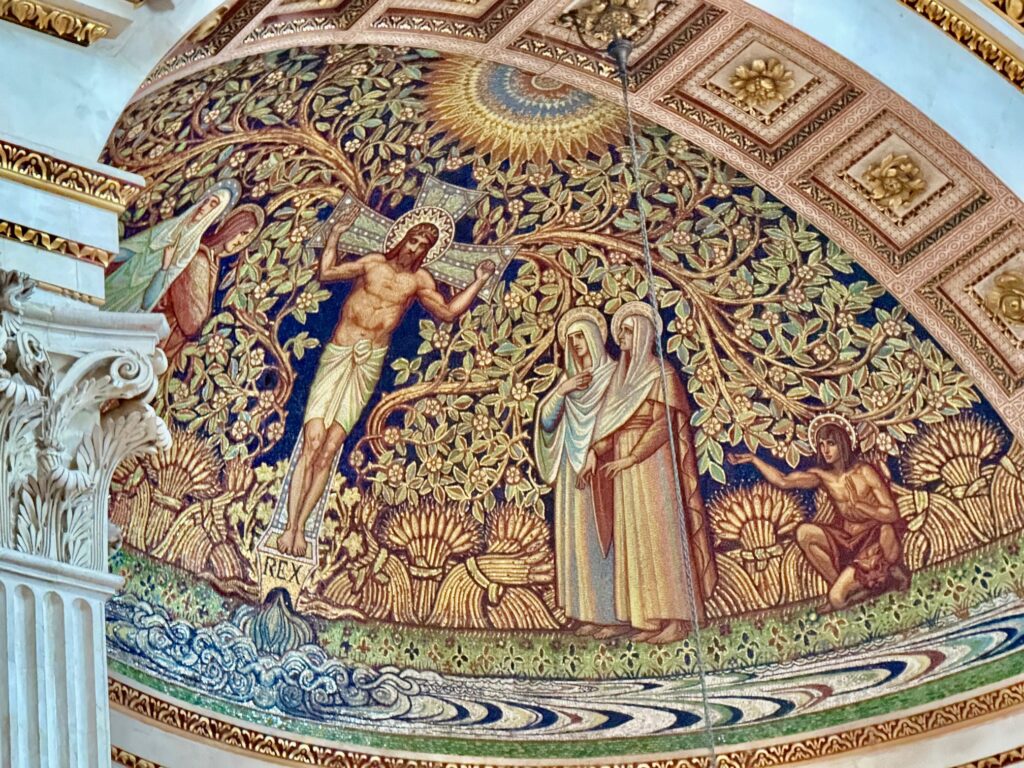
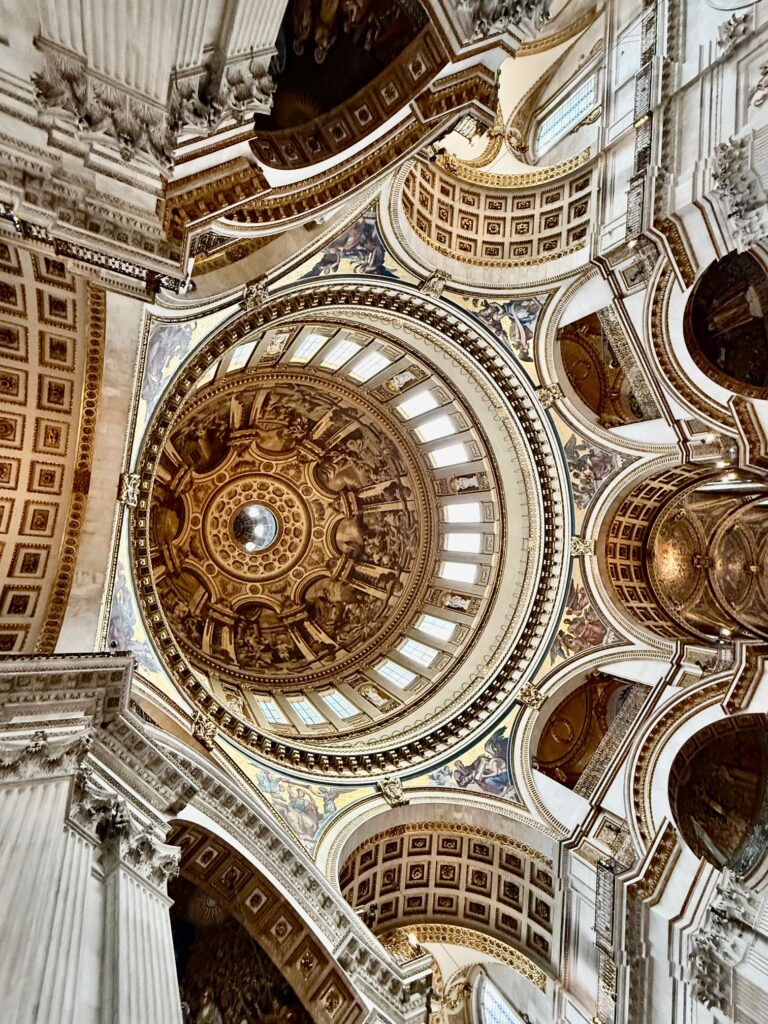
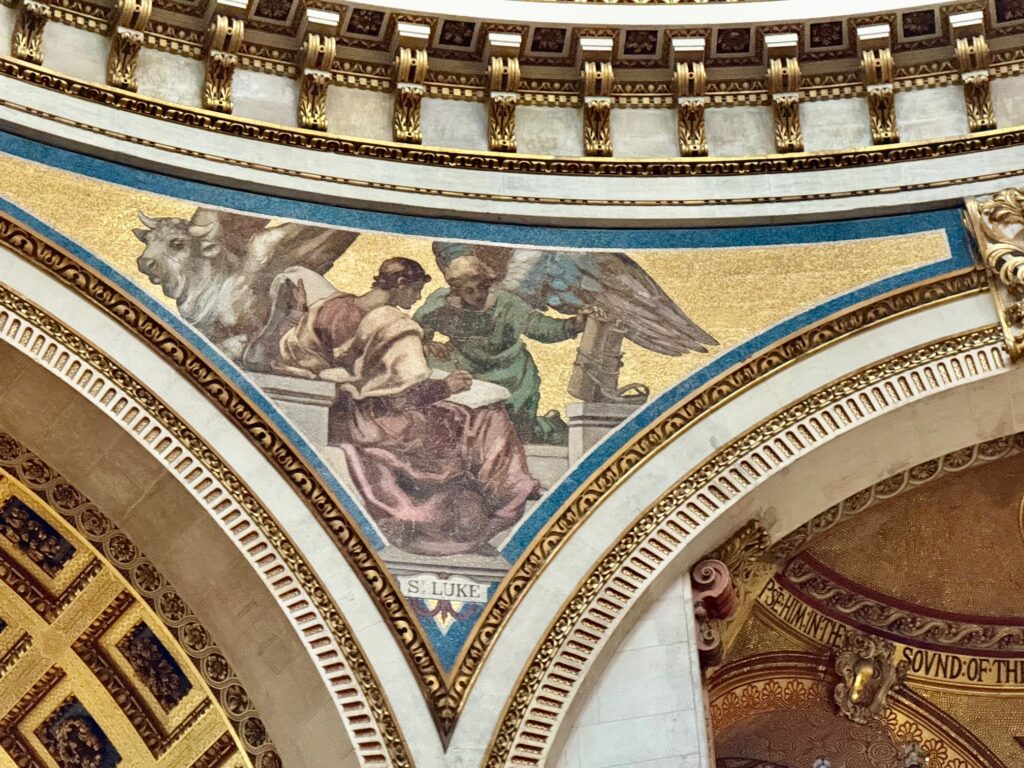
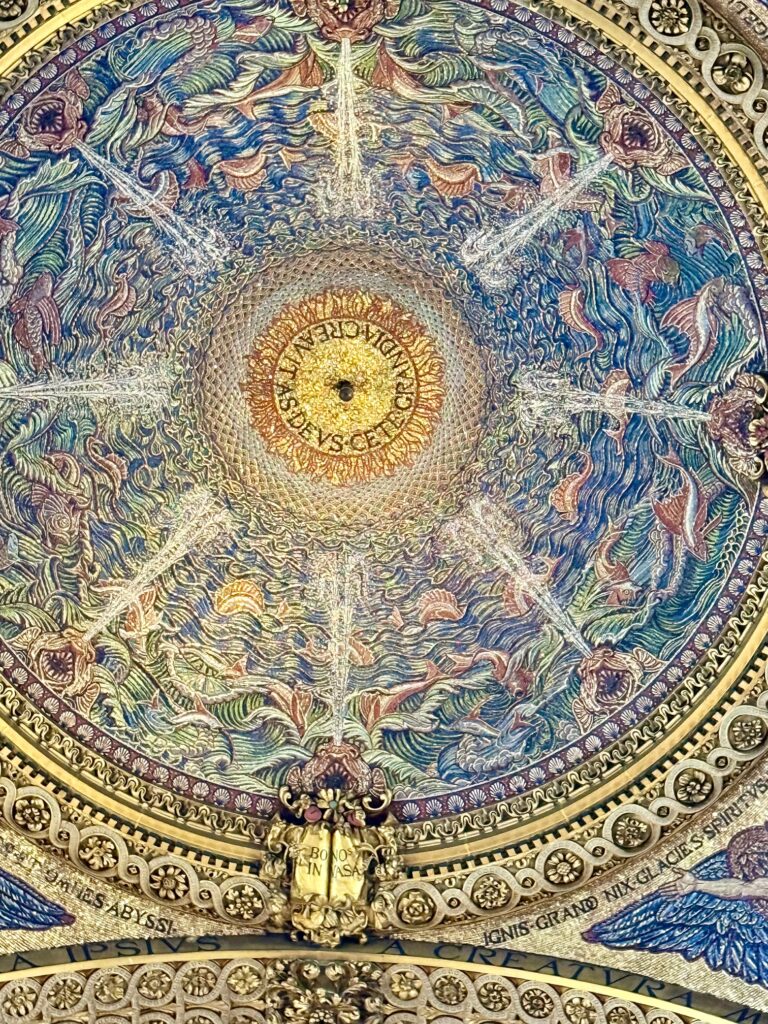
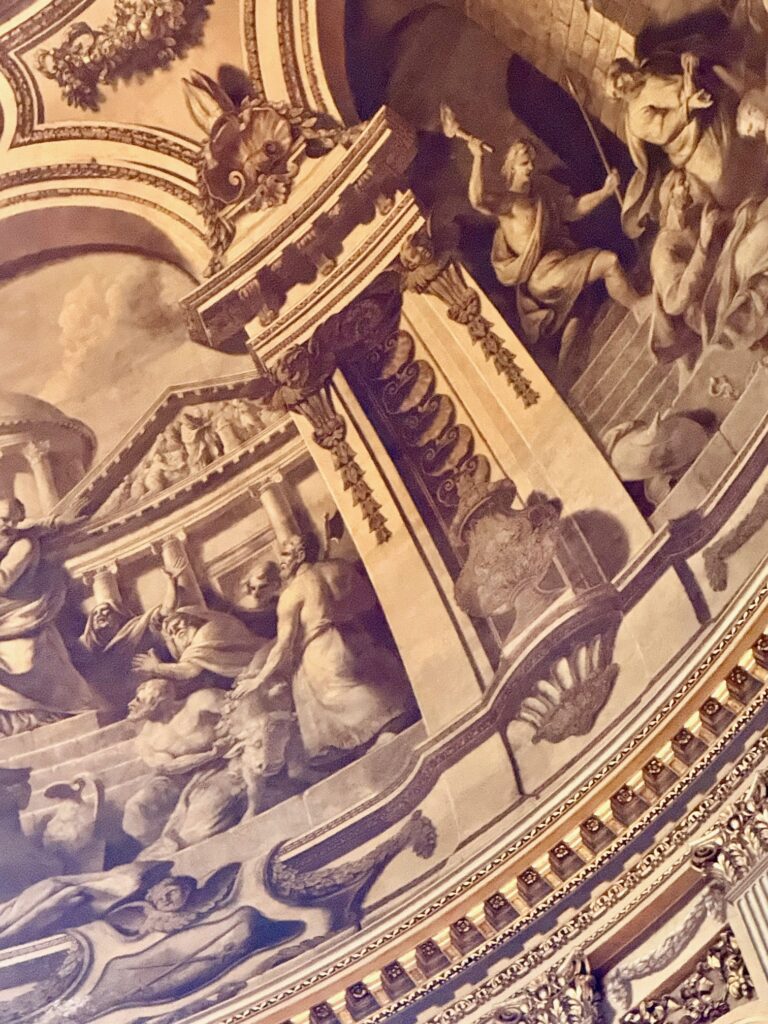
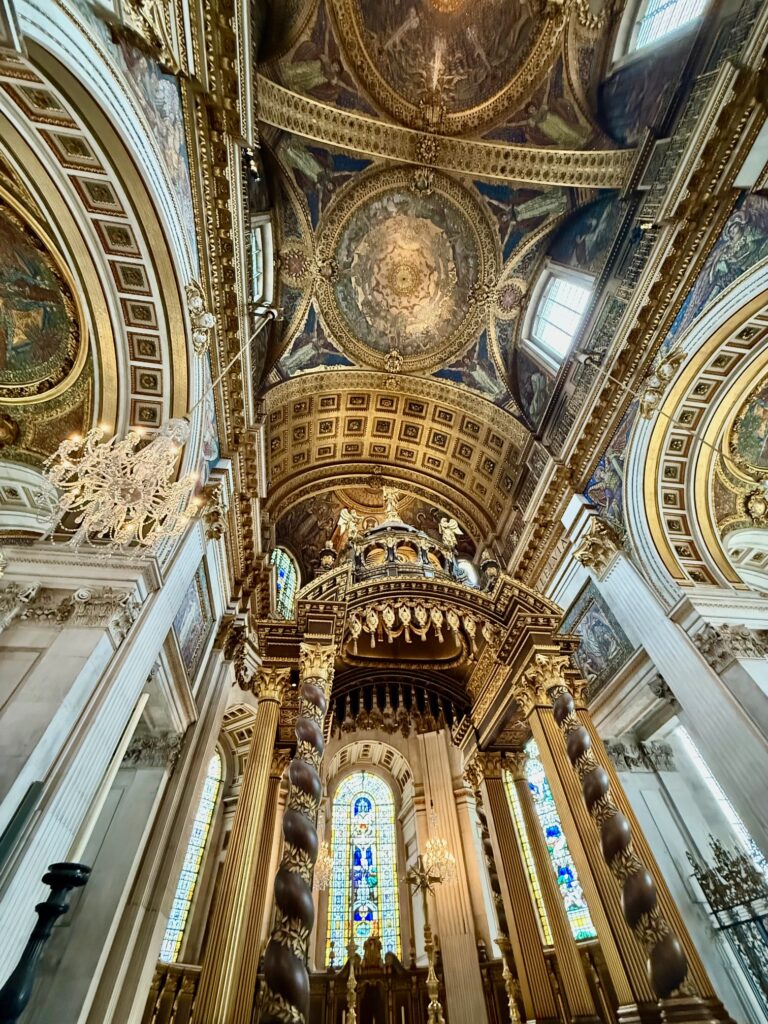
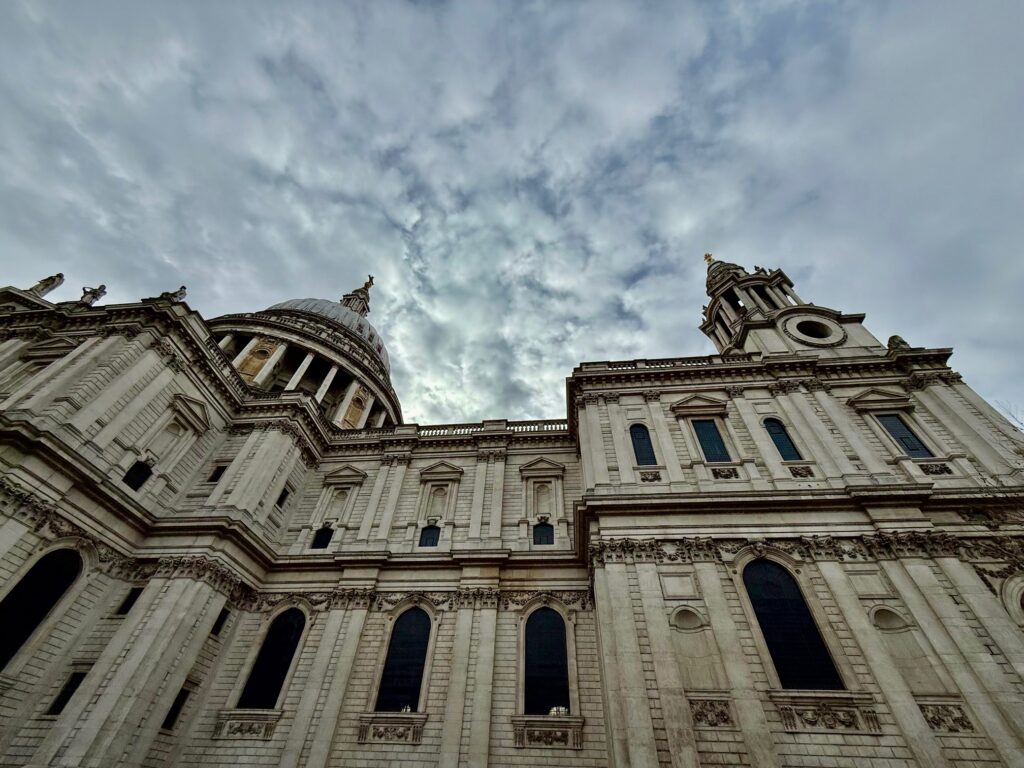
Despite the ridiculously high entrance fee (I mean: come on guys, it’s a church!), I am considering going inside again on my upcoming trip to London. It is just as large and extensive as most museums. Moreover, you can climb all the way into the dome (so a bit of fitness training beforehand is advised!). Here I go again, but it is certainly a challenge for people with a fear of heights. At the top of the dome you are not as protected as at the Top of the Rock in NYC. And I just had the bad luck that a storm swept across the country that day, so I held on for dear life. That said: the view over the city, including Tower Bridge, The Shard and The Millennium Bridge, is truly phenomenal.
See the Death Eaters flying over
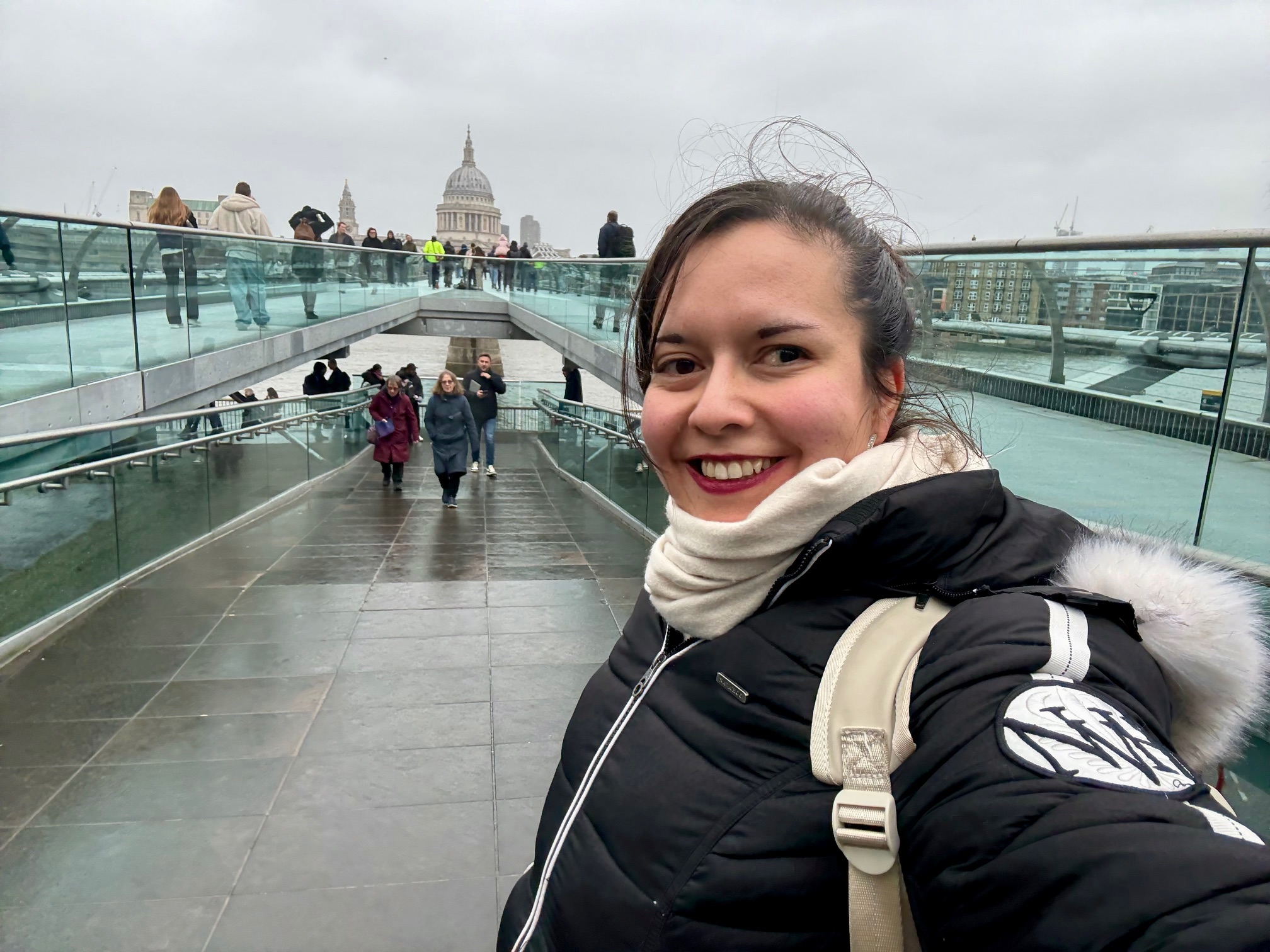
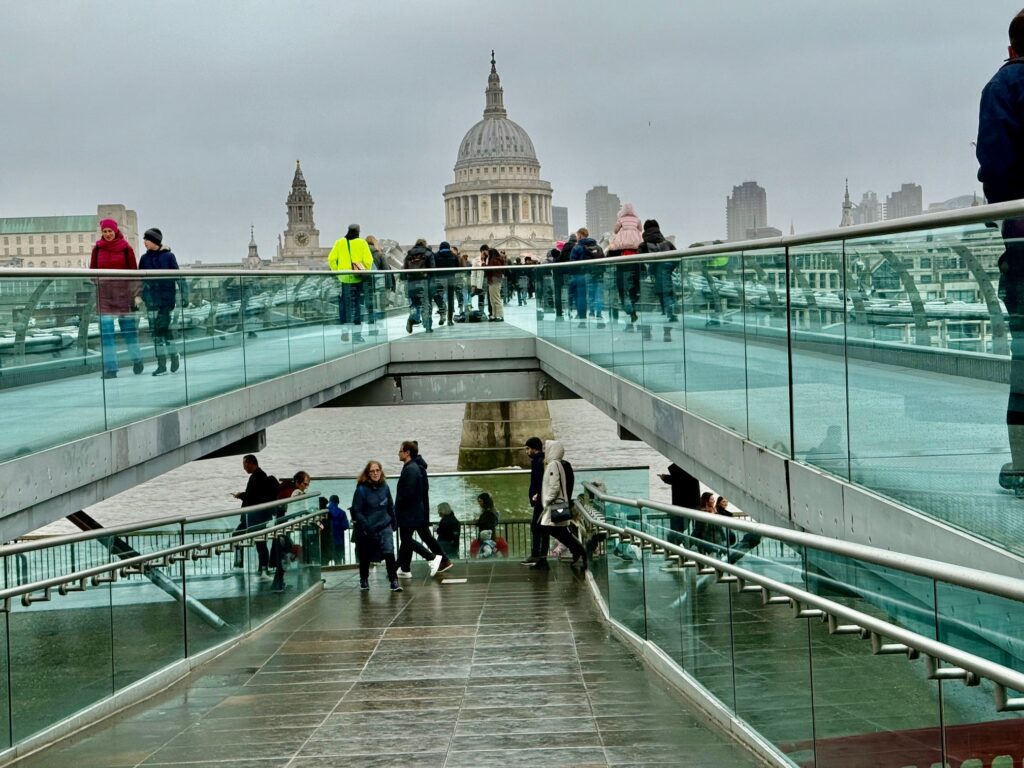
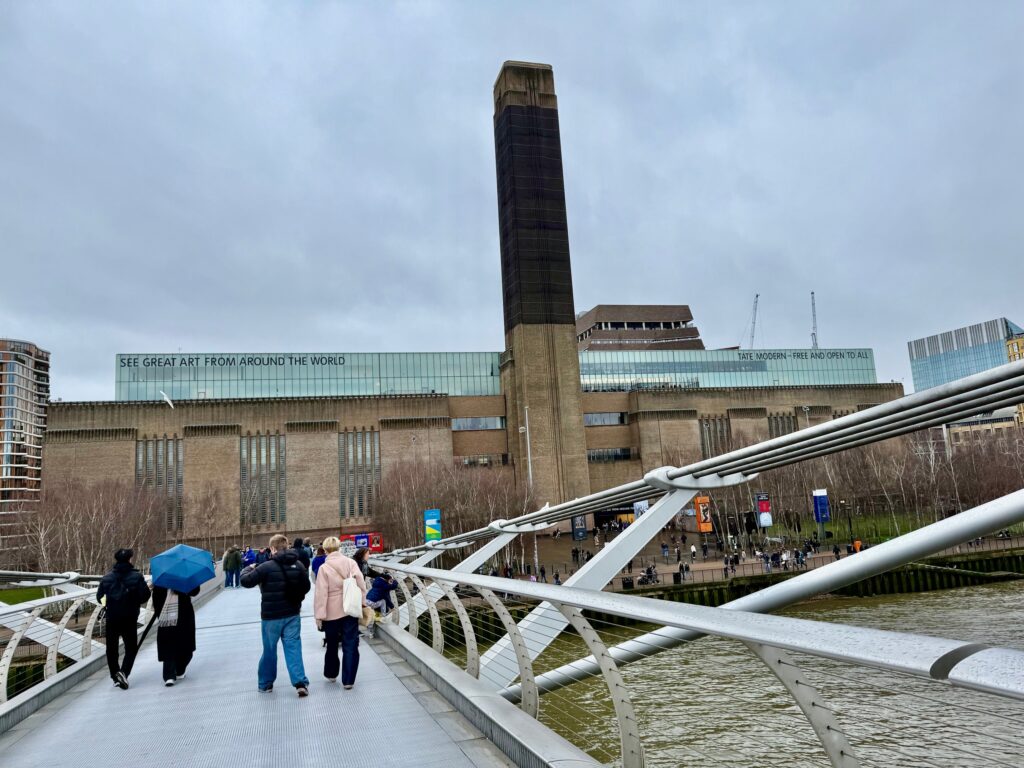
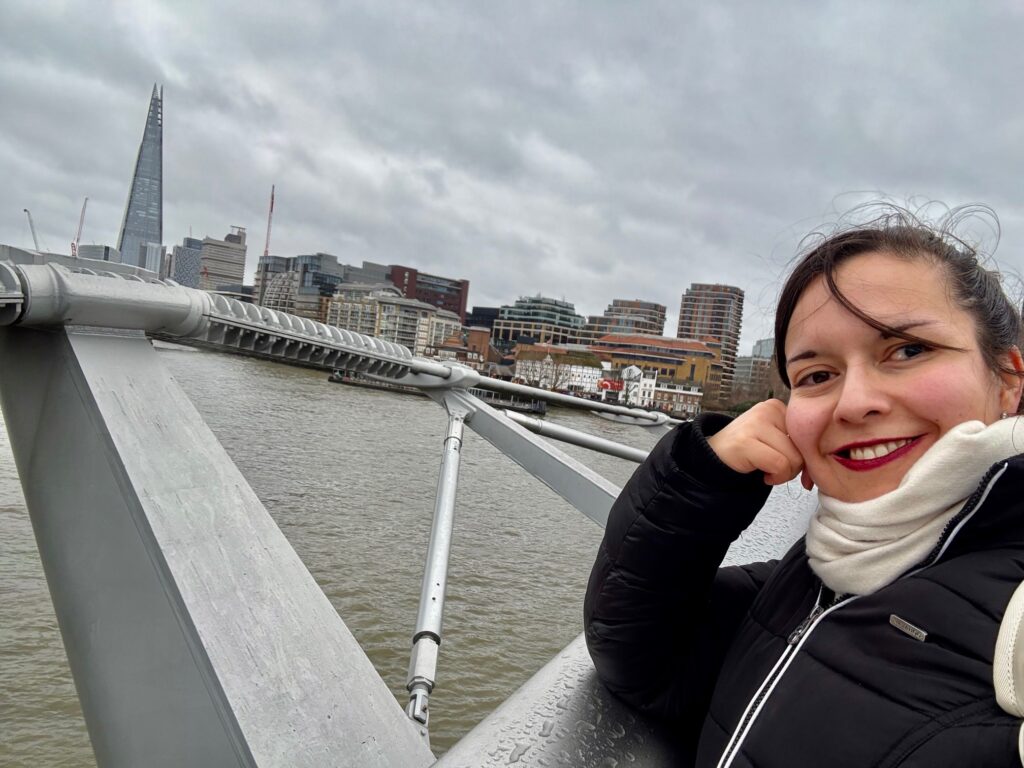
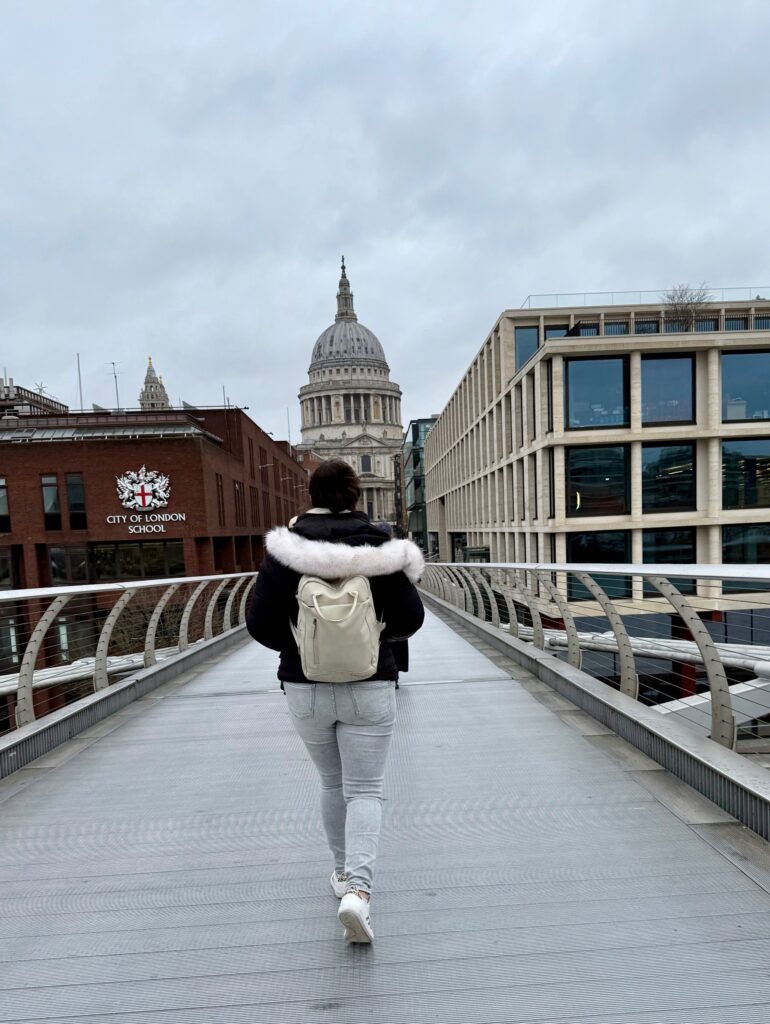
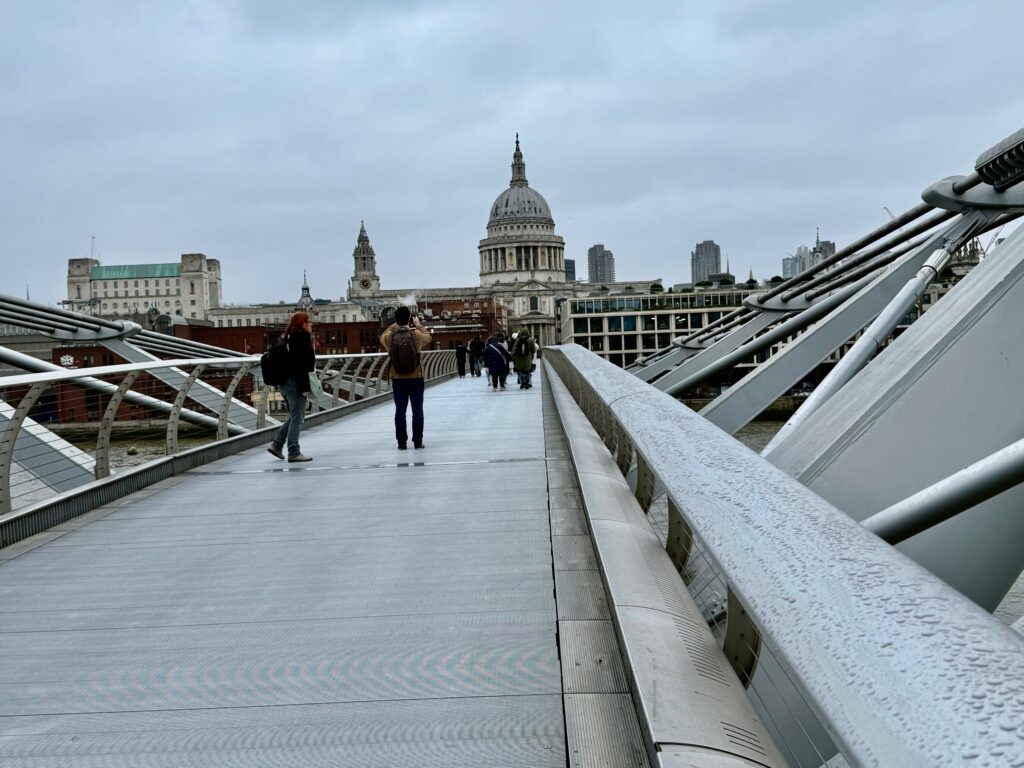
If you are already at St Paul’s, you can also cross the road, walk down the street to the Millennium Bridge. Doesn’t that bridge ring a bell? Then remember the opening scene of Harry Potter and the Half-Blood Prince, where a steel bridge is completely destroyed by flying Death Eaters. Well, that is the Millennium Bridge. It is a pedestrian bridge that actually connects the cathedral with the Tate Modern and Shakespeare’s Globe. The bridge owes its name to the fact that it was opened during the millennium celebrations in 2000.
Did you know? The Millennium Bridge closed again on the very same day of its grand opening. The reason? The bridge swayed quite a bit when many people walked across it. Because of this, the Millennium is also known as The Wobbly Bridge.
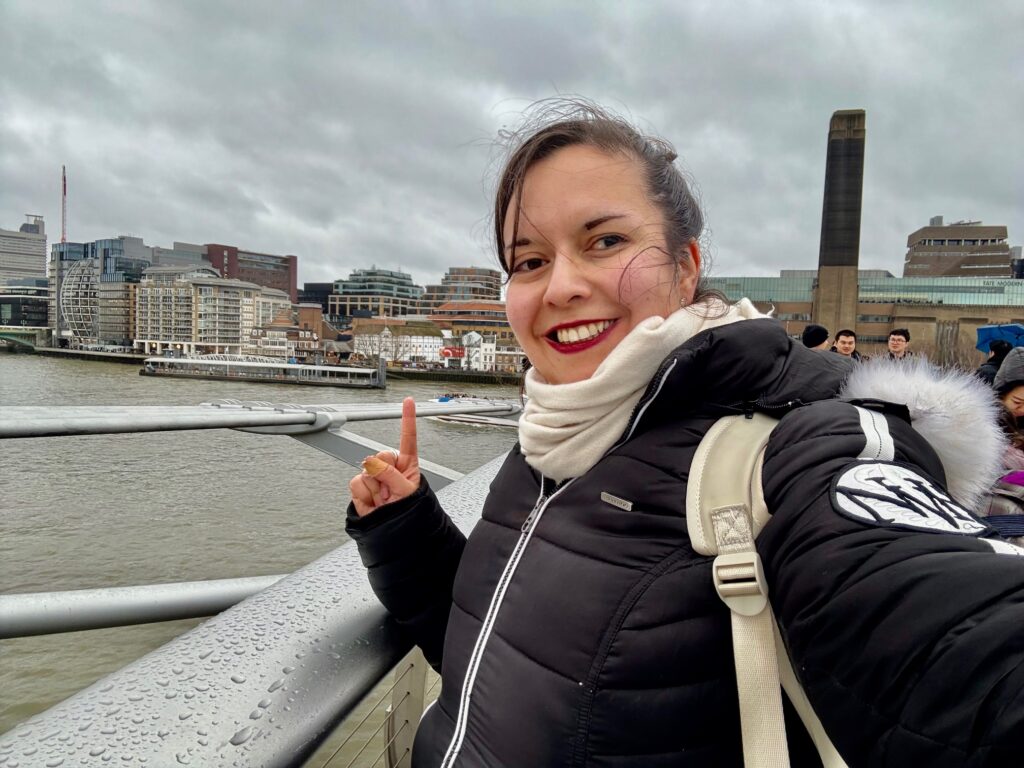
So crossing is at your own risk, although I did not get the feeling that the bridge wobbled as if it rested directly on the Thames water. Nor did I see Bellatrix Lestrange flying overhead: only Storm Ciara sweeping by.
Meet William Shakespeare
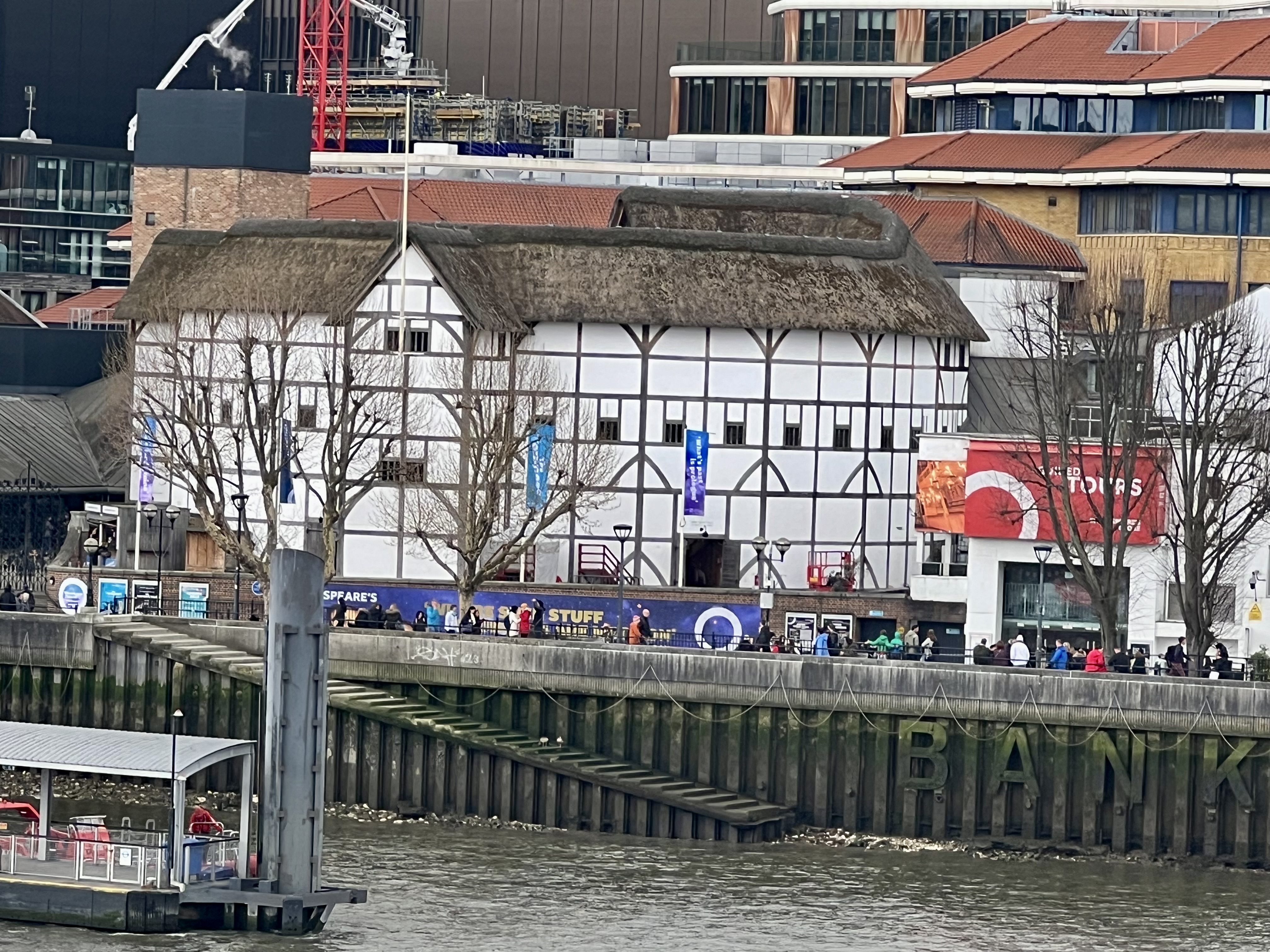
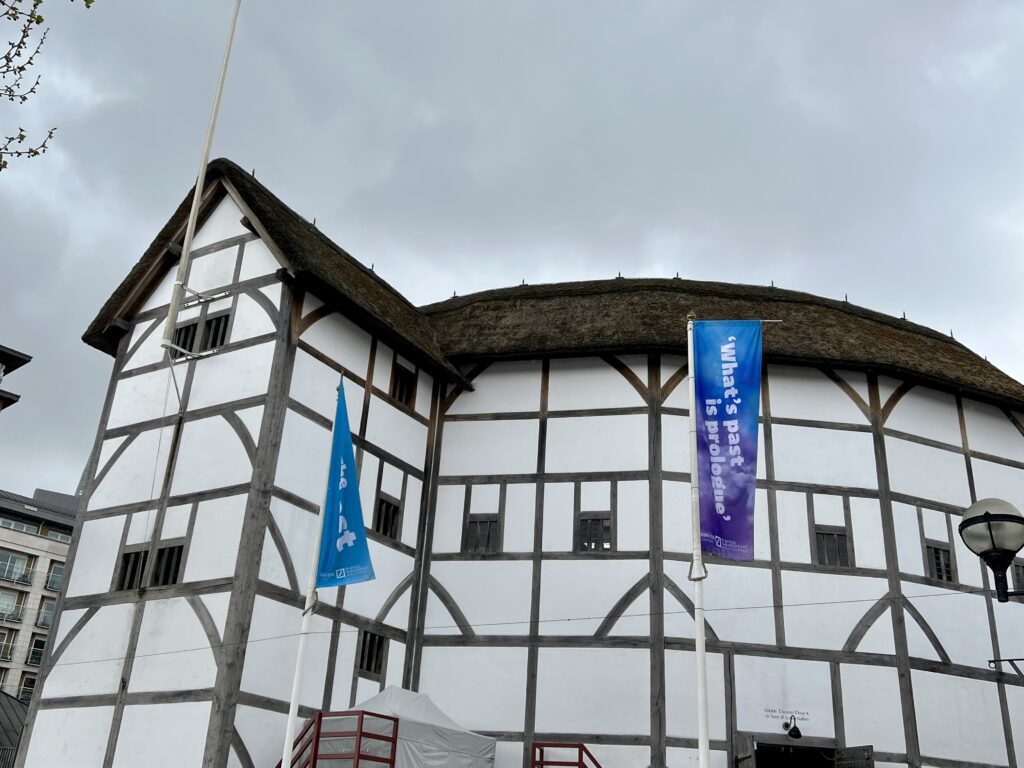
On the south bank of the Thames lies a theatre that was built in 1599 by order of William Shakespeare himself: Shakespeare’s Globe. Shakespeare performed many plays here with his theatre company. The original theatre burned down in 1613, after which a reconstruction finally opened its doors in 1997. The theatre still stages a number of Shakespeare’s plays and you can view a whole exhibition of Shakespeare’s works there.
The world of modern art
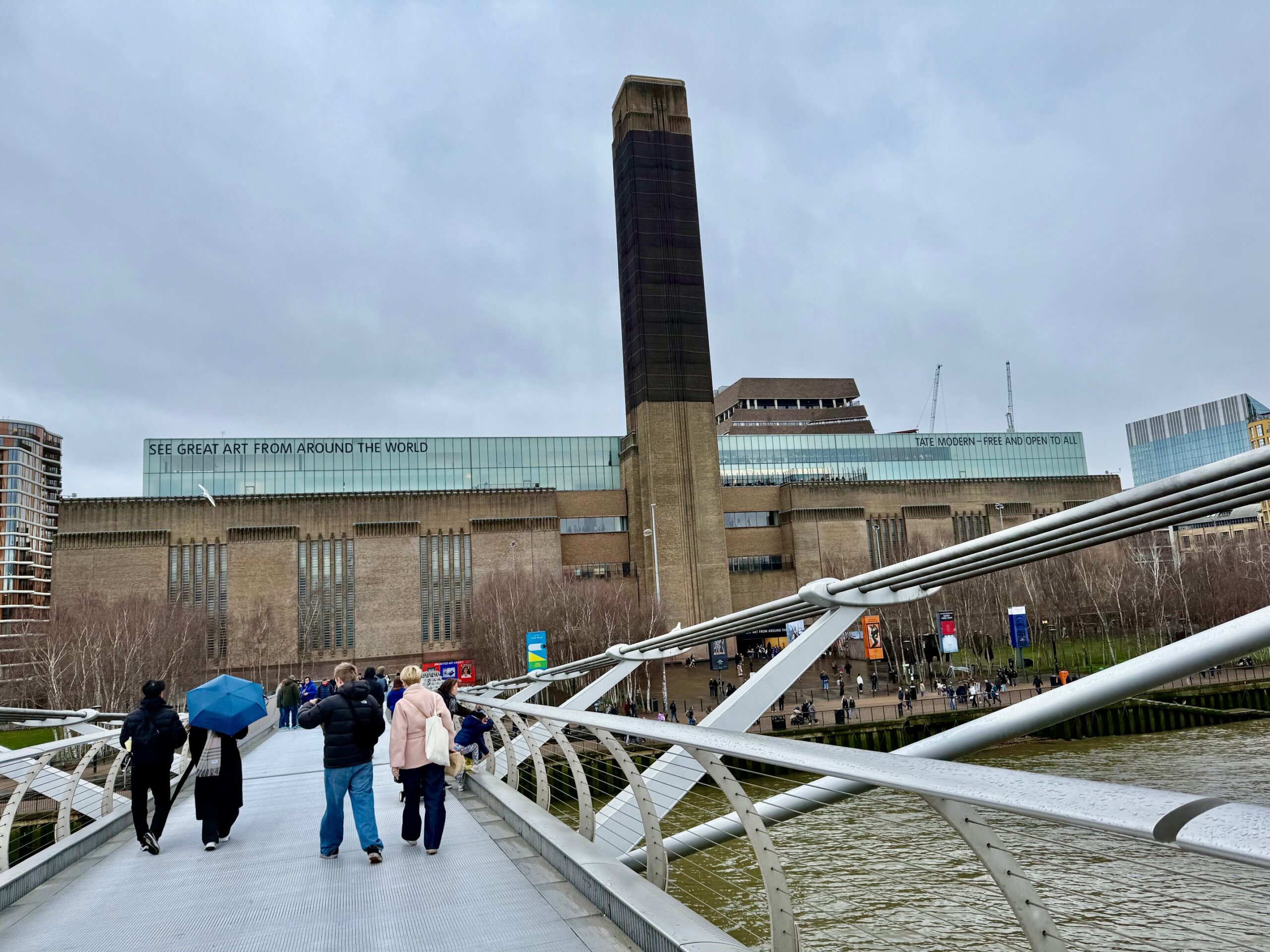
Also on the south bank of the Thames lies the modern museum Tate Modern: an art gallery that has existed since 2000 in a former power station. It is currently one of the largest modern art museums in the whole world. You will mainly find a lot of 20th and 21st-century art with famous names such as Picasso, Dali and Warhol.
Note: you can just enter Tate Modern for free. Only temporary exhibitions require a paid ticket.
The Tate Family in London
The Tate Modern is one of the four museums within the Tate Gallery family and one of the two Tate museums in London. Its sibling is Tate Britain. This museum was better known under the names National Gallery of British Art (until 1932) and later the Tate Gallery. The museum lies on the site of a former prison but now houses the finest art treasures of older and contemporary British art, such as William Turner, Peter Blake, David Hockney and Francis Bacon. Between Tate Modern and Tate Britain runs a shuttle boat that connects both museums: the so-called Tate Boat.

See Sherlock Holmes’s sanctuary
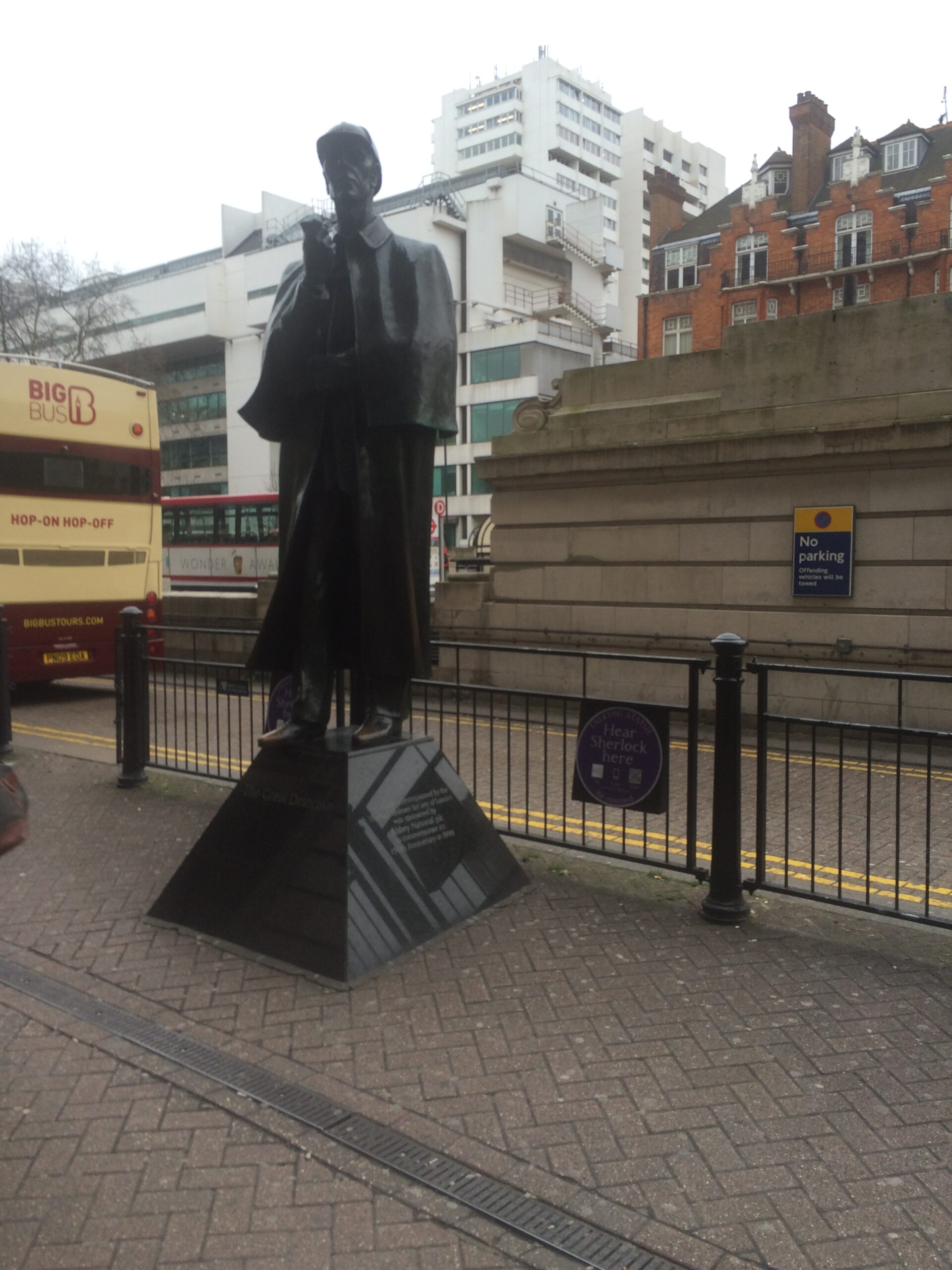
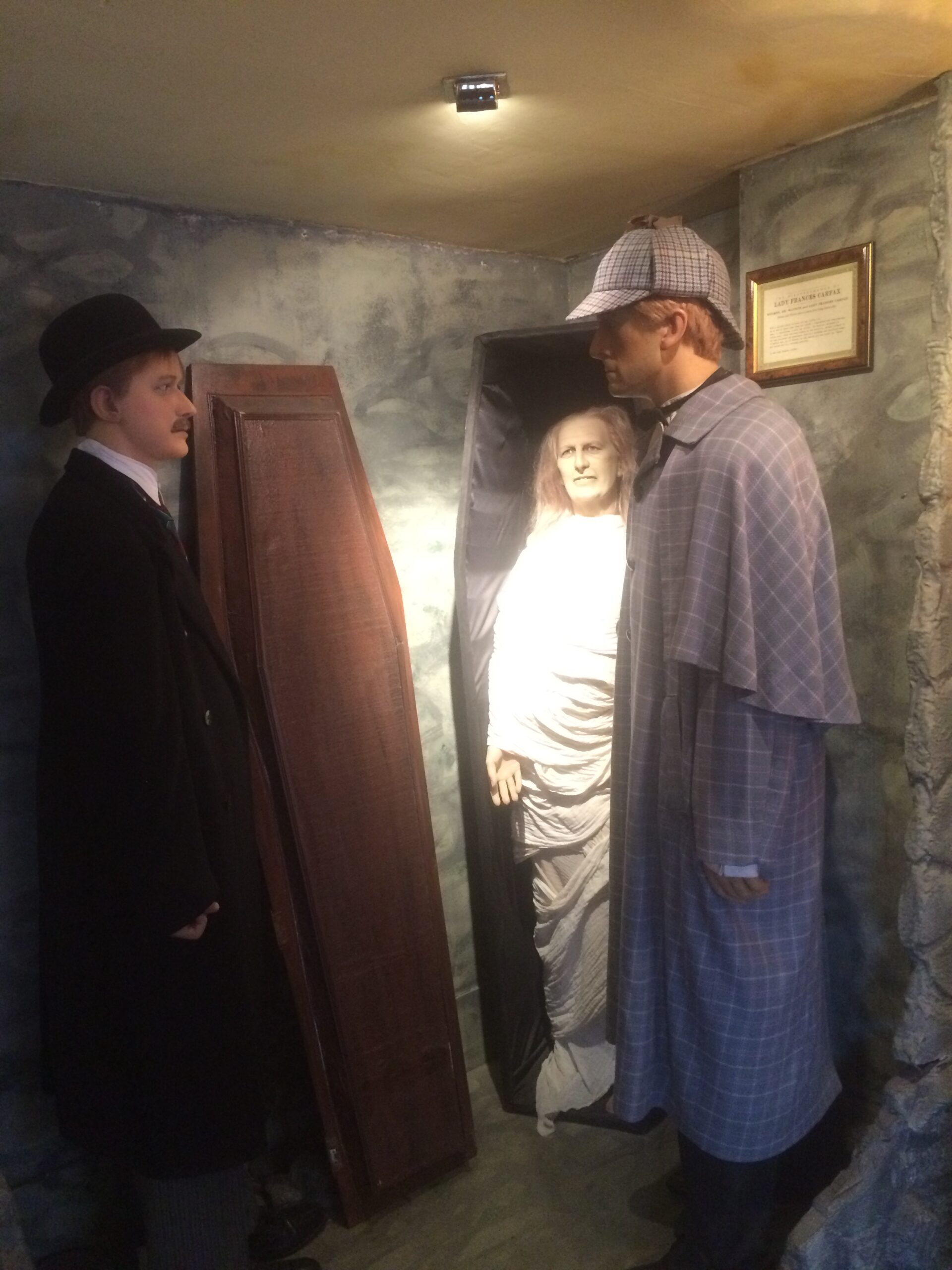
221B Baker Street, London, one of the world’s most famous addresses. You surely know that address, right? It is the home of the world-famous detective Sherlock Holmes and his sidekick John Watson. Or at least, that’s what Sir Arthur Conan Doyle makes you believe in his books about the detective, of course. Yet in real London you can also visit 221B Baker Street, because here you will find the small Sherlock Holmes Museum. This is a paid museum (one of the few in the city) and it opened its doors in 1990. If you are a fan of the books or of the famous BBC series Sherlock, it is definitely worth walking through the rooms and seeing the gadgets of the detectives. I found it rather small for the price you had to pay, but well: you are of course paying for the fame (I will talk in the blog about things outside London you must see about the Harry Potter Studio Tour… talk about paying for fame).

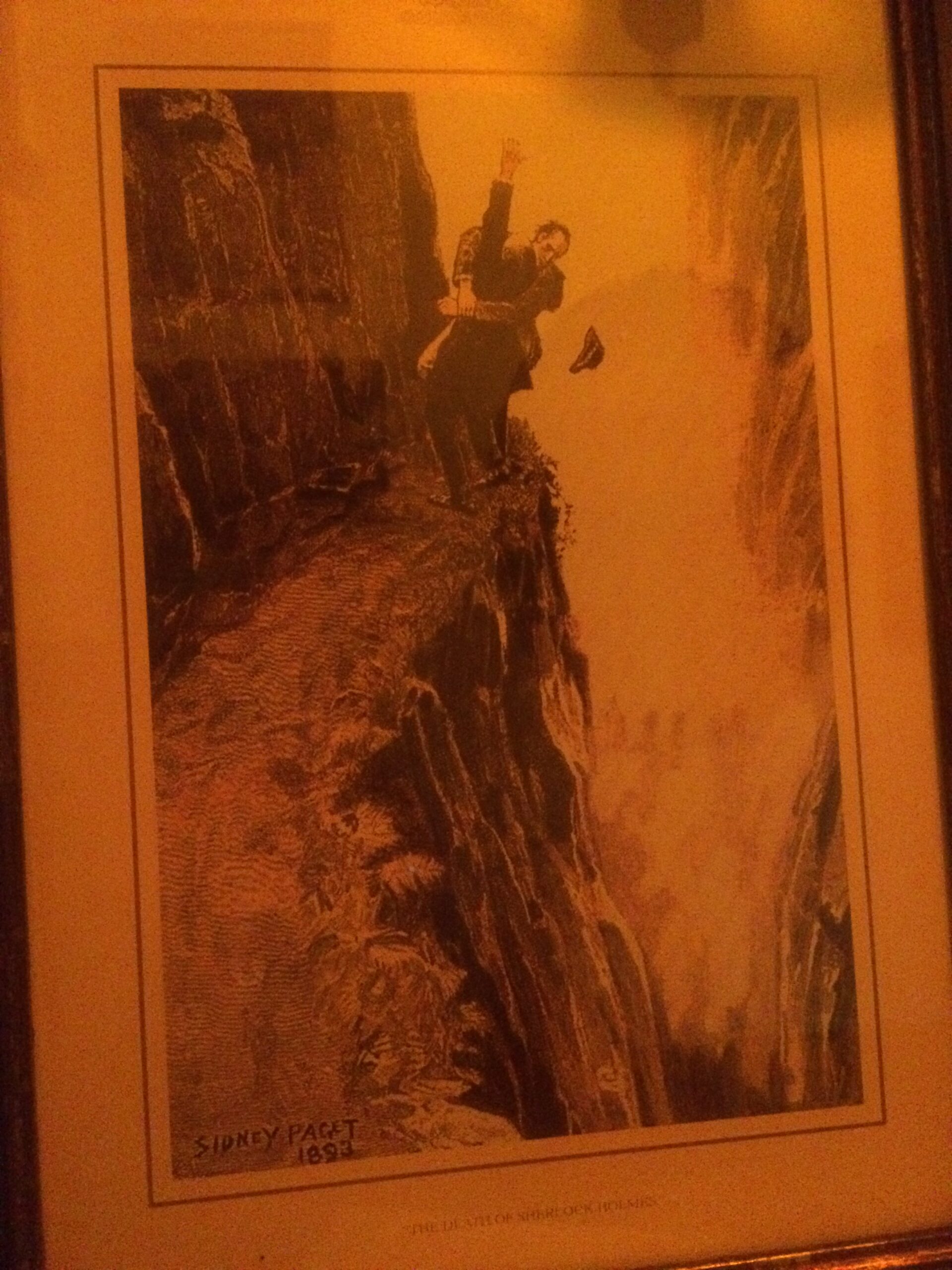
Meet your favourite celebrities
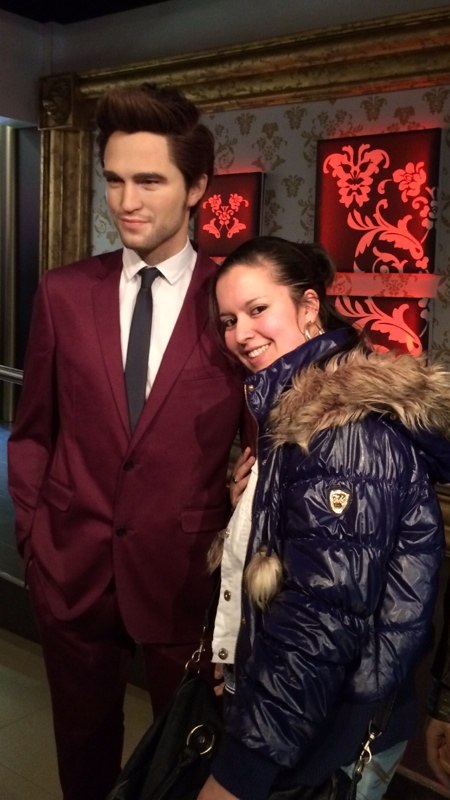
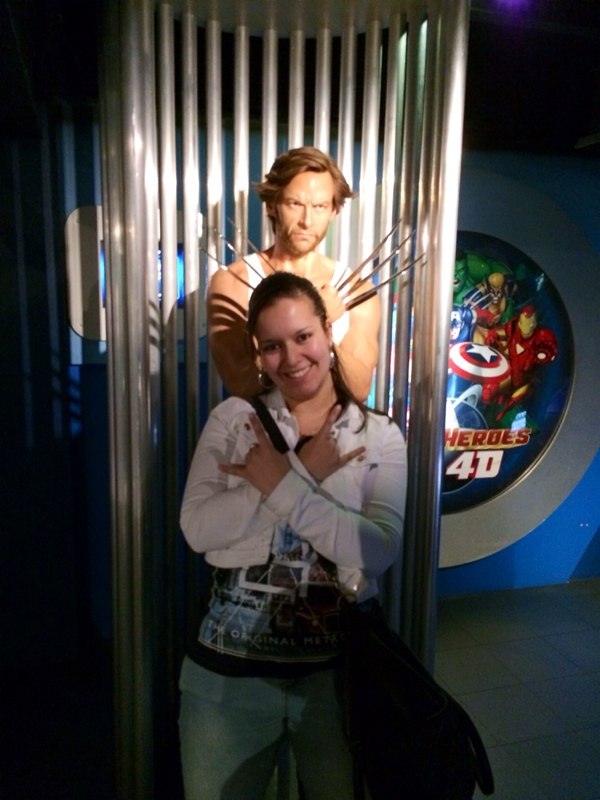
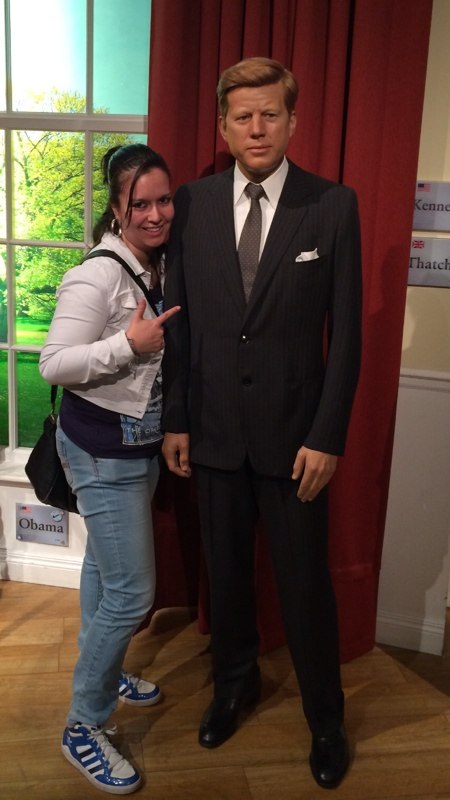
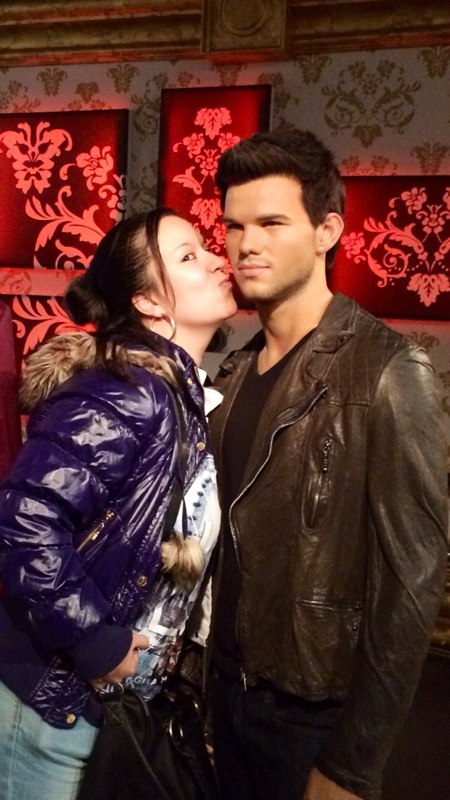
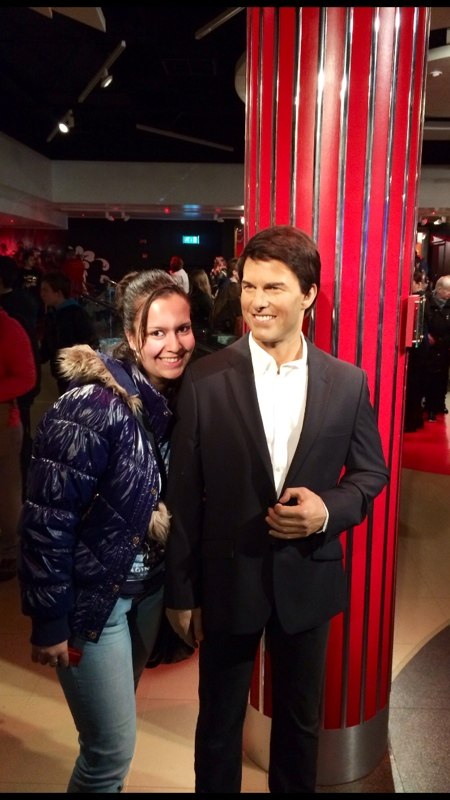
And if we are talking about paid museums in London, then you quickly come to the famous Madame Tussaud’s (which we Dutchies of course also have in our beautiful Amsterdam). Madame Tussaud’s is (for the few who don’t know… shame on you!) a wax museum and the one in London is very special because:
Madame’s Tussauds in London: 1) Largest Madame Tussaud’s in the world. 2) The original Madame Tussaud’s museum from 1835 (the first edition so to speak)
There are no fewer than 8 zones in the museum, including the Royals, sports heroes, TV stars and Marvel heroes. Take photos with your favourite idols and imagine yourself a celebrity for a while. Do consider for yourself whether you find it worth it, as admission tickets are quite expensive. I think you should see it at least once in every city, but I wouldn’t quickly go again now that I’ve seen it.




Shopping & Sightseeing at the same time
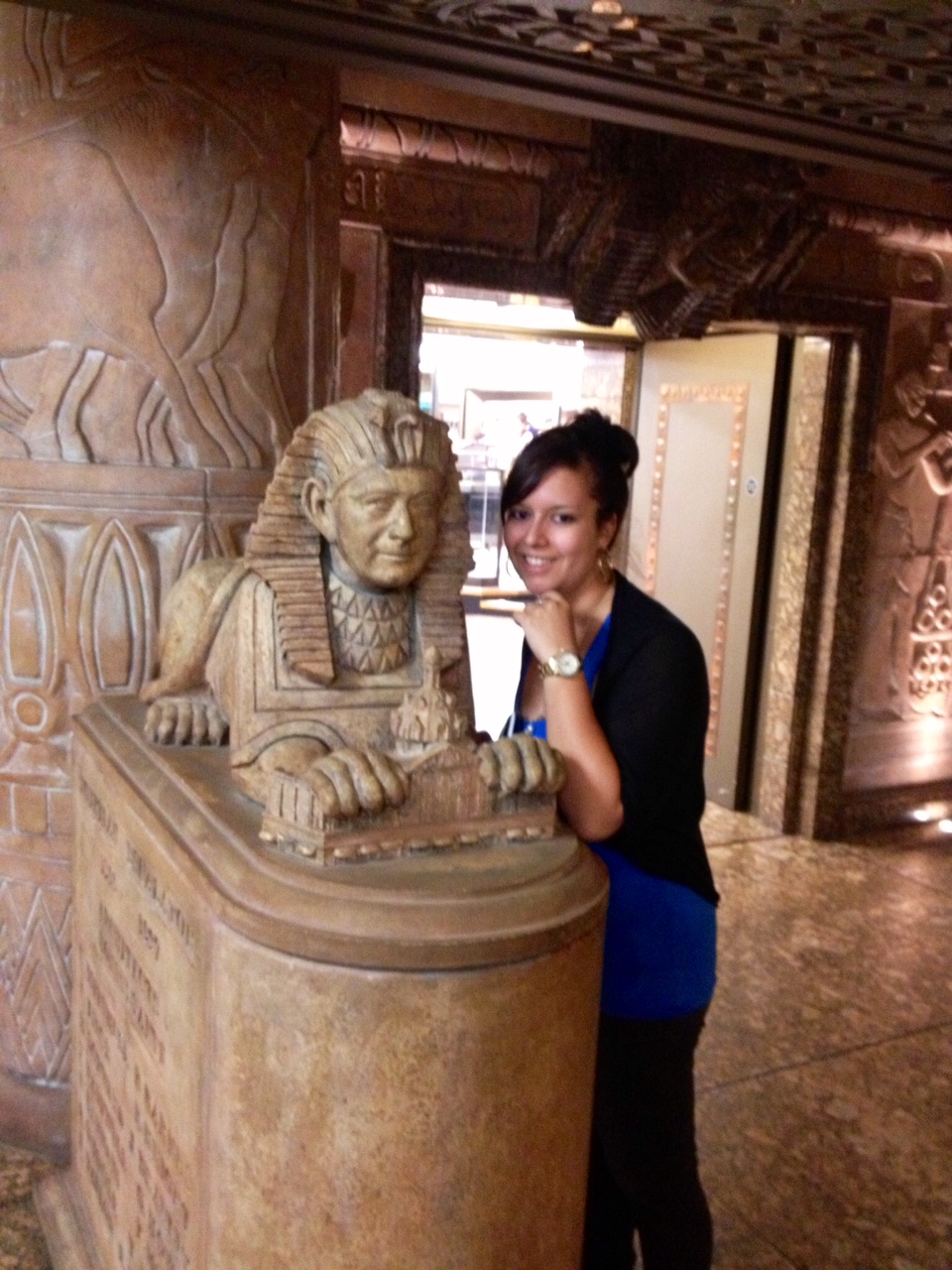
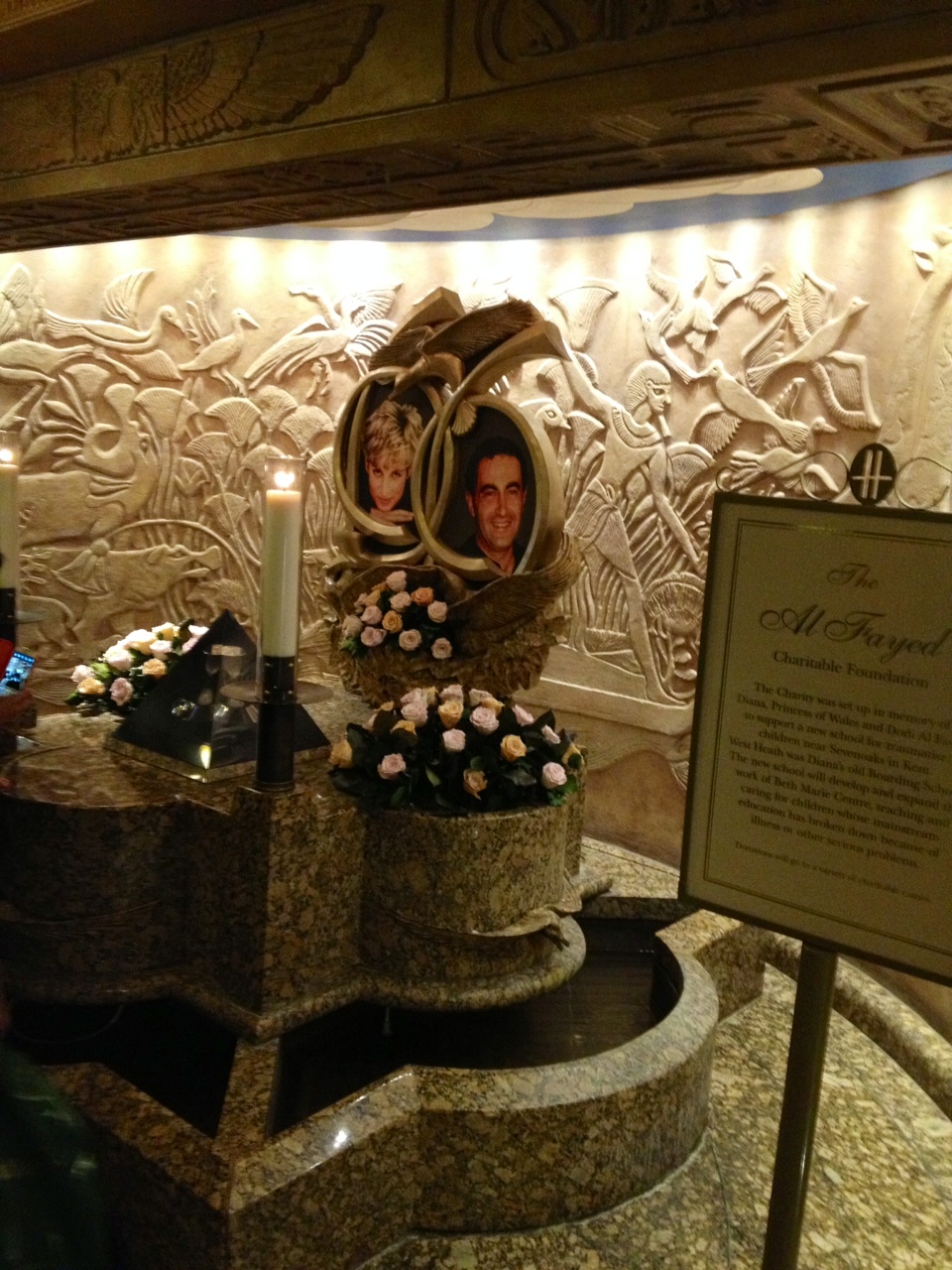
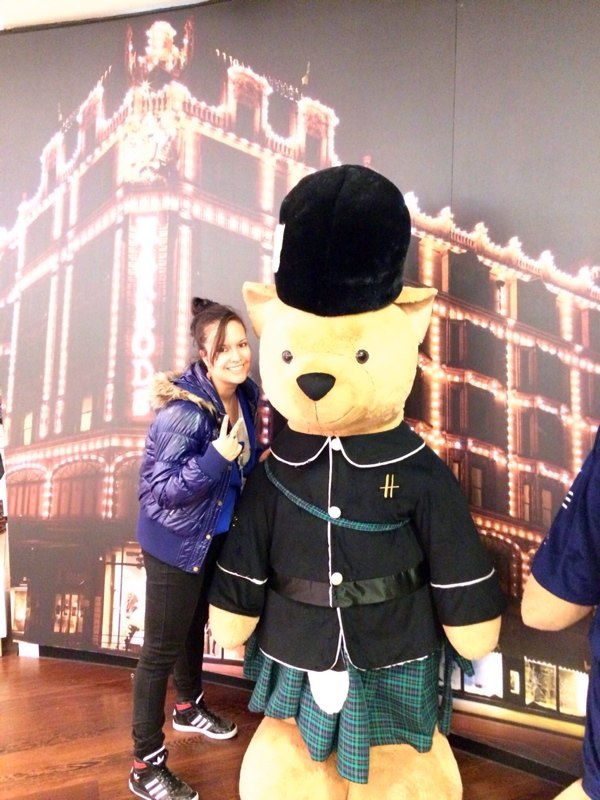
Say shopping in London, and you automatically say Harrods? Harrods is the world-famous department store on Brompton Road. It is the Bijenkorf 2.0 and has a shopping area of 100,000 square metres, making Harrods the largest luxury department store in Europe. You can shop there, as the store has no fewer than 330 different departments. You can feast in one of the 23 restaurants.
Or go there (as we did) as if you were visiting a museum, because there are some attractions to see in Harrods. And I’m not talking about the life-size mascots of Harrods (the cute teddy bears in all kinds of uniforms), but the Egyptian sphinxes and the monuments to Princess Diana and Dodi Fayed, the son of Harrods’ former owner.

Bookworms beware: the oldest bookstore of the UK
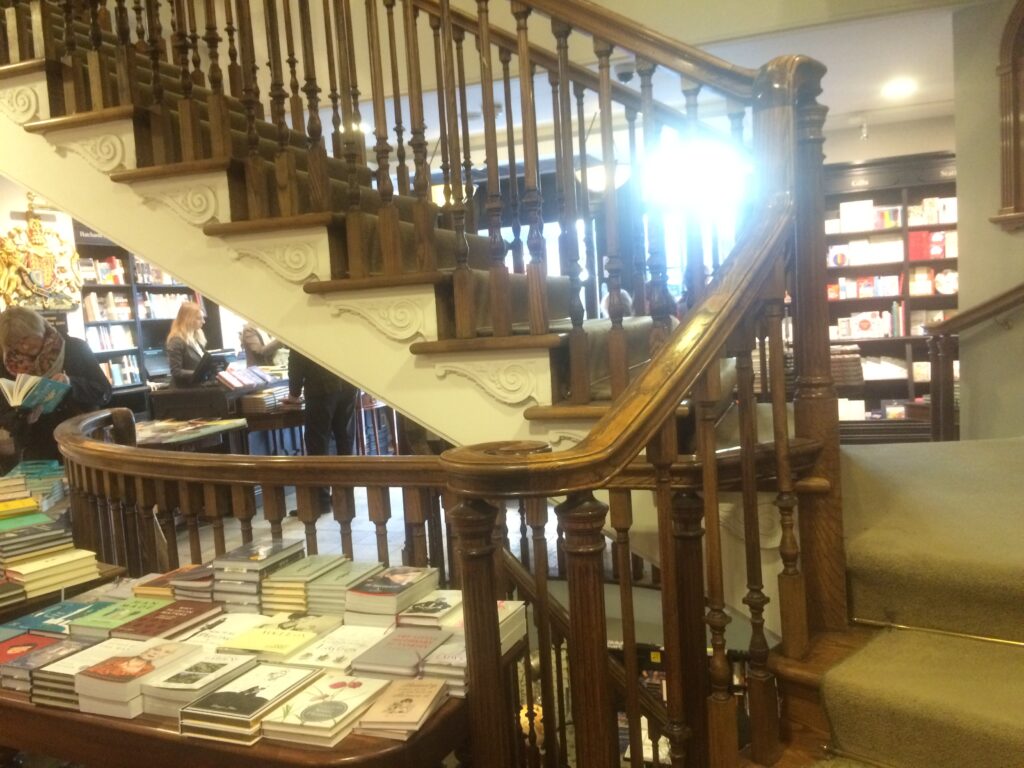
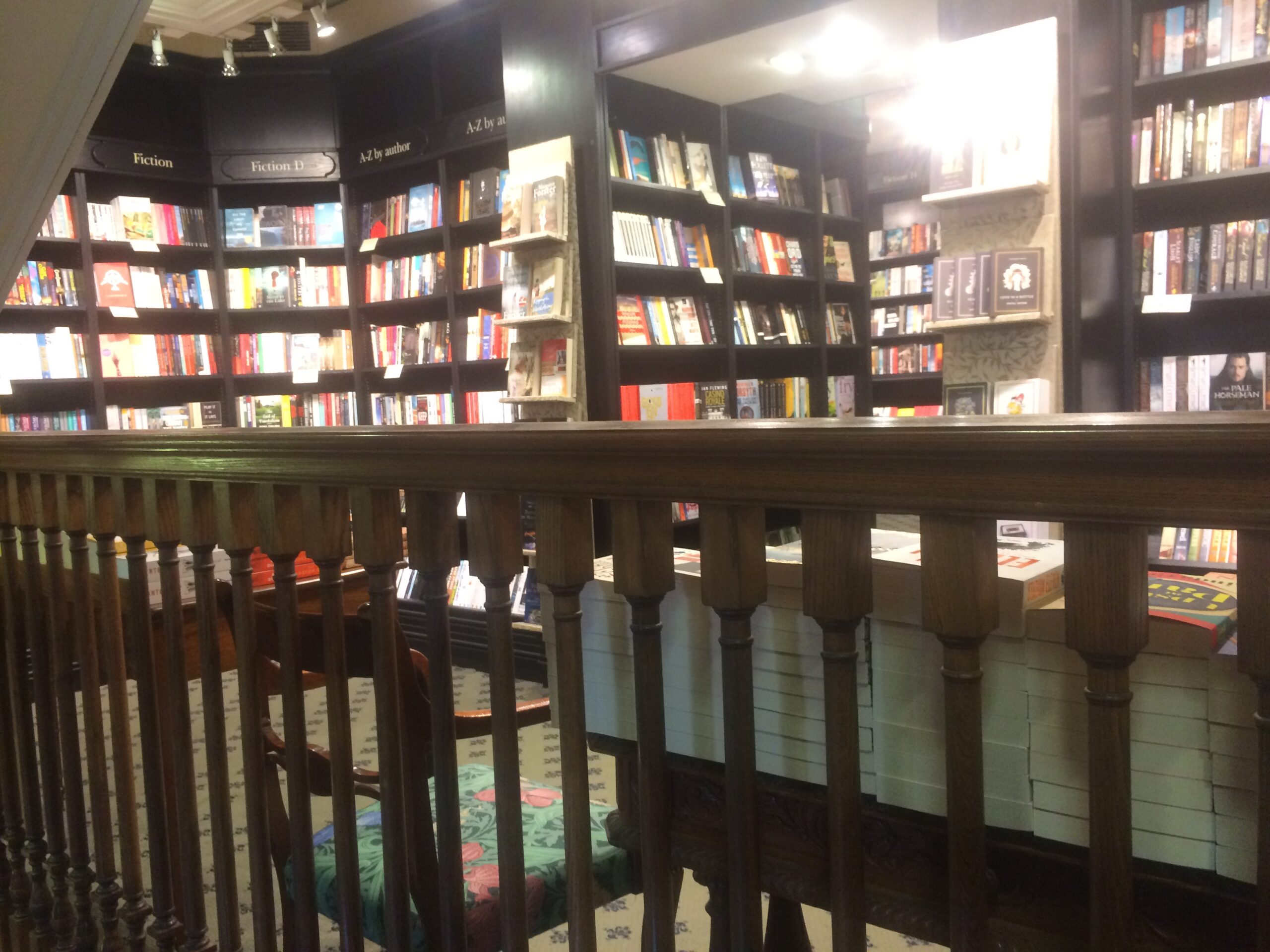
And if you are already in the shopping area of London, then just a few streets away lies my personal favourite. I don’t know if I’ve mentioned it before, but I am a real bookworm. Part of London’s charm lies in the fact that it is the largest book city in Europe. You’ll find multiple Waterstones and WH Smith branches there, but my personal favourite is Hatchard’s. It is the oldest bookstore in the entire United Kingdom, as it dates back to 1797. Moreover, it is the official bookseller of the royal household. I mean: what?! Picture a random library, like the ones you see in films with wood, staircases, warm furnishings and thousands of books. That’s Hatchard’s. The store now has multiple branches, but I am still the biggest fan of the original one on Piccadilly.
First Harry Potter-locations you’ll encounter
I always prefer taking the train to London, because it drops you right in the middle of the city (and that’s not even mentioning the fact that I can bring home dozens of books without any weight limit… except, of course, for how much I can actually carry). If you travel by train from the Netherlands, you arrive at the beautiful St Pancras station, which sits directly next to King’s Cross. From St Pancras International, the Eurostar trains run to France, Belgium, the Netherlands and beyond, while domestic high-speed trains also depart from here. The station houses several shops, giving it the feel of a small shopping centre.
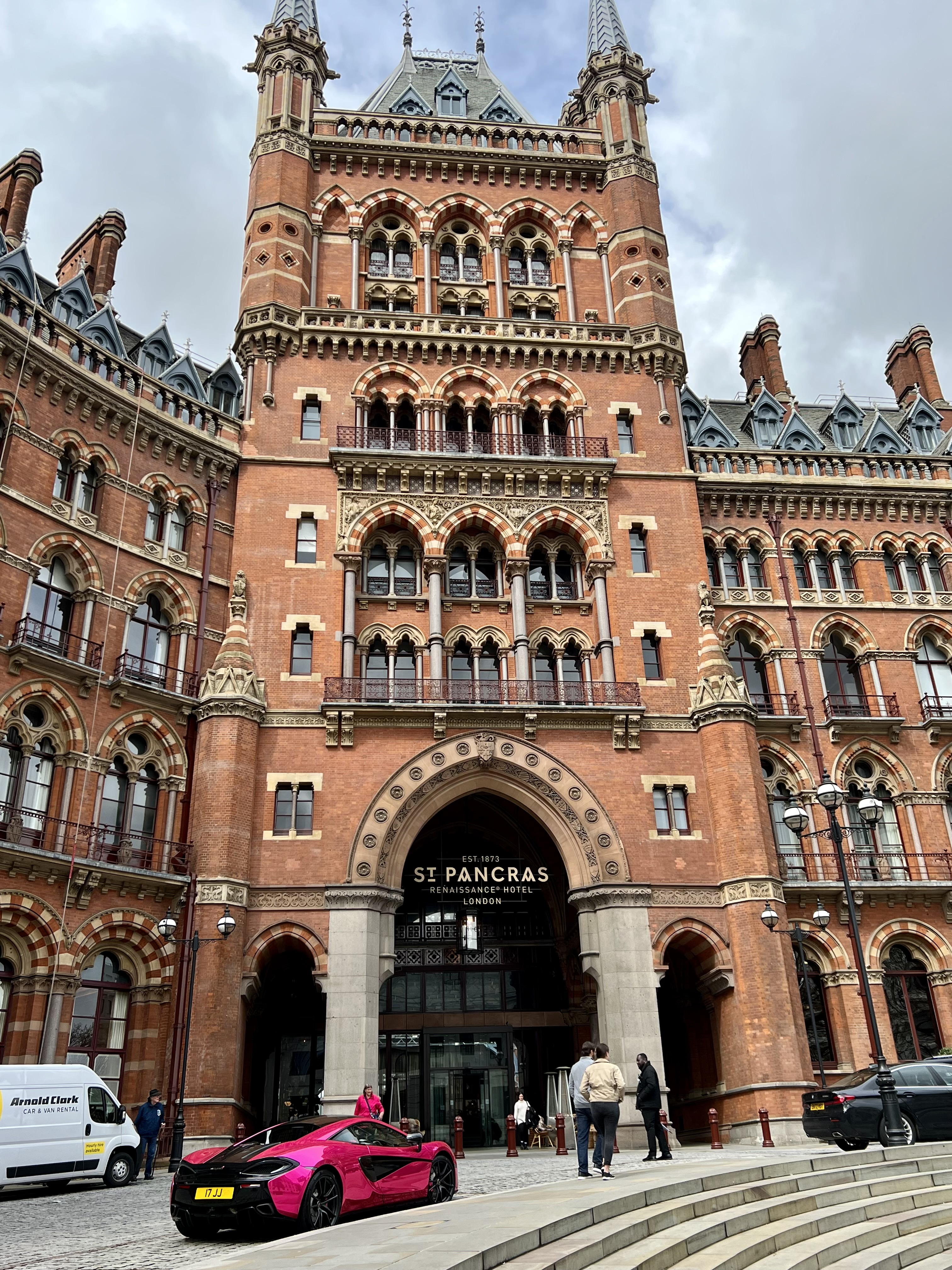
The façade of St Pancras station in London is one of the most striking examples of Victorian Gothic Revival architecture. Designed by Sir George Gilbert Scott, it looks more like a grand medieval palace or cathedral than a railway station. The red-brick exterior is richly decorated with pointed arches, turrets, spires and ornate stone carvings. Its clock tower rises high above the building, creating a dramatic silhouette against the London skyline. Tall, arched windows and intricate detailing give the façade a fairy-tale quality, while the sheer scale of the structure makes it both imposing and impressive.

Unlike the Gothic grandeur of St Pancras, King’s Cross has a simpler, more functional design. Built in the mid-19th century, it features two large arched train sheds with glass and iron roofs that flood the platforms with natural light. In recent years, a striking modern concourse has been added, with a vast steel lattice roof that seems to flow like a wave, creating an airy, open space for travellers. King’s Cross is one of London’s busiest railway hubs. From here, trains run to the north and north-east of England and into Scotland, including major routes to York, Newcastle, Edinburgh and beyond.
Most famous Harry potter store
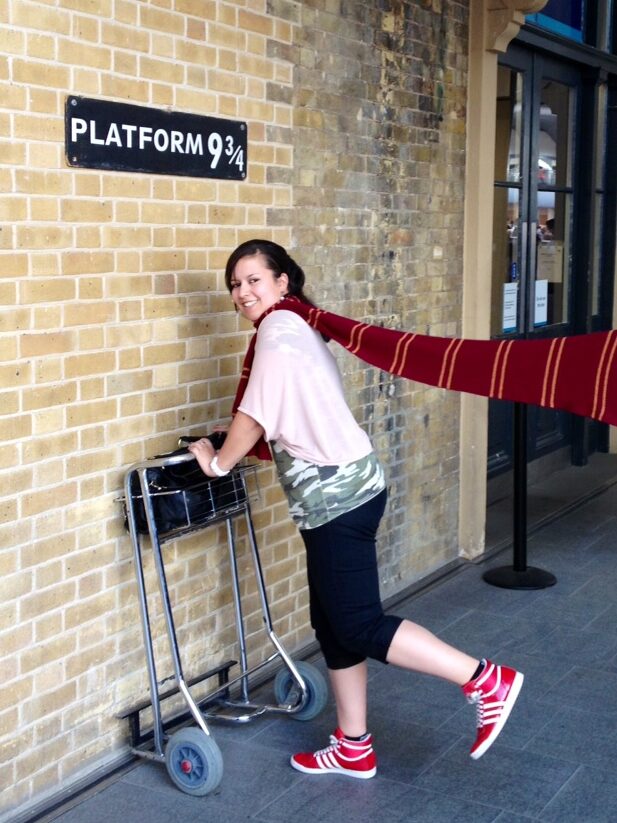
Culturally, King’s Cross is forever tied to Harry Potter. Fans from around the world come to see the famous Platform 9¾, where Harry boards the Hogwarts Express. A trolley, appearing to vanish into the wall, has been installed as a photo spot, alongside a Harry Potter shop filled with wands, scarves and other memorabilia.
Did you know however? JK Rowling, author of Harry Potter, made a little bit of a mistake? The Hogwarts train departs from the secret platform 9 ¾ which is between platforms 9 and 10. However, these platforms are not adjacent in King’s Cross! Rowling actually had in mind the platform layout of St Pancras station, not King’s Cross. So, for the movie they used King’s Cross platforms 4 and 5.
For all booklovers: The British Library is a must see in London
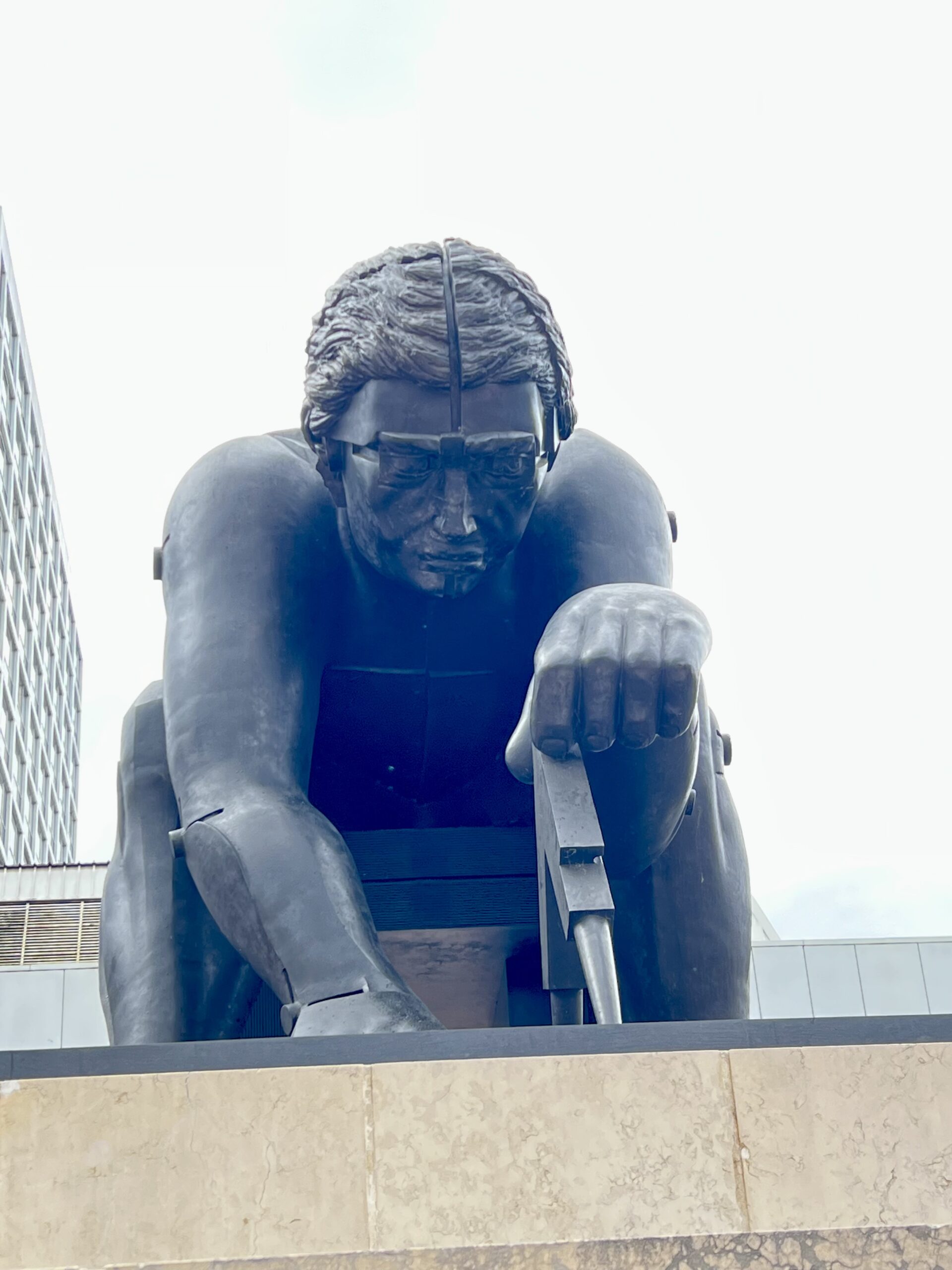
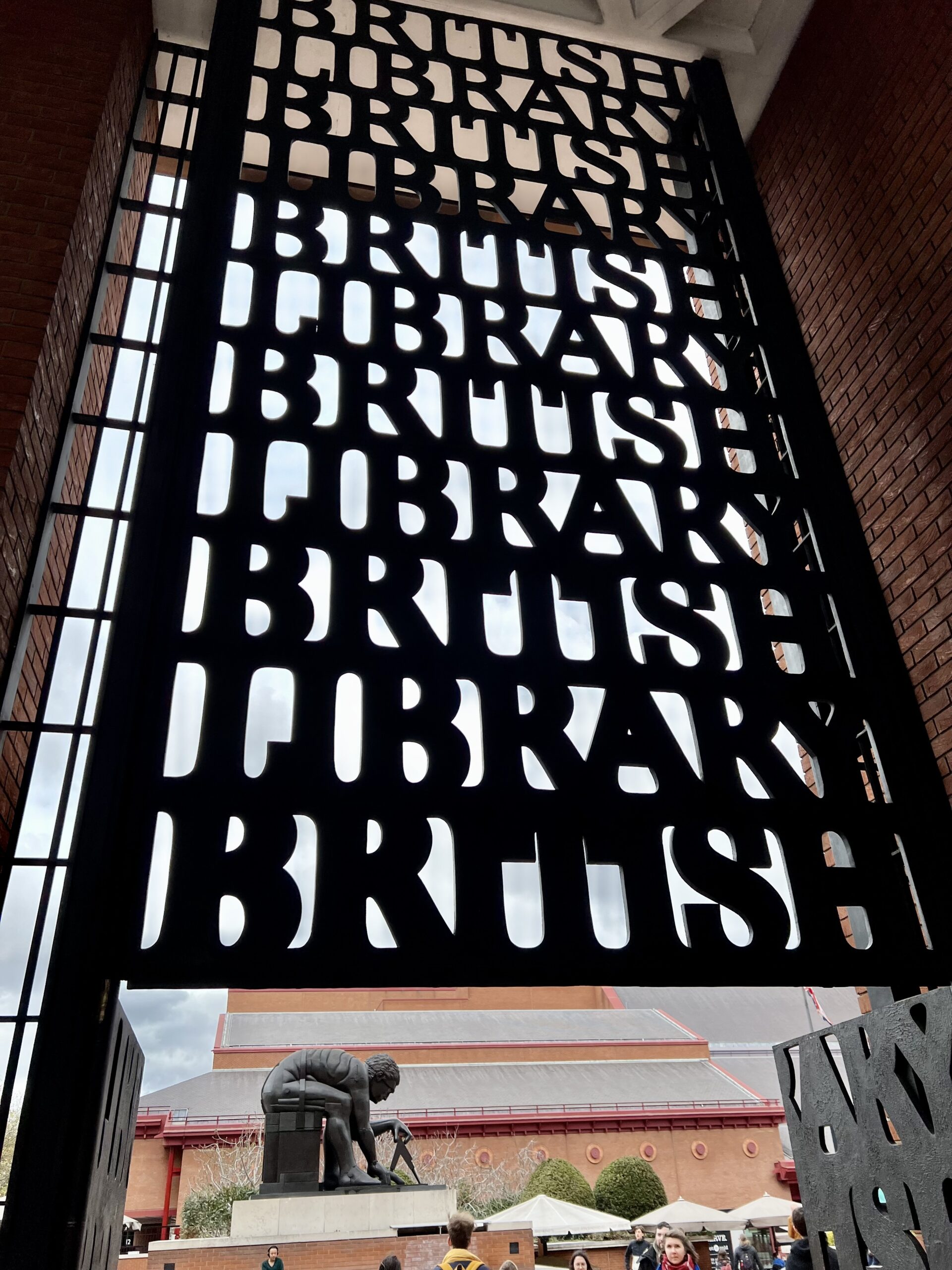
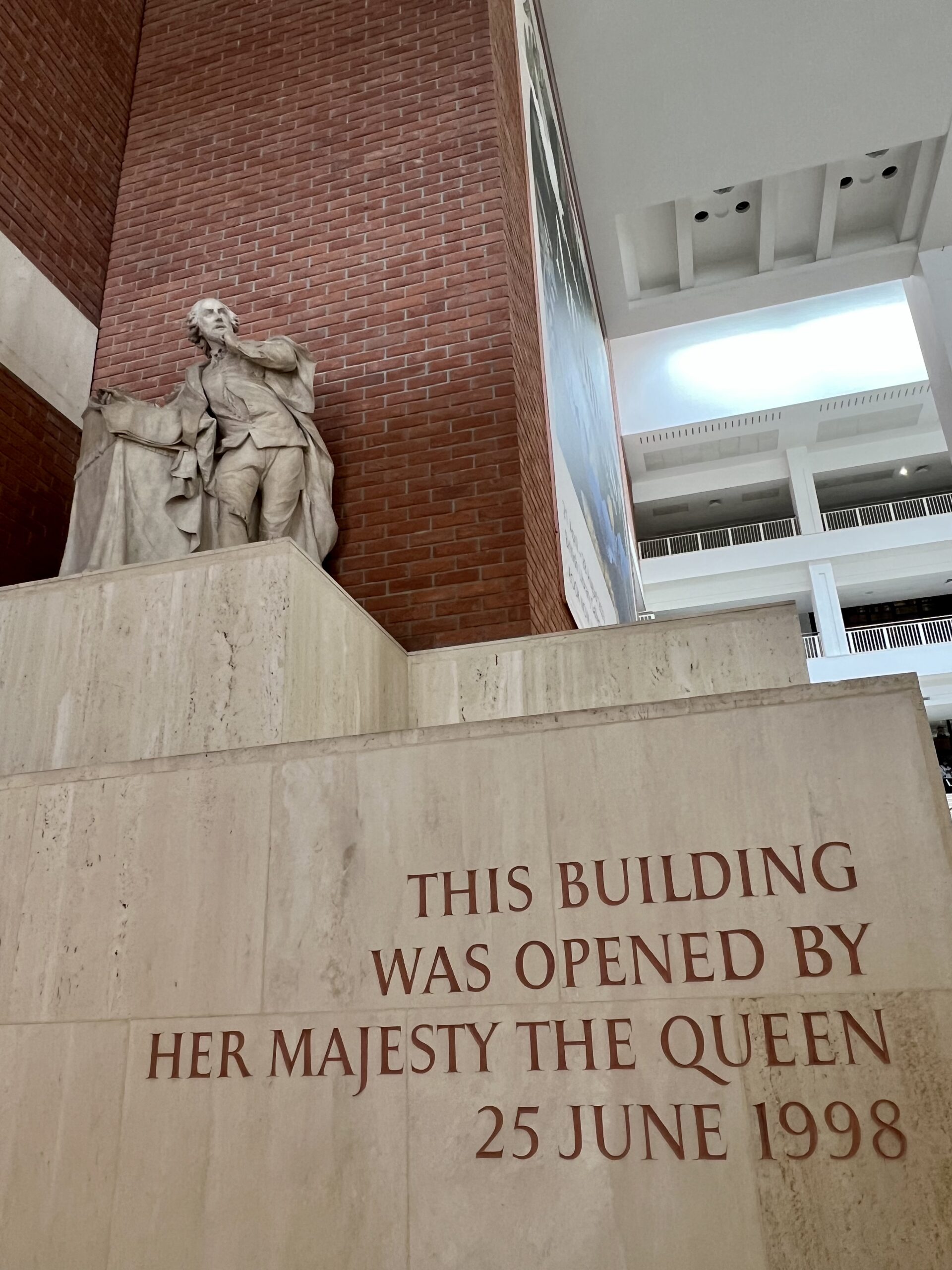
Next to St. Pancrass International you’ll find the British Library. The British Library is the national library of the United Kingdom and one of the largest libraries in the world. The library holds an astonishing collection of more than 170 million items from all over the world. Its treasures include some of the most important historical documents, such as:
- The Magna Carta (one of the most famous documents in English history, dating back to 1215).
- Shakespeare’s First Folio.
- The Lindisfarne Gospels (a beautifully illuminated manuscript from around the year 700).
- Leonardo da Vinci’s notebooks.
- Historic maps, music manuscripts, newspapers, sound recordings, and millions of books in countless languages.
As for visiting: entry to the library itself is free, and anyone can walk into the public areas, such as the exhibition galleries, café, bookshop, and reading rooms foyer. Some of the special exhibitions may have an admission fee, depending on the event. If you want to consult books or manuscripts in the reading rooms, you need a Reader Pass, which requires registration. So, once again: for a booklover London is definitely the place to be.
Free Western European Art
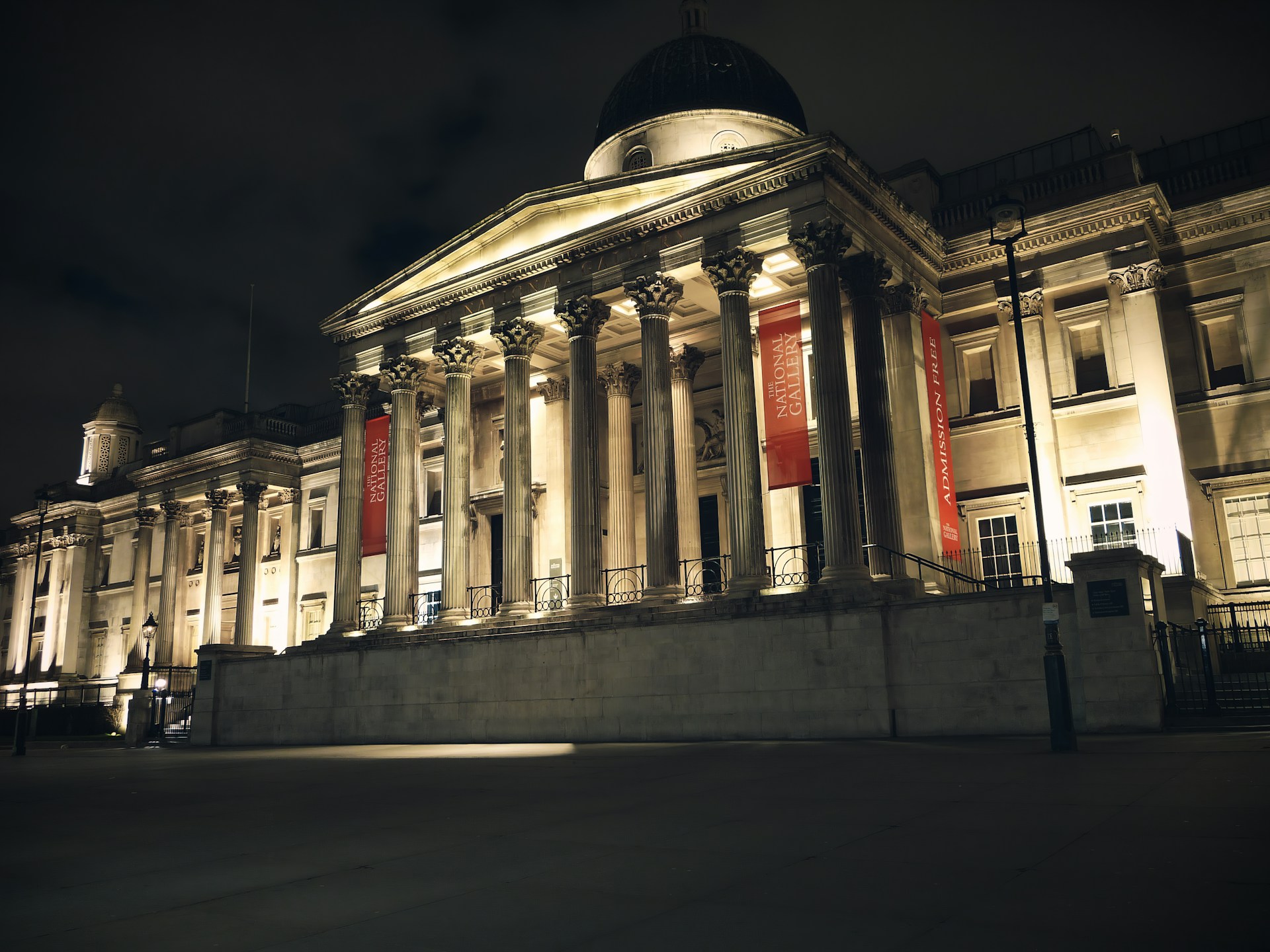
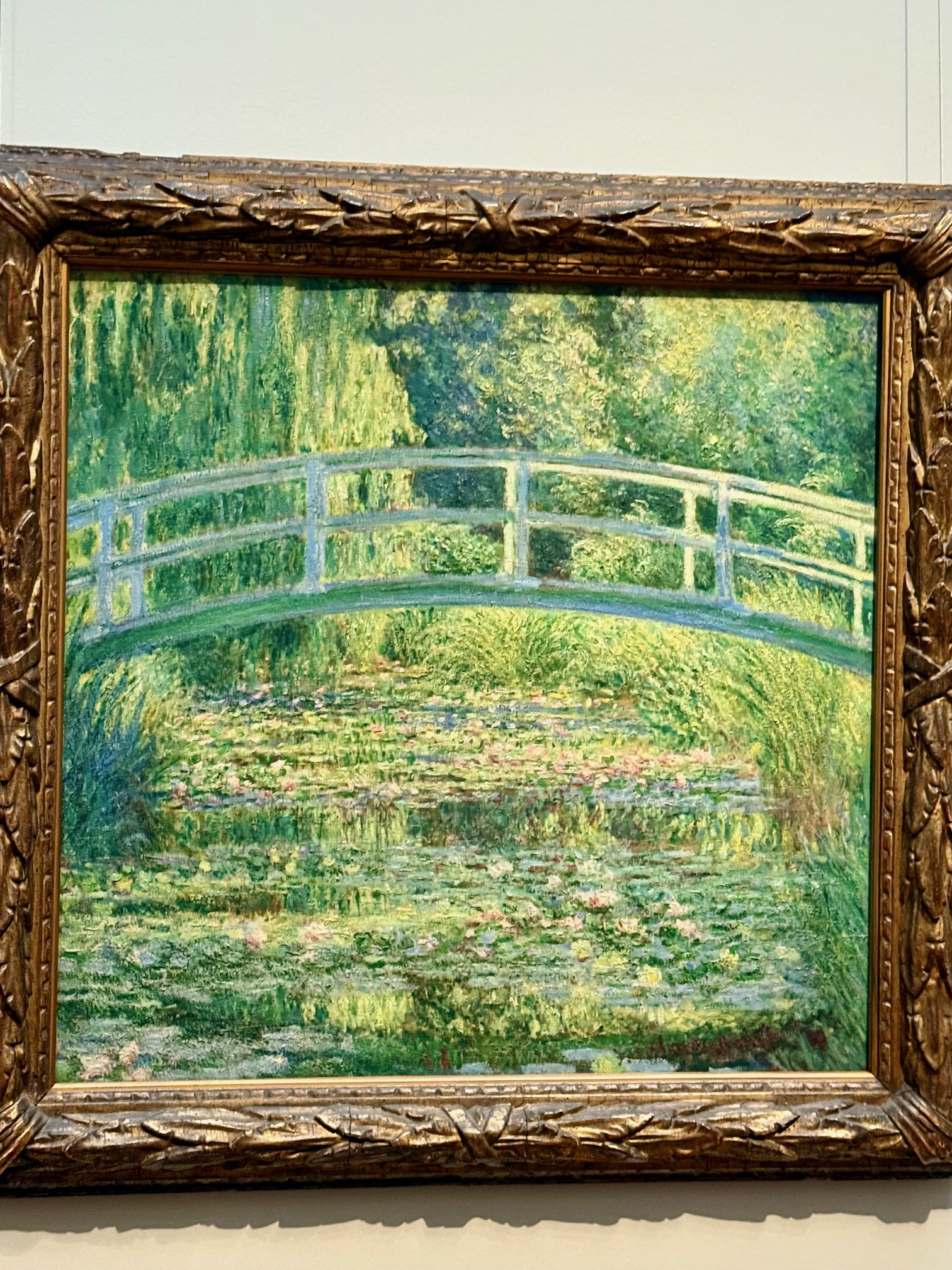
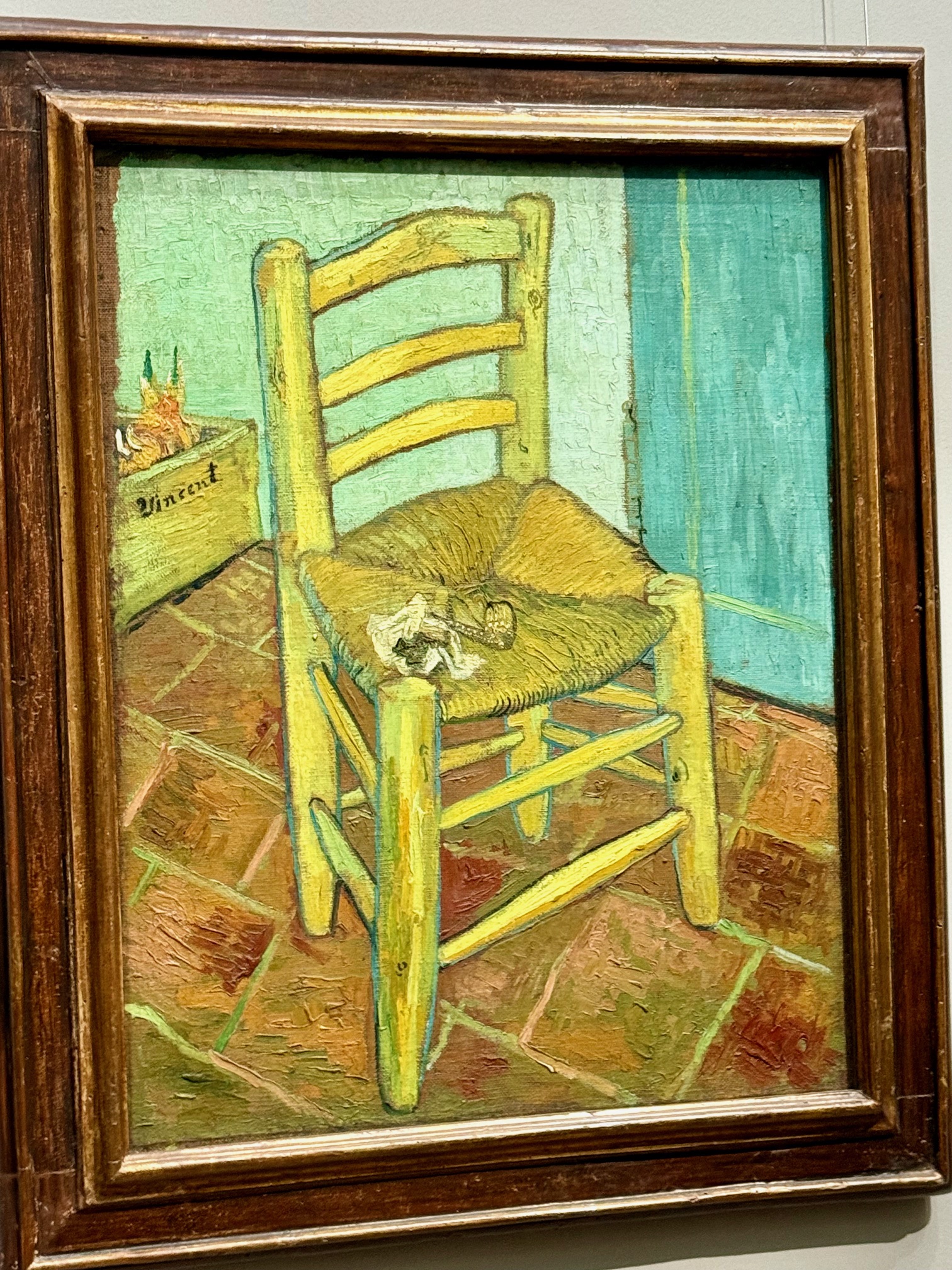
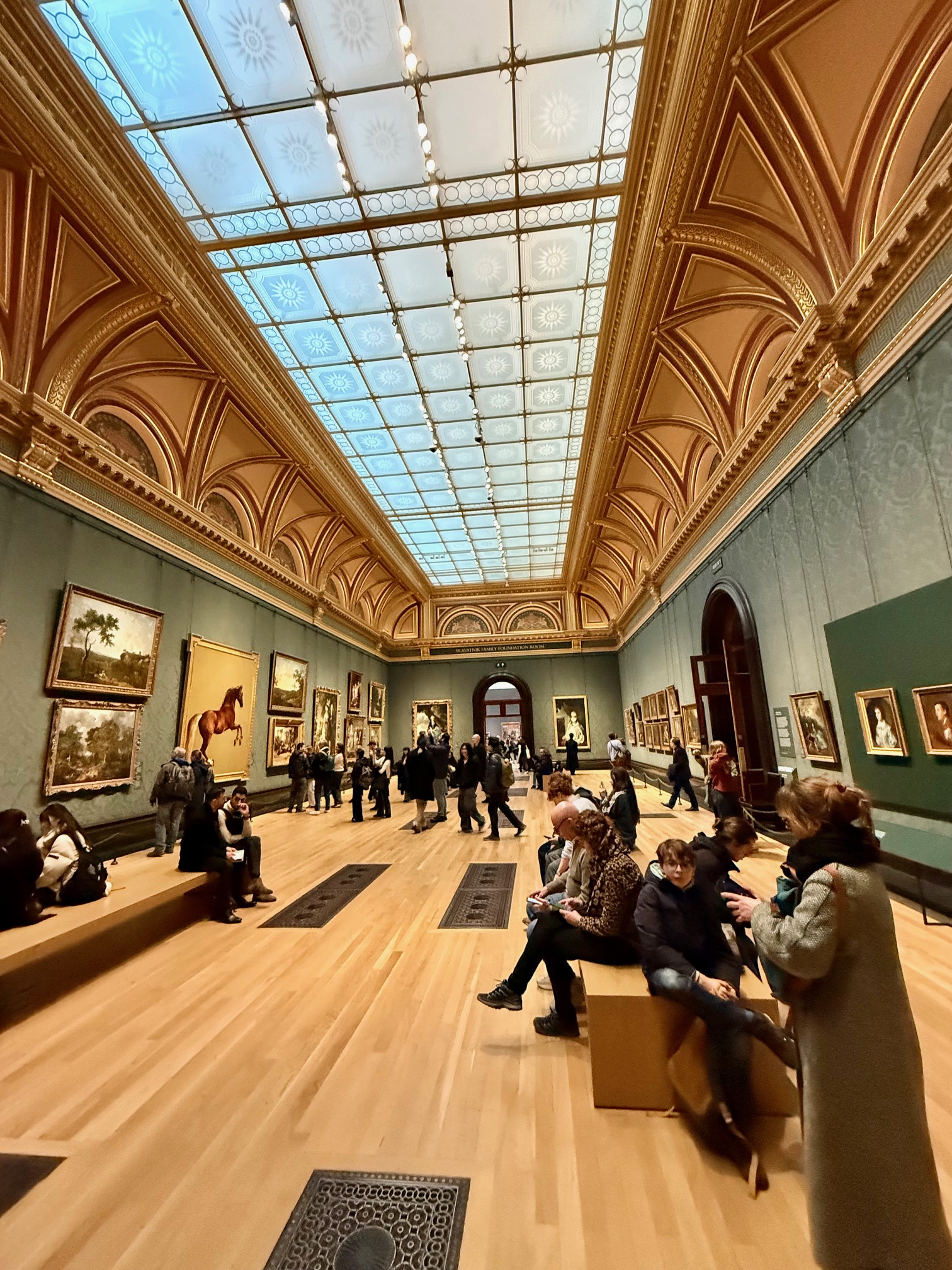
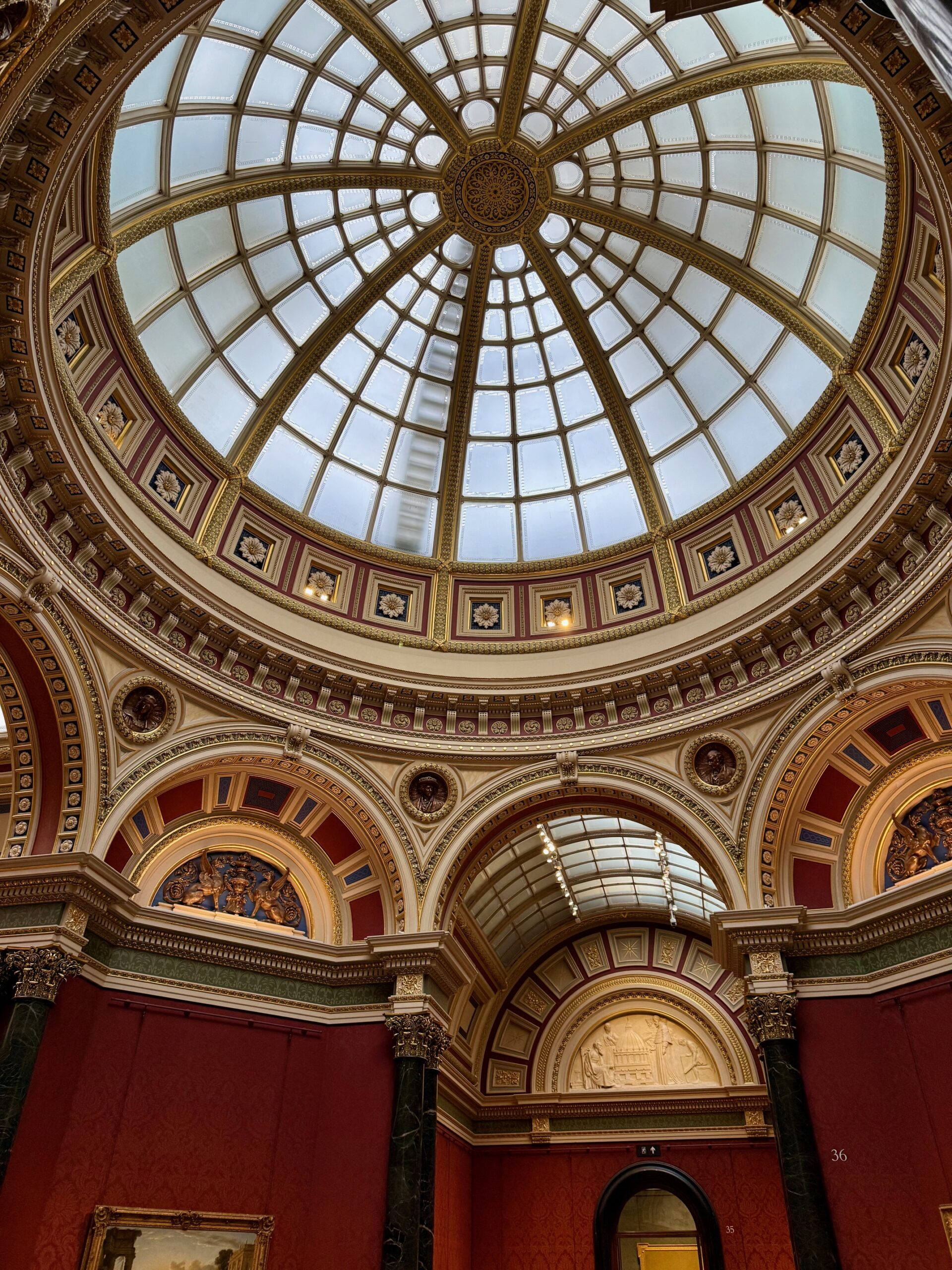
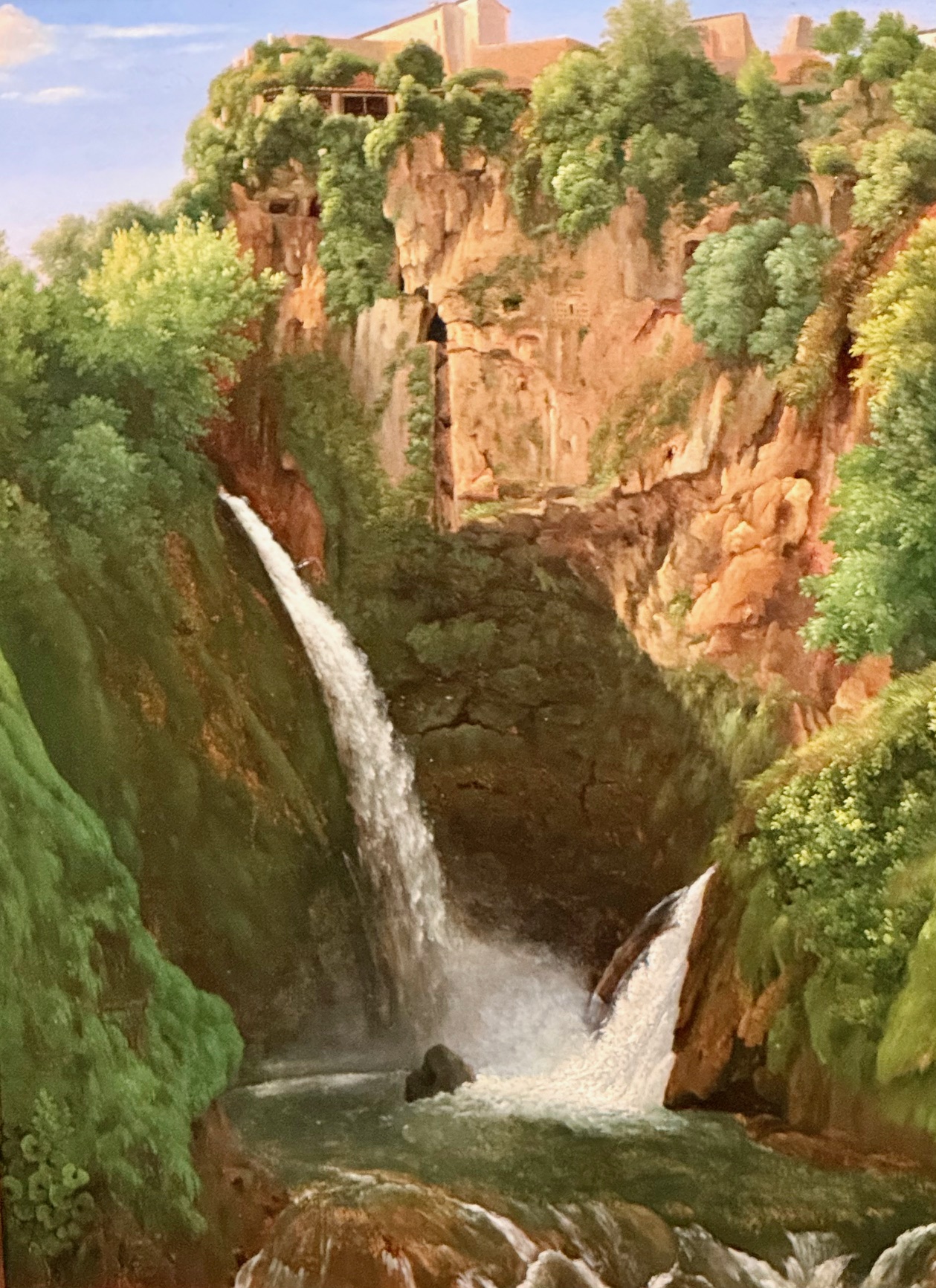
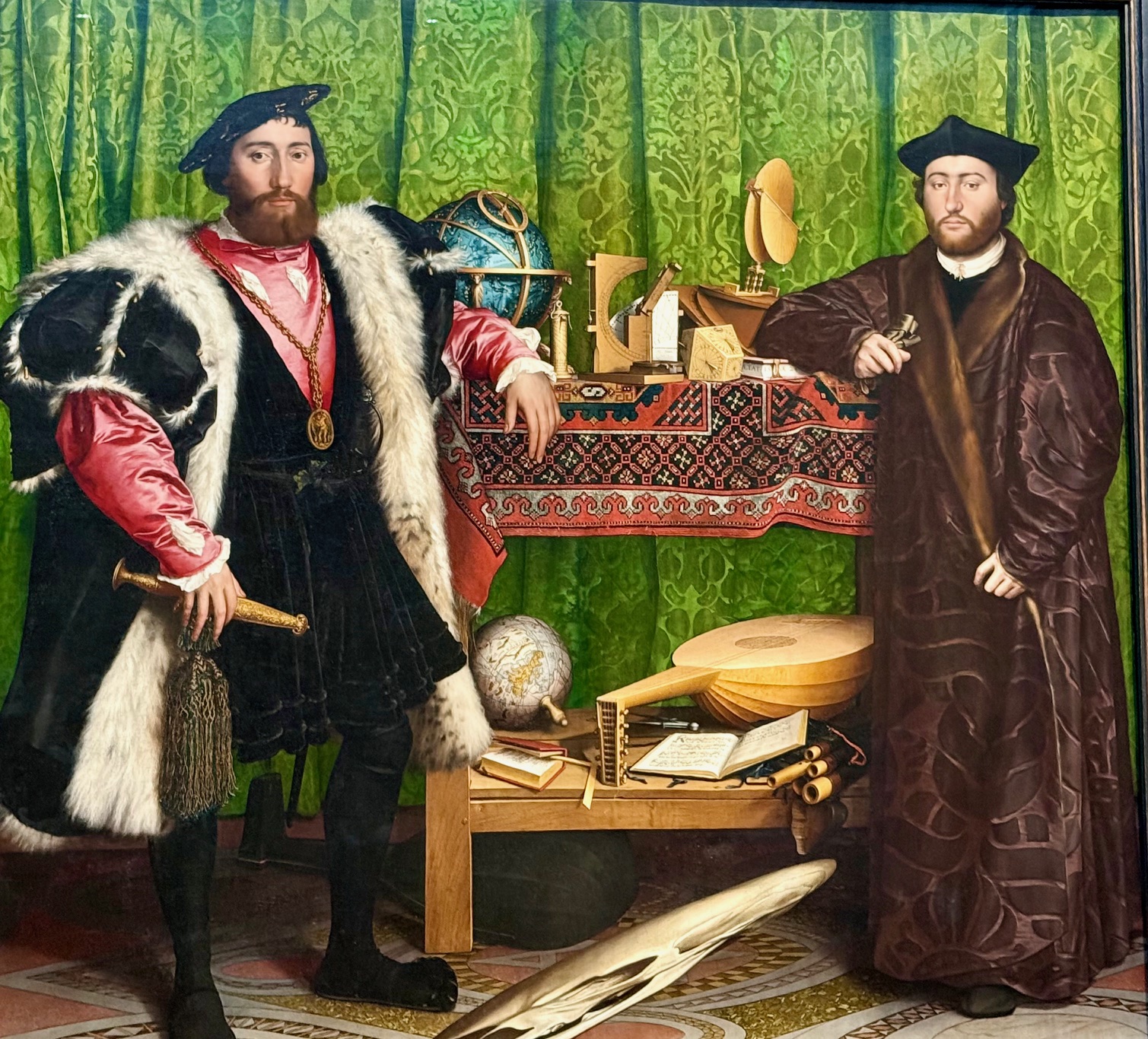
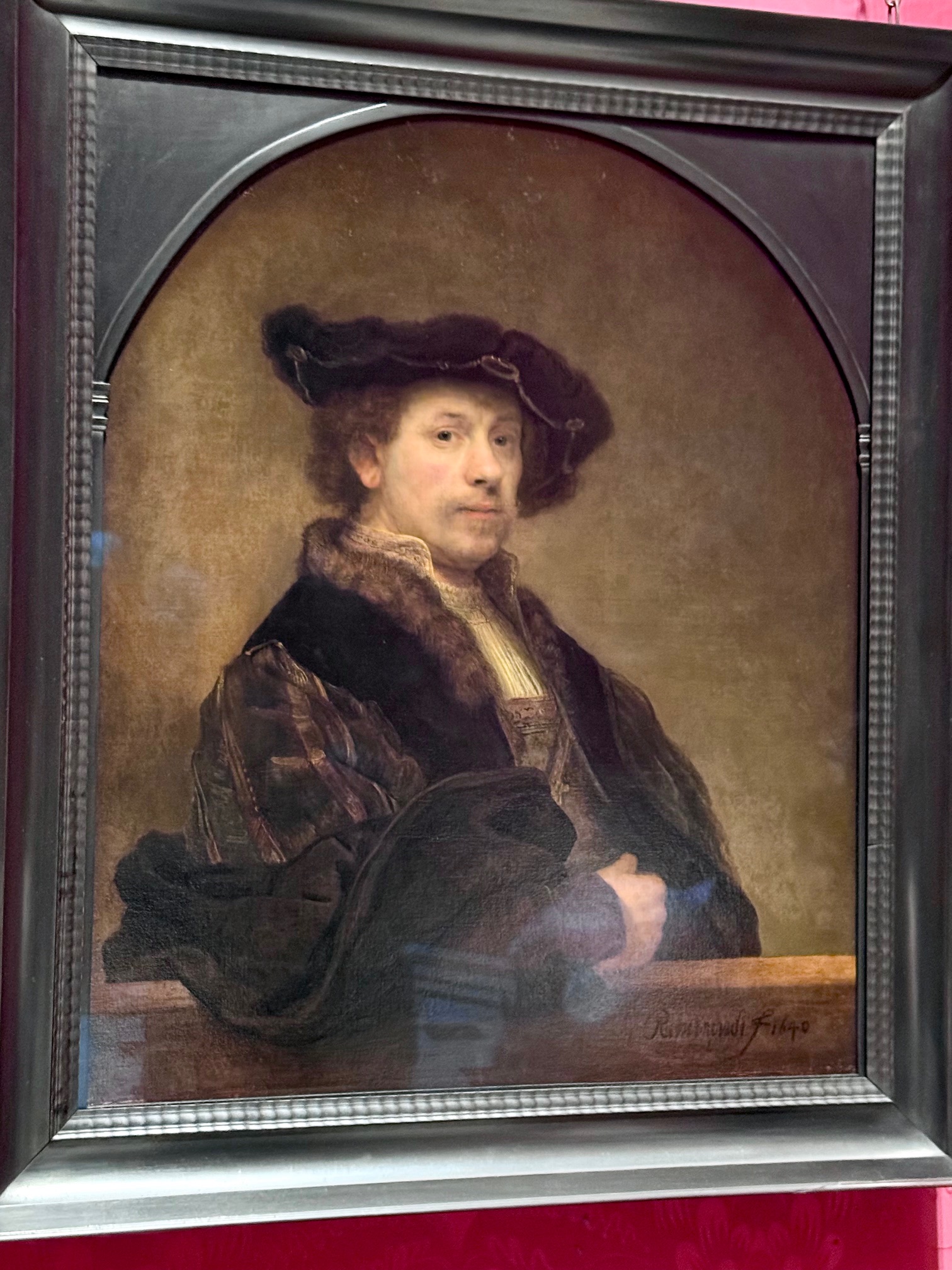
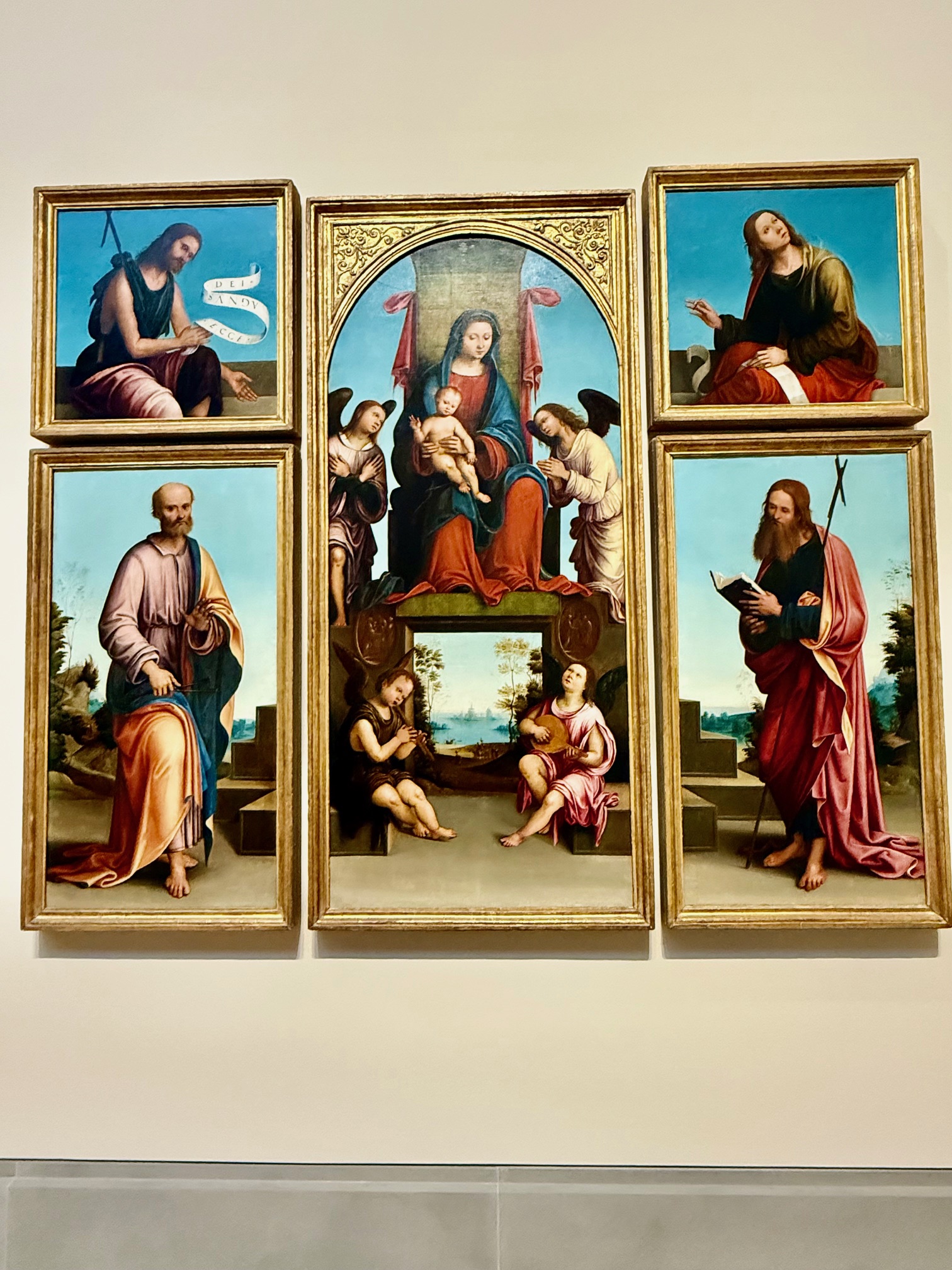
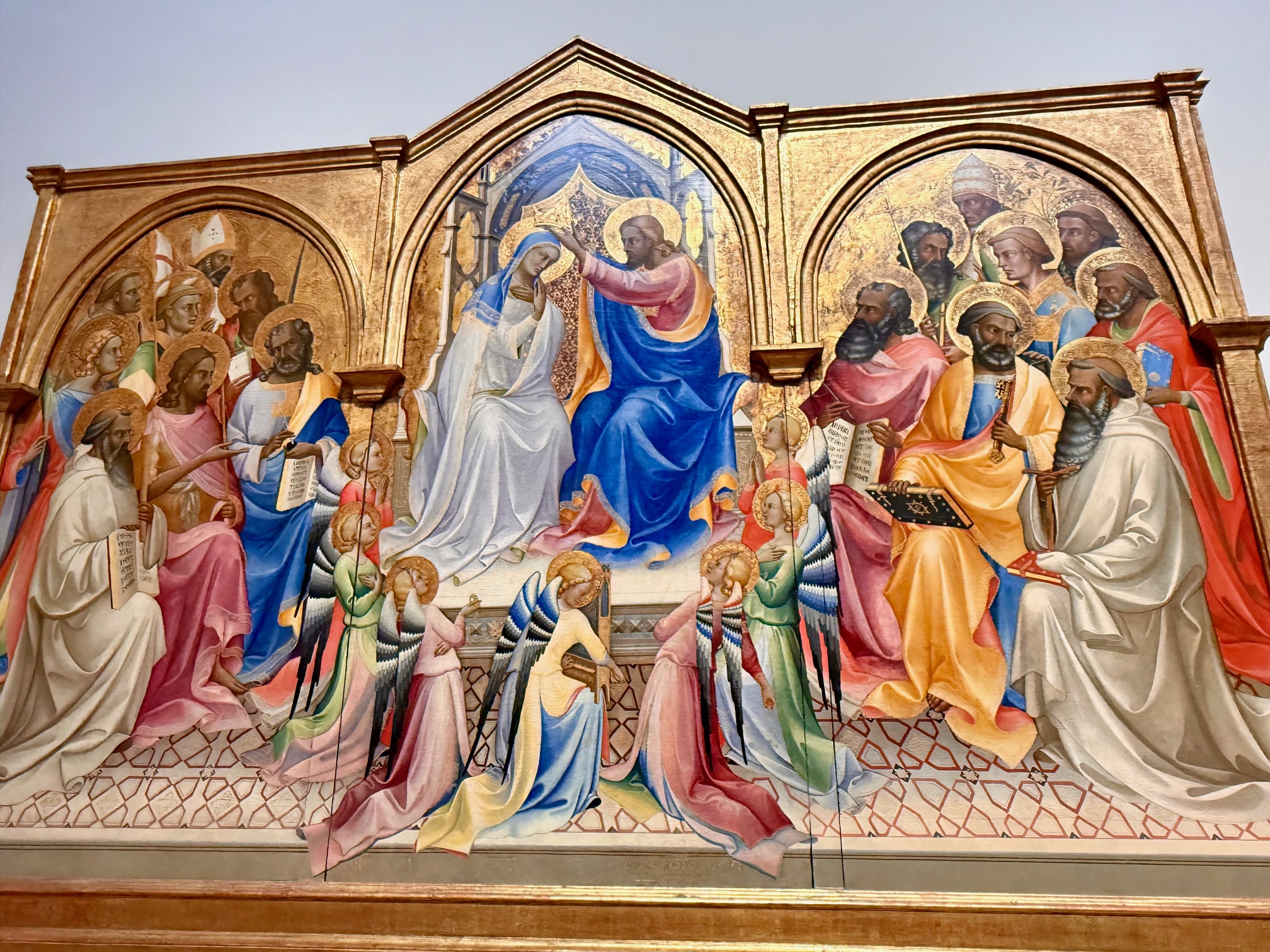
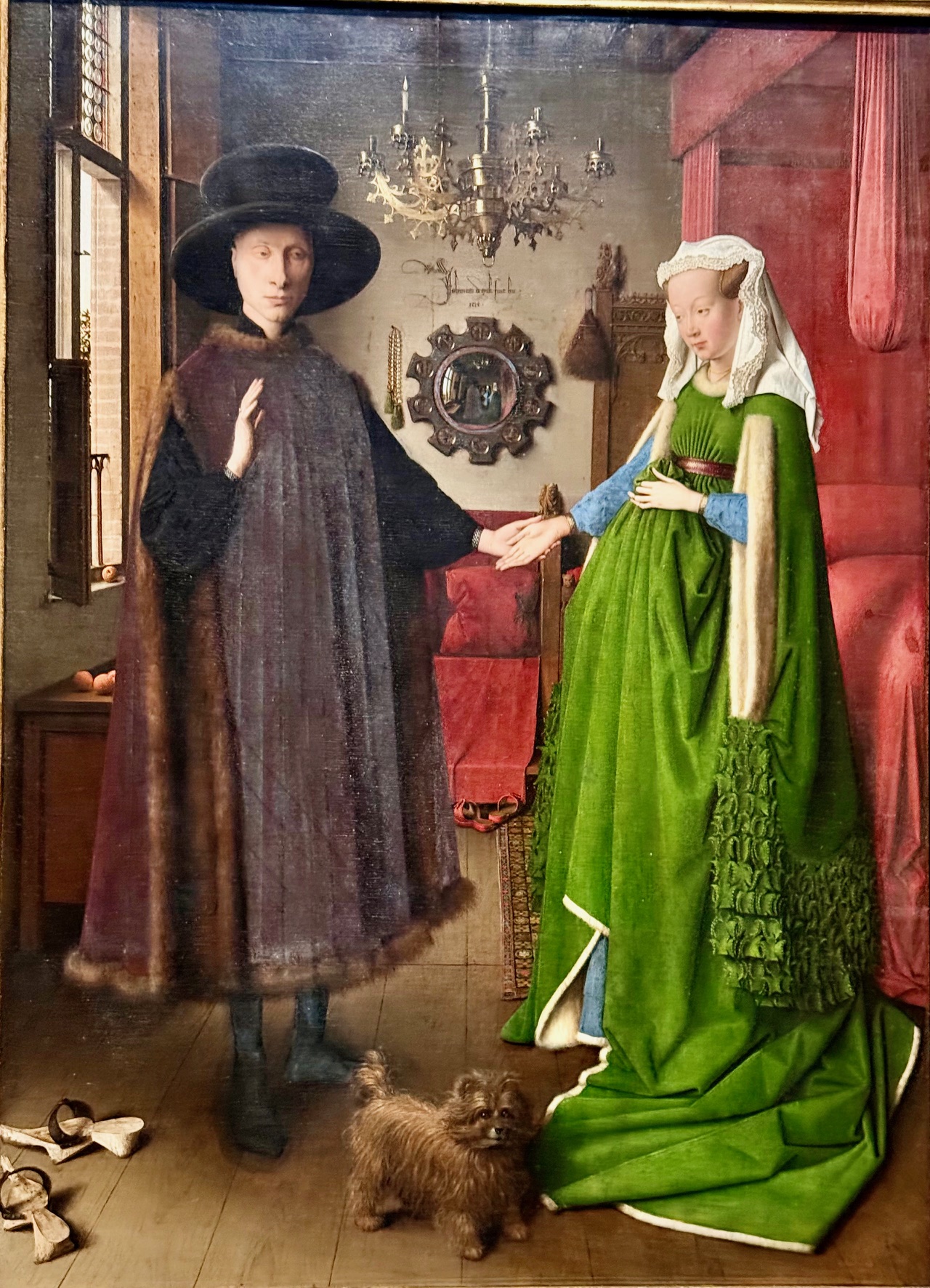
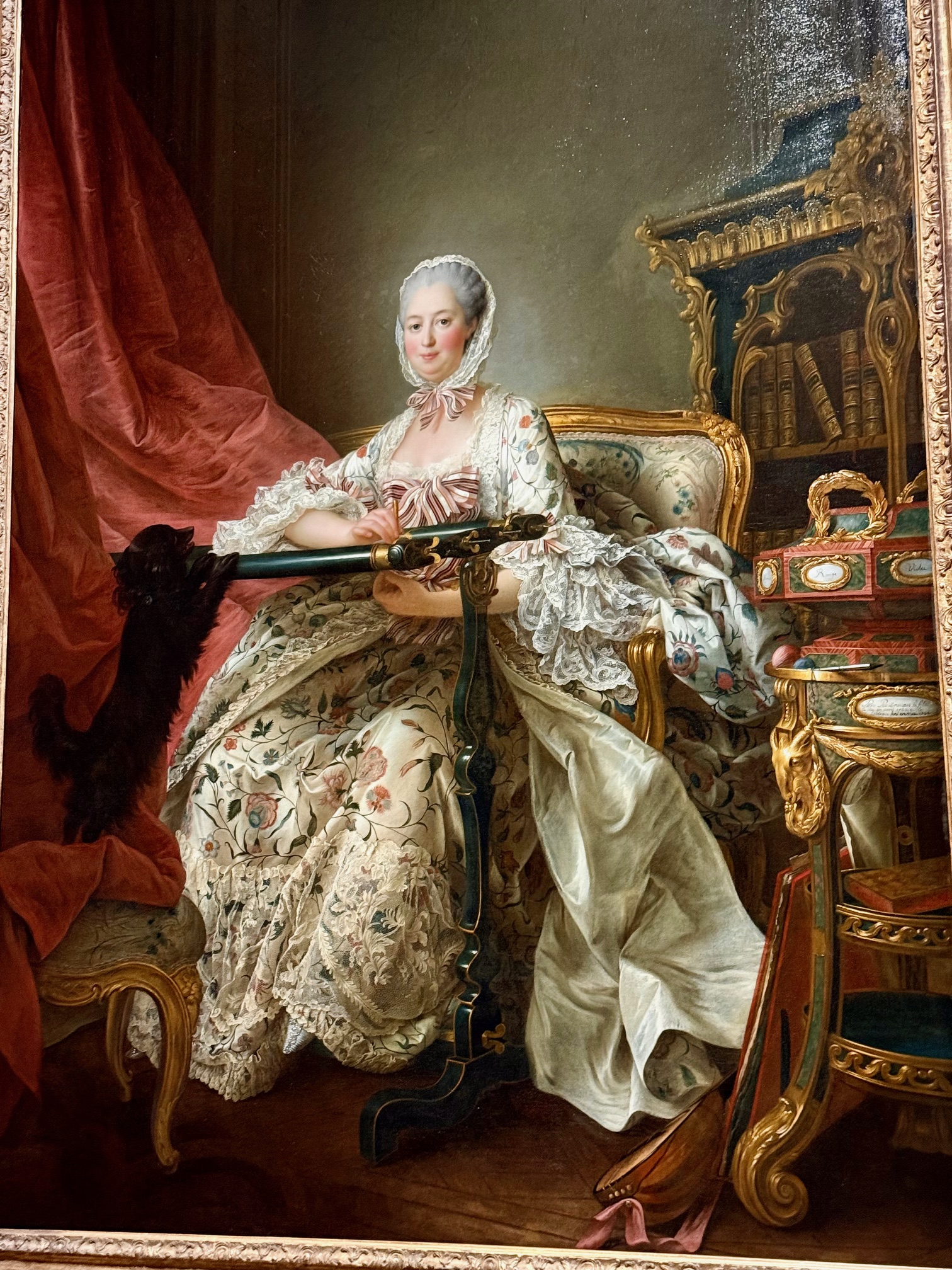
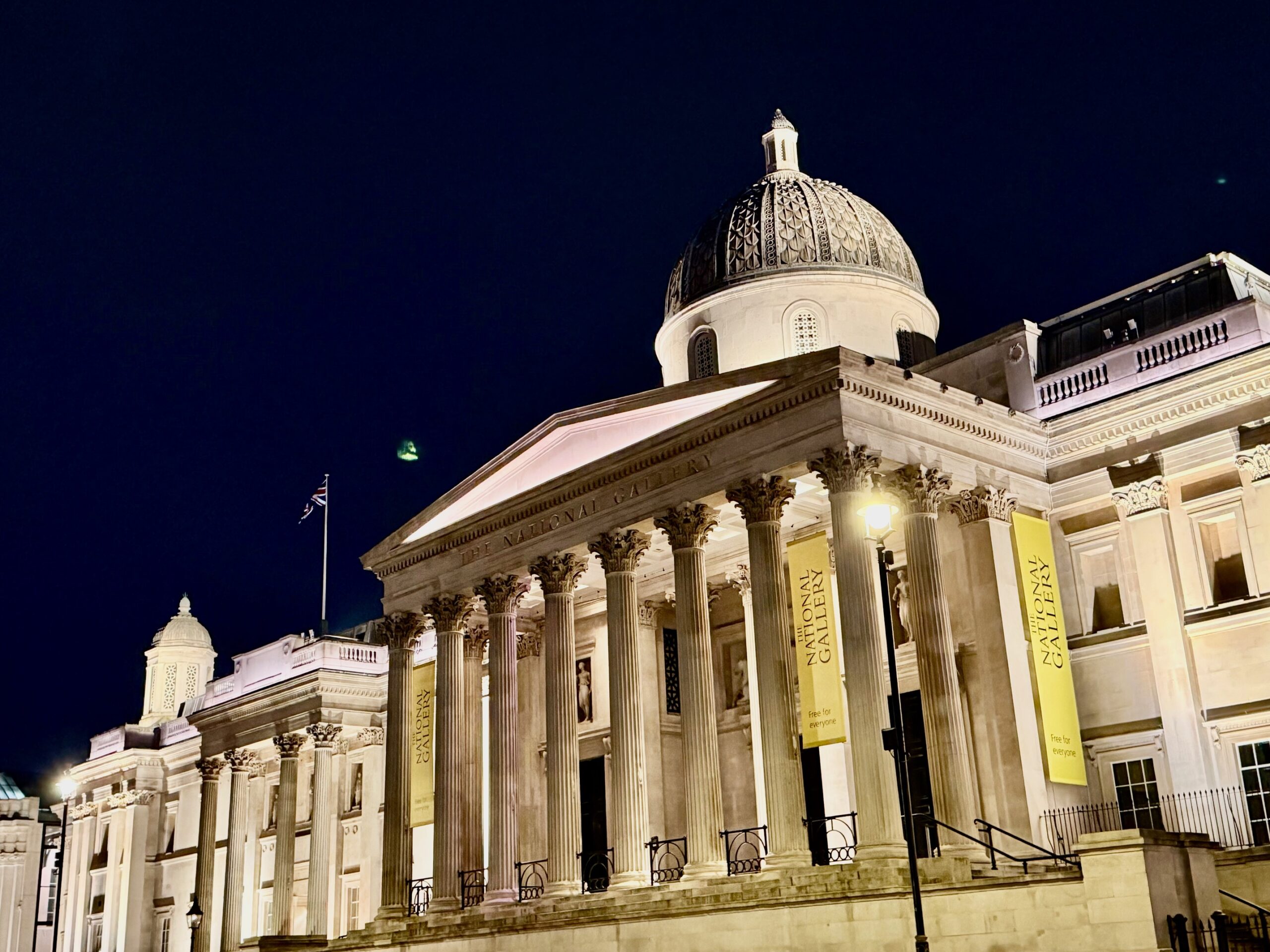
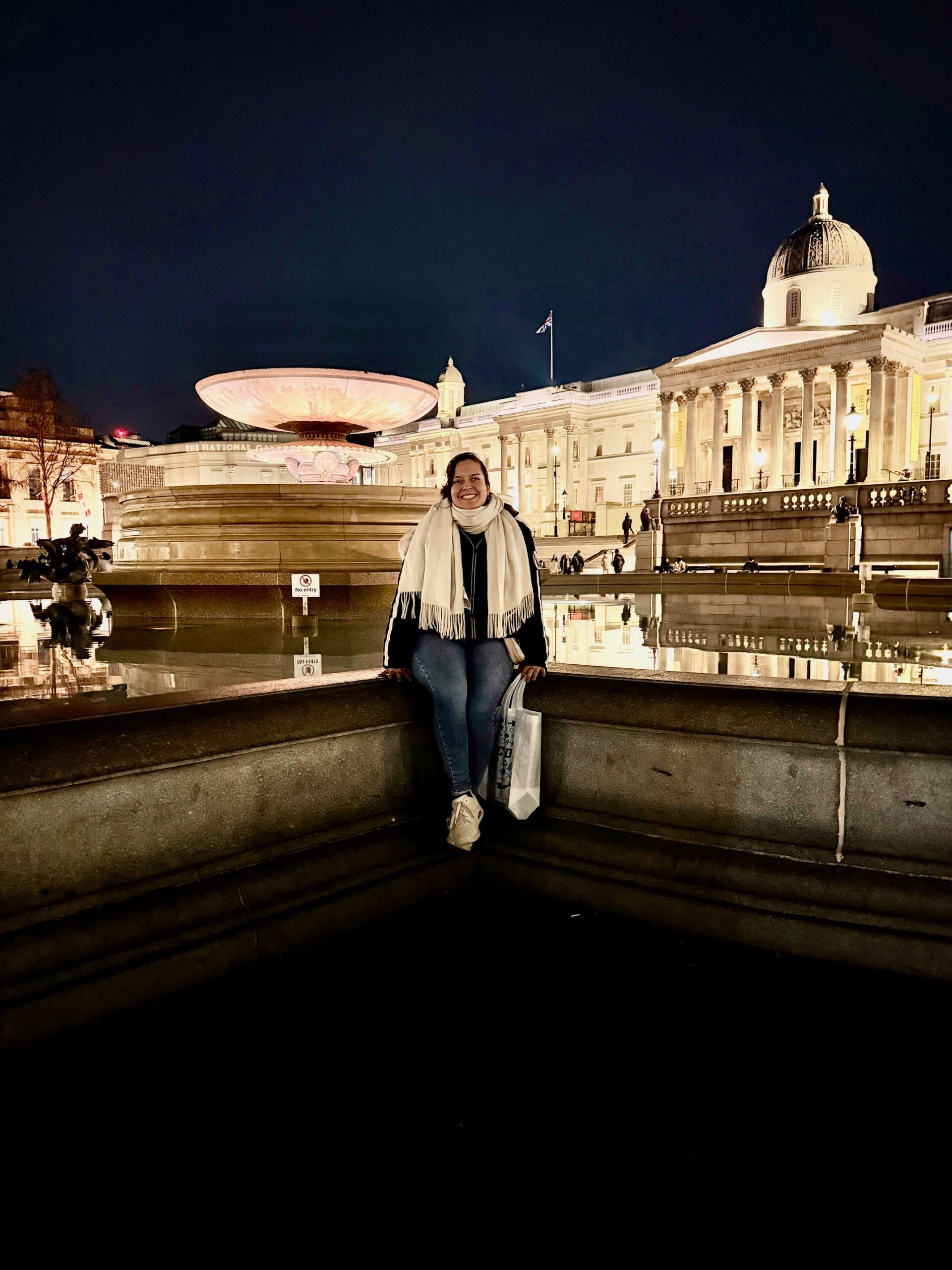
This museum I haven’t seen yet due to constructions every time I’m in the city. During my next visit I will give it a go once more though, since I have to have seen this. The National Gallery in London is one of the world’s most renowned art museums.You find this museum on Trafalgar Square and it was founded in 1824. As of today it houses a vast collection of over 2,300 paintings, covering Western European art from the 13th to the early 20th century. Its collection is especially strong in Italian Renaissance, Dutch Golden Age, and French Impressionist works. Some highlights include masterpieces by artists such as Leonardo da Vinci, Rembrandt, Turner, Van Gogh, Monet, Vermeer, Botticelli, and Caravaggio.
Note: One of the best things is that entry to the permanent collection is free (though once again special exhibitions may require tickets).


Nelson and a few lions
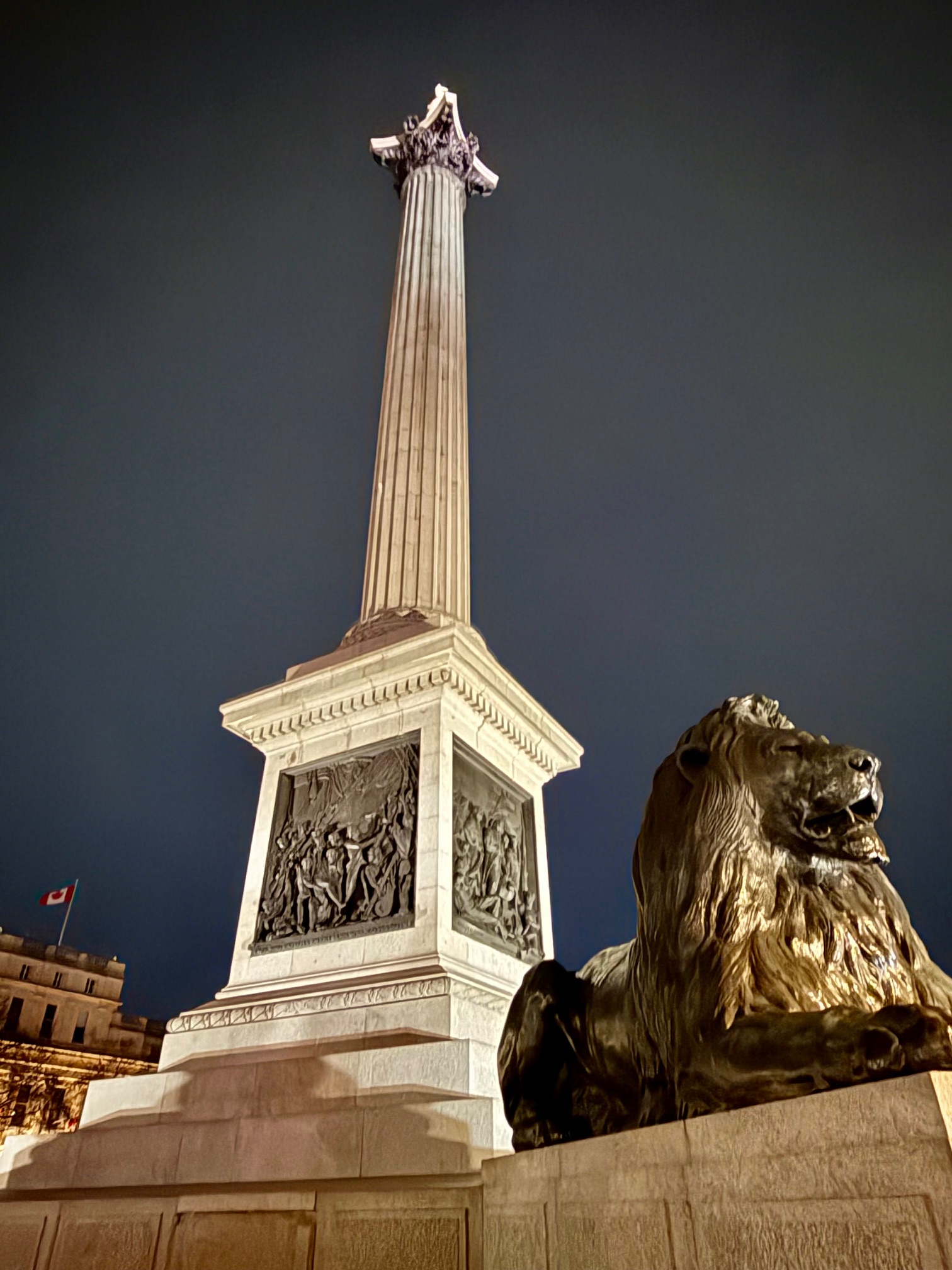
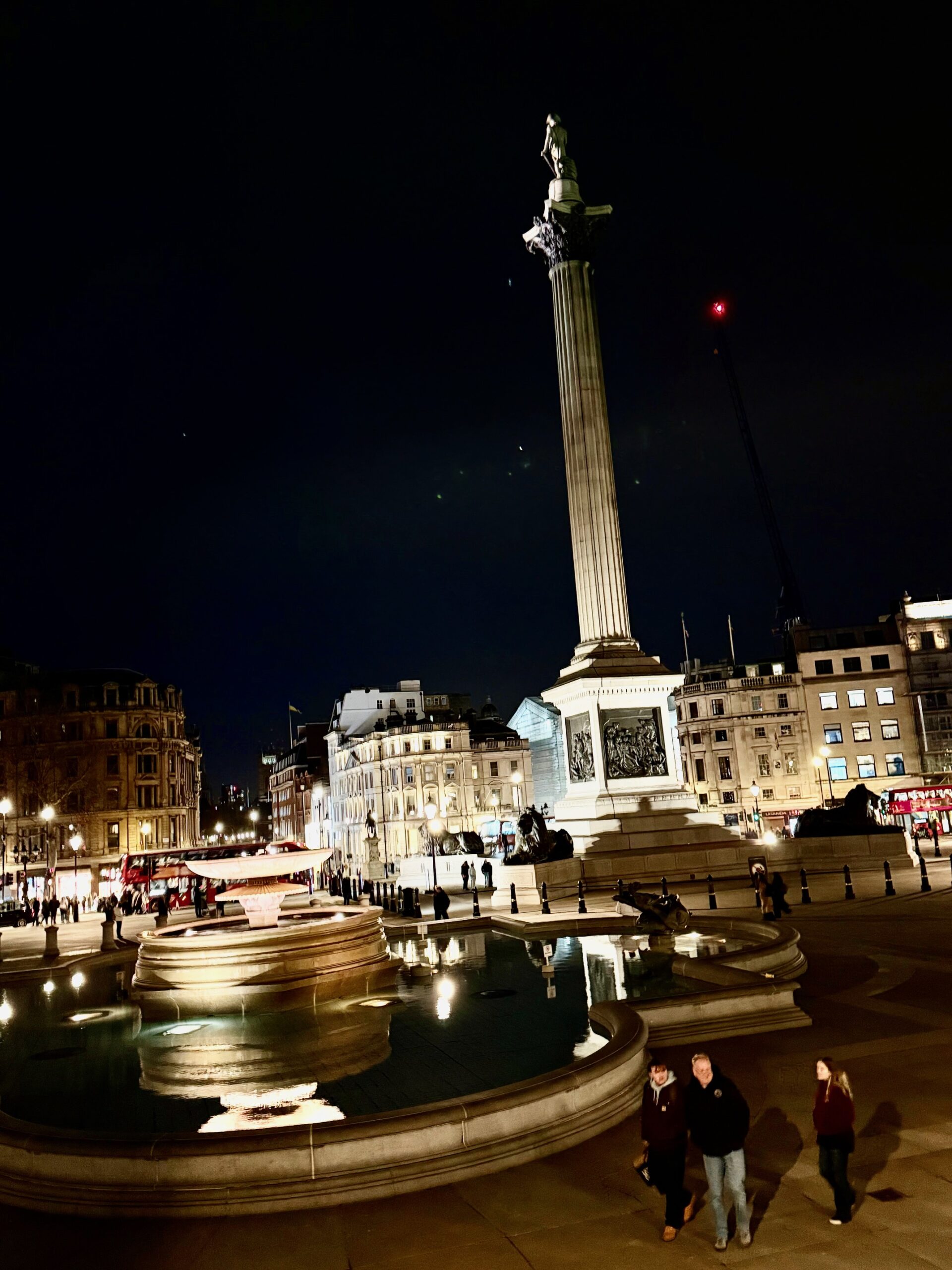
And when you decide to visit the National Gallery, make sure you make a short stop at Trafalgar Square as well. During the Napoleonic Wars, the British won a decisive naval battle at the Battle of Trafalgar. In commemoration of this victory, Trafalgar Square takes its name. In the middle of the square stands the impressive Nelson’s Column, a 50-metre-high pillar with a statue of Nelson on top and bronze lions at its base. Around the square, you will also find fountains, statues, and the famous Fourth Plinth.
Times Square of London
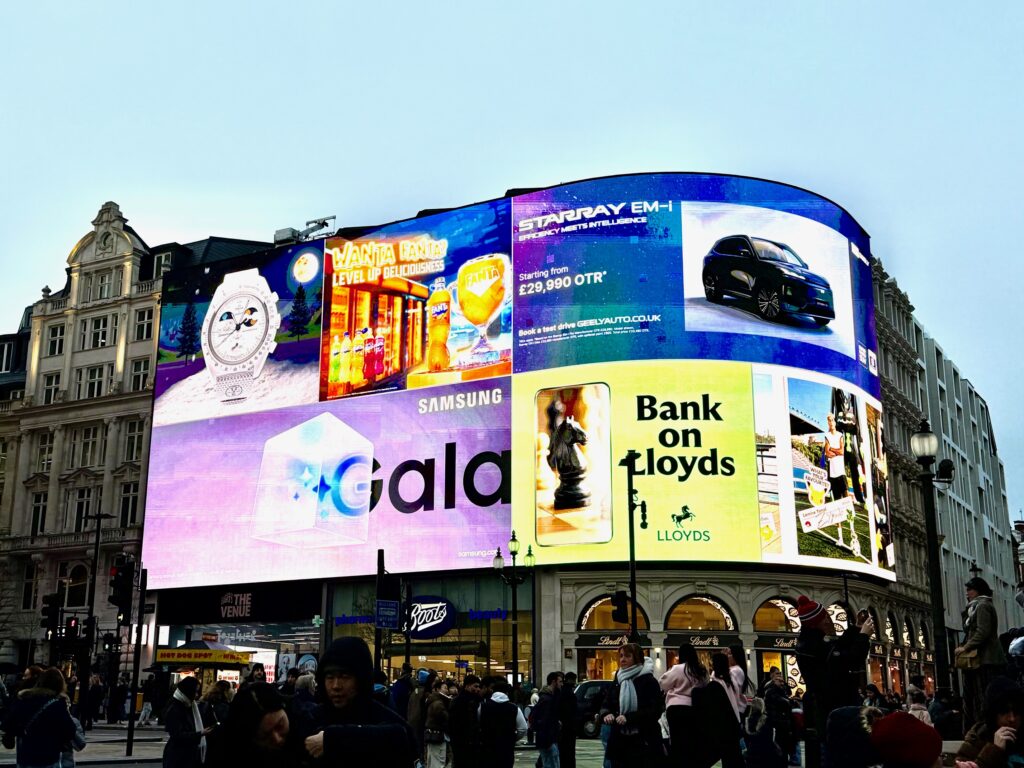
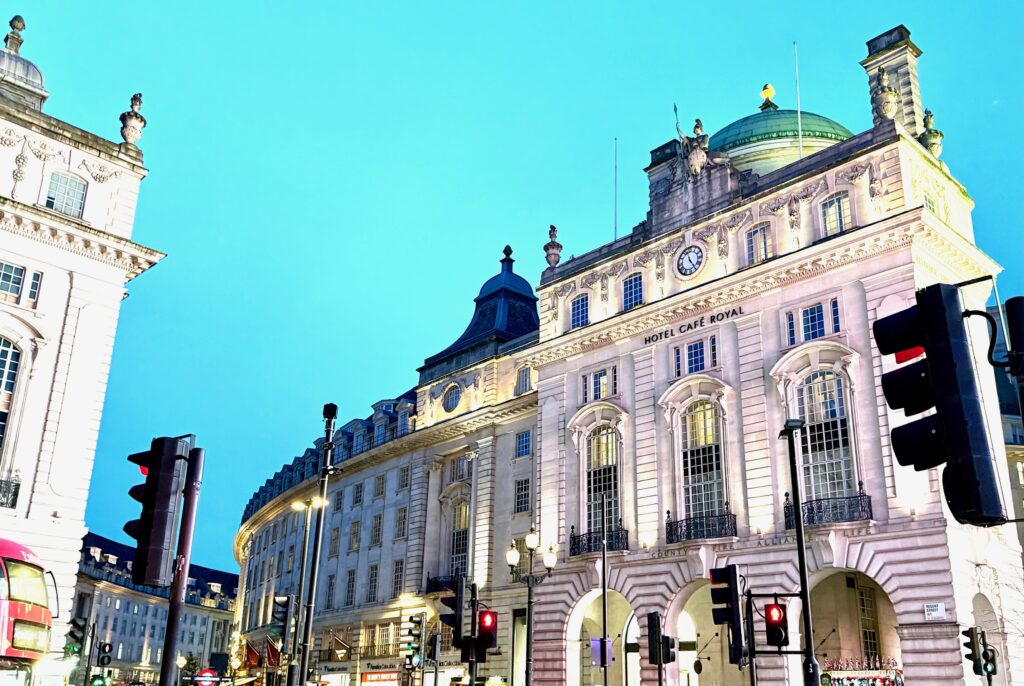
A little walk away from Trafalgar Square lies Piccadilly Circus with its enormous billboards (Time Square of London if you ask me). Piccadilly Circus is more of a busy crossroad, a roundabout connecting famous streets such as Regent Street, Shaftesbury Avenue, Ceventry Street and Piccadilly. In the middle of it all rises a fountain to the sky with a statue of Anteros on top: the God of unanswered love.
The Broadway of London
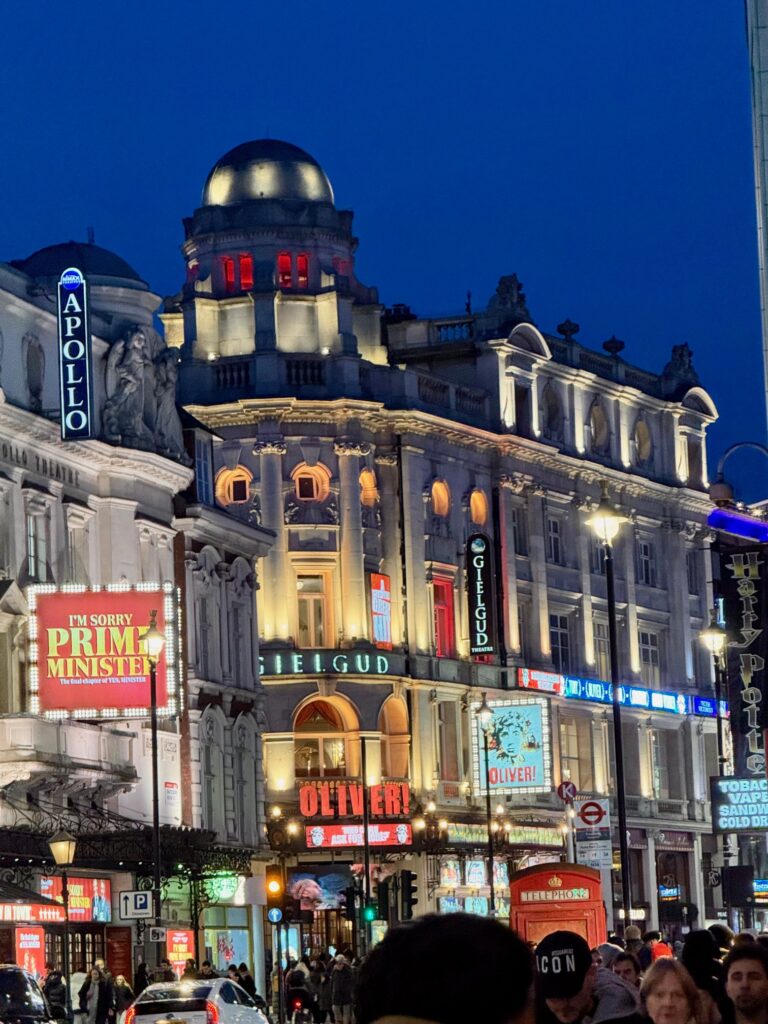
The West End is the famous theatre and entertainment district in central London, often compared to Broadway in New York. It is home to a wide range of theatres, musicals, plays, cinemas, restaurants, and nightlife, making it one of the city’s most vibrant cultural areas. Shaftesbury Avenue is a major street running through the heart of the West End. It is has a high concentration of well-known theatres, such as the Palace Theatre, the Lyric Theatre, and the Apollo Theatre, making it a central hub for London’s stage productions.
Concert Hall and more at Hyde Park
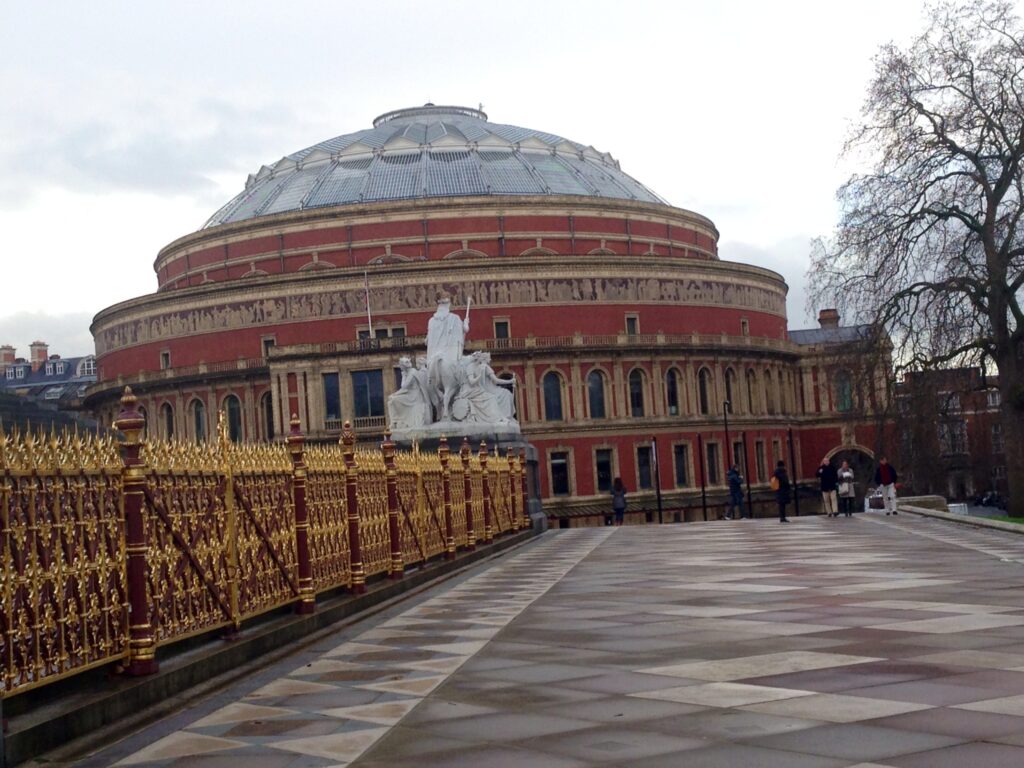
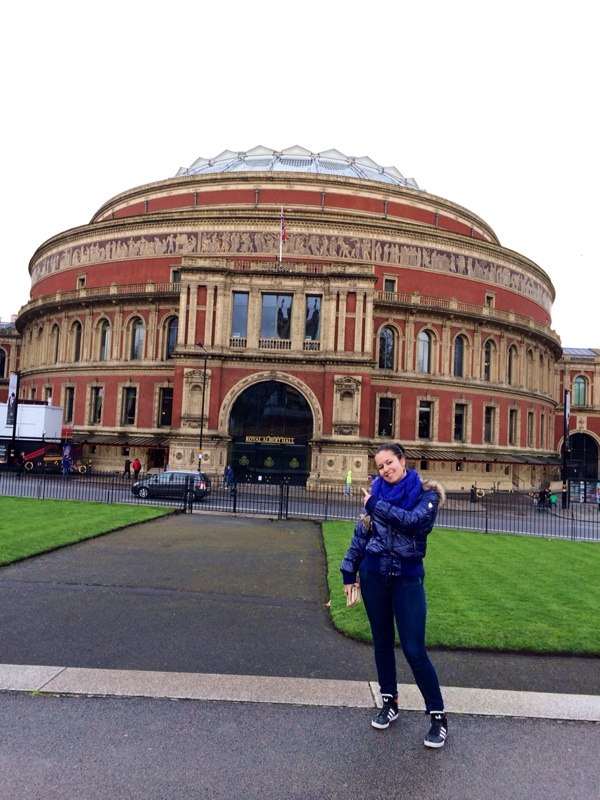
To be honest, we weren’t even looking for this attraction. We were strolling through Kensington Gardens when suddenly this dome-shaped, reddish-orange building appeared in front of us. I even had to look it up, but the striking architecture immediately caught my eye. We had stumbled upon the Royal Albert Hall. This round theatre was built in 1871, inspired by Prince Consort Albert’s idea. Ever since, world-class performers have taken the stage here. Not just concerts, but also theatre plays, operas, ballets, and many other performances are held in this iconic venue.
Fun fact: one of the biggest annual events at the Royal Albert Hall is the BBC Proms, held every summer and famously concluded with the “Last Night of the Proms.
A garden with a view
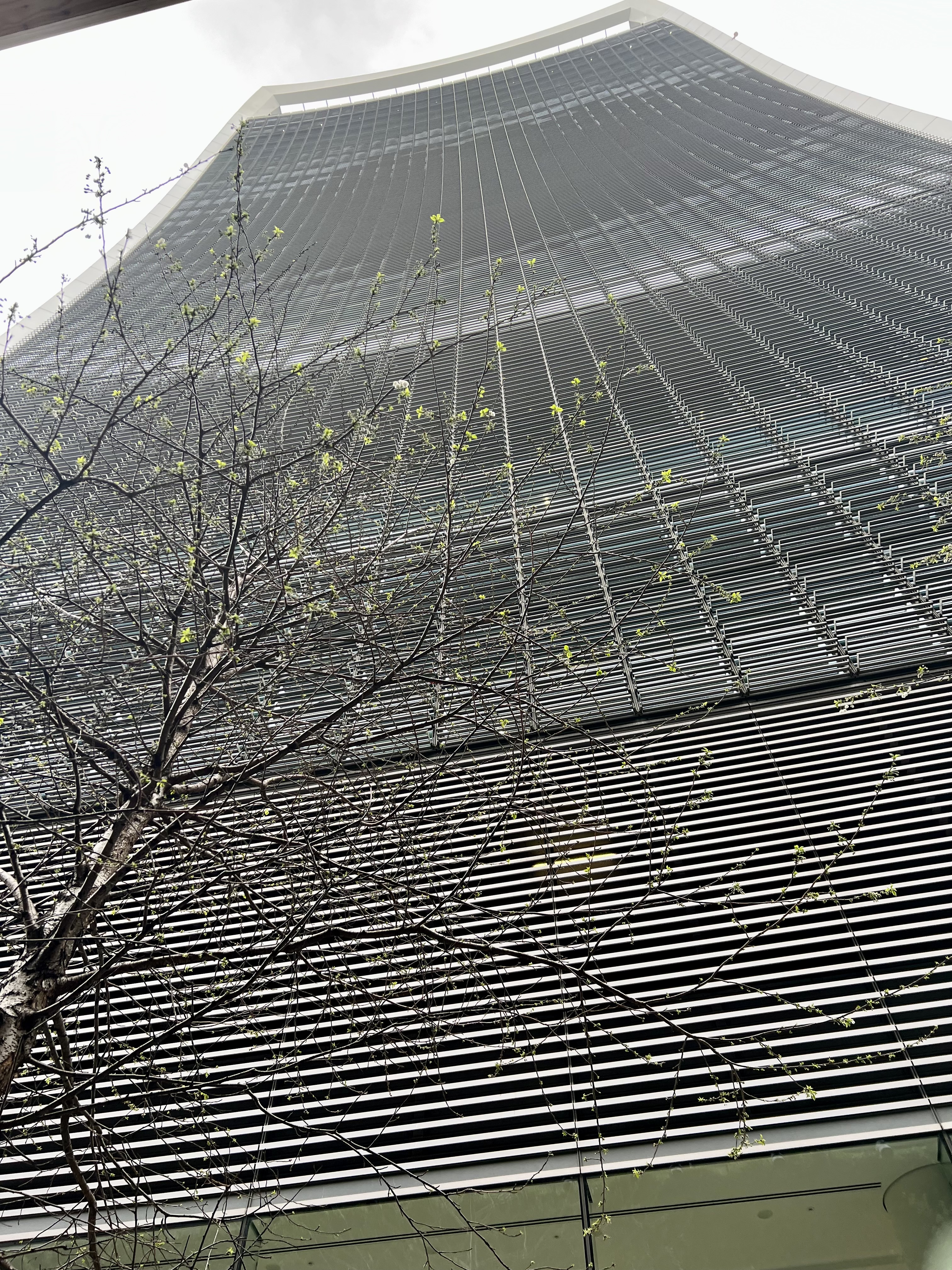
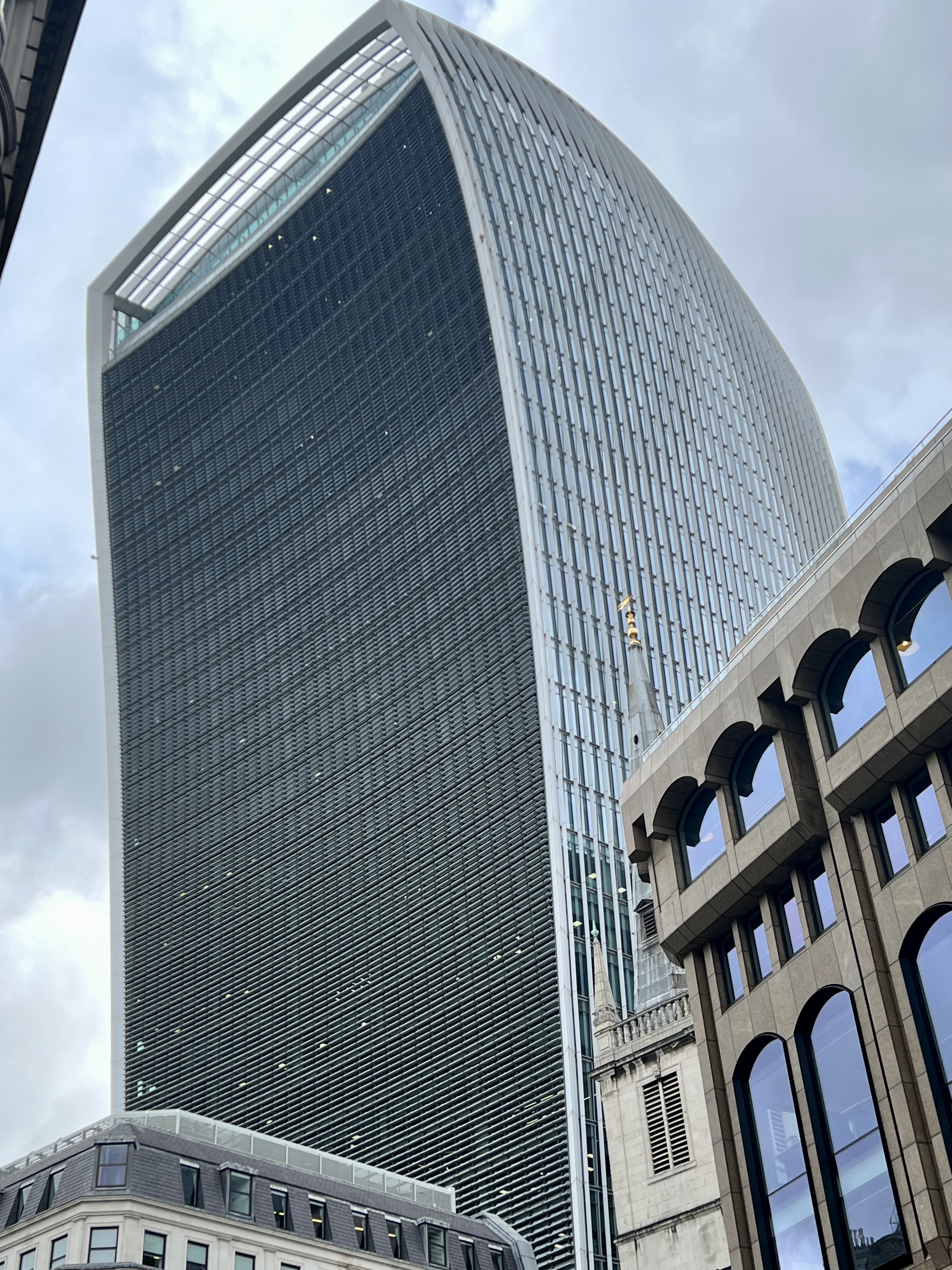
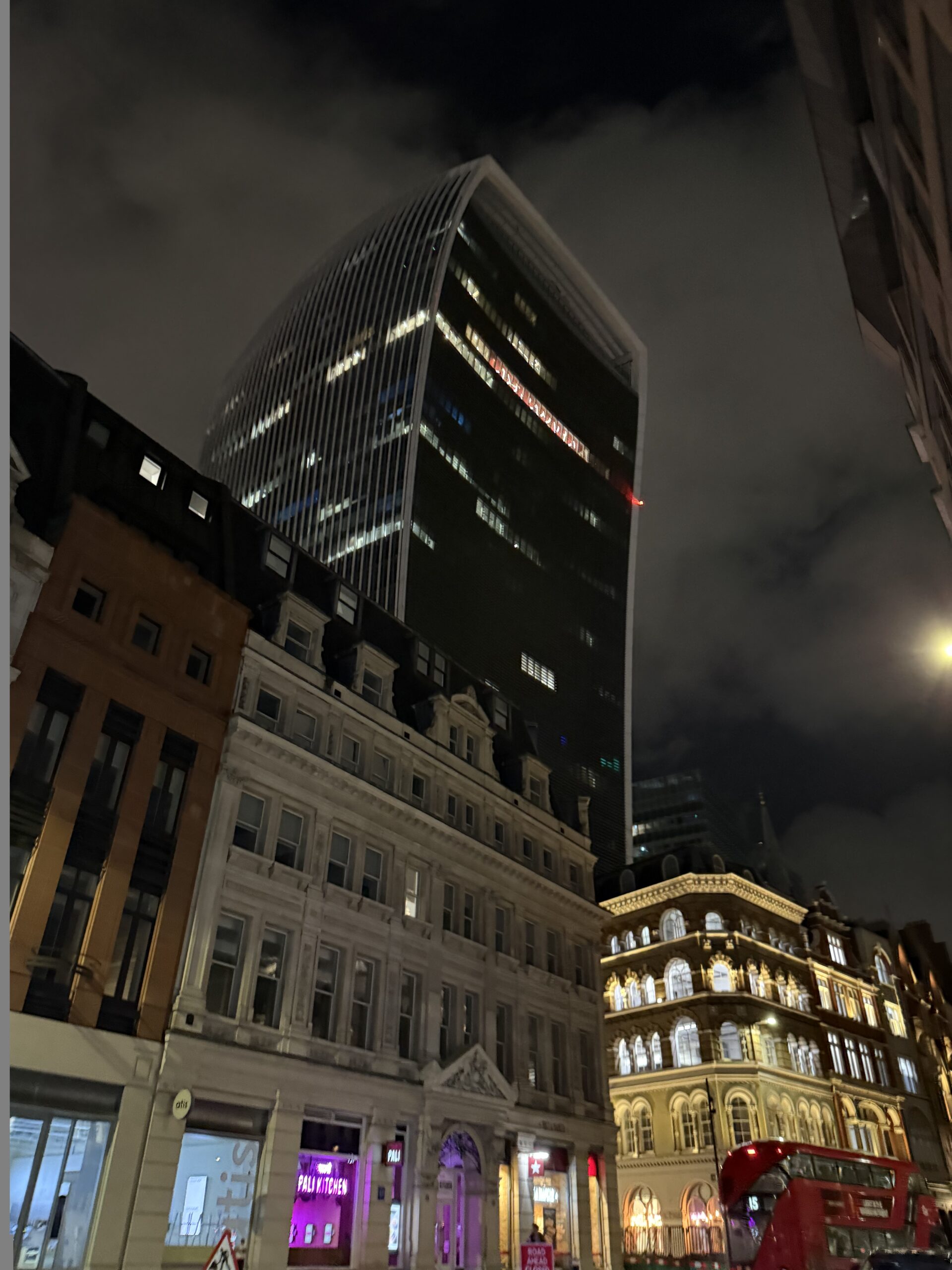
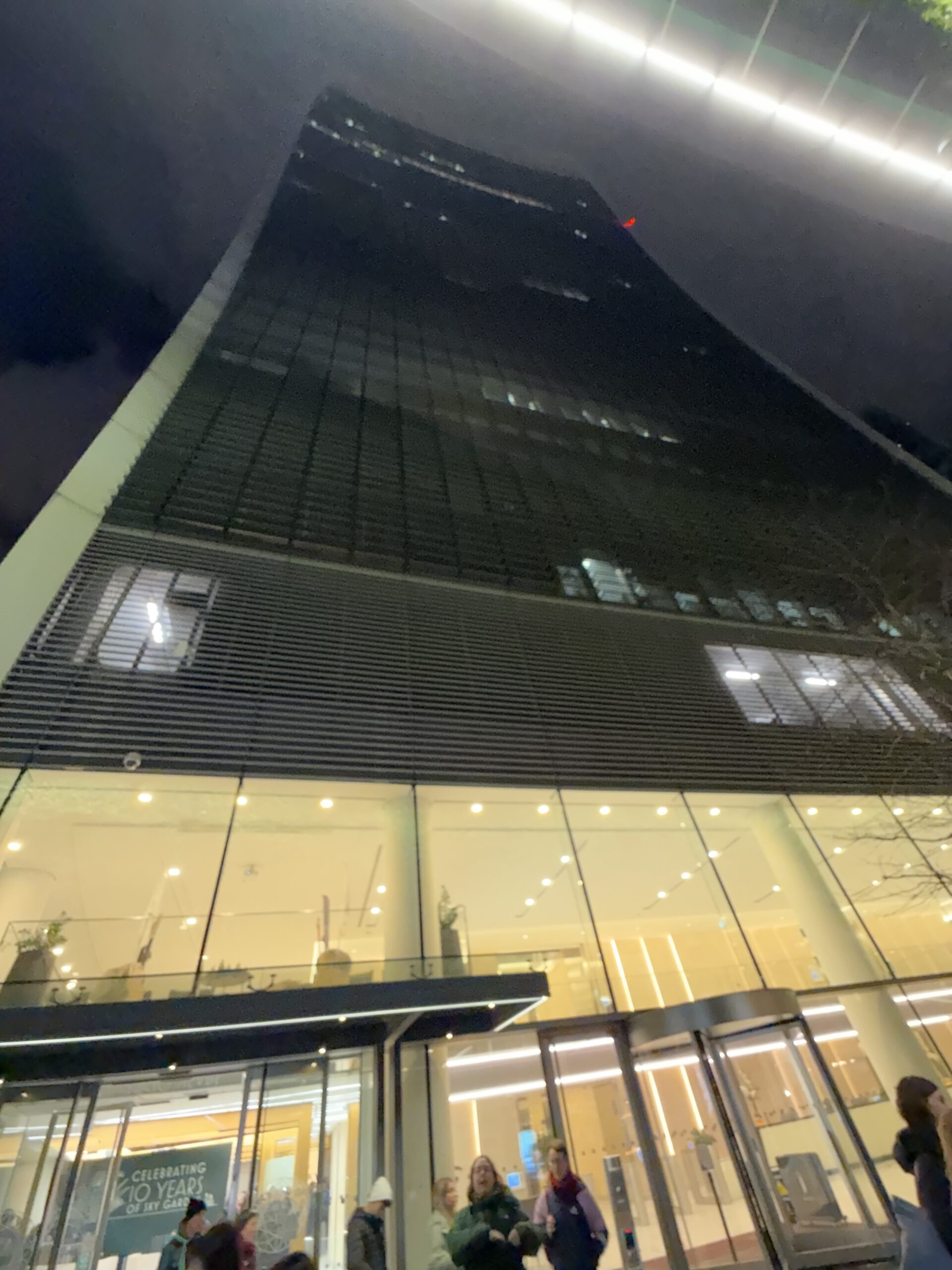
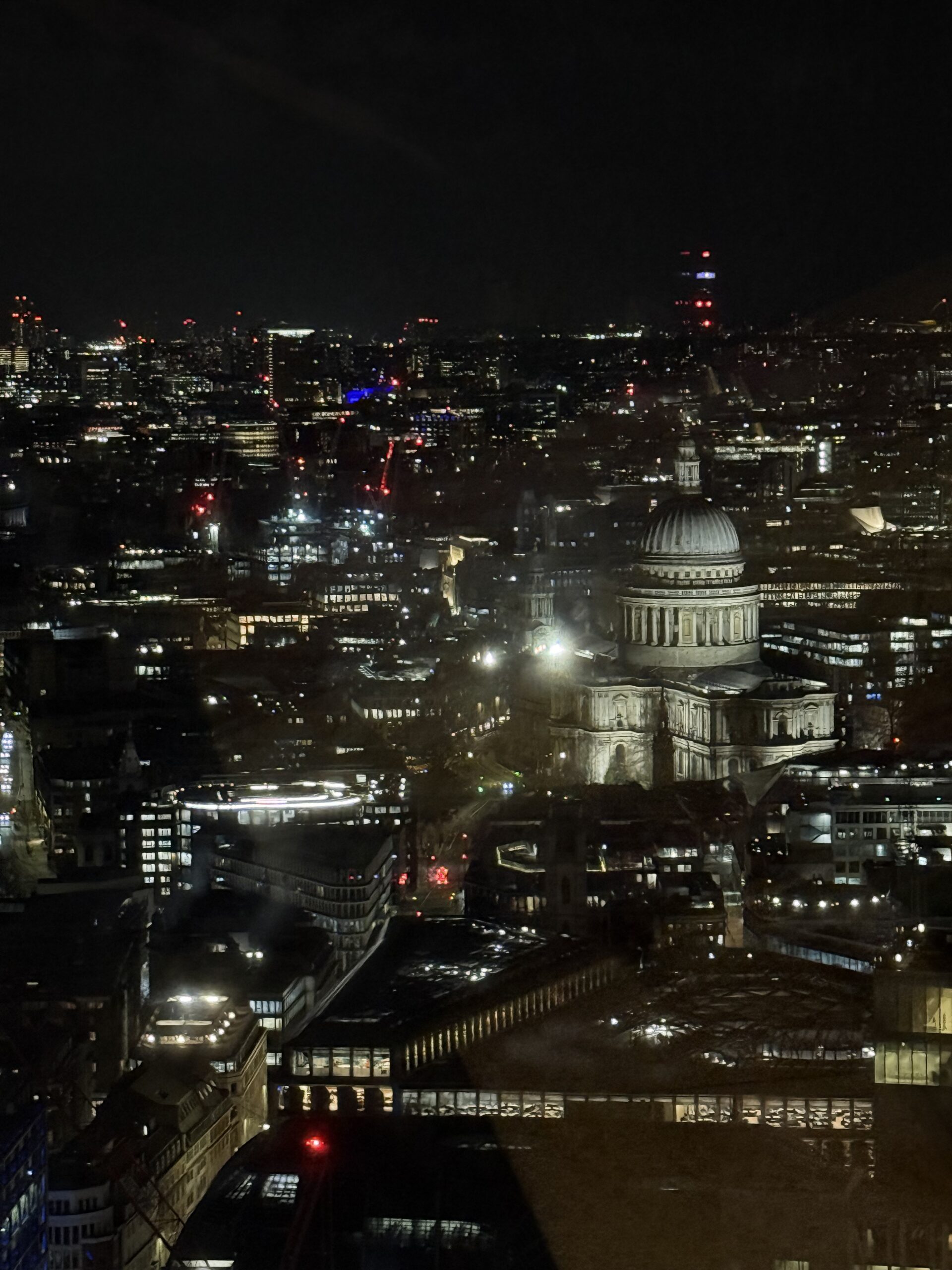
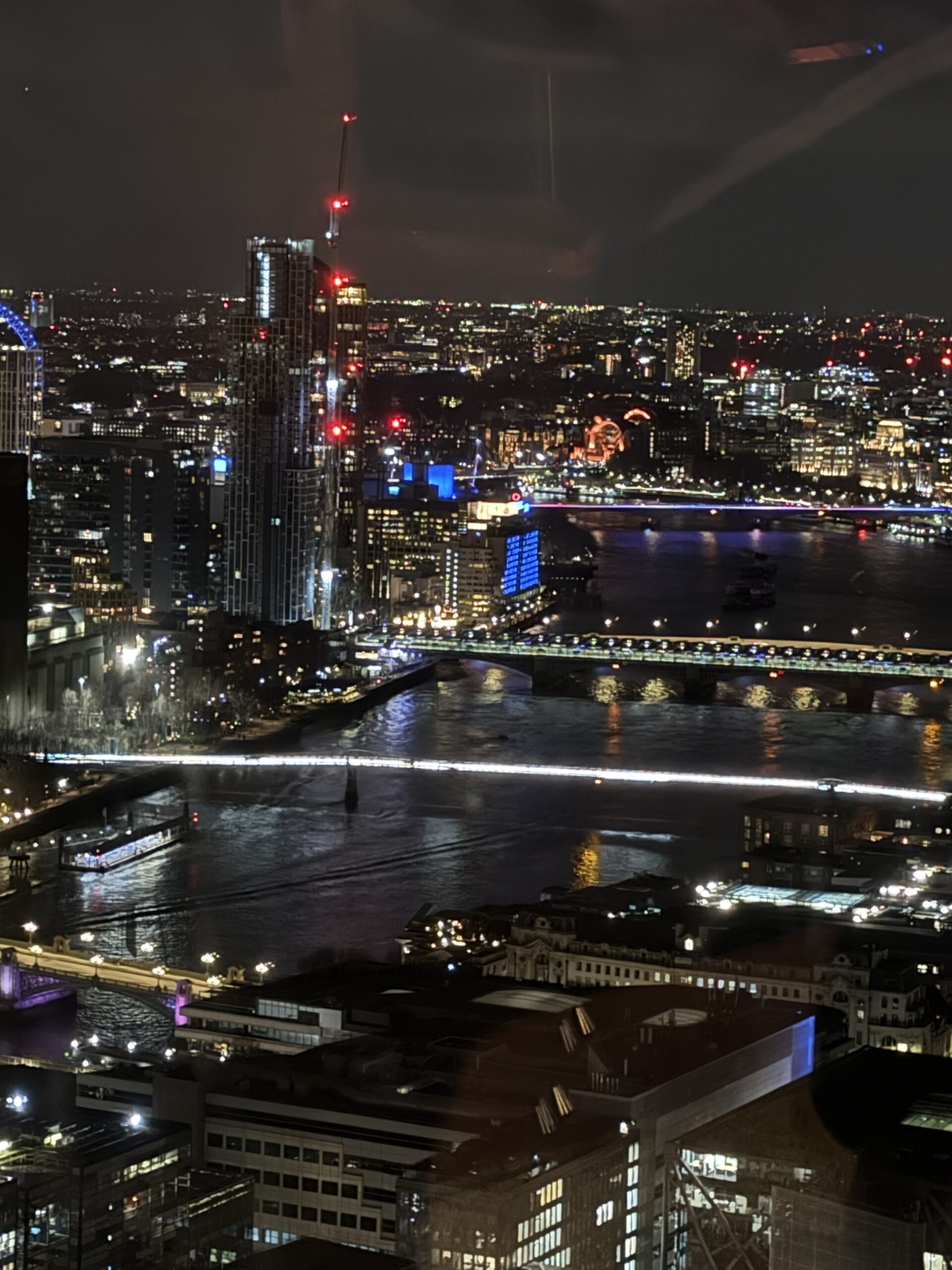
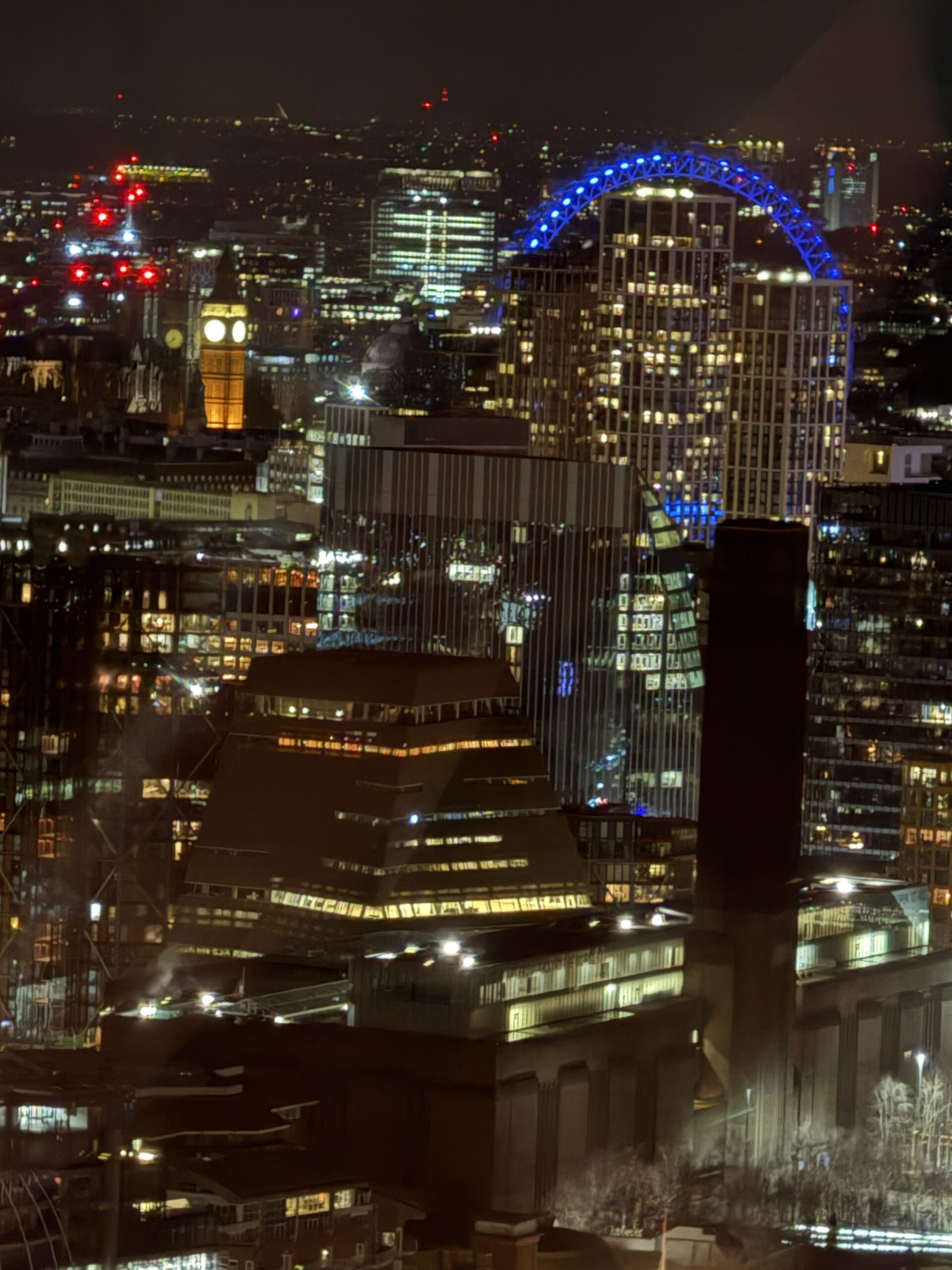
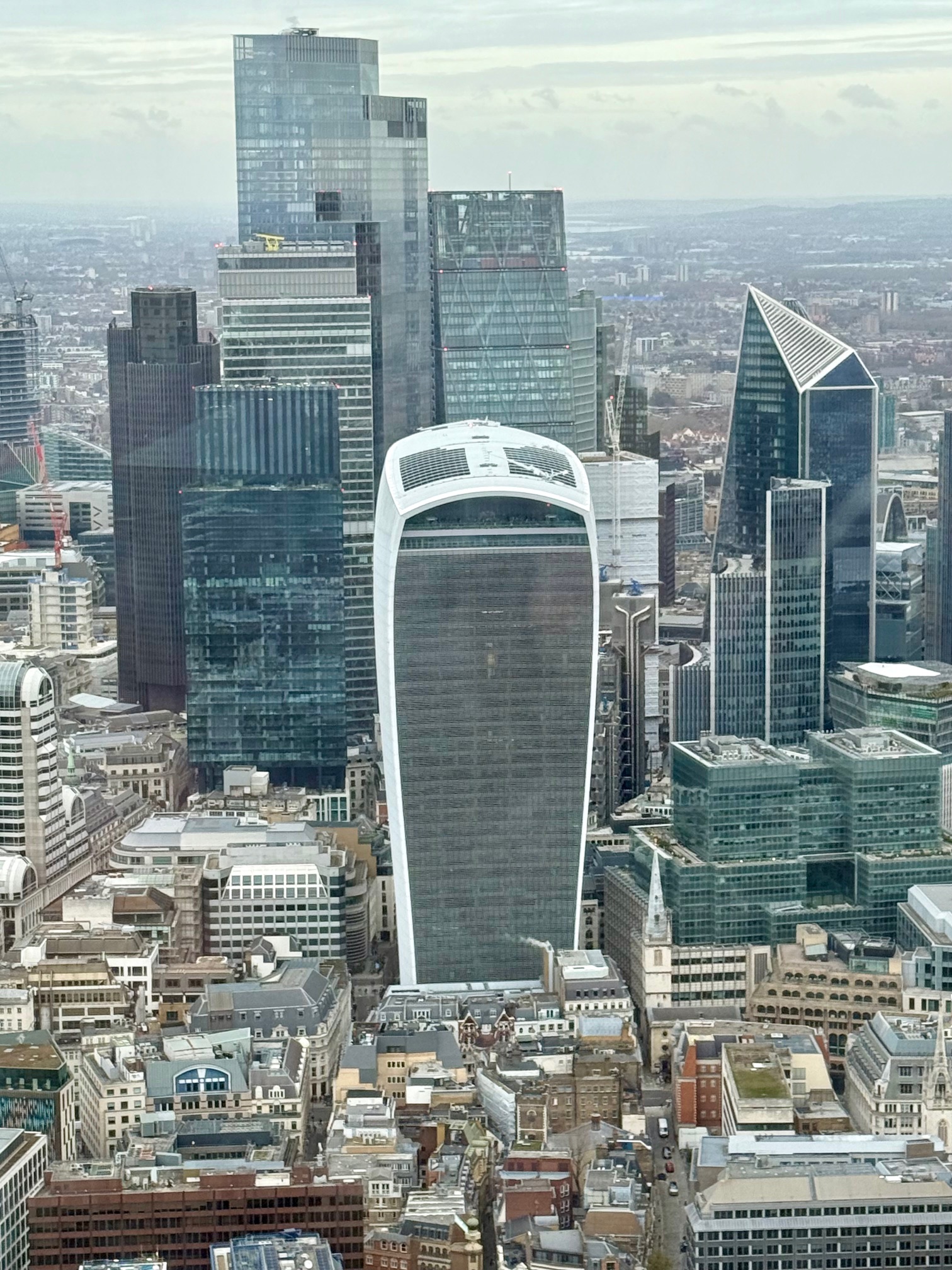
Imagine a massive indoor garden inside a skyscraper, with sweeping views of London. Sounds like I’m daydreaming? Not at all—it actually exists! Sky Garden is London’s highest public garden, set inside the 160-metre tall “Walkie Talkie” building at 20 Fenchurch Street (named after its unusual shape). Spread over three floors, you’ll find landscaped greenery, an open-air terrace, and even restaurants. From the 35th, 36th, and 37th floors, you get stunning views of Tower Bridge, The Shard, and St. Paul’s Cathedral.
Good to know: visiting Sky Garden is completely free! Just make sure to book a time slot in advance, otherwise you might face long queues. I have finally been to the top and enjoyed it so much. So, definitely a must do in London.
Visit the world’s oldest national museum…completely free
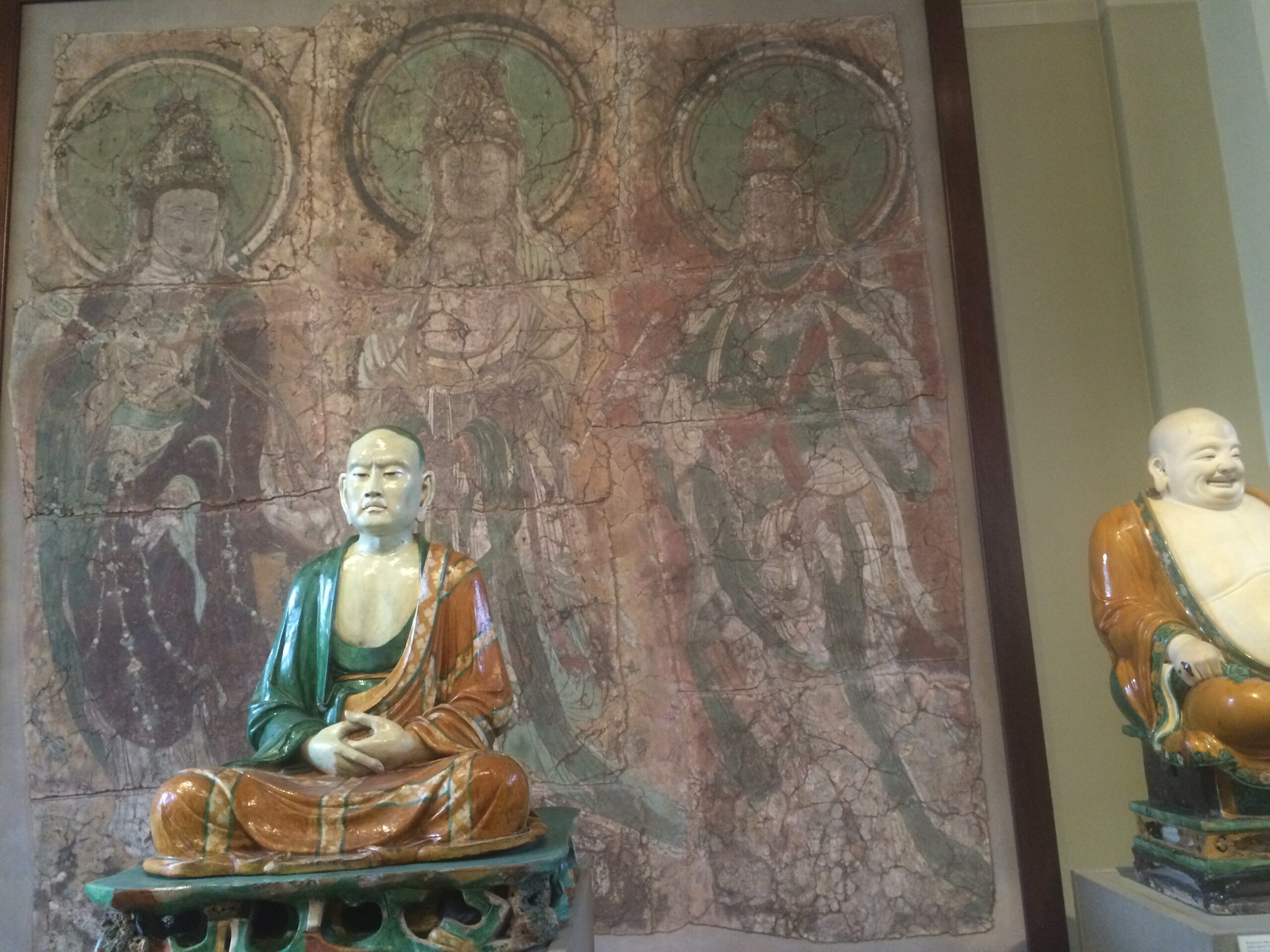
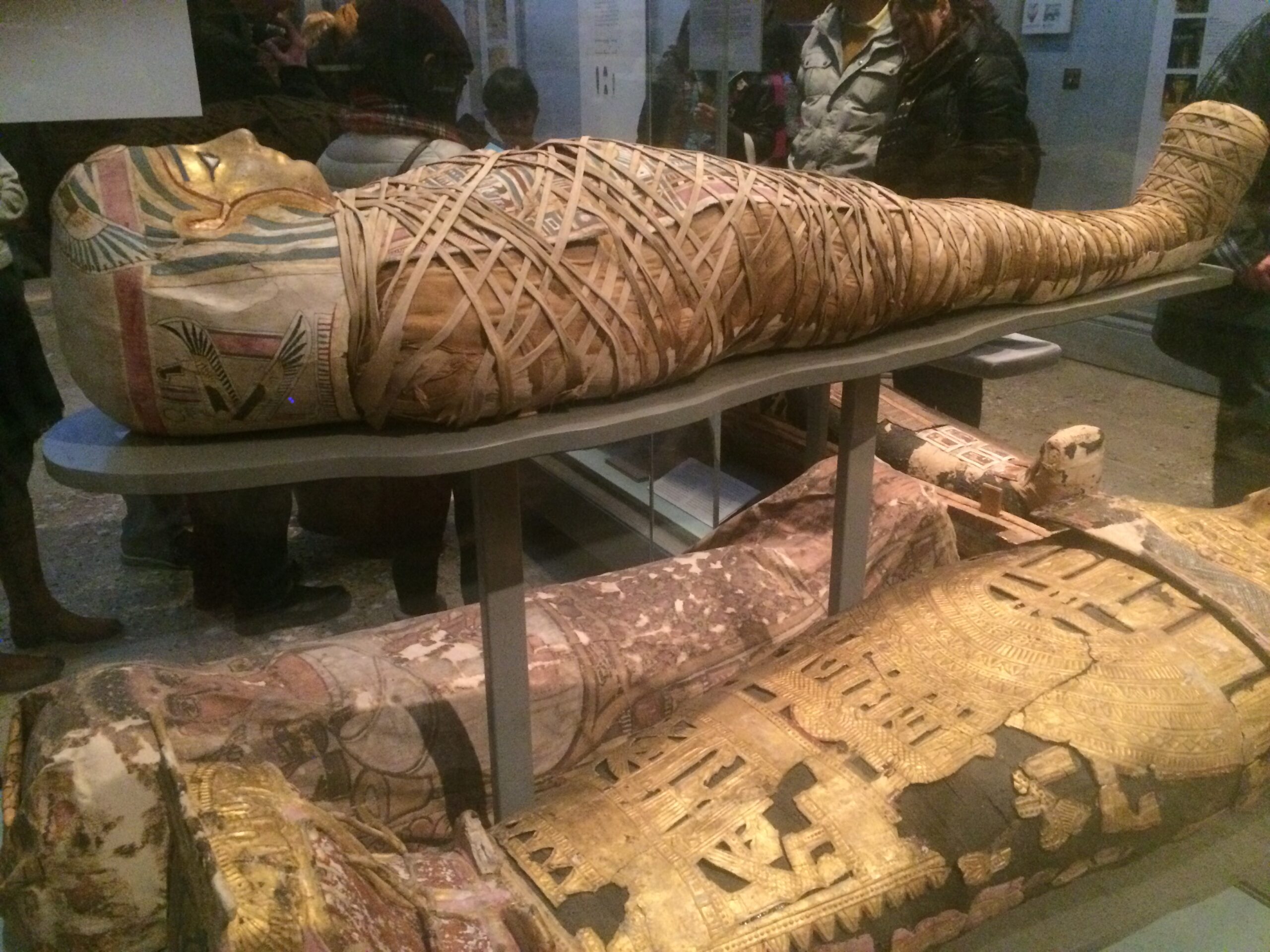
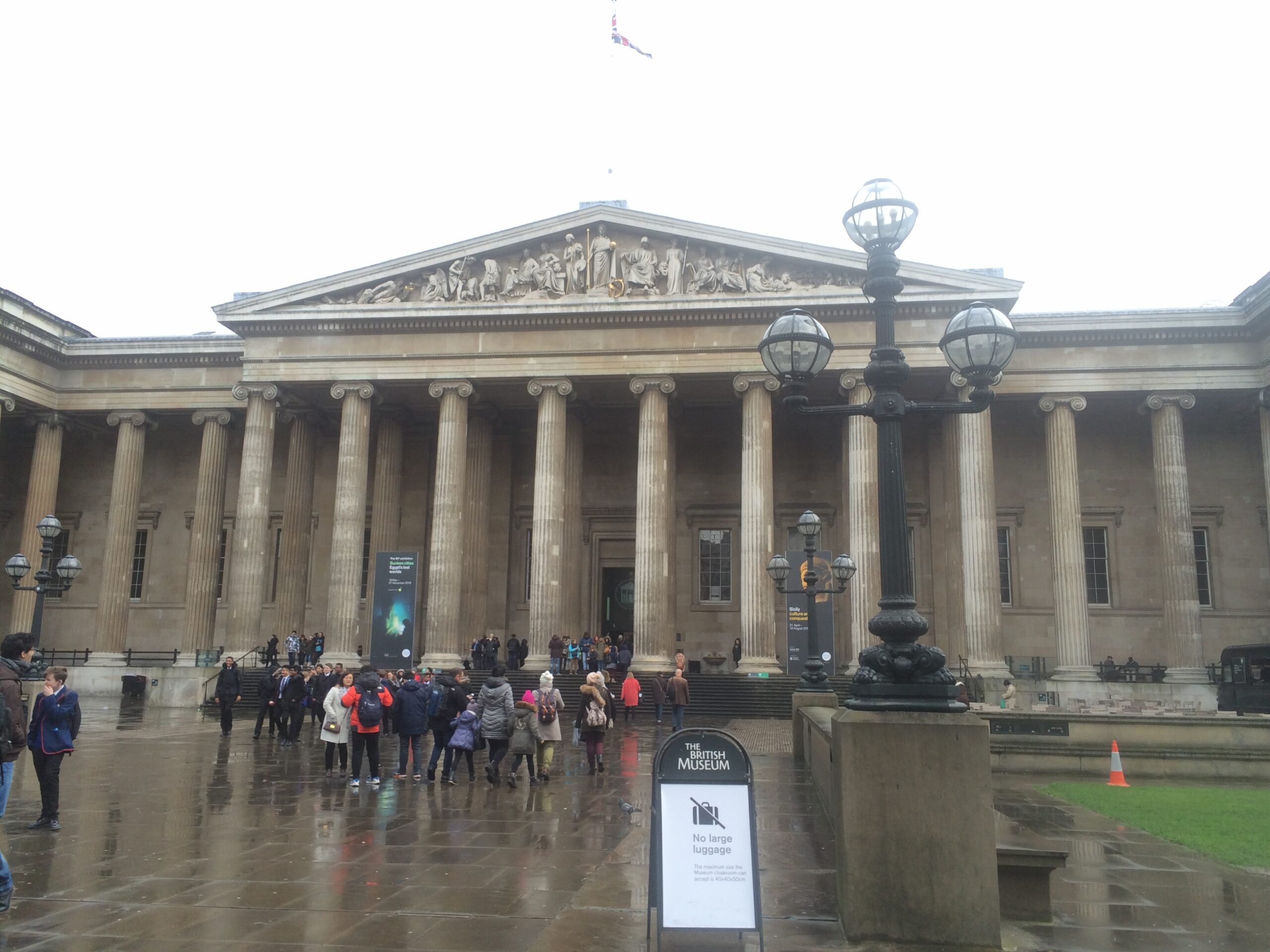
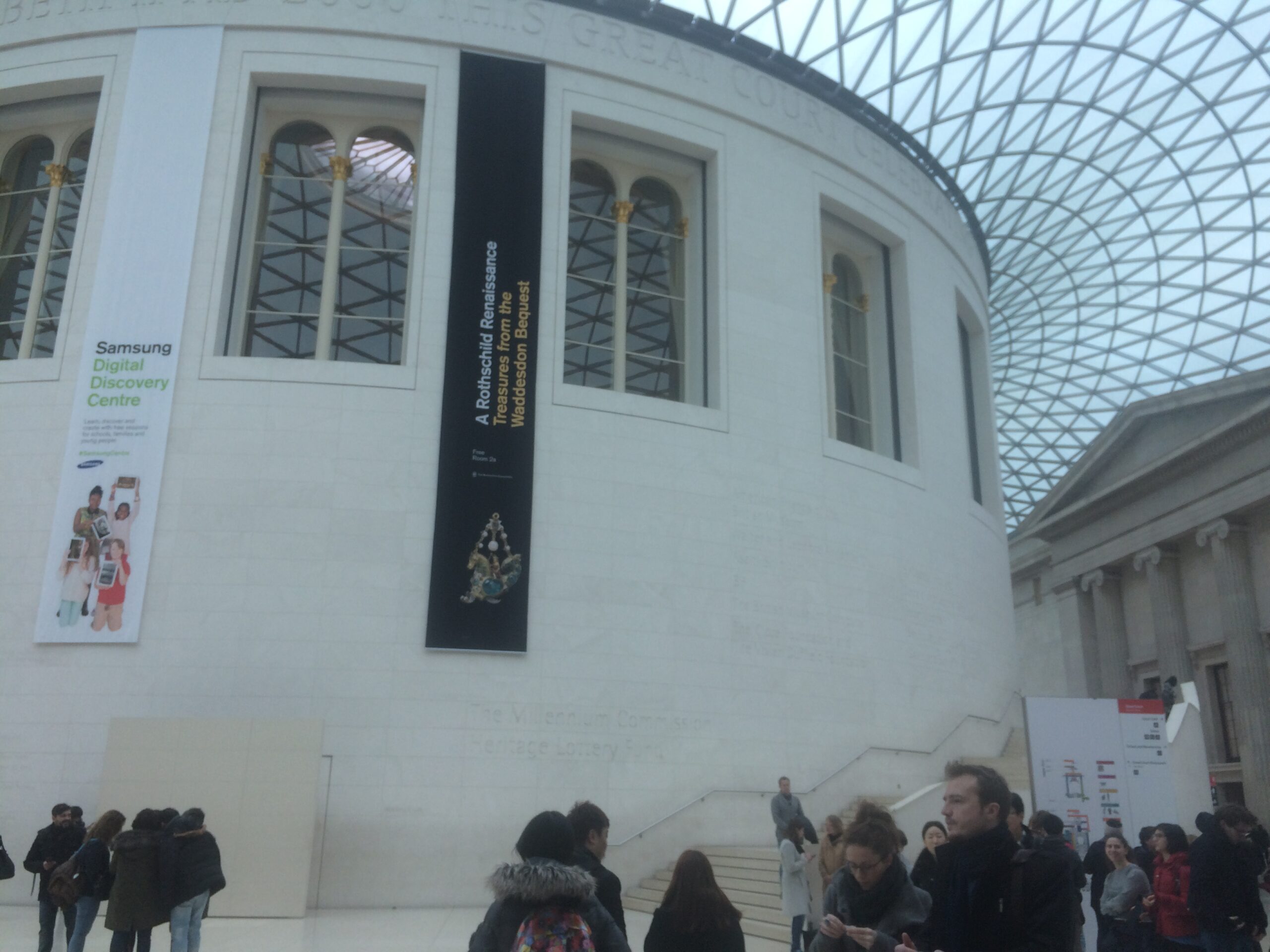
Think Louvre or Rijksmuseum, but without the ticket price. That’s the British Museum for you. As one of the largest museums in the world, it houses a staggering 8 million objects. Opened in 1753, it also holds the title of the world’s oldest public national museum. Its collections span global history, with exhibitions on Ancient Greece and Rome, Ancient Egypt, and an extensive Middle Eastern collection.
Meet both Lara Croft and Amy Winehouse
On my last trip to London, everyone told me I had to stop at Camden Market. My mistake? Going there on a Friday afternoon. Half of London seemed to have had the same idea—definitely not the smartest choice.
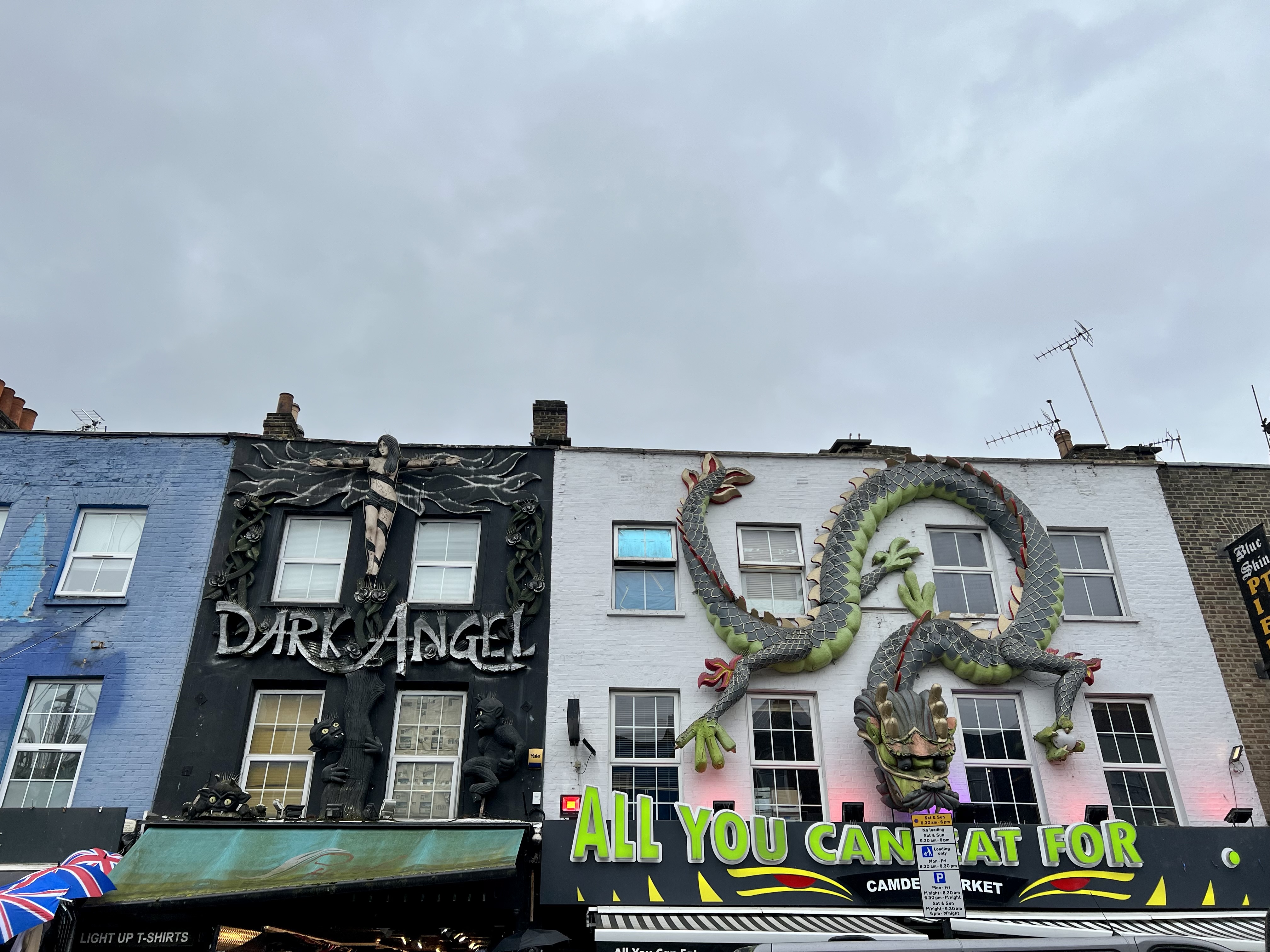
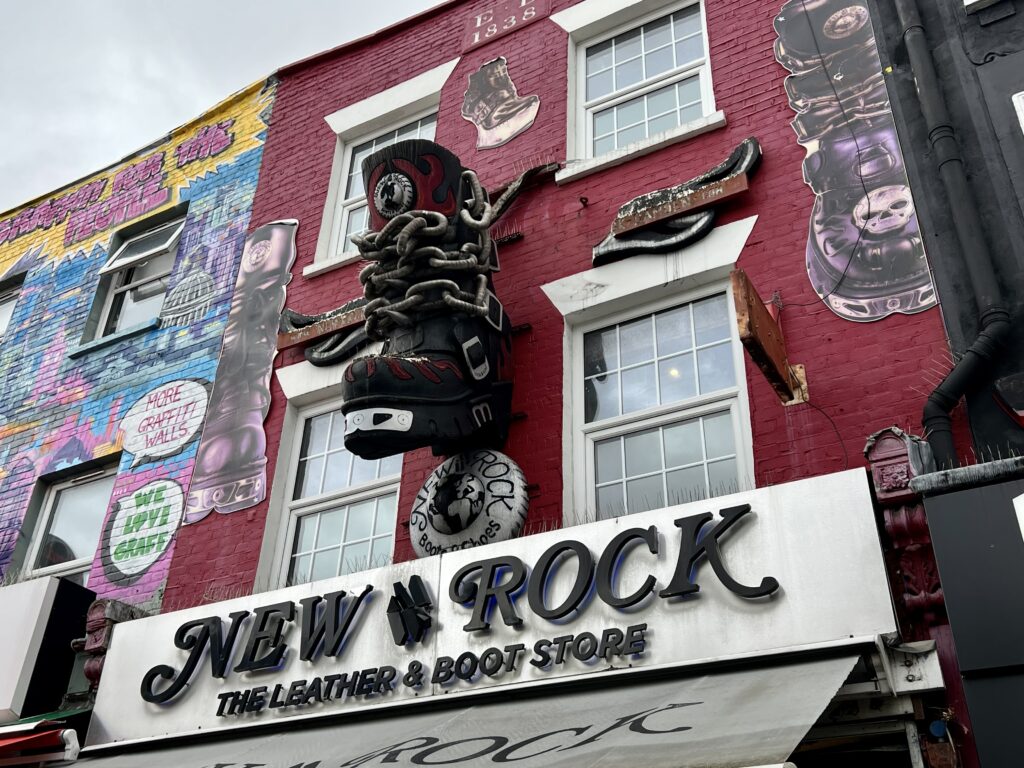
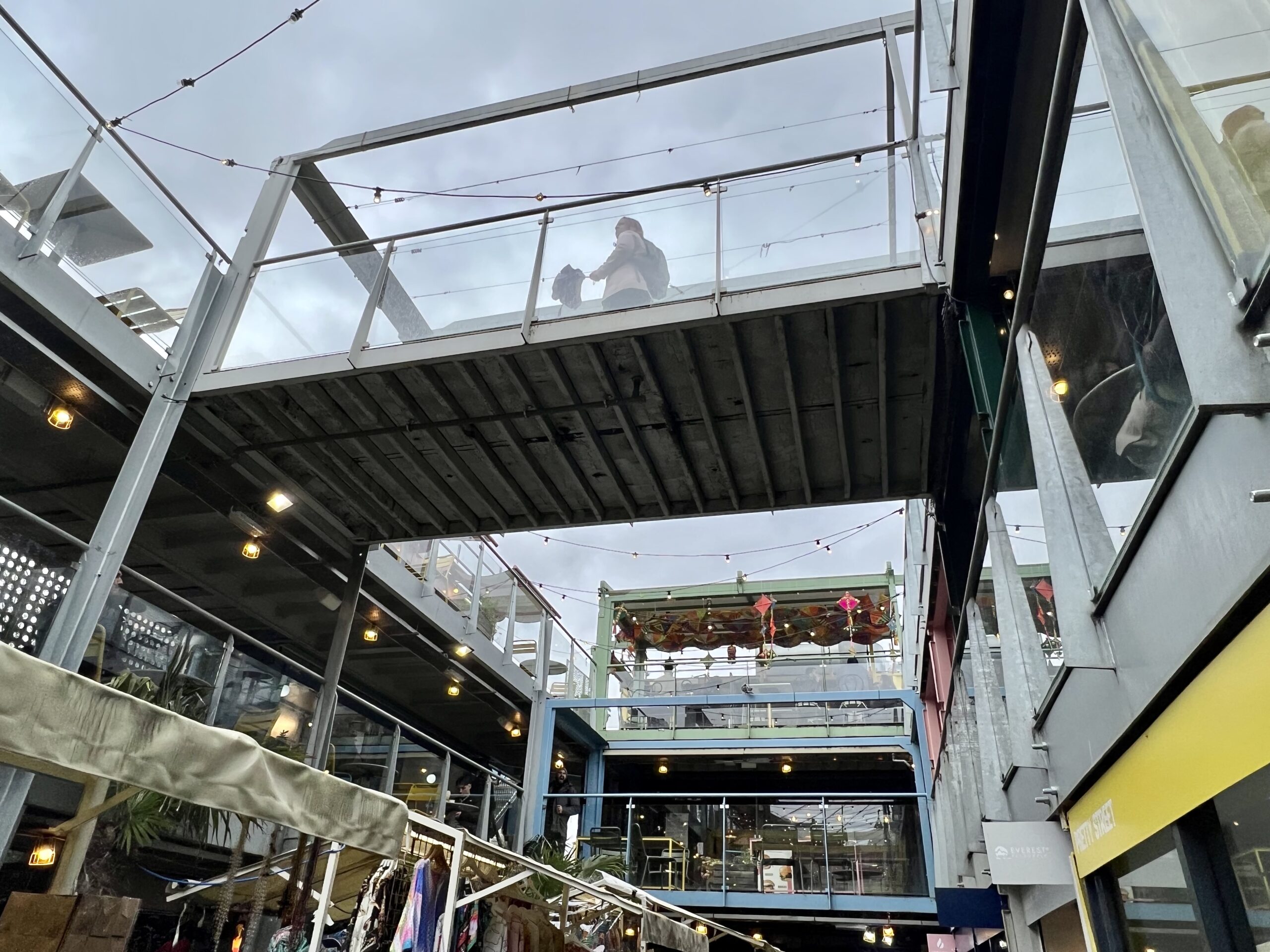
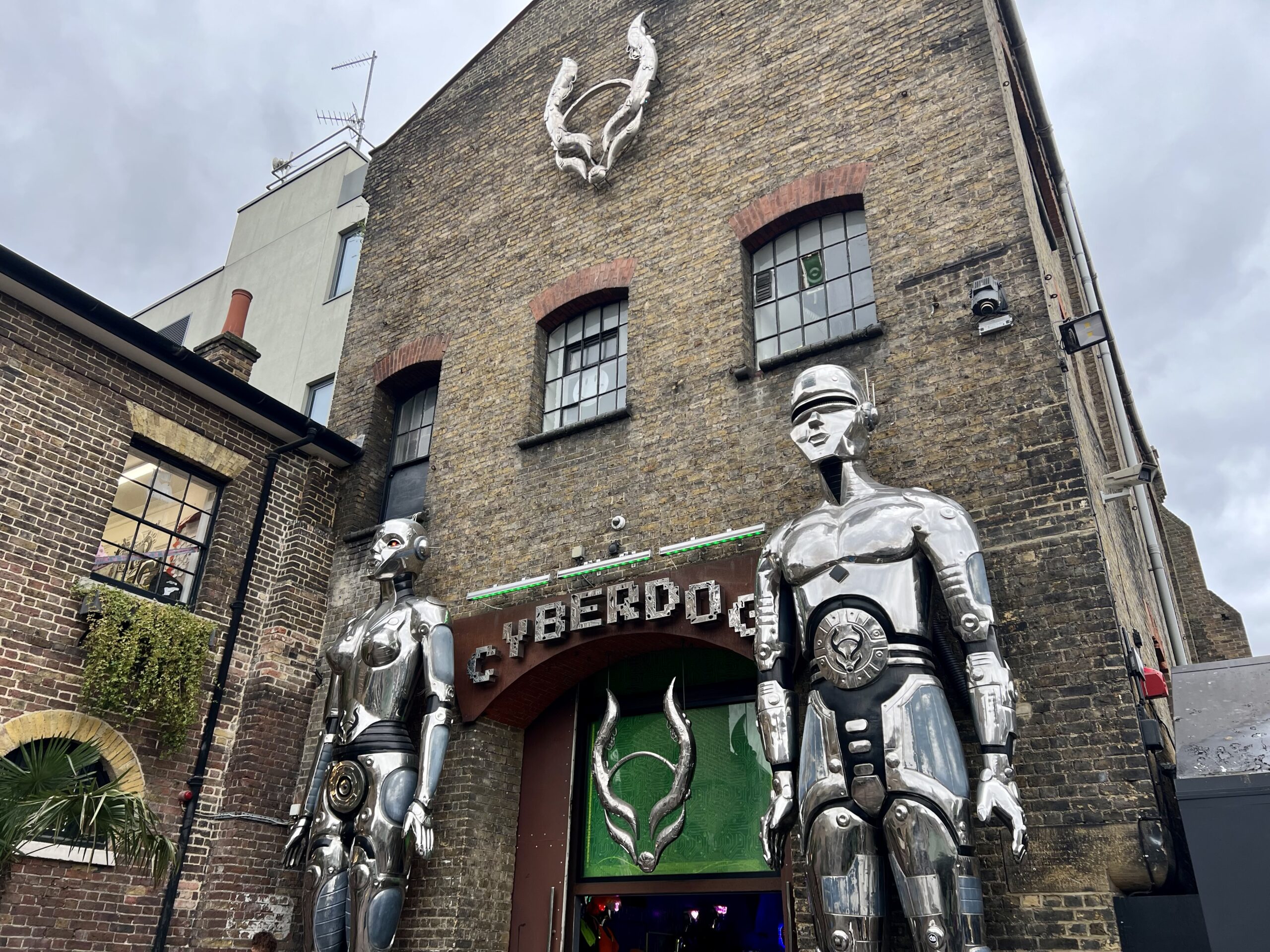
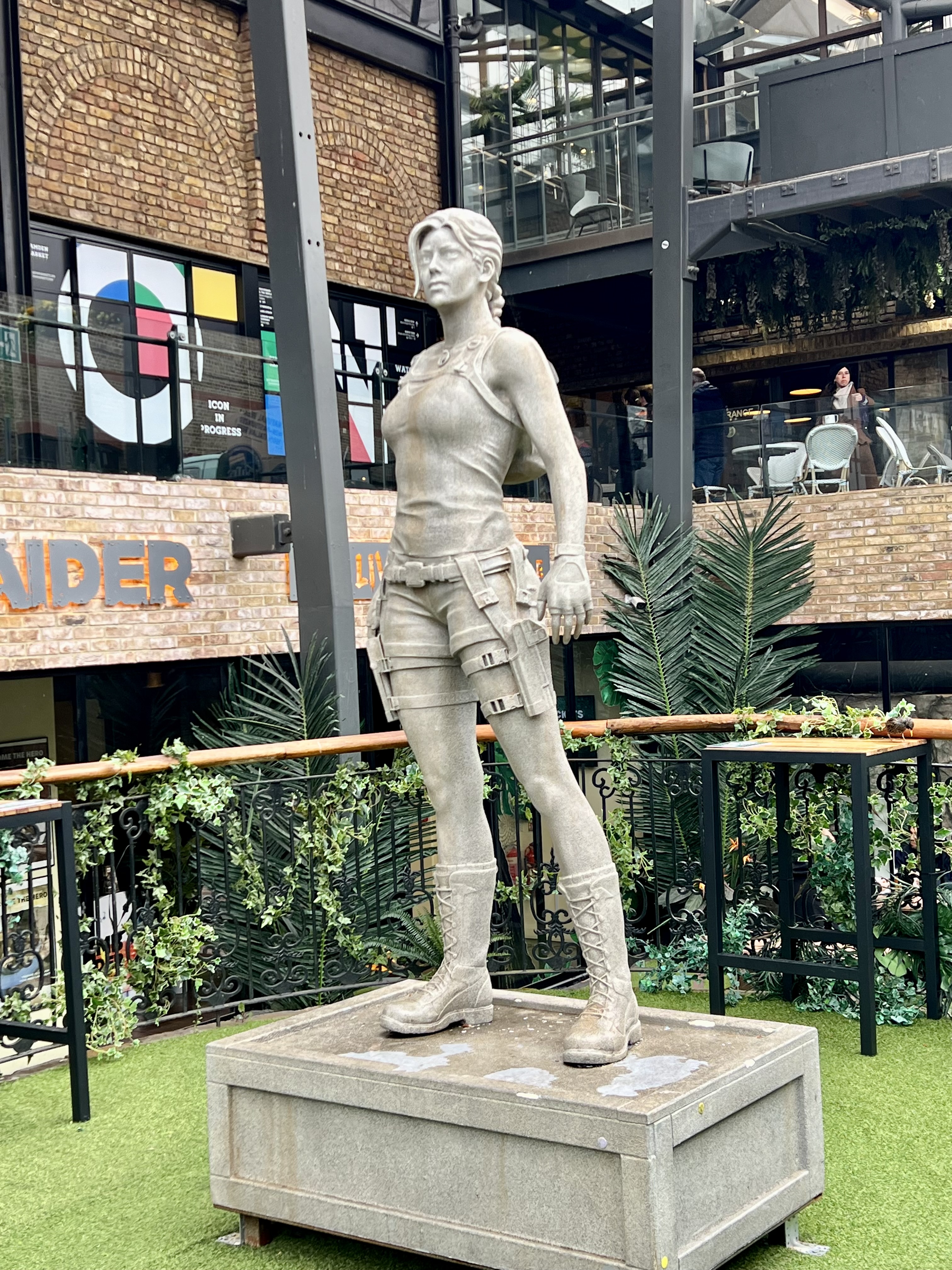
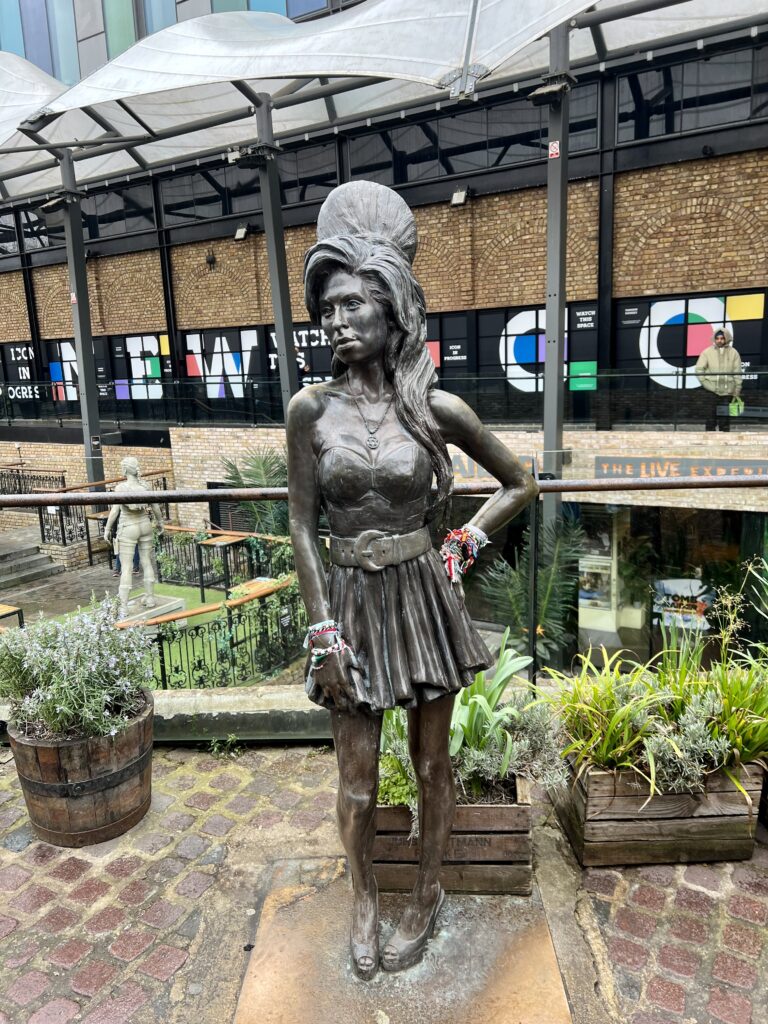
That said, Camden is worth visiting. This is London’s alternative neighbourhood, and you’ll see why the moment you step off the tube. Brightly painted façades, many decorated with 3D art, greet you instantly. You’ll even come across shipping containers converted into mini shopping centres (talk about creative reuse!). Camden Market itself is narrow and busy, but full of quirky food stalls, independent clothing shops (no Zara or H&M in sight), jewellery stands, and the occasional celebrity statue. Yes, you can even take a photo with Amy Winehouse or Lara Croft. What Lara Croft has to do with Camden? No clue, but as a Tomb Raider fan, I wasn’t complaining.
Markets and street artists
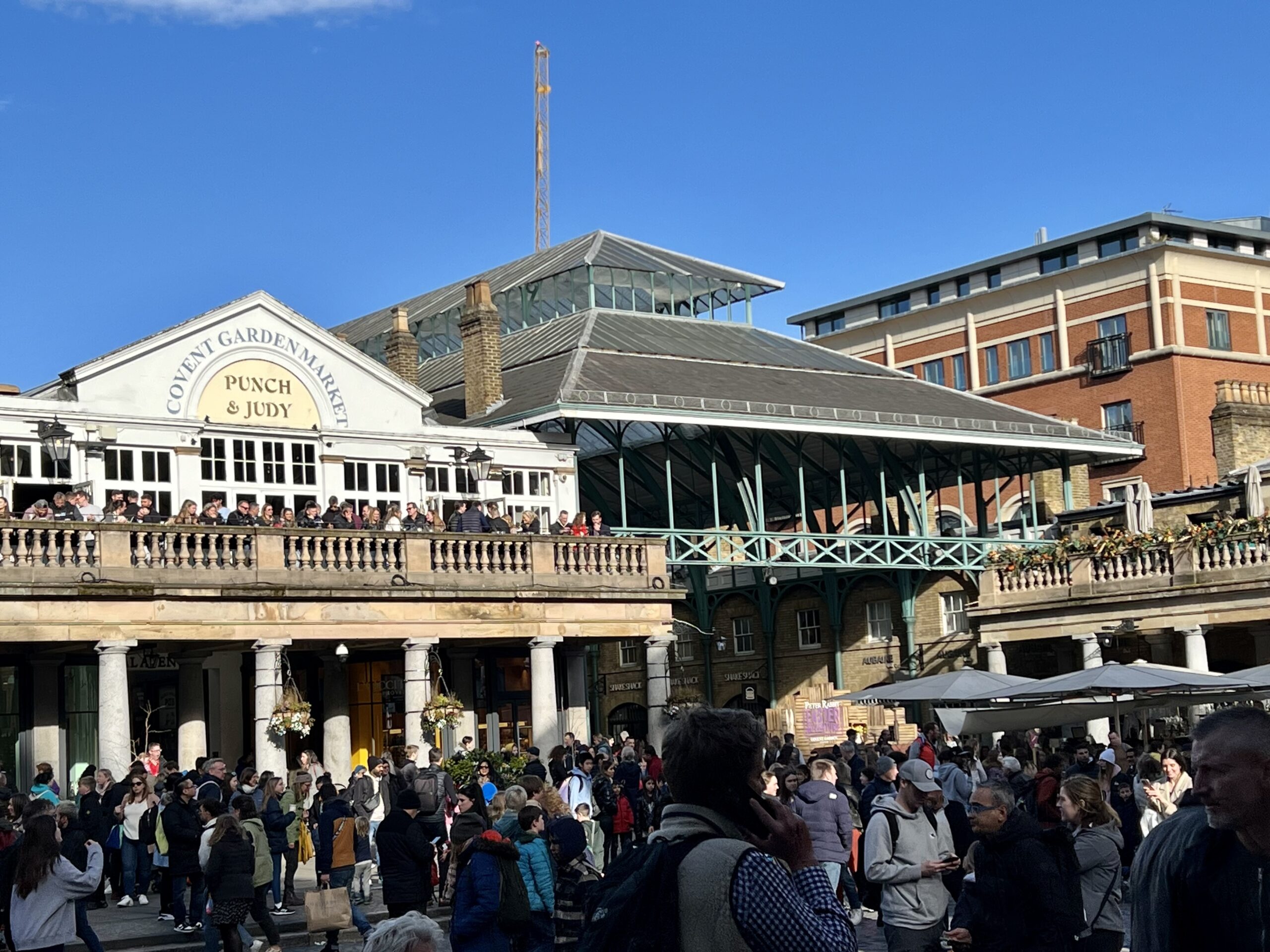
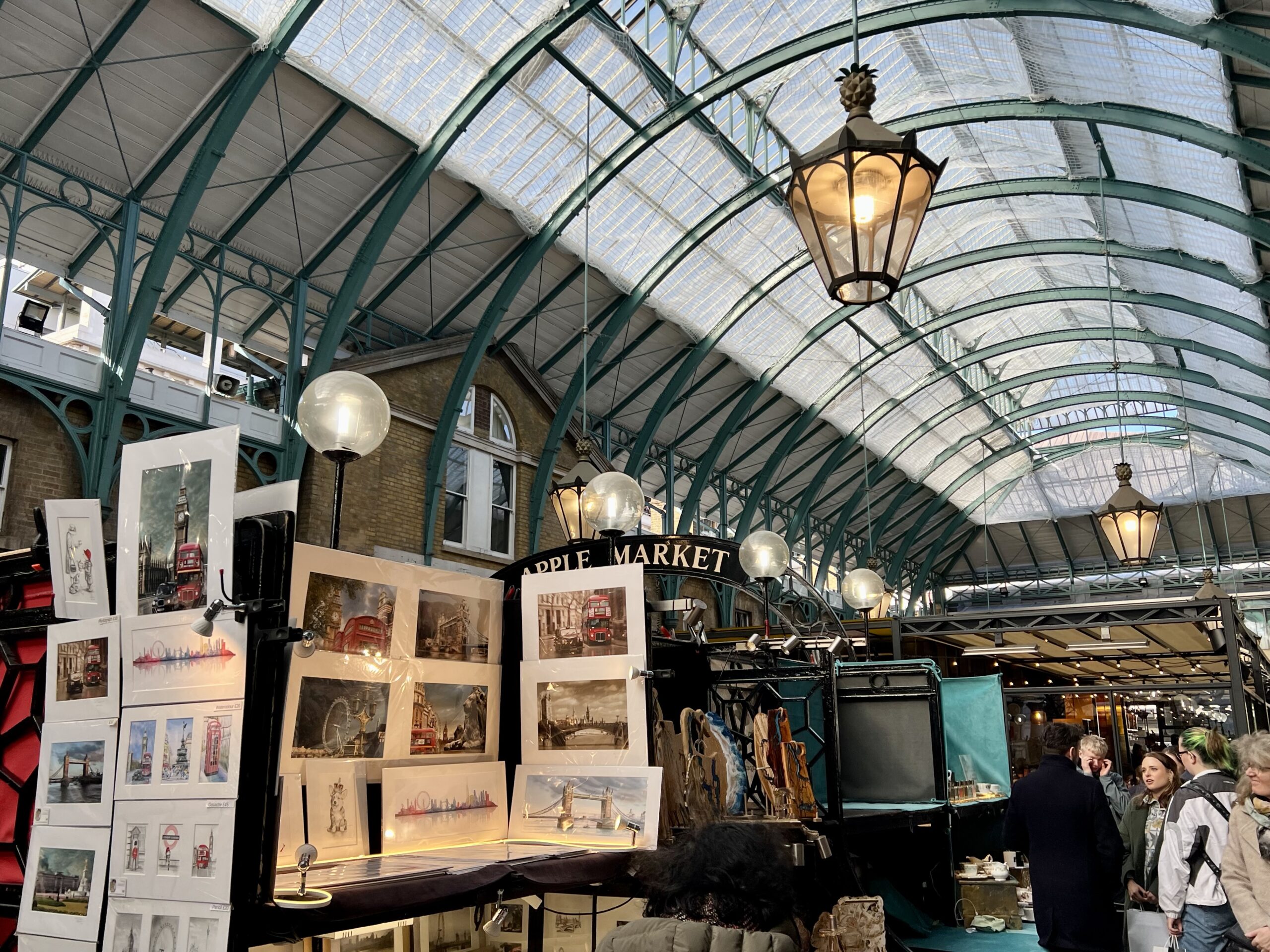
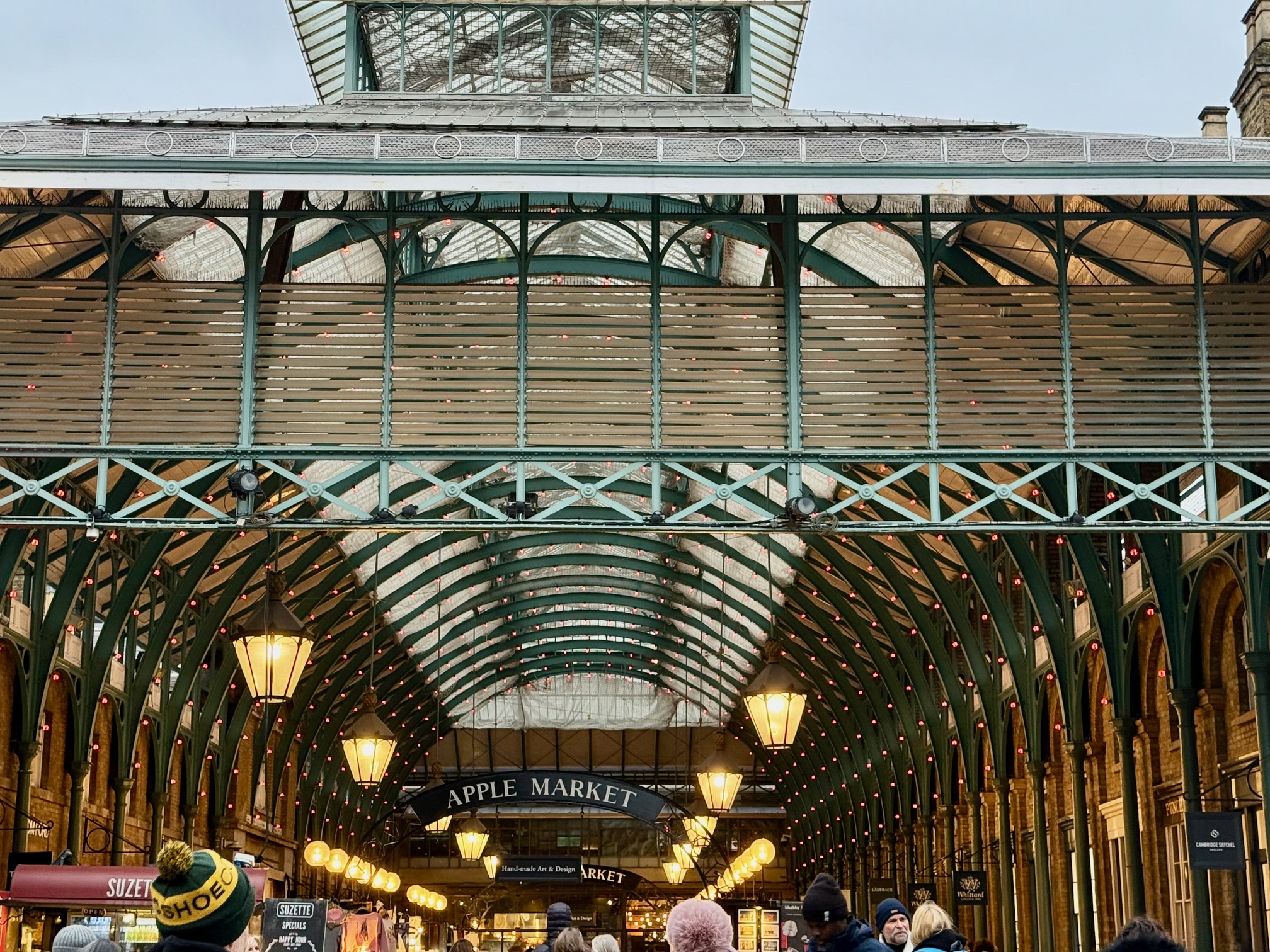
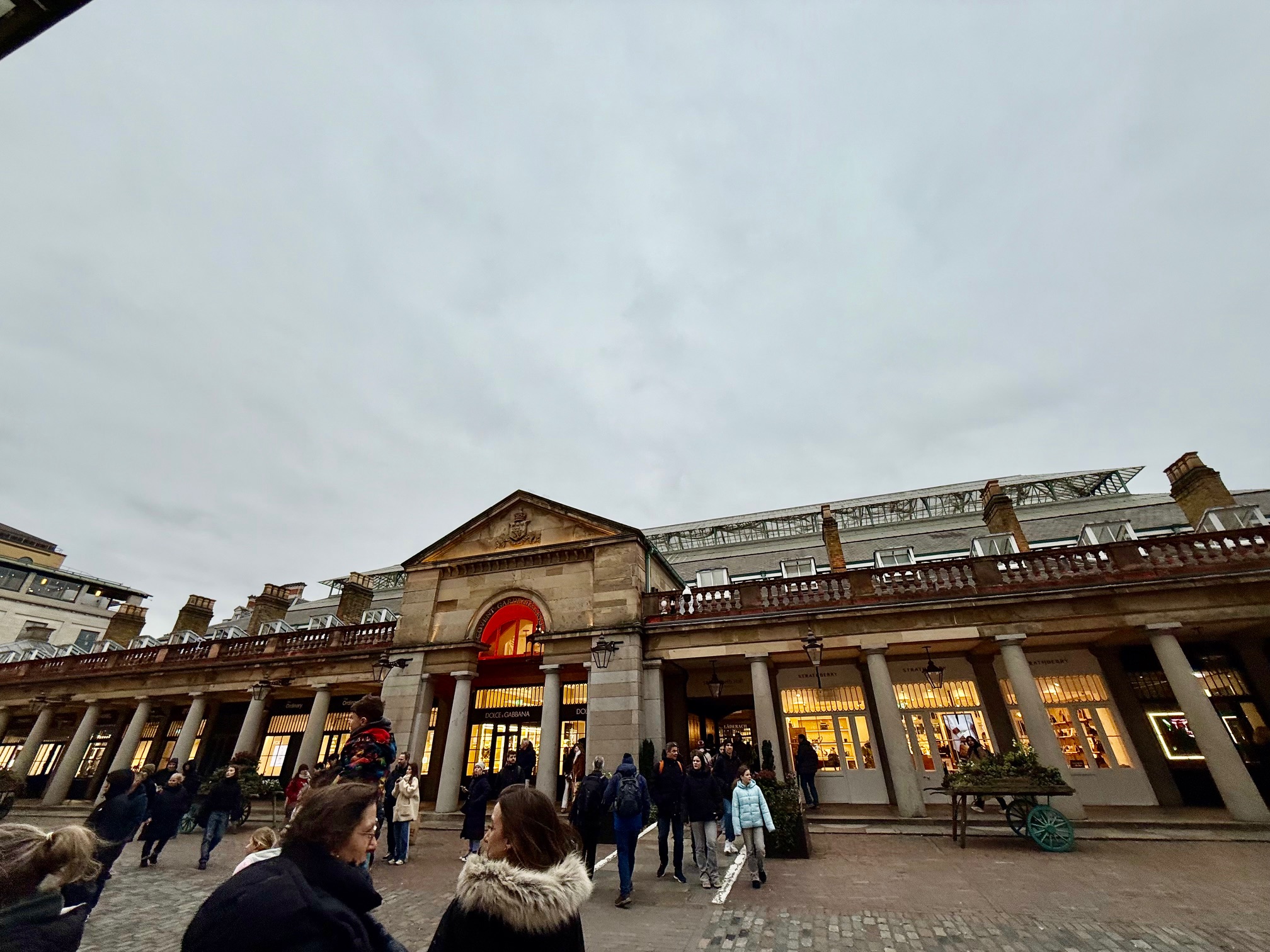
When it comes to cosy markets, Covent Garden is a must. This covered market is full of charming shops and restaurants, and just outside you’ll often find street performers entertaining the crowds. The famous Seven Dials intersection is nearby, and if you’re in the area, don’t miss Neal’s Yard. This colourful little courtyard is a hidden gem, perfect for grabbing breakfast surrounded by cheerful façades.
Did you know? Covent Garden is also home to London’s oldest theatre, Theatre Royal on Drury Lane, as well as the Royal Opera House. So alongside unknown street performers, culture lovers can enjoy world-class theatre too.
One of London’s own skyscrapers
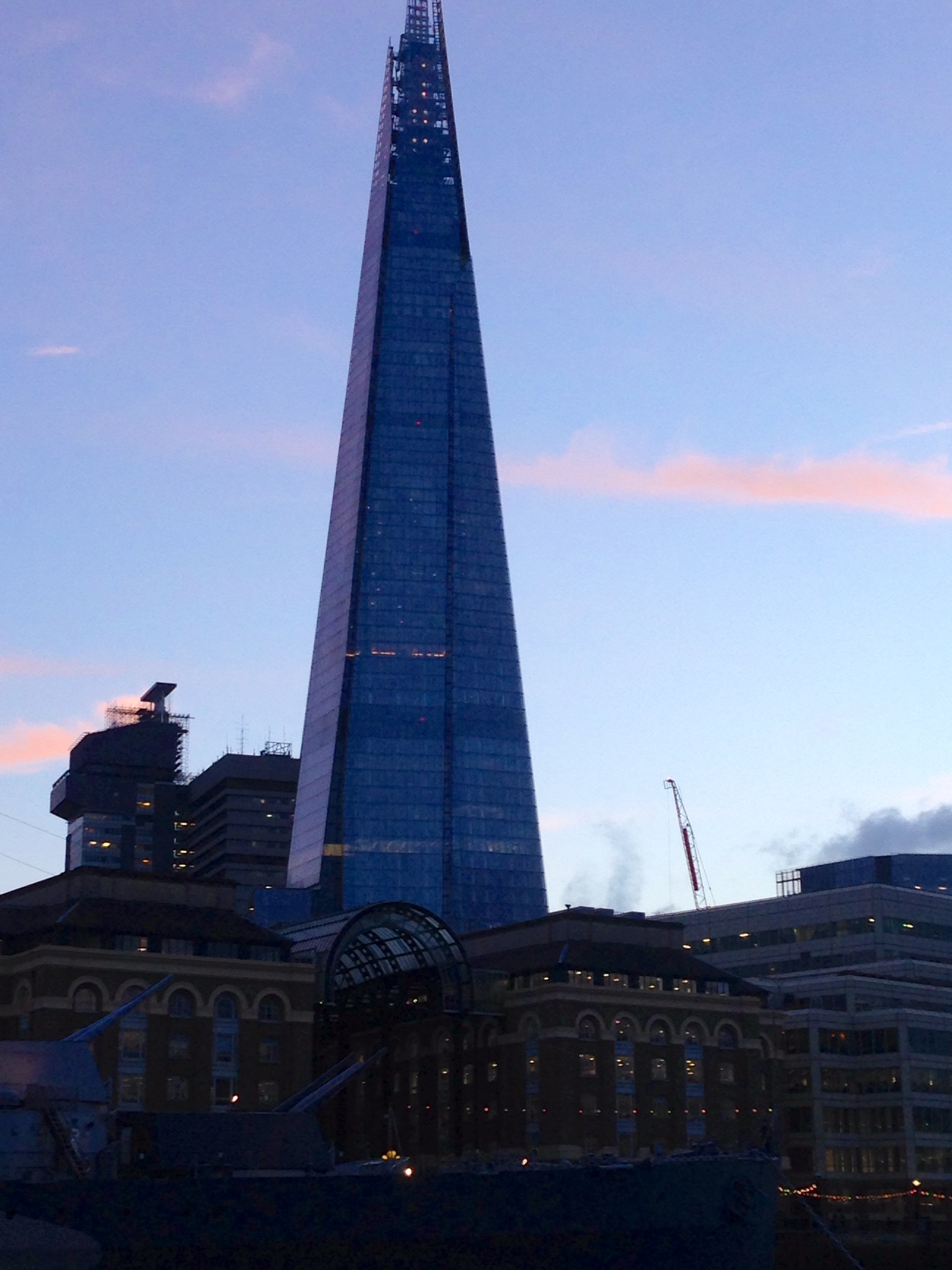
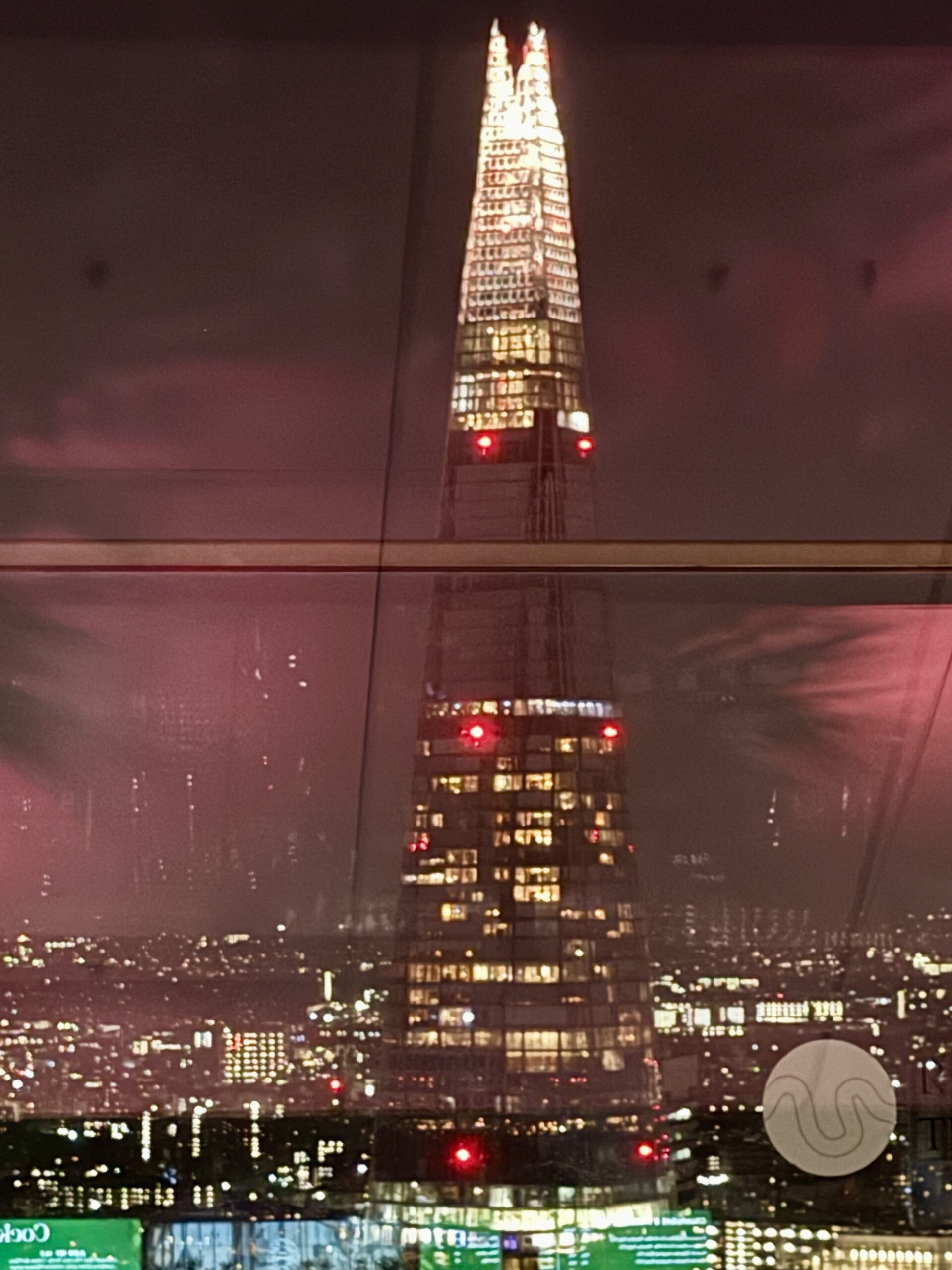
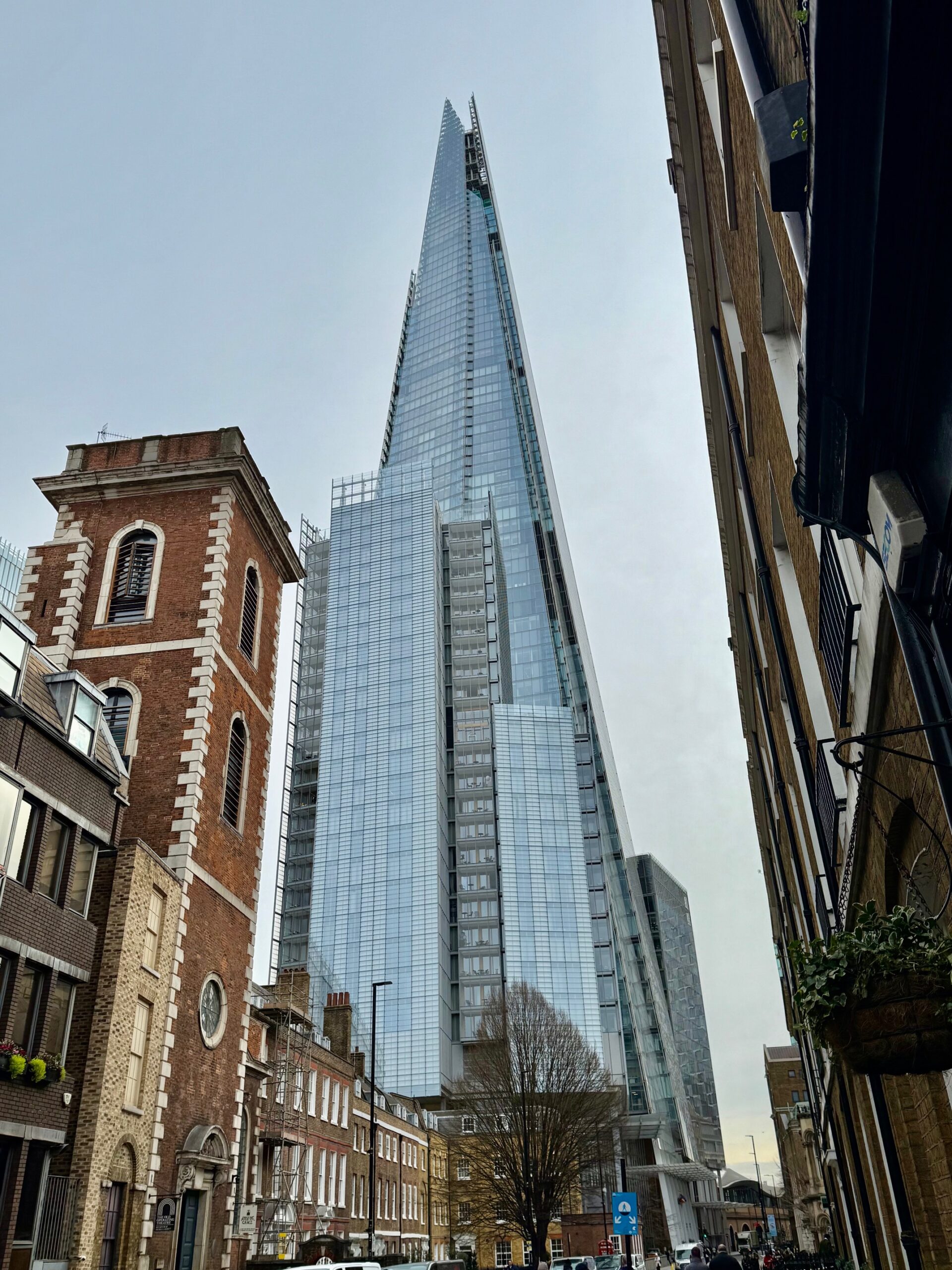
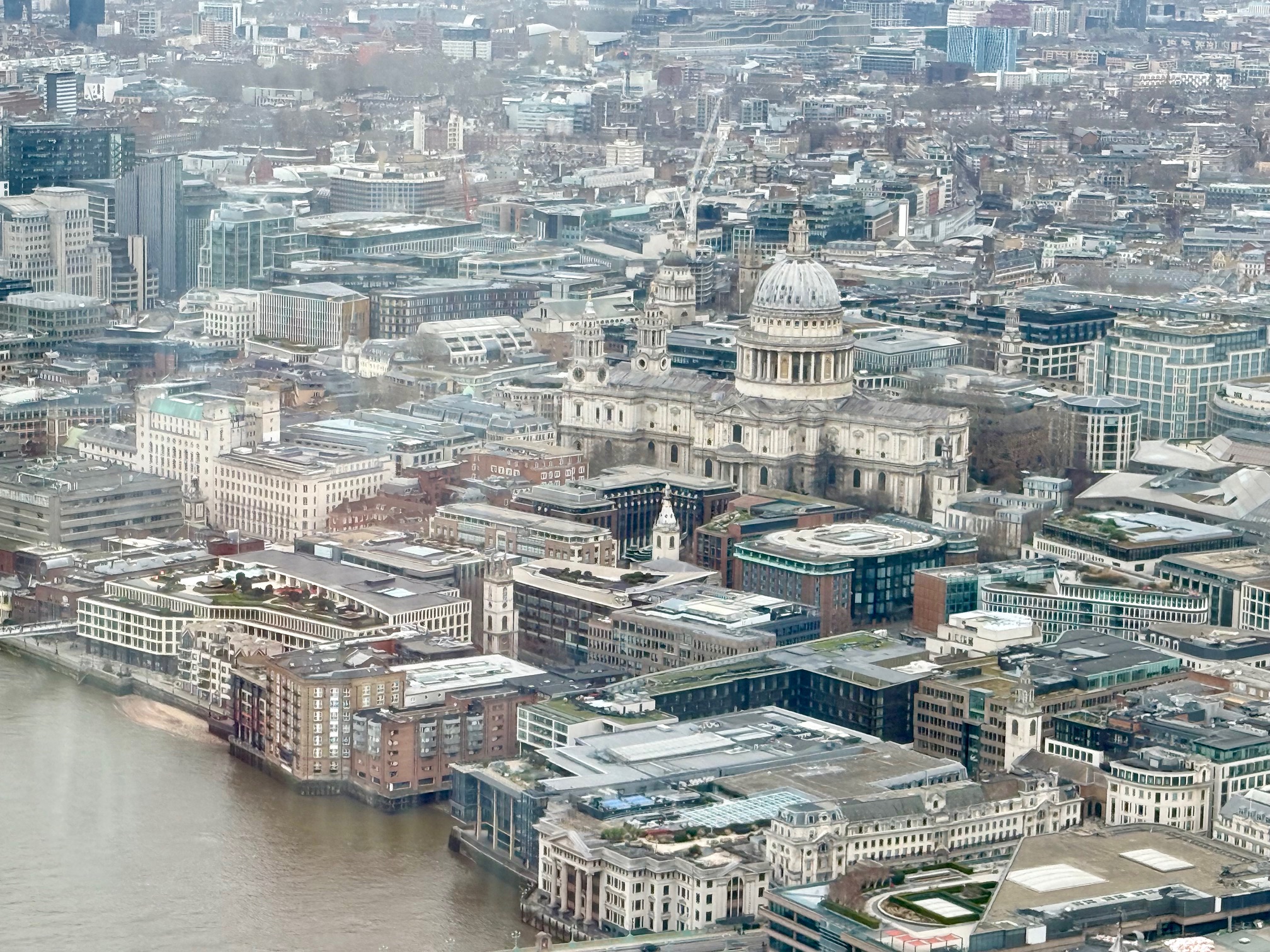
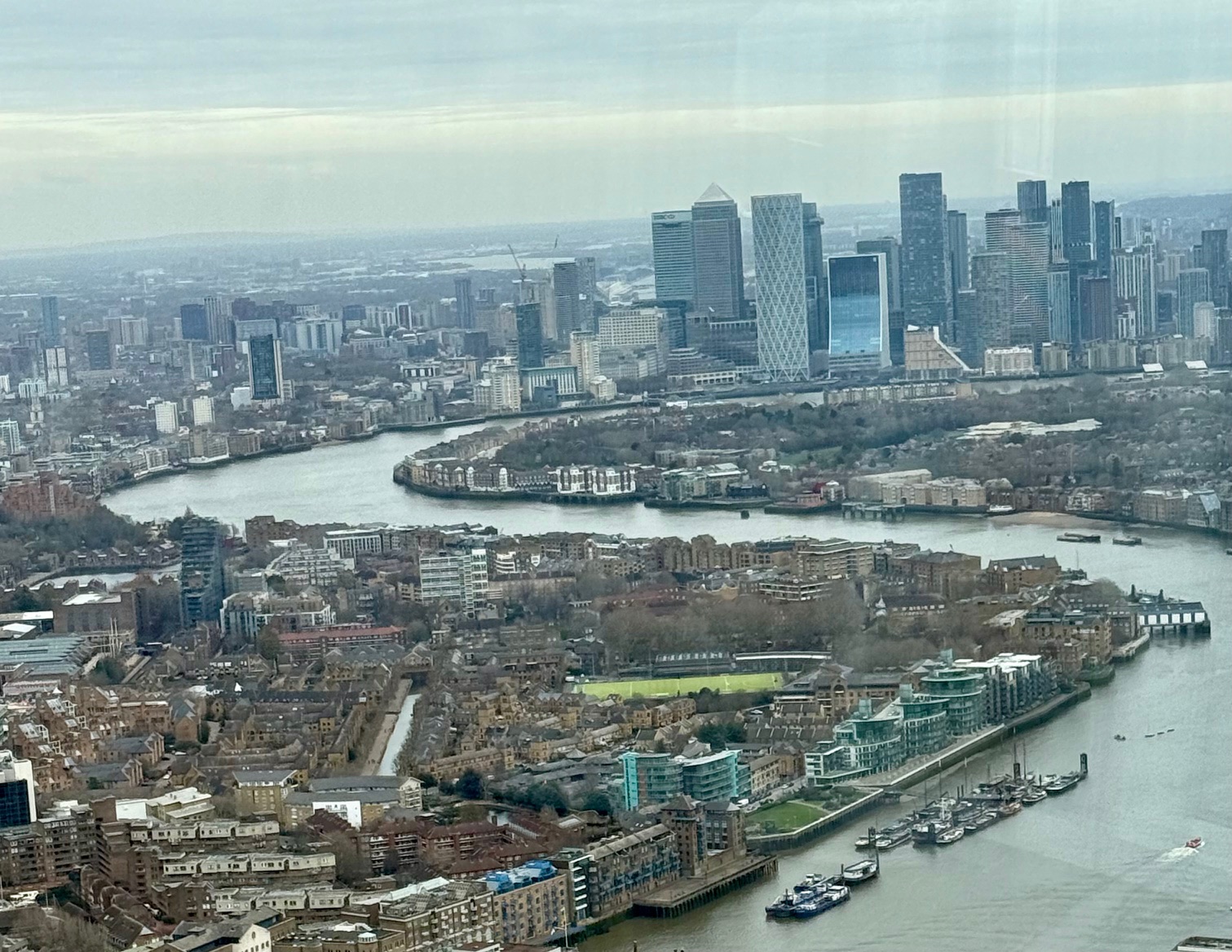
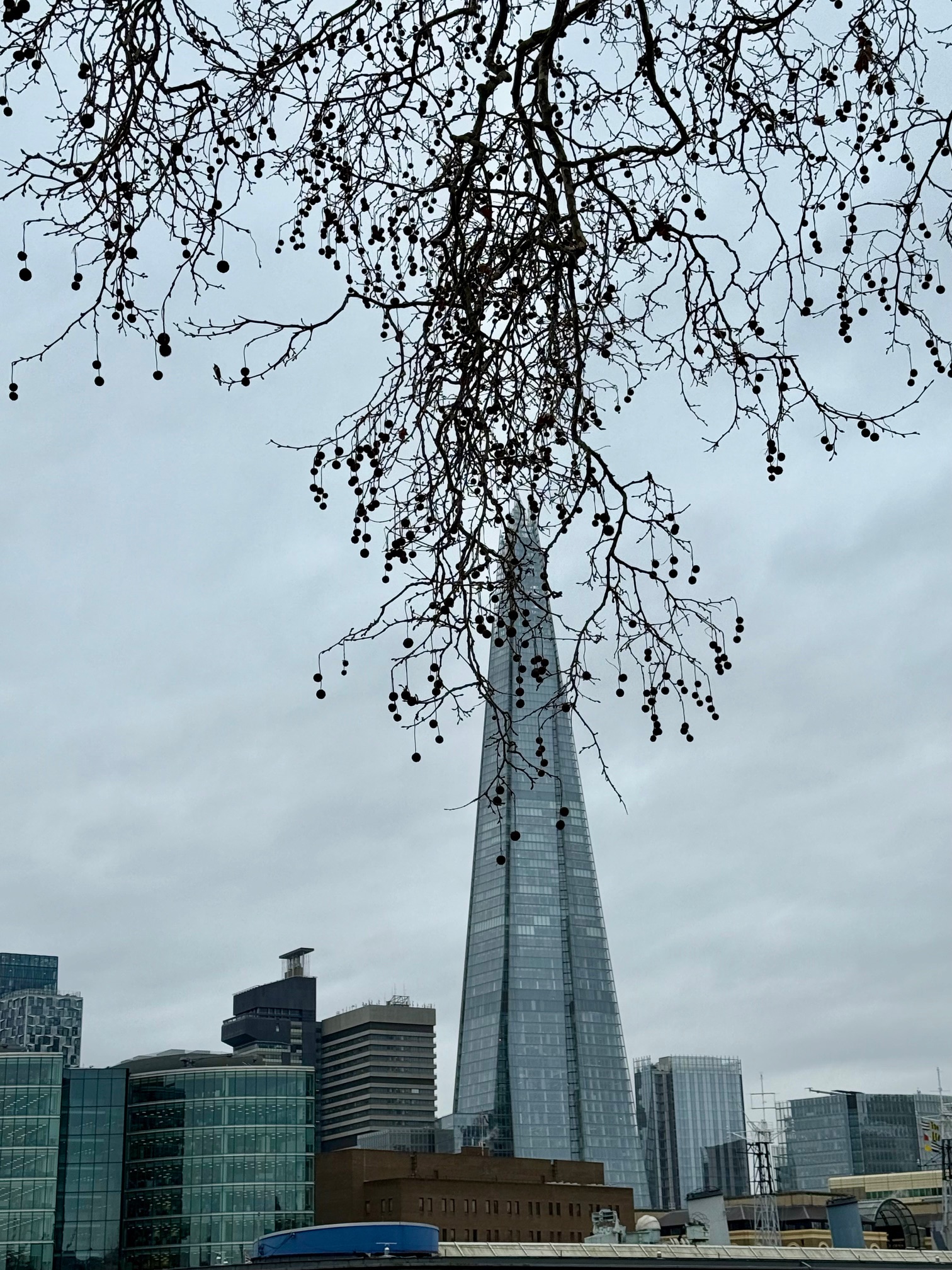
We Europeans don’t need to fly all the way to New York or Tokyo to marvel at skyscrapers. London has its own: The Shard, also known as “the building that looks unfinished.” This glass tower resembles a shard of glass (hence the name) and, at 310 metres, it’s the tallest building in the UK. Like its New York cousins, The Shard has its own observation deck with breathtaking views of London’s skyline. Inside, you’ll also find offices, luxury apartments, restaurants, and even a hotel.
Note: tickets to The Shard are NOT free, so book in advance to avoid disappointment.
Little Venice of London
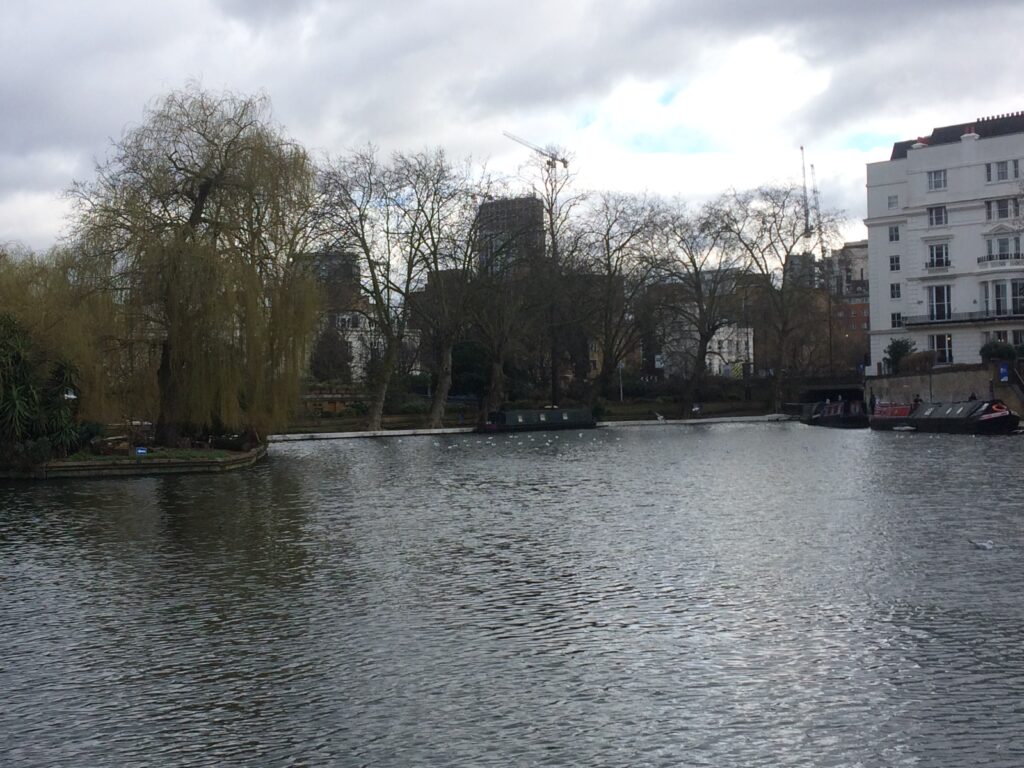
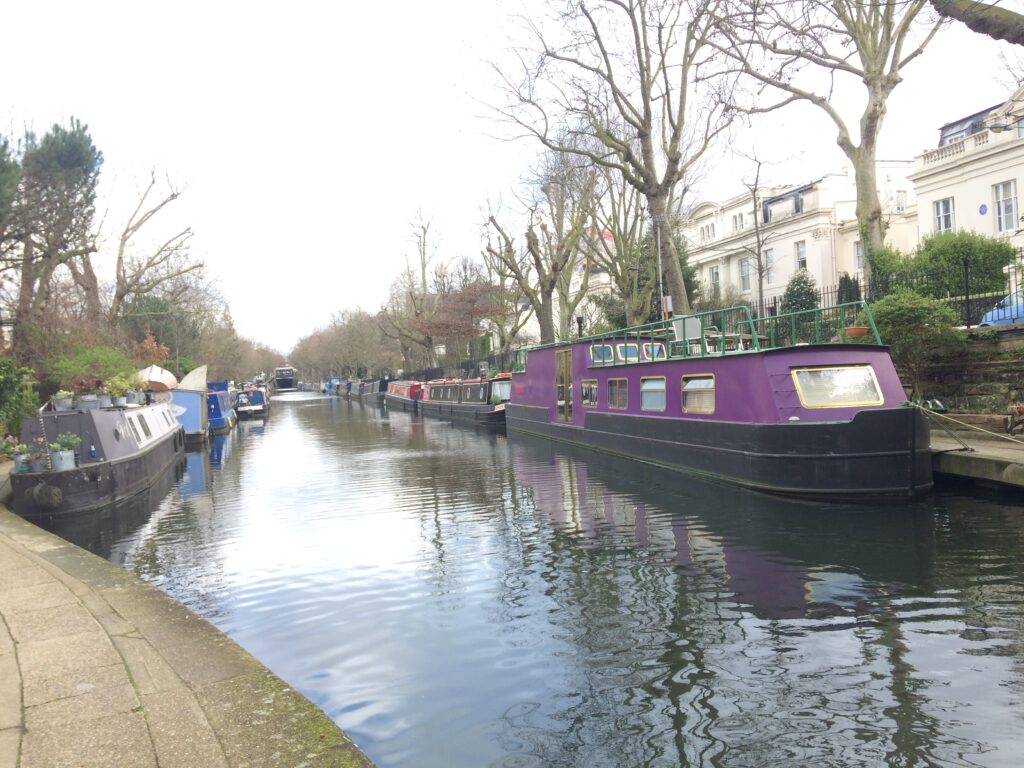
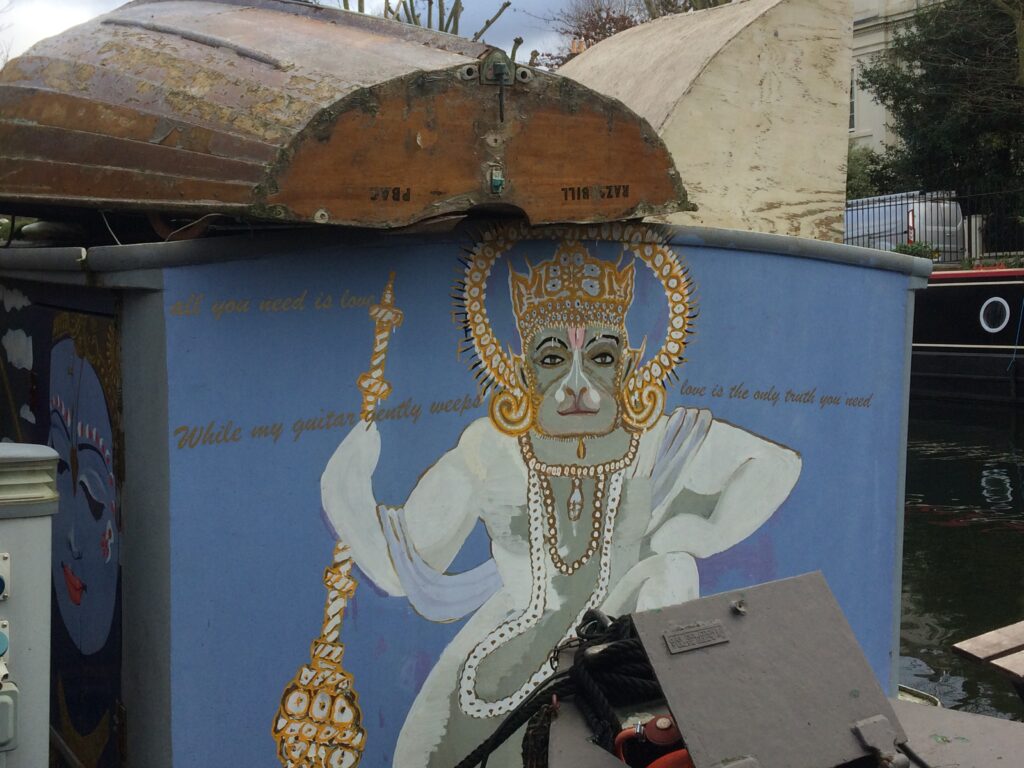
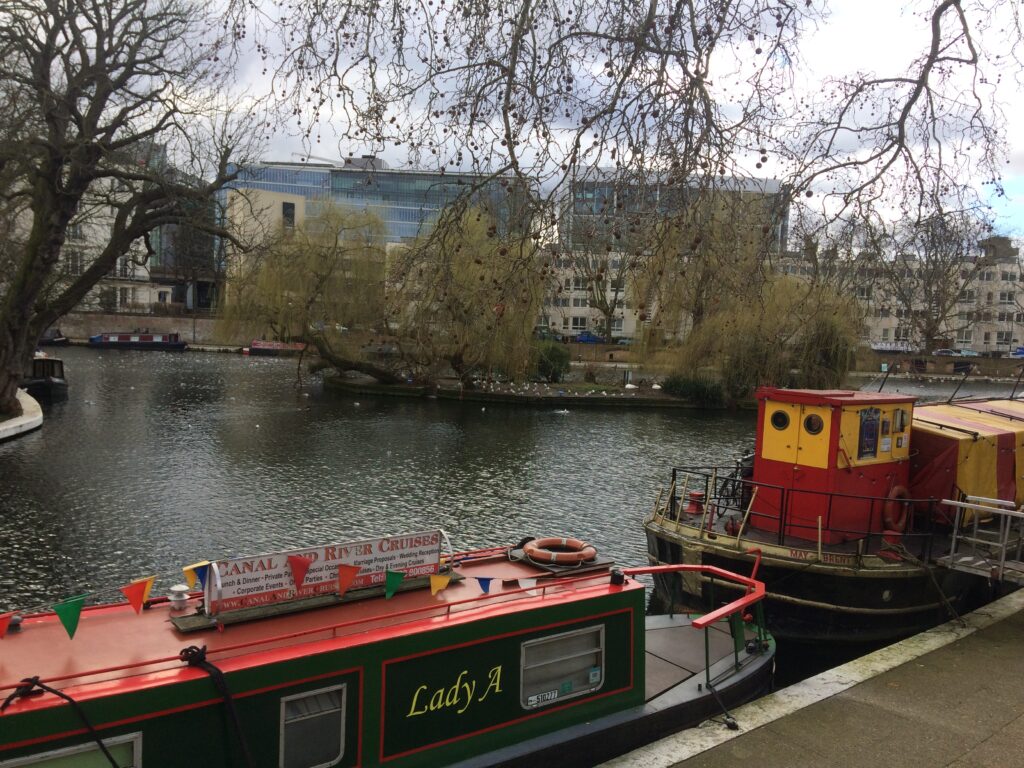
No, it’s not only in Italy or the Netherlands – London has its very own Little Venice too. Just outside Paddington, you’ll find this picturesque area with canals winding through it. Colourful houseboats line the waterways and you’ll also discover many cosy restaurants along the shores. Stroll along the canal and, if you walk far enough, you’ll end up in Camden Market (perfect for a treat or some quirky shopping).
The seat of Catholicism in th UK
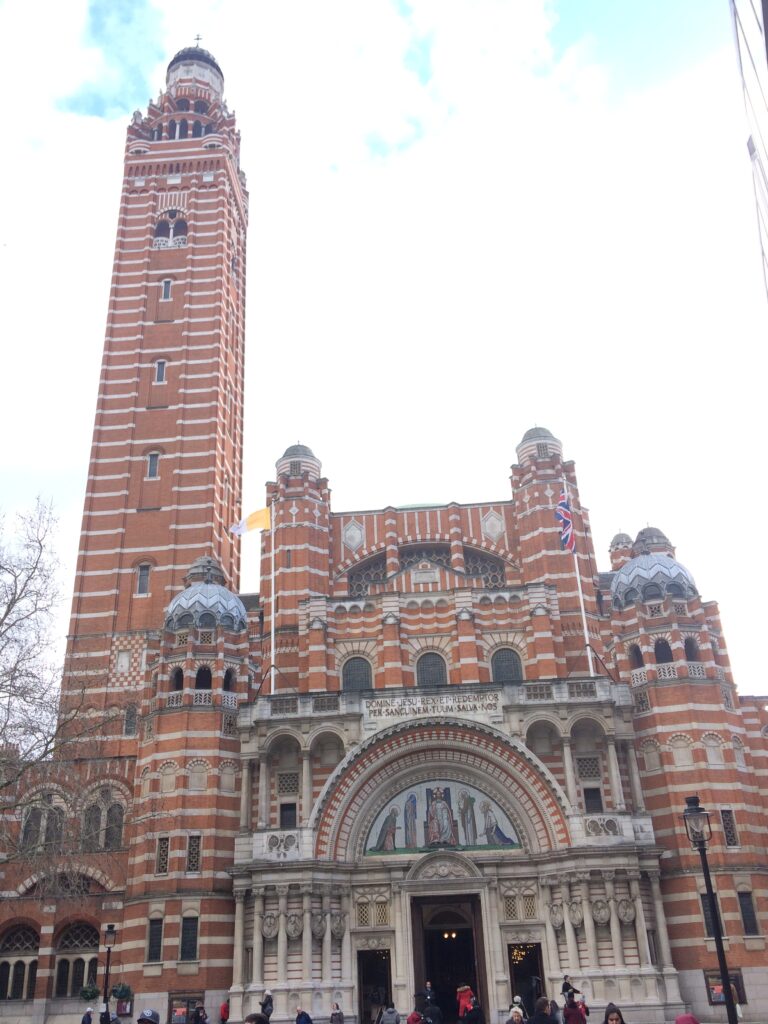
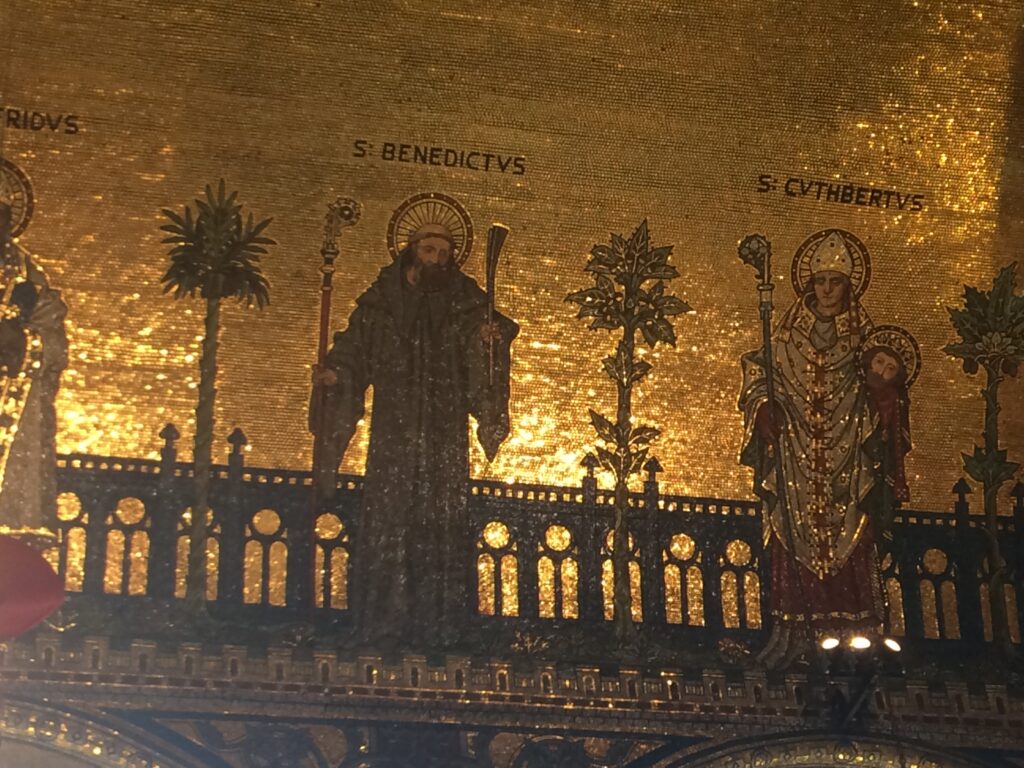
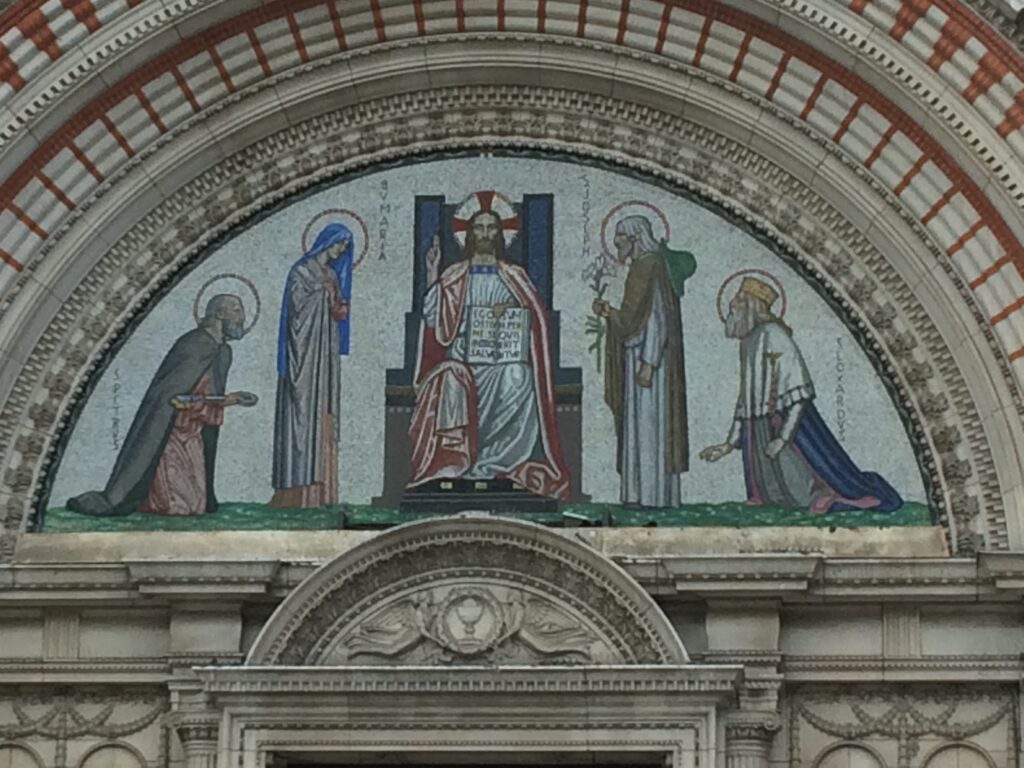
Everyone knows St. Paul’s Cathedral or Westminster Abbey, but far fewer people have heard of Westminster Cathedral. A shame, really, because it’s absolutely worth visiting. This is London’s main Catholic church, home to the Archdiocese of Westminster. It’s the largest Catholic church in the UK, located at 42 Francis Street, built in a striking Neo-Byzantine style. The nave consists of four consecutive domes, and a separate bell tower rises next to the main building. Inside, the mosaics will catch your eye (though believe it or not, completion is still nowhere in sight).
Diagon Alley in real life
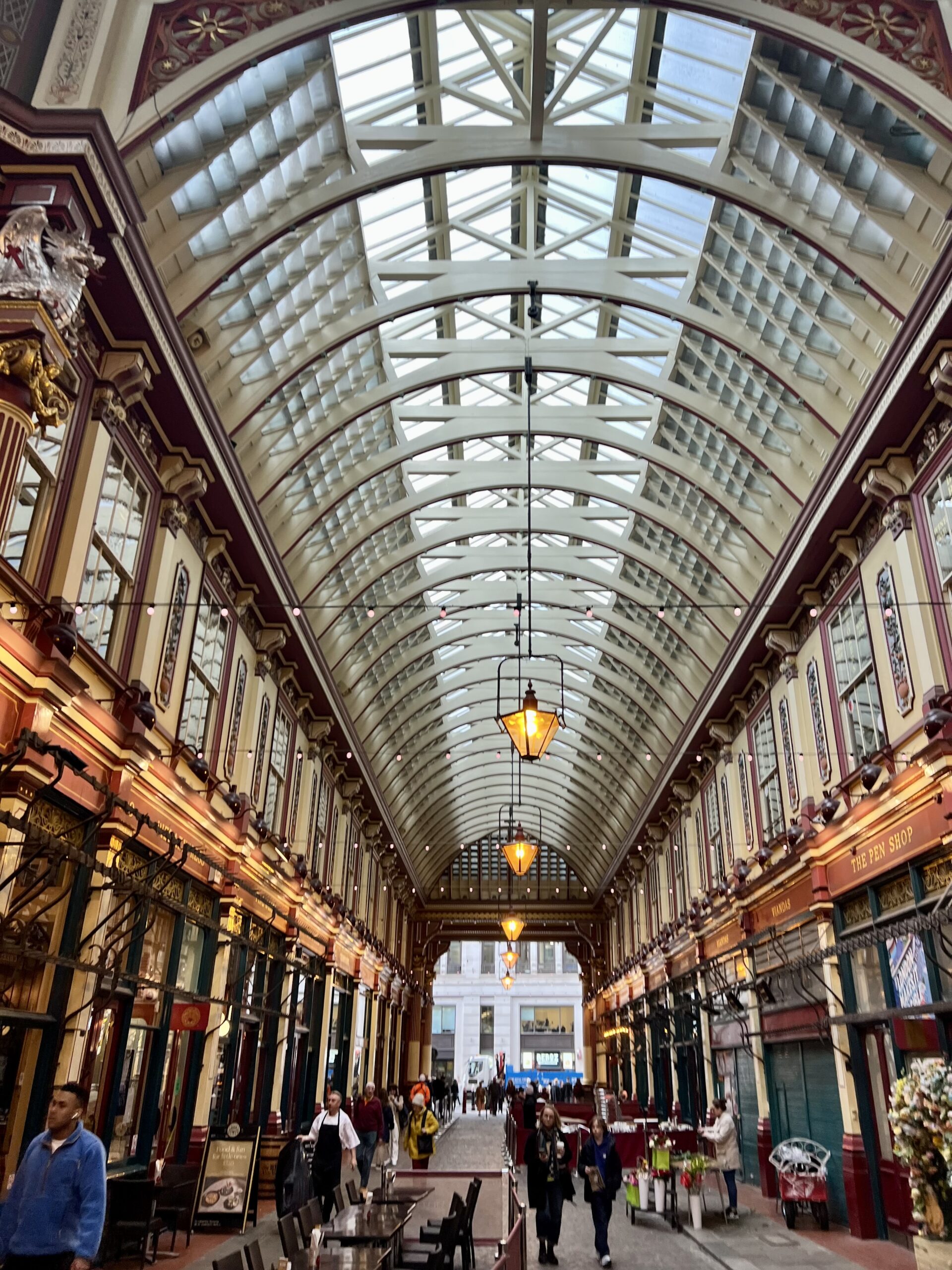
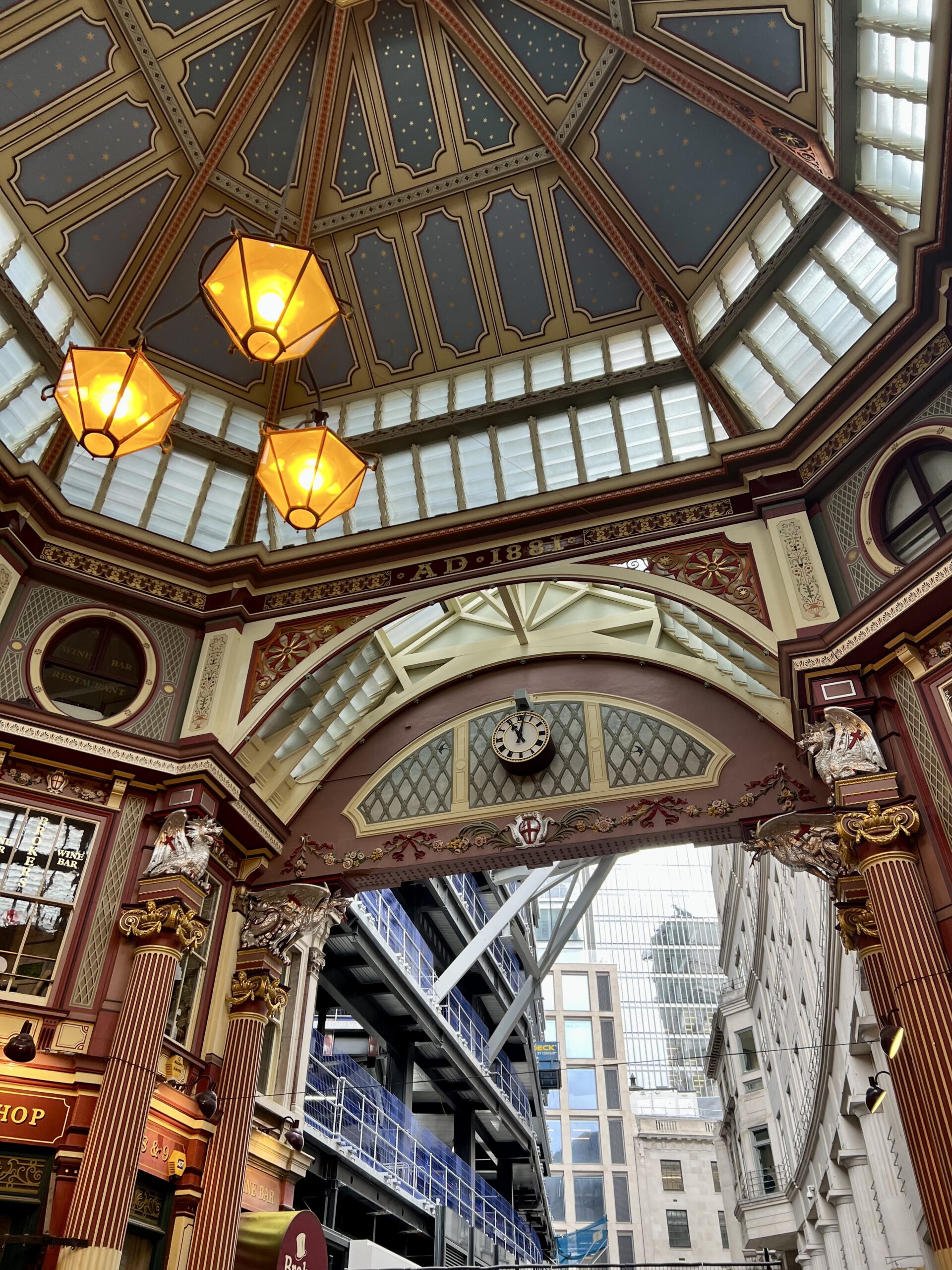
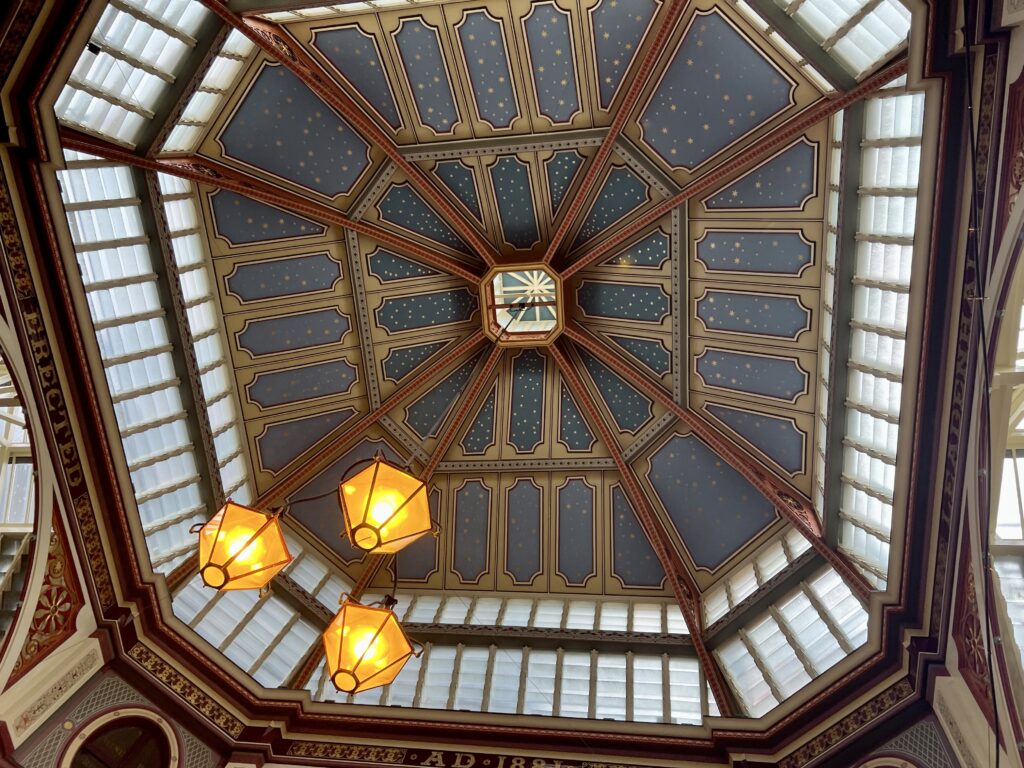
Leadenhall Market is a historic covered market in the City of London, dating back to the 14th century. Originally it was a market for meat, poultry, and game. Today, it’s best known for its beautiful Victorian architecture: painted beams, cobbled walkways, and an ornate glass-and-iron roof make it one of the most photogenic markets in London. Now, instead of butcher stalls, you’ll find boutique shops, wine bars, cafés, and restaurants.
Did you know? Parts of Leadenhall Market were used as Diagon Alley in the Harry Potter films.
See the London sky line from a park!
Regent’s Park is one of London’s Royal Parks, designed in the early 19th century by John Nash. Regent’s Park has famous manicured gardens, boating lake, sports fields, and the Regent’s Park Open Air Theatre. At the northern edge, you’ll also find ZSL London Zoo and Primrose Hill. The hill itself is famous for one of the best panoramic skyline views in London. You can spot The Shard, the London Eye, and St. Paul’s Cathedral on a clear day. The surrounding Primrose Hill neighbourhood adds extra charm with pastel-coloured houses and stylish cafés.

Walk amidst spiders and more at London Zoo
ZSL London Zoo is the oldest scientific zoo in the world, opened in 1828, and today it’s home to an impressive variety of animals and habitats. Highlights include:
- Land of the Lions, where Asiatic lions roam in landscapes inspired by Gujarat, India.
- Tiger Territory, home to Sumatran tigers.
- Gorilla Kingdom, where you can see western lowland gorillas.
- Rainforest Life, an indoor tropical forest filled with monkeys, sloths, and tamarins.
- Penguin Beach, the UK’s largest penguin pool.
- Reptile House, where snakes and lizards live (Harry Potter and th Philosopher’s stone took place in this setting).
- In with the Spiders, where golden orb spiders live freely in a safe walk-through space (if you dare).
- Children’s Zoo, where kids can meet farm animals and smaller creatures.
The zoo also offers daily feedings, keeper talks, and seasonal events. So, the London Zoo is a true must visit in London, if you ask me. Though honestly? Banish the spiders immediately… who wants to see that for crying out loud!

A part of D-Day
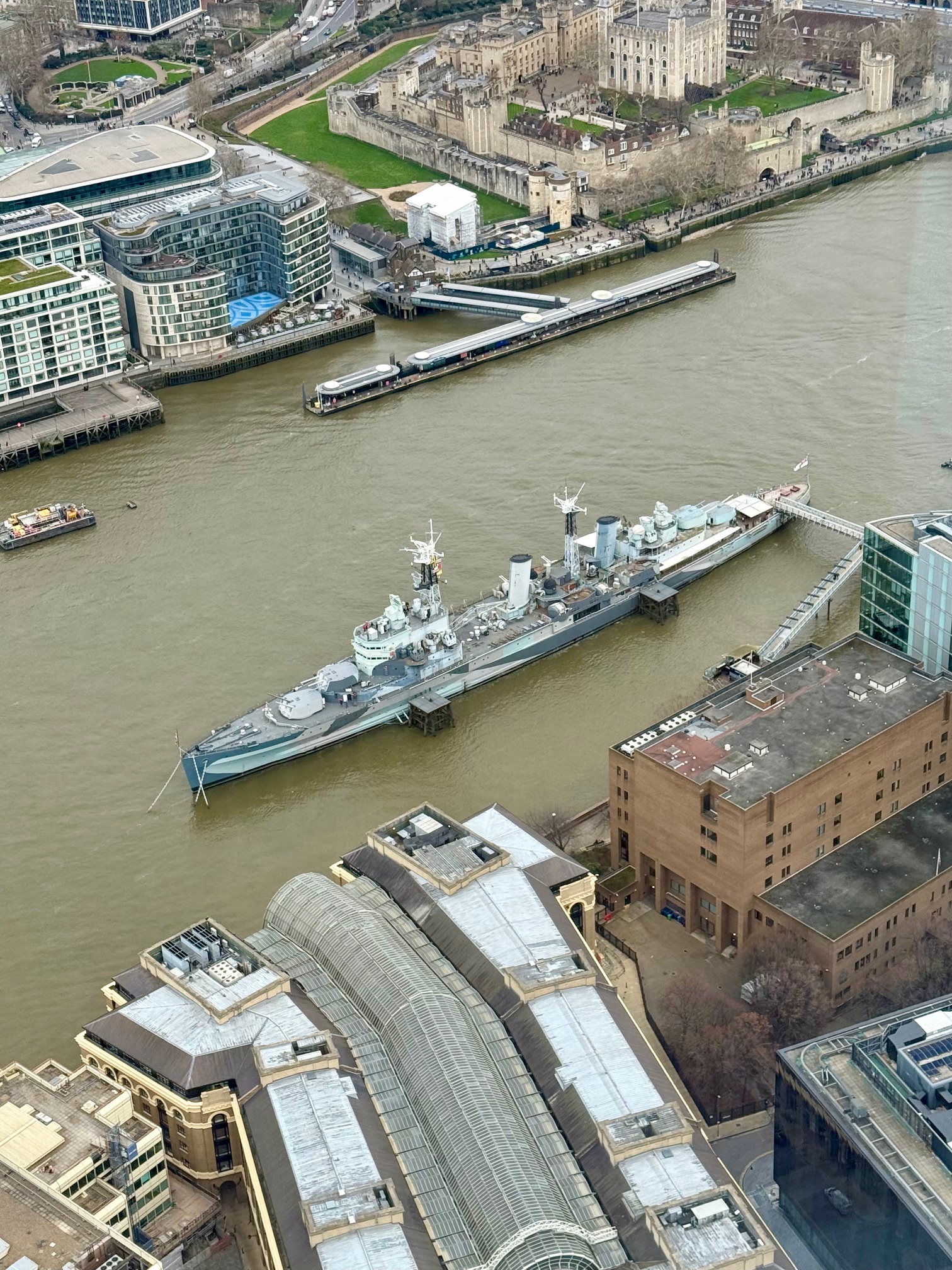
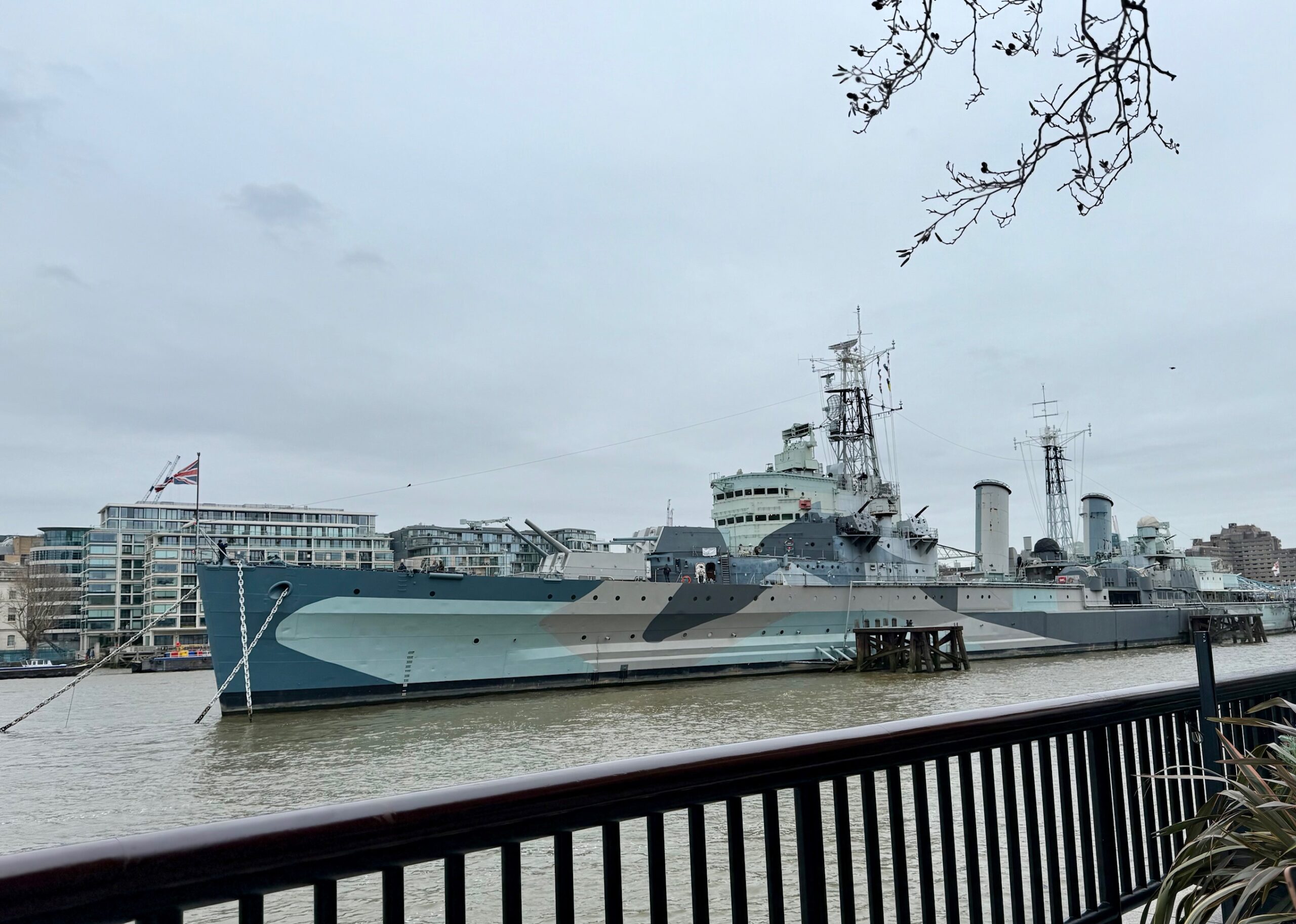
As you walk from Tower Hill towards Tower Bridge, you’ll spot a warship anchored just behind the famous bridge: HMS Belfast. This ship took part in D-Day and is mainly remembered for its World War II history. It’s no longer in service but now functions as a museum where you can learn more about its past. It’s now part of the Imperial War Museum.
UK’s war history
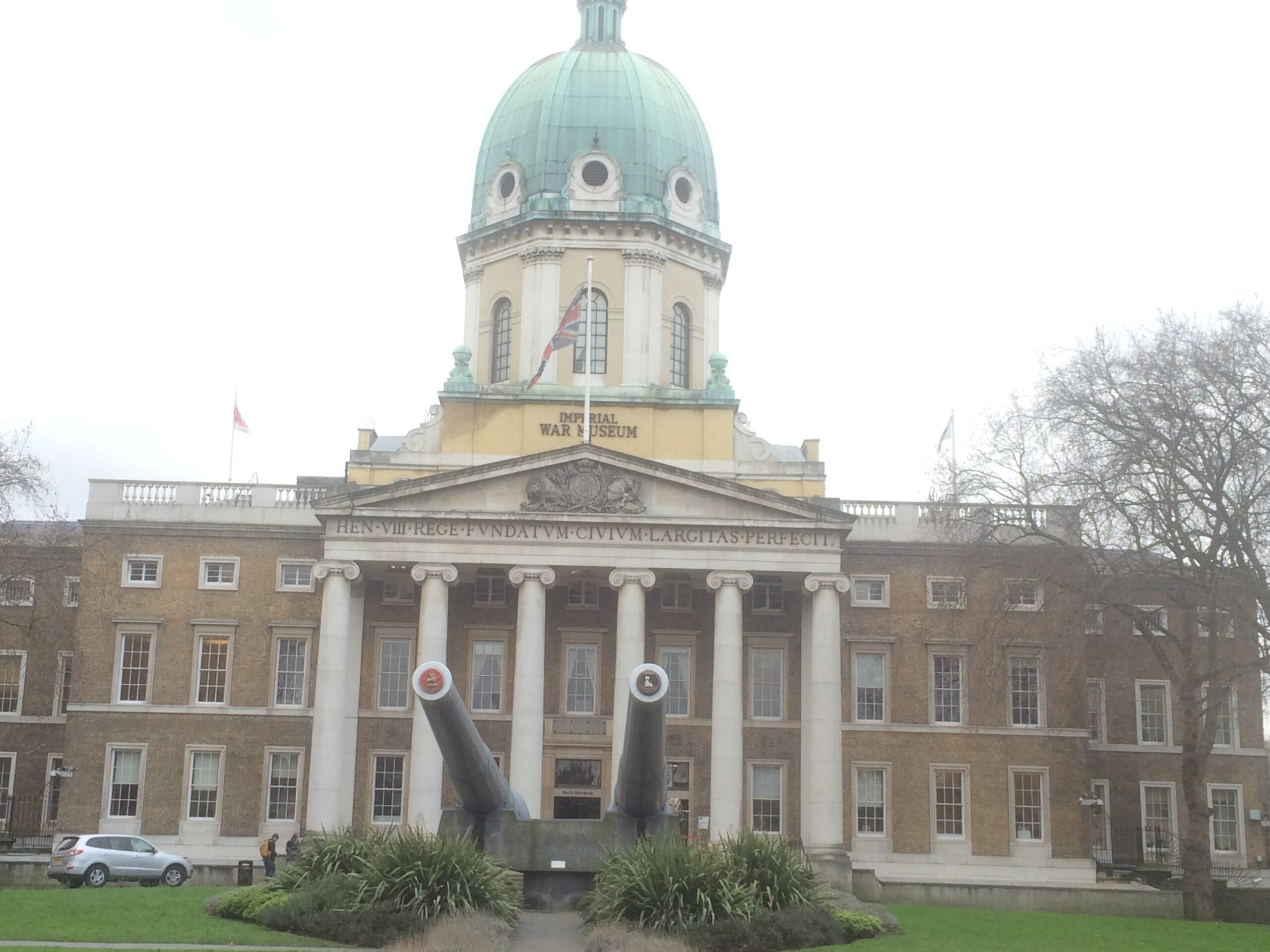
The Imperial War Museum in London is impressive even before you step inside. The building, once a hospital, has a grand neoclassical façade topped with a central dome. What stands out most are the two enormous 15-inch naval guns at the entrance, once mounted on HMS Ramillies and HMS Resolution during the World Wars.
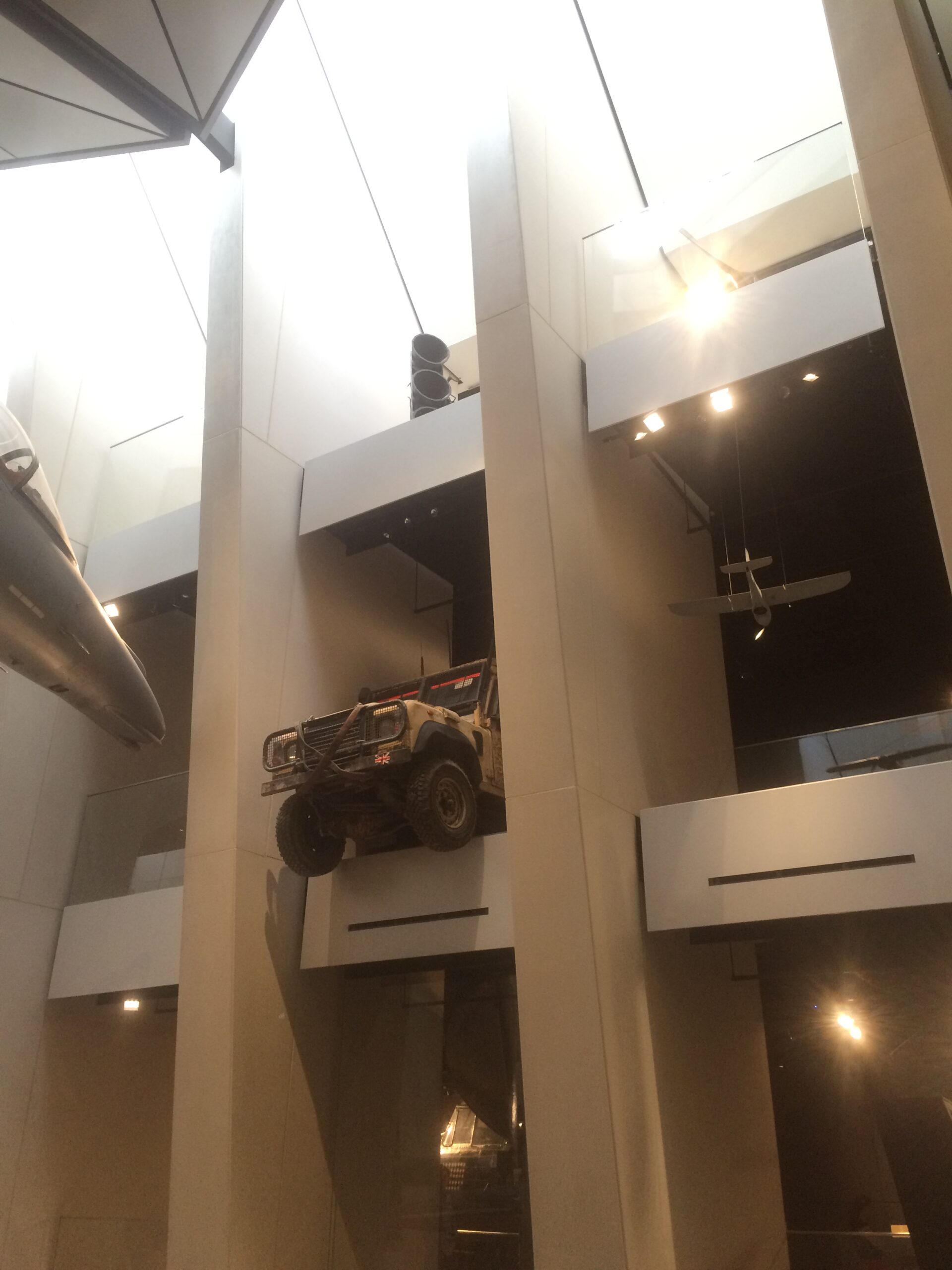
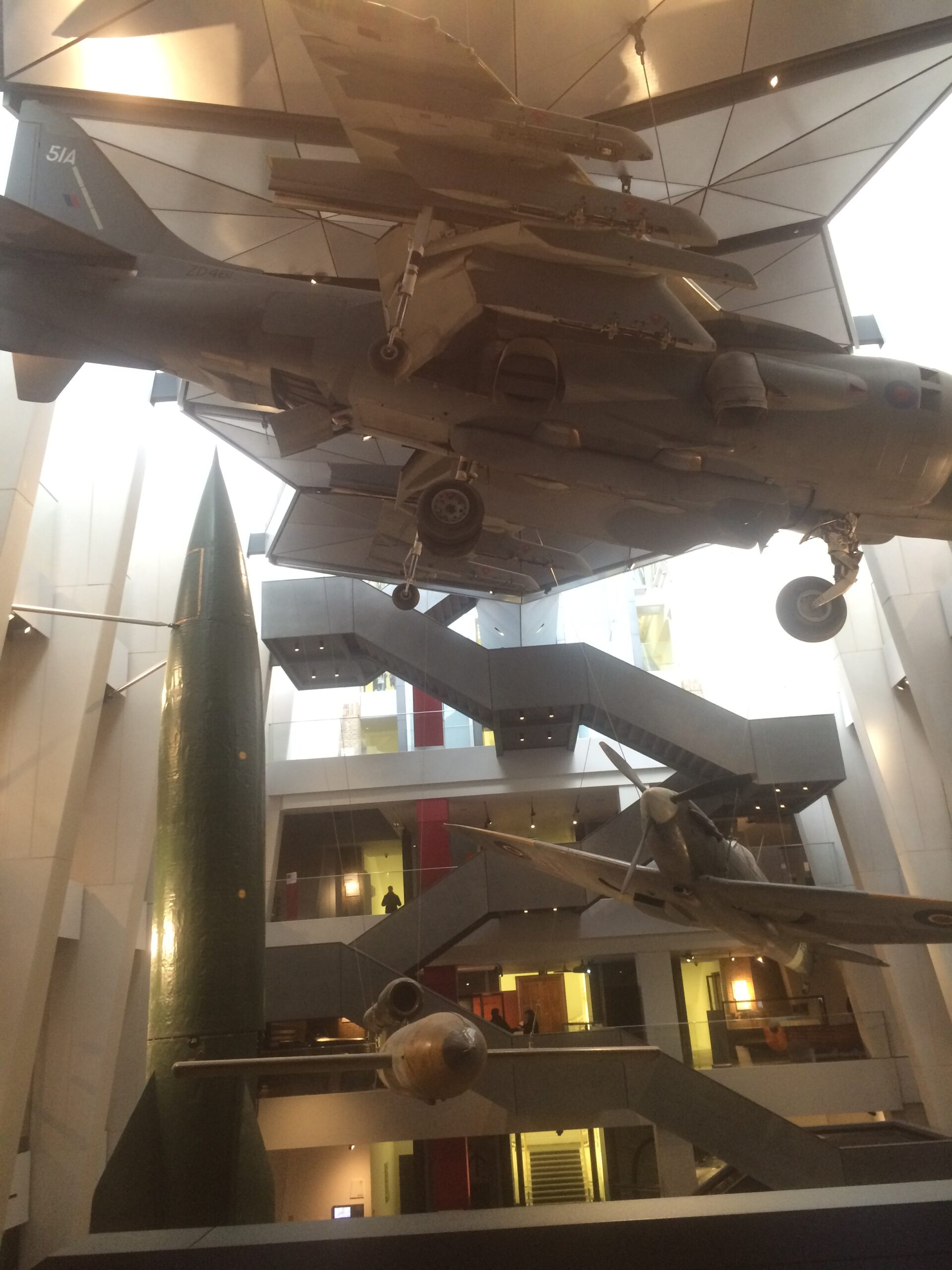
Inside, you’ll find moving exhibitions on both world wars, including immersive First World War Galleries and the deeply powerful Holocaust Galleries. The main atrium showcases tanks, planes, and missiles alongside personal artefacts, like letters, photos, uniforms, that bring human stories to life. Temporary exhibitions on espionage, photography, or modern conflict are often on display too. Best of all: admission is free.
London’s oldest street food market
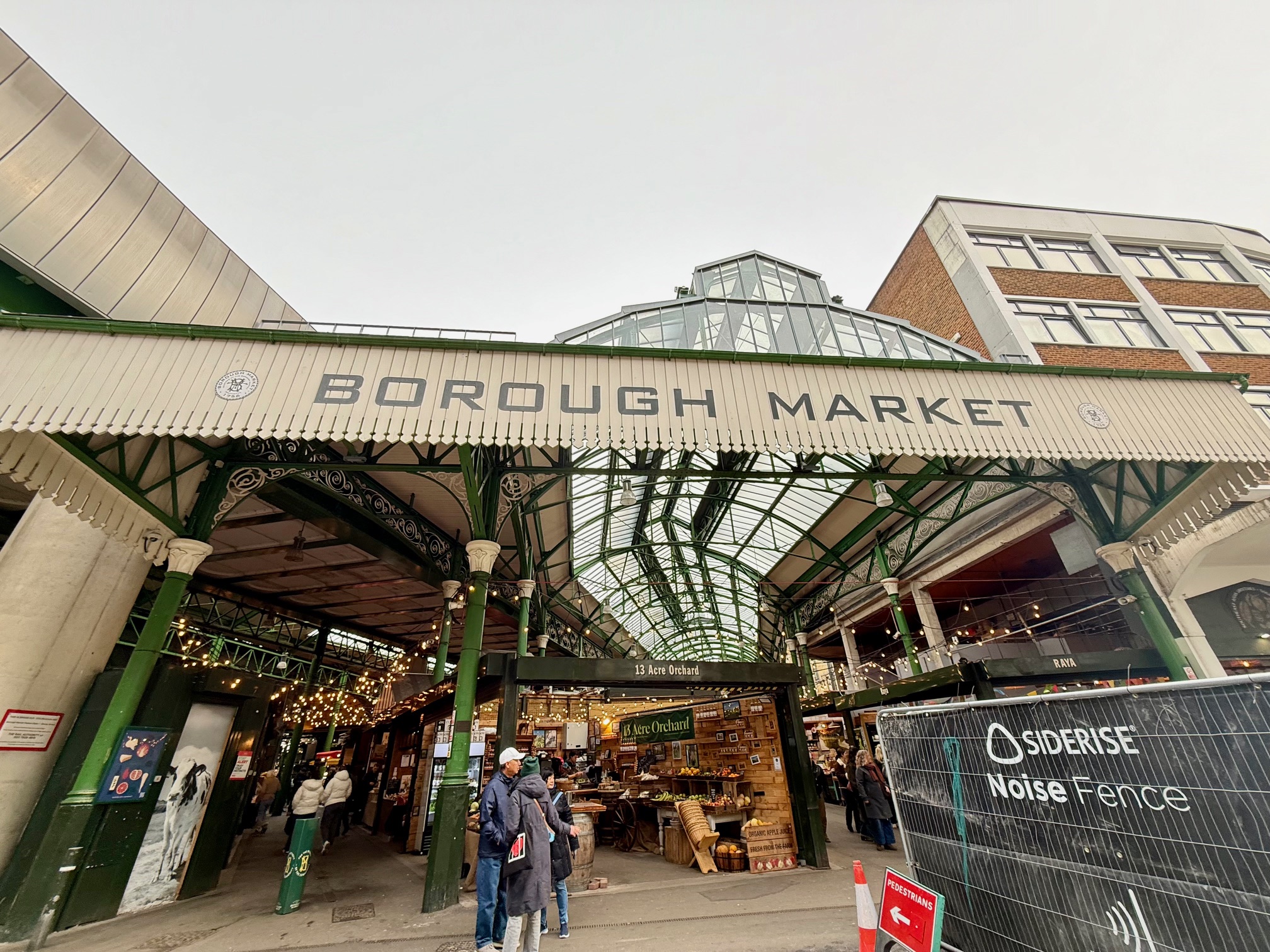
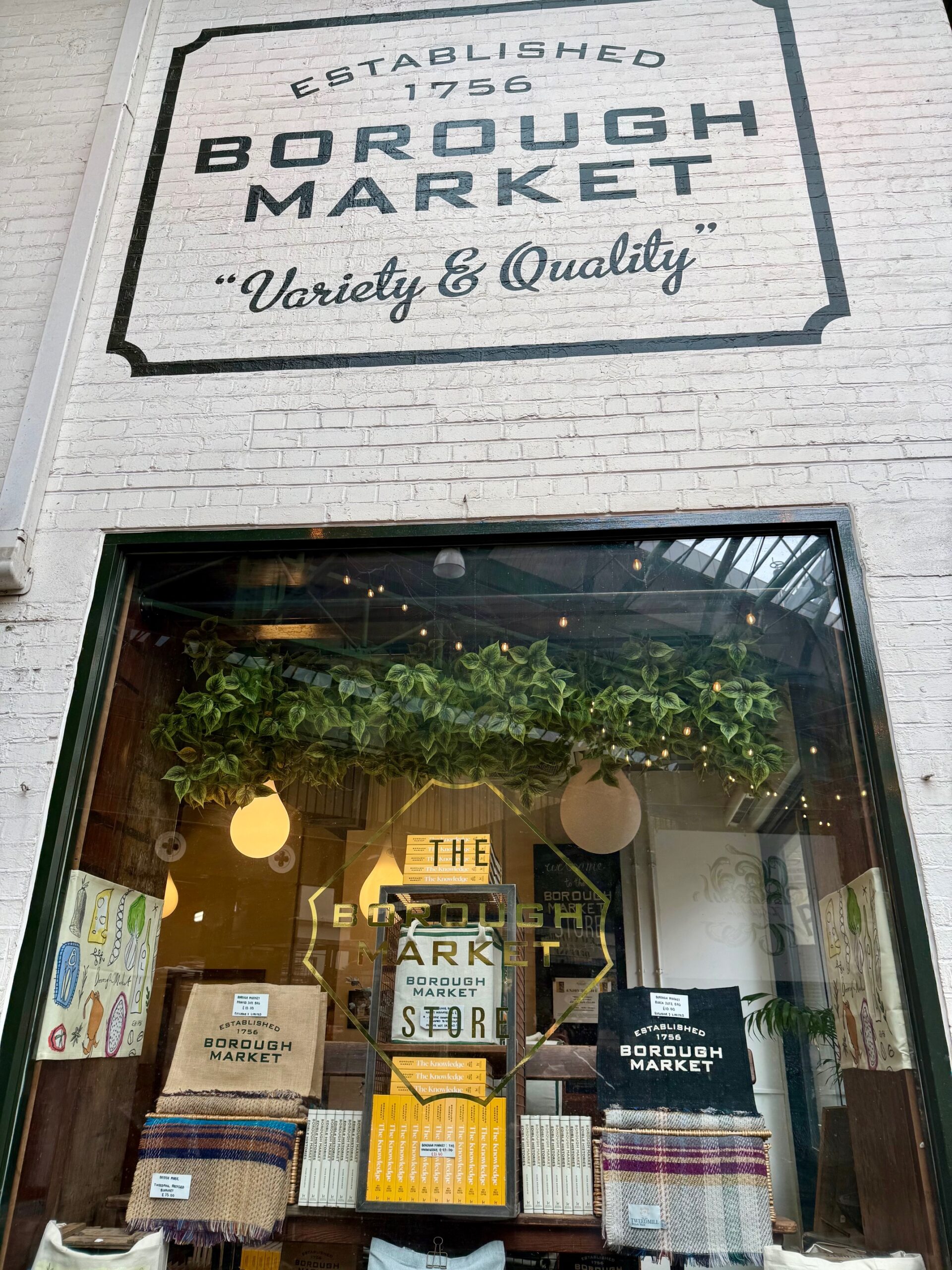
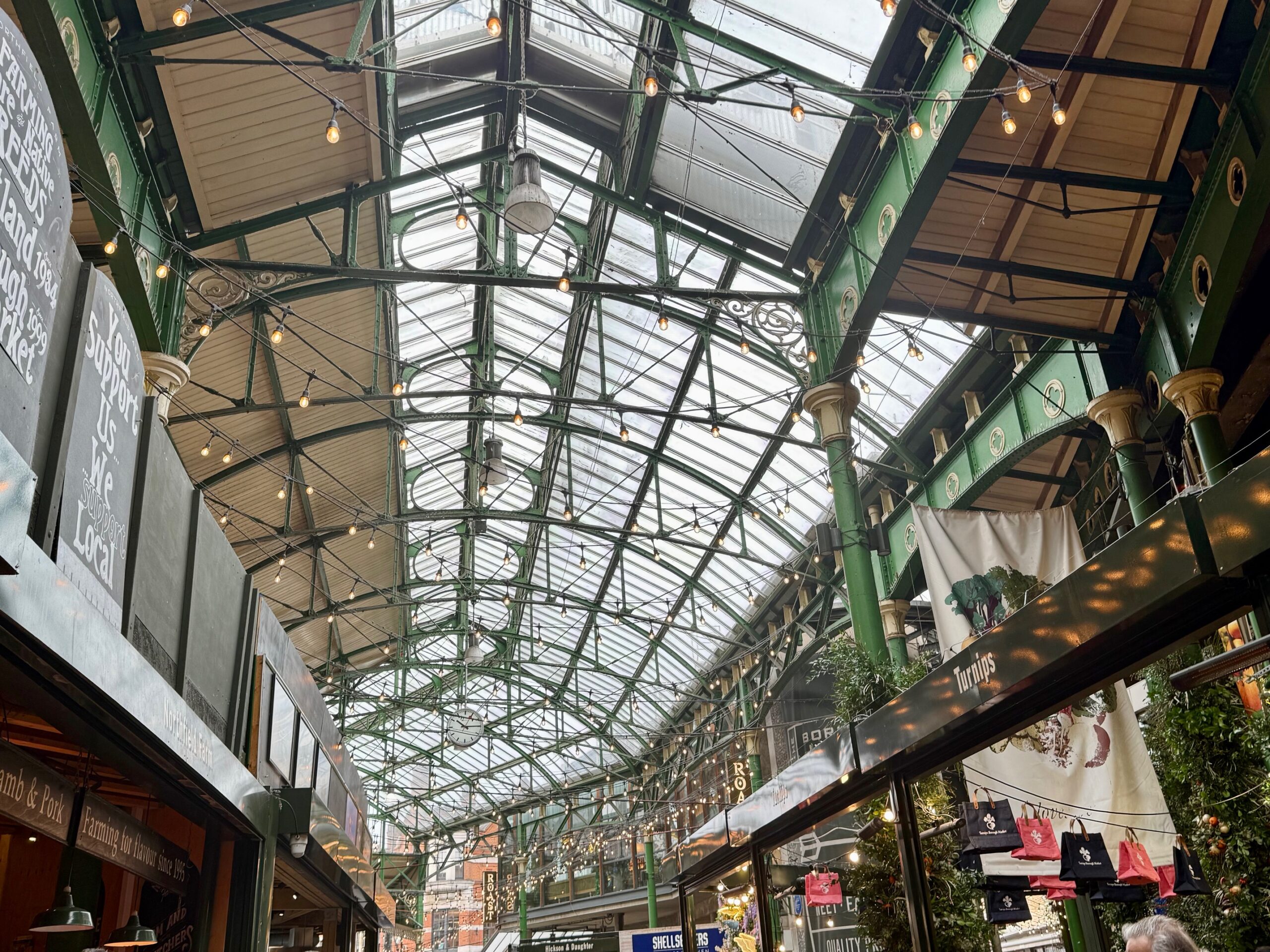
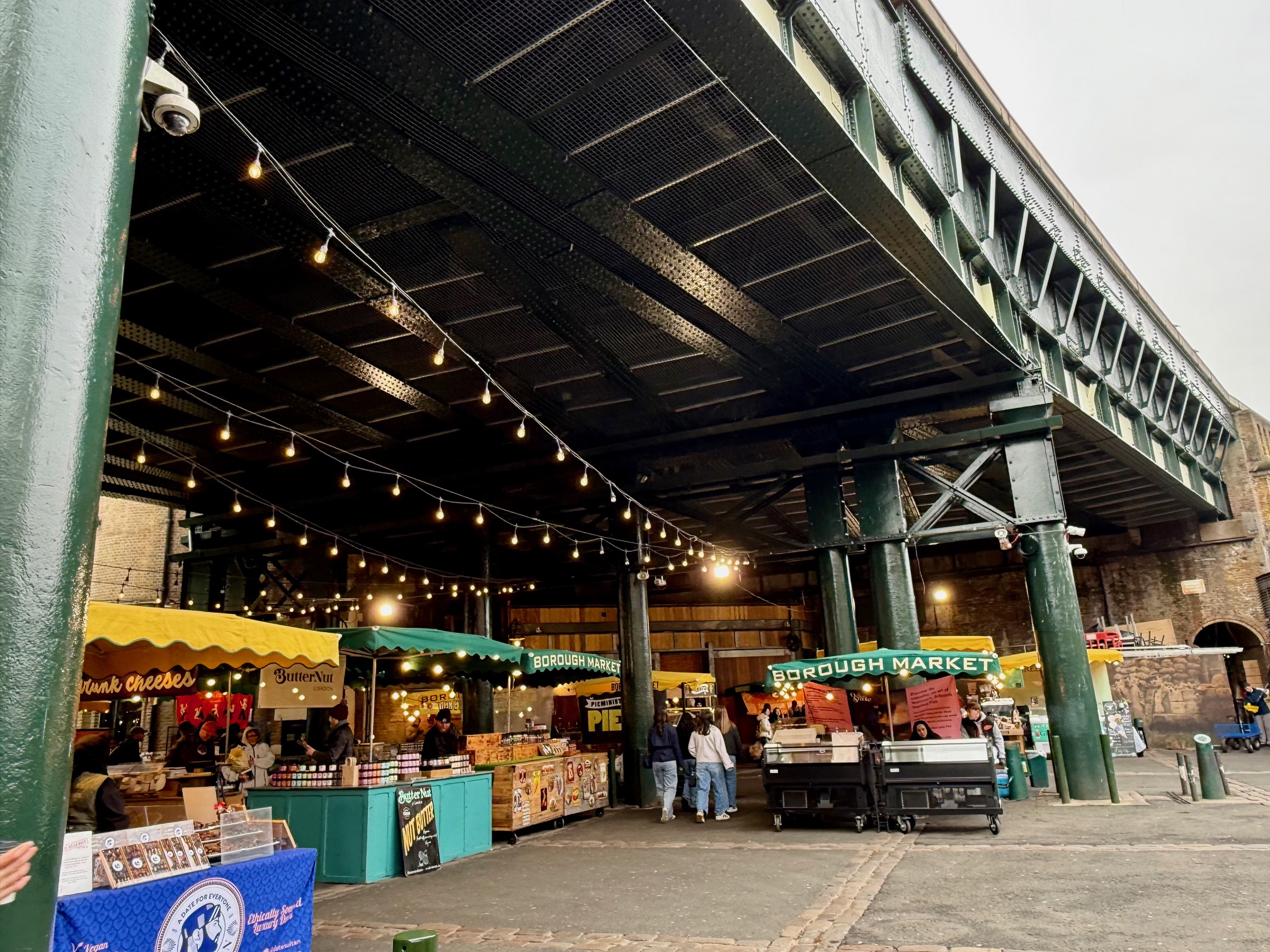
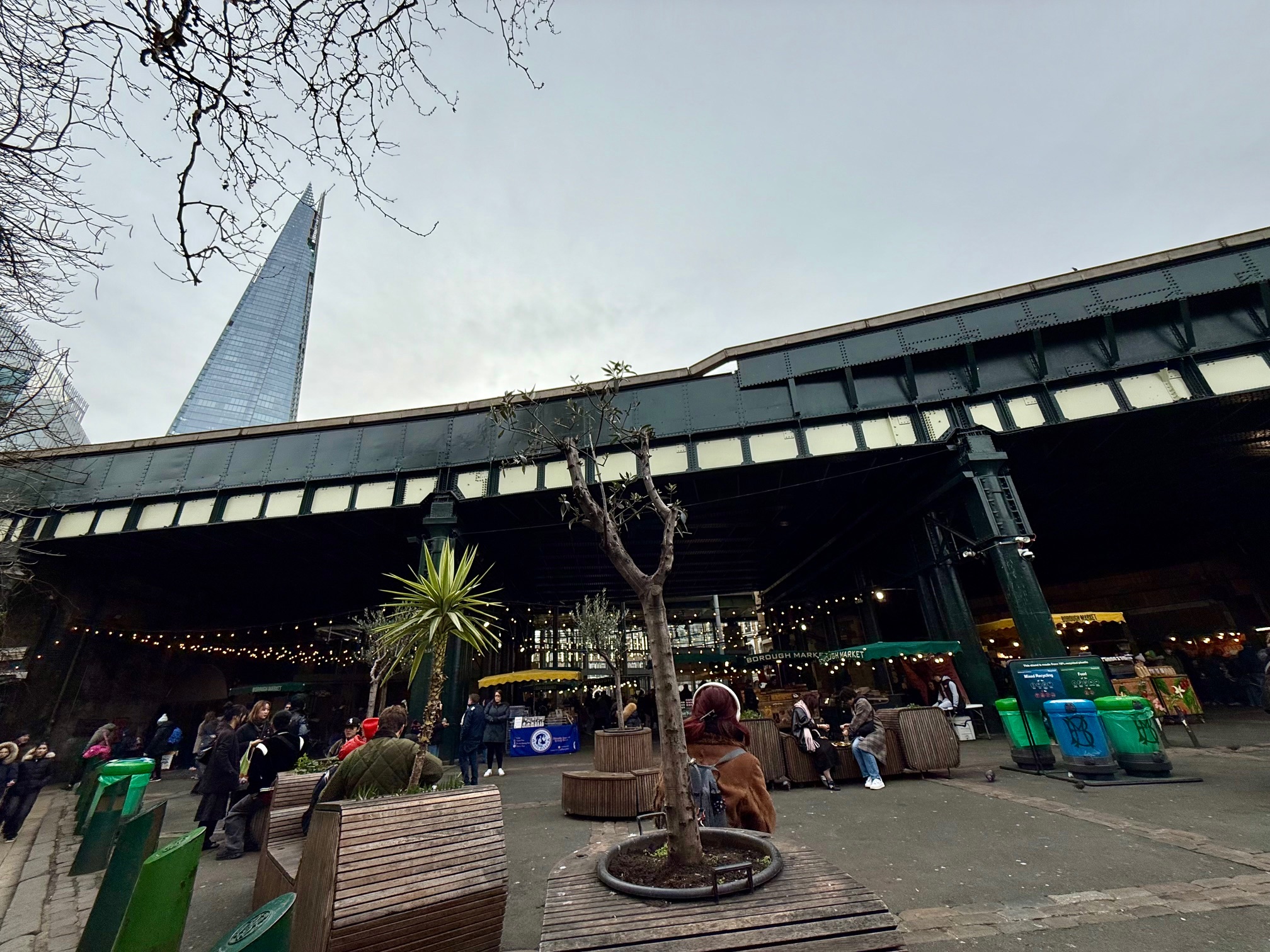
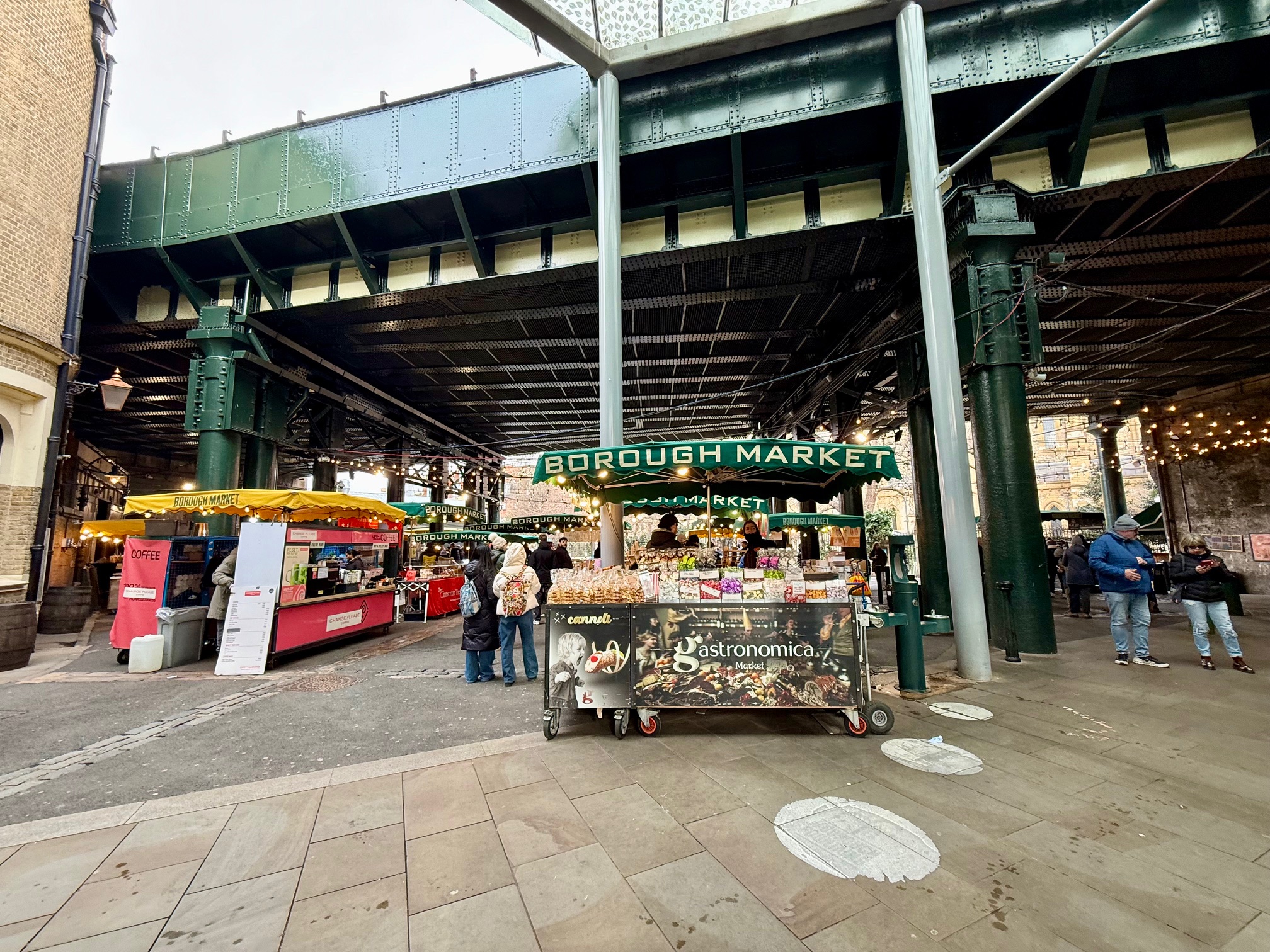
Borough Market is one of the city’s oldest and most famous food markets, located near London Bridge on the south bank of the Thames. With a history stretching back over a thousand years, it’s now a vibrant place full of artisanal breads, cheeses, meats, fresh produce, and street food from around the world. To be honest, I haven’t been yet, but as a huge food market fan, there’s a very good chance you’ll find me there next time.
A historic site
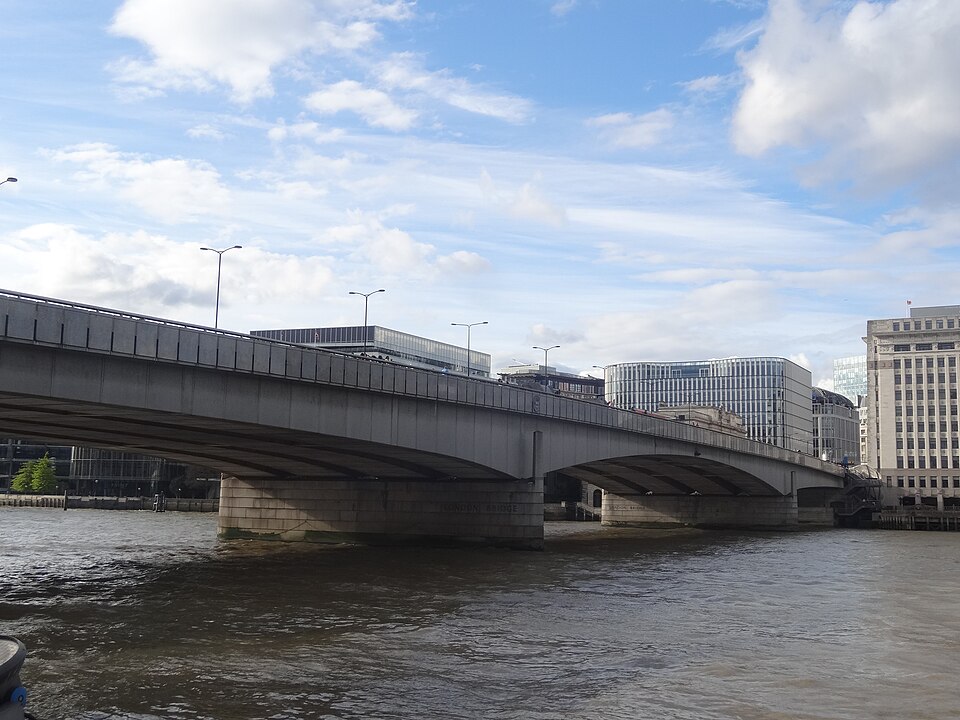
London Bridge is one of the most historic crossings of the Thames, connecting the City of London to Southwark. While often confused with the more decorative Tower Bridge, the current London Bridge is a modern structure of concrete and steel, opened in 1973. Sadly, it’s now most often remembered for the 2017 terror attack.
But the bridge’s history stretches back to Roman times. Medieval London Bridge was iconic, lined with houses and shops. Later, a 19th-century granite version was dismantled and shipped to Lake Havasu City, Arizona, where it still stands today.
Attention: Pelicans sighted
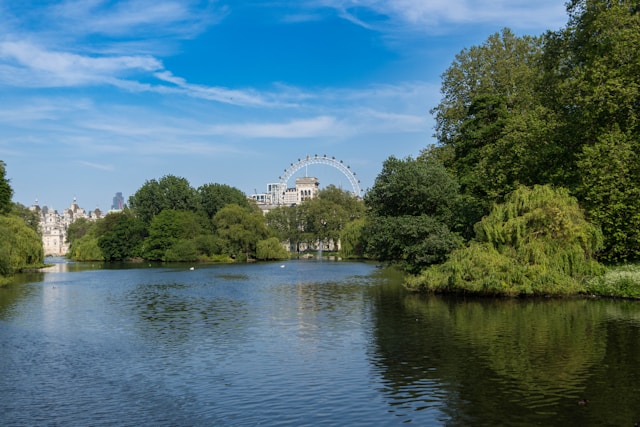
St. James’s Park, right next to Buckingham Palace, is one of London’s most famous Royal Parks. With its landscaped gardens, tree-lined paths, and central lake, it’s a favourite among visitors. The highlight? Pelicans. They’ve been living here since 1664, and park staff still feed them daily. Add to that flowerbeds, fountains, and photogenic bridges, and it’s a perfect spot for a leisurely walk.
Human creativity at it best
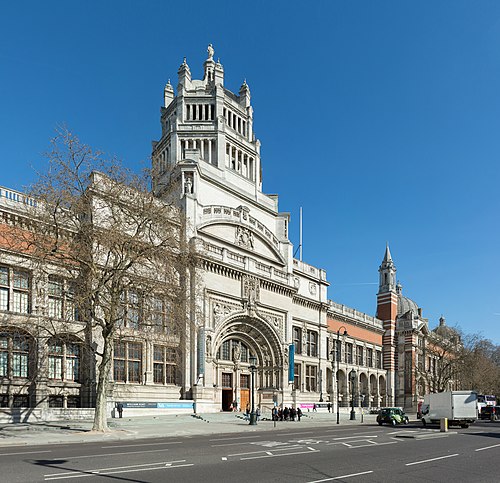
The Victoria and Albert Museum (V&A) is one of the world’s leading museums of art, design, and fashion. Founded in 1852 and named after Queen Victoria and Prince Albert, it houses over 2.3 million objects spanning 5,000 years of human creativity: from ceramics and textiles to jewellery, furniture, photography, and fashion. And yes: it’s free to visit.
Charles Darwin’s finds
Right next to the V&A stands the Natural History Museum, housed in a stunning Gothic-style building. Inside, you’ll find 80 million specimens, including fossils, insects, minerals, plants, and objects related to human evolution. Some of Charles Darwin’s findings are also on display here. Though most famous for its dinosaur skeletons, this museum is a true treasure trove of natural science. And it’s also free to visit, so please go and visit!

Follow in Julia Roberts and Hugh Grant’s footsteps
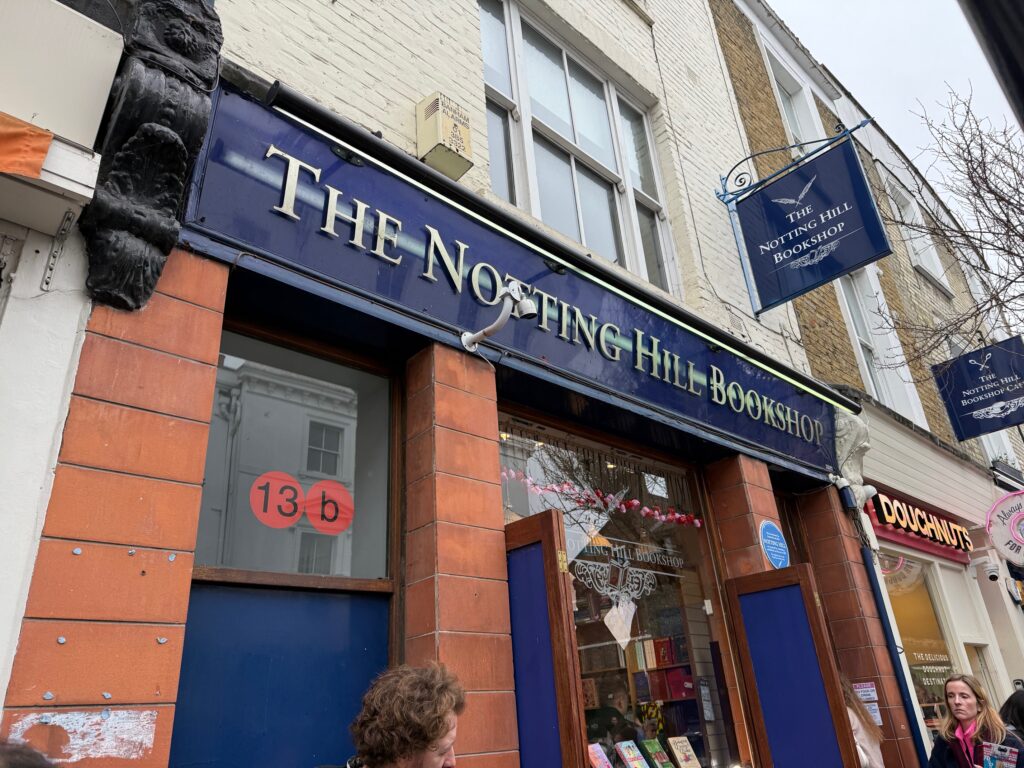
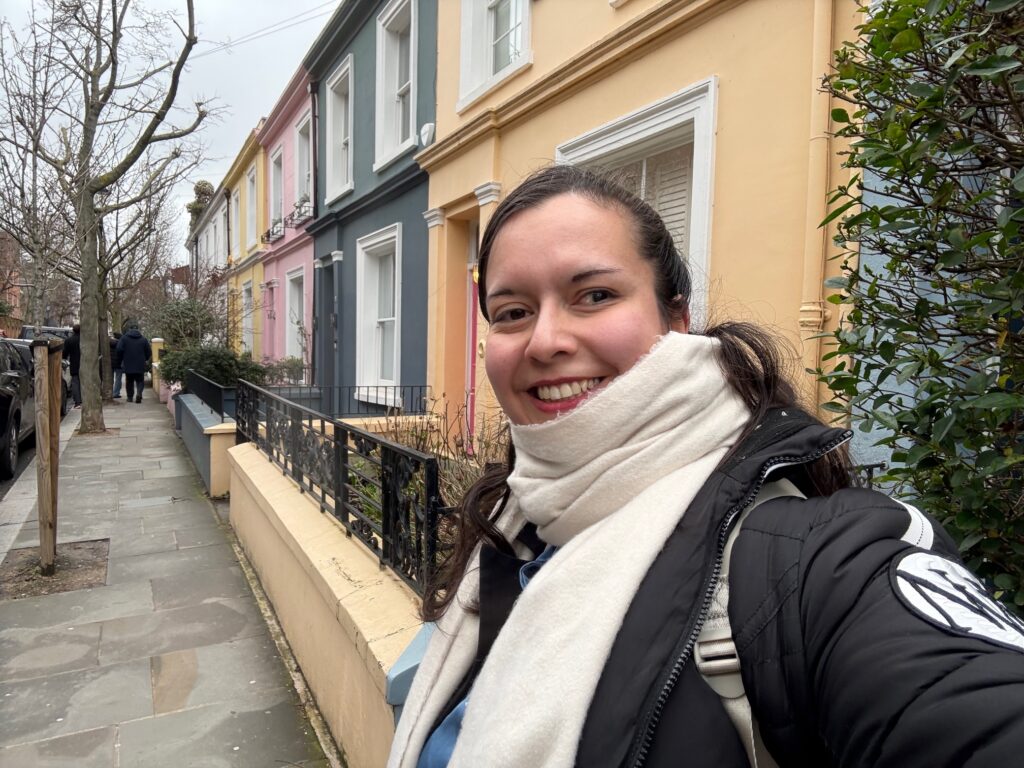
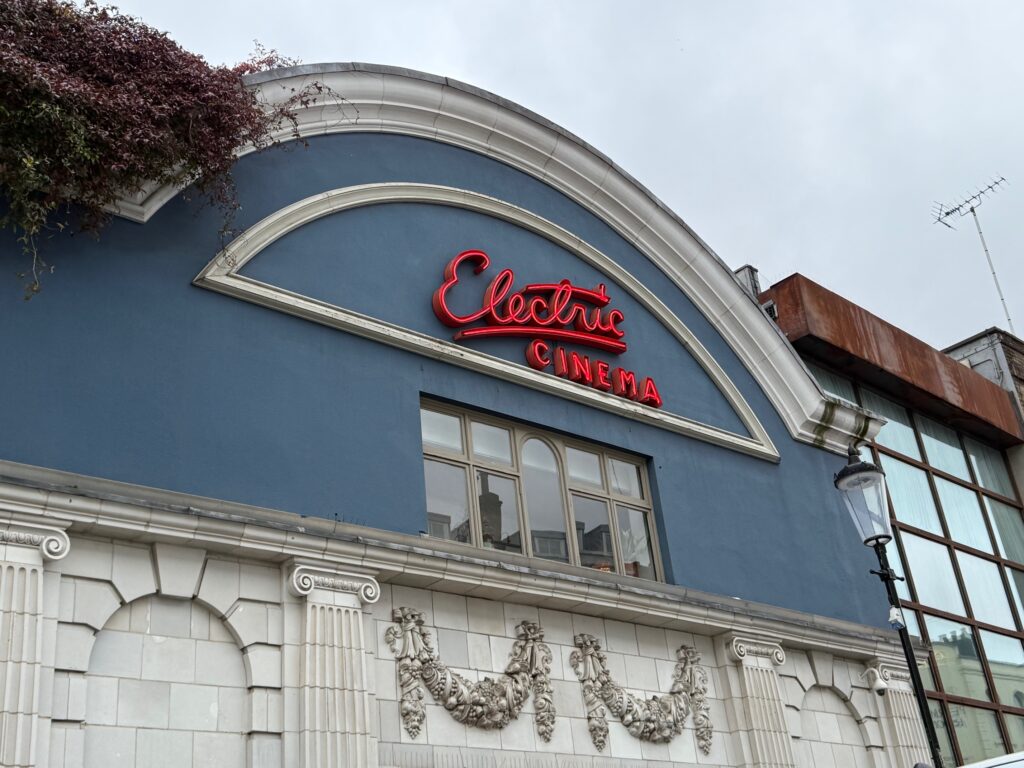
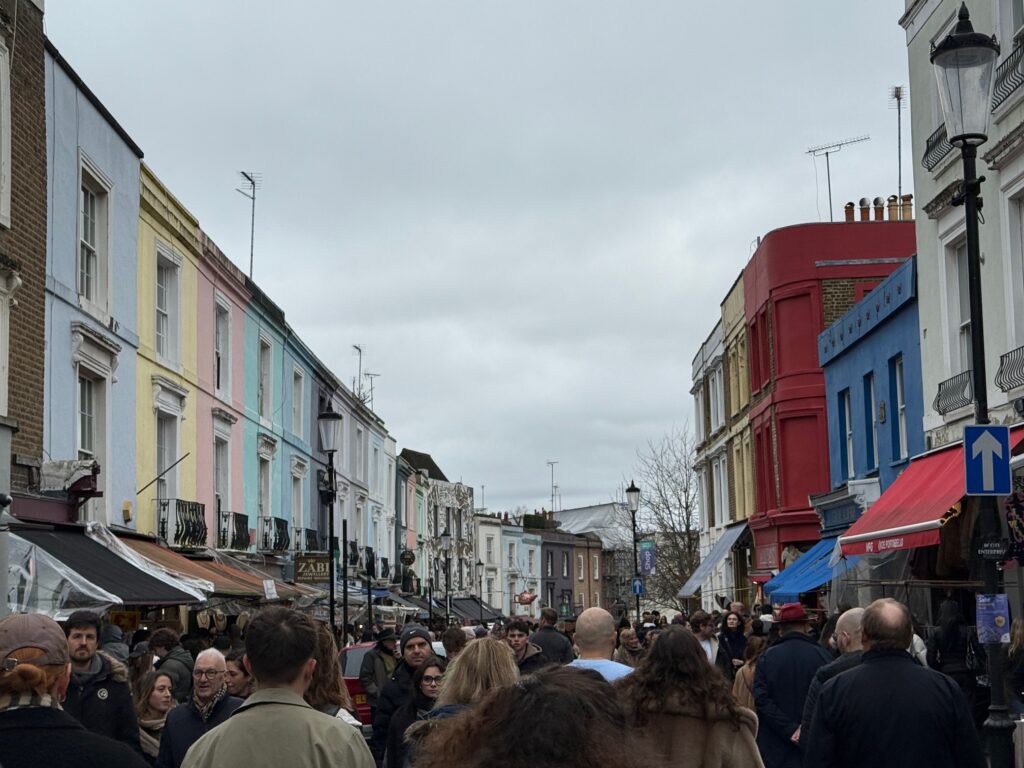
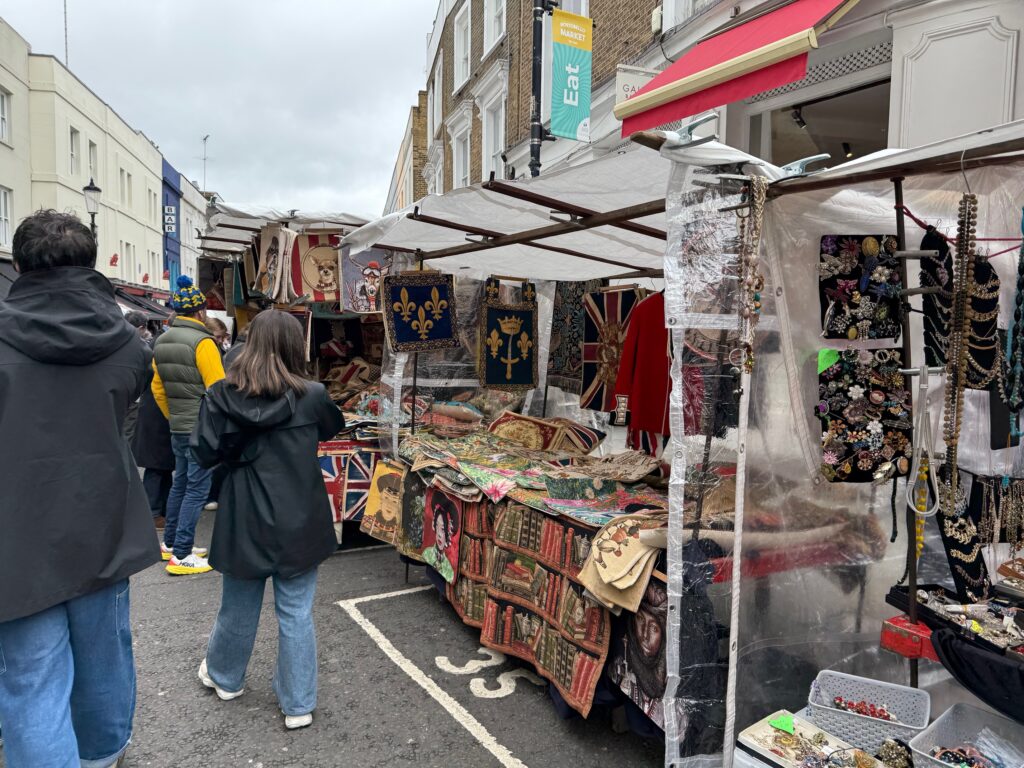
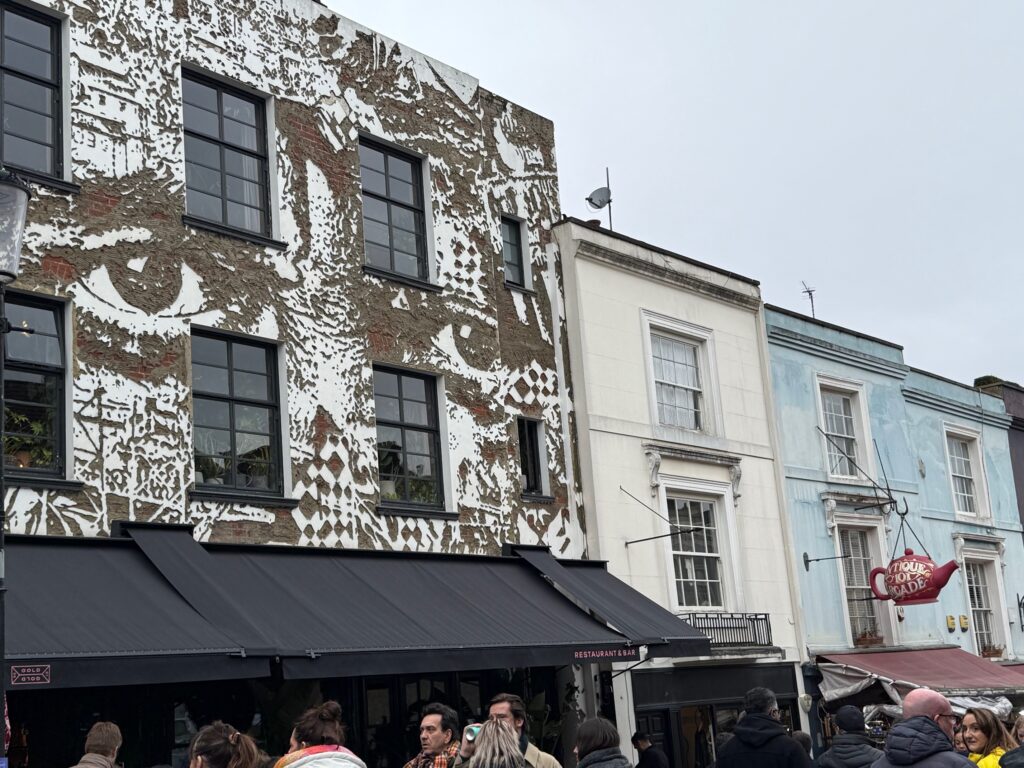
If you’ve seen the film Notting Hill, you already know this trendy neighbourhood. Notting Hill has famous pastel-coloured houses and a most famous street: Portobello Road, where you’ll find a bustling market full of antiques, second-hand goods, clothes, and international street food. Expect crowds at the Portobello Road Market, but the charm makes up for it.
London’s trendiest neighbourhood
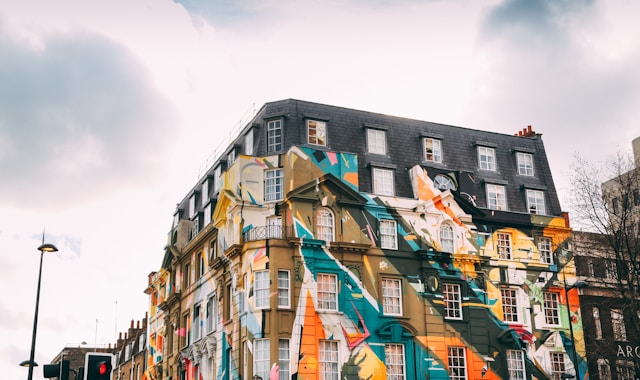
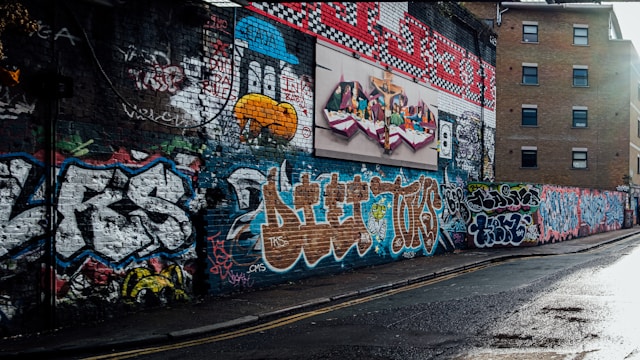
As of 2025, Shoreditch is still one of the trendiest areas in London. Think quirky cafés, vintage and design shops, and restaurants galore. But above all, Shoreditch is famous for its street art.You can also book a guided tour, which takes you to all th most famous murals.
Did you know? The street art in Shoreditch is constantly changing. Old works are replaced with new, so every visit feels (and probably is) different.
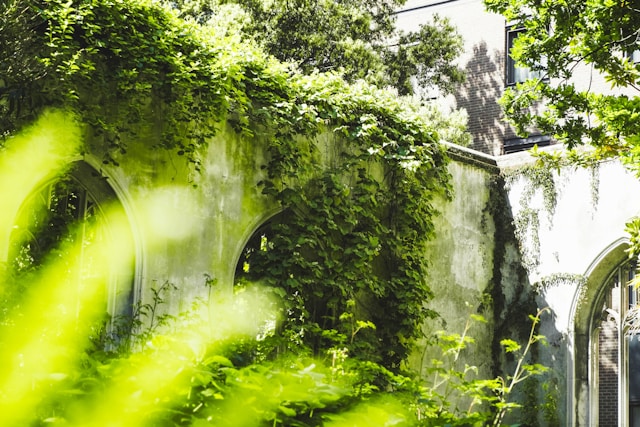
Ruins in the heart of London
St. Dunstan in the East is a former church that was partly destroyed during the Blitz in WWII. Instead of being rebuilt, the ruins were transformed into a public garden. Today, ivy and greenery creep over the surviving stone arches and walls, making it one of London’s most atmospheric spots. You’ll find it near Tower Hill and it’s perfect for a quiet escape.
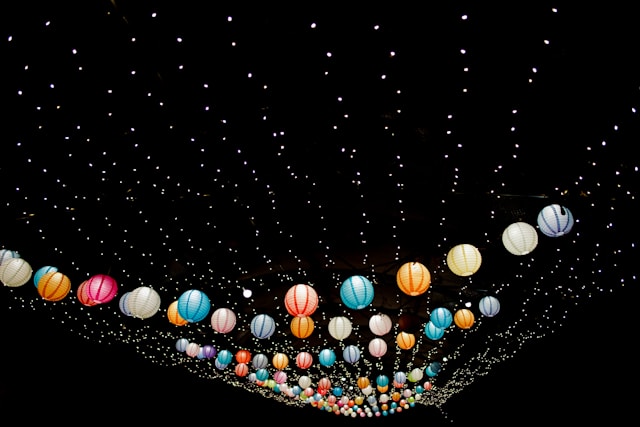
Is this Jamaica or London?
Head to Brixton and you’ll find one of London’s own “Little Jamaica” neighbourhoods. The area is alive with Caribbean culture: music spilling from shops, markets selling Caribbean groceries, and restaurants serving Jamaican food. Reggae and soca beats, colourful murals, and cultural events give the area a vibrant, lively feel.
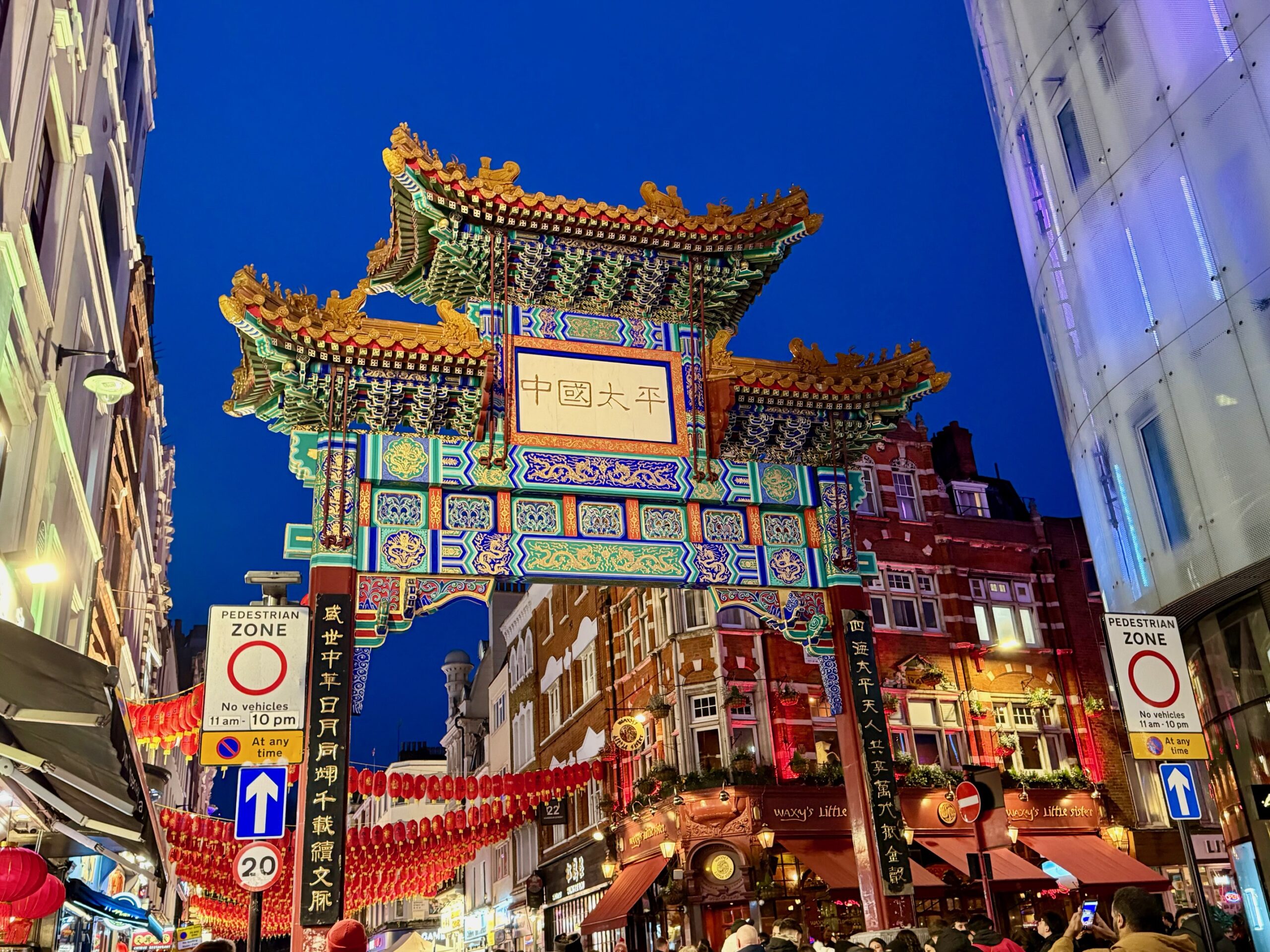
Experience China in the UK
Chinatown, near Leicester Square and Piccadilly Circus, is London’s hub of Chinese culture and cuisine. Red lanterns and ornate gates set the scene, while restaurants, bakeries, and shops line the streets. The area comes especially alive during Chinese New Year, with parades, dragon dances, and decorations.
One of London’s most famous squares
Leicester Square is the beating heart of London’s entertainment district. Cinemas here host film premieres, while theatres, restaurants, and bars keep it buzzing day and night. Statues and public art add extra character, like the Shakespeare monument and the Swiss Glockenspiel.
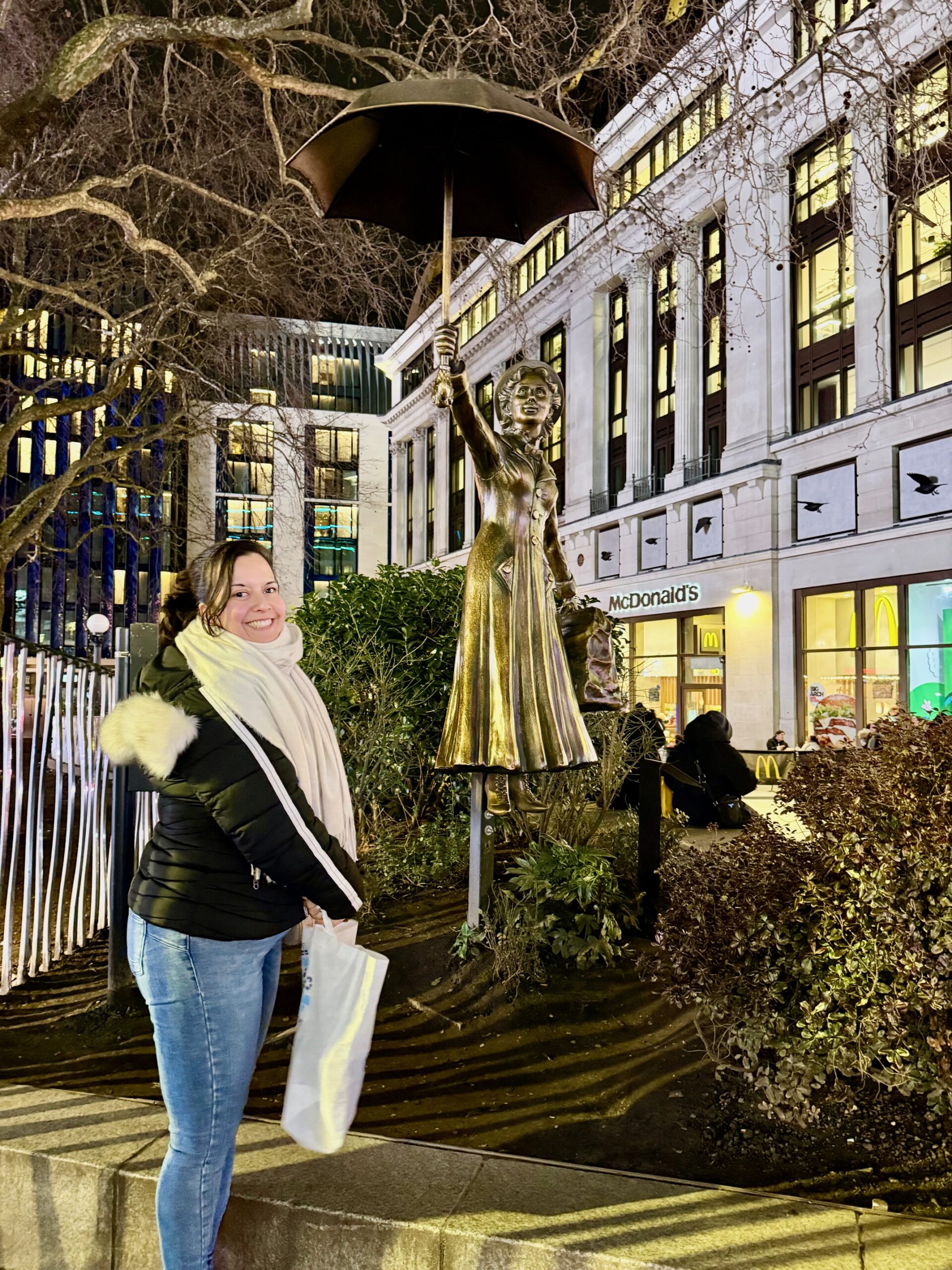
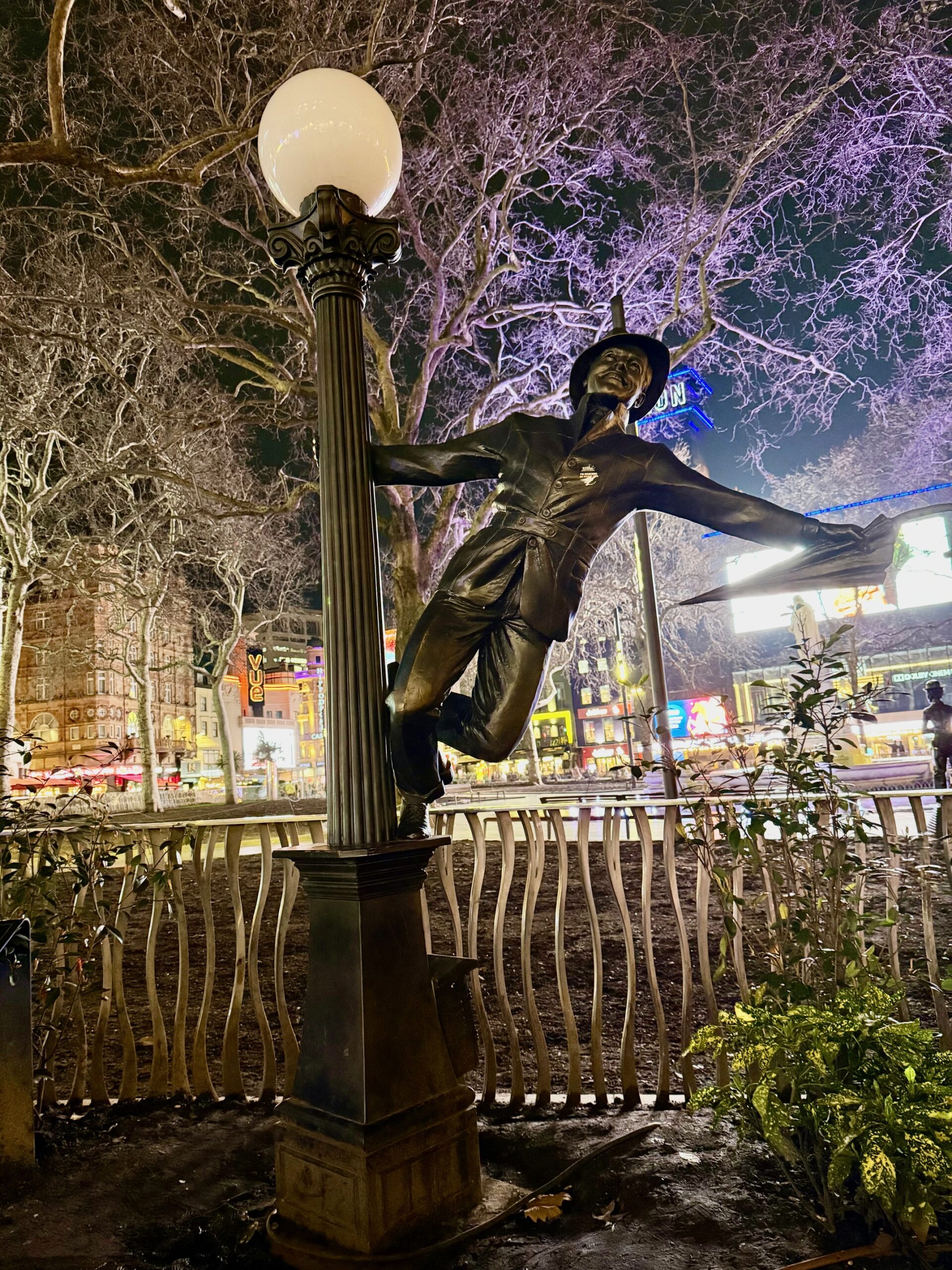
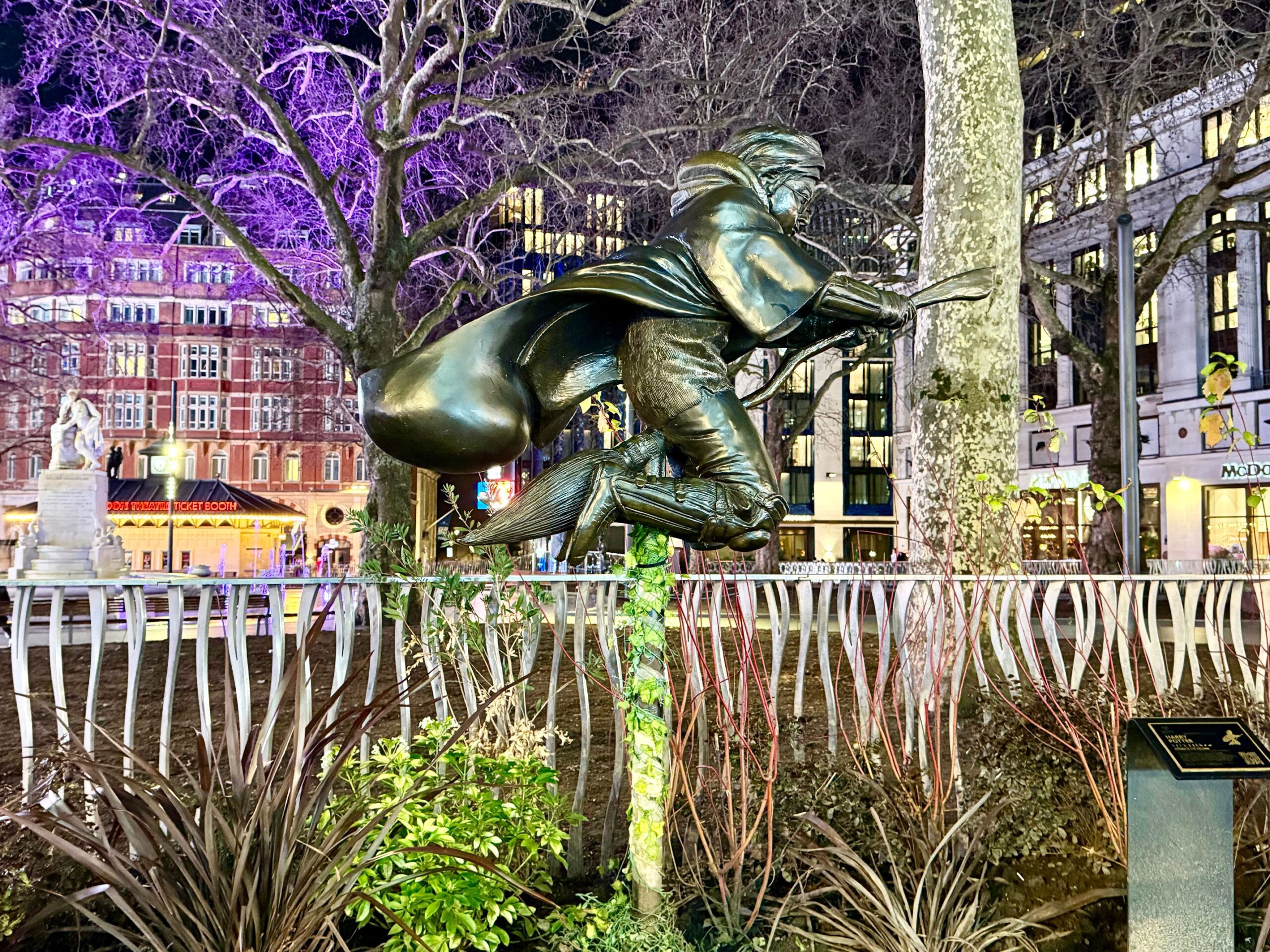
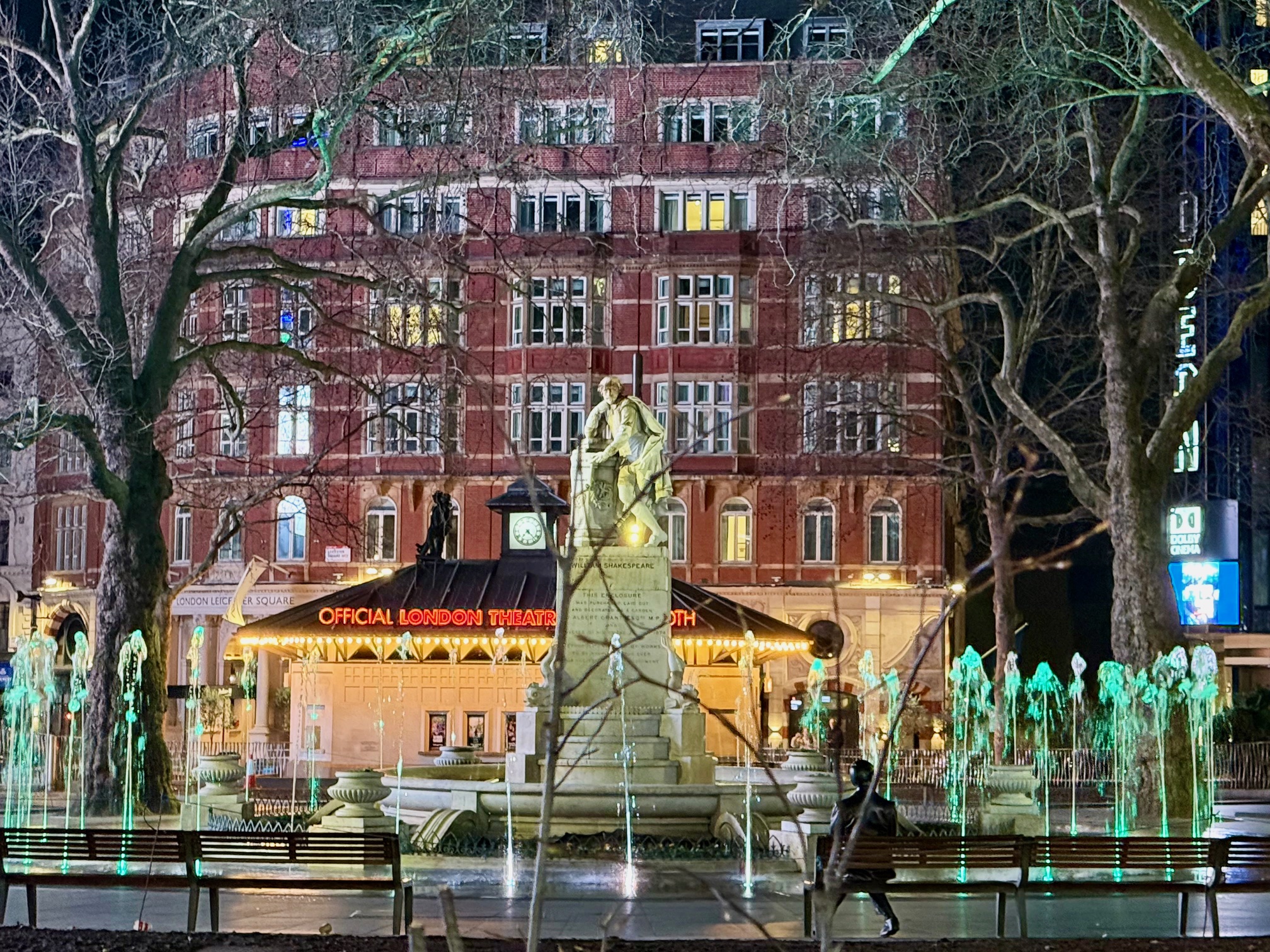
The Lookout at 8 Bishopsgate
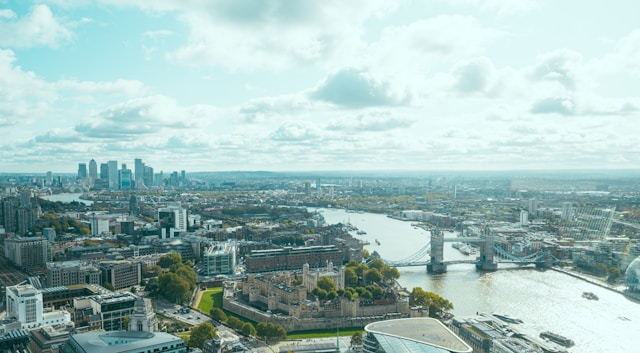
If The Shard and Sky Garden haven’t satisfied your skyline cravings, head to The Lookout at 8 Bishopsgate. Located on the 50th floor, this observation deck offers free views of London’s landmarks. Just keep in mind it sometimes closes for private events, so check ahead. Tickets can be reserved up to two weeks in advance…highly recommended.
Shopping and dining in Soho
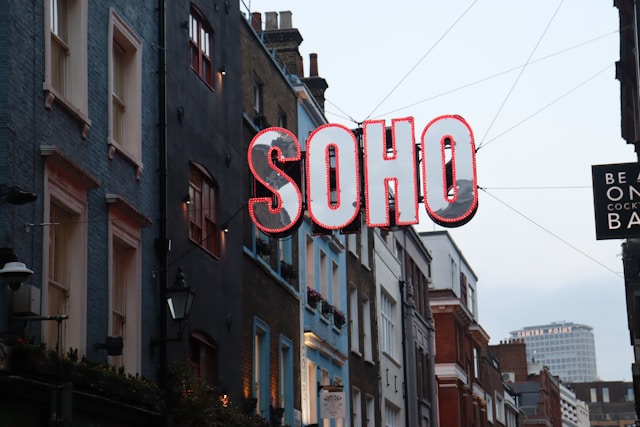
Soho is one of London’s most popular neighbourhoods, famous for its nightlife, restaurants, and LGBT+ bars. On weekends especially, the area comes alive with crowds looking for food, drinks, and music. Shopping fans will love Regent Street, with its stylish façades and flagship stores.
Visiting tip: between late November and early January, Carnaby Street in Soho is beautifully decorated with Christmas lights, drawing thousands of visitors.
So, visiting London? These things you can do in London
So, what should yo do whenst in London? Simple: you can’t see it all at once. And you don’t need to. The charm of this city lies exactly in that mix of iconic sights and unexpected discoveries. Sure, Big Ben and Tower Bridge are impressive, but maybe that quiet bench in Kensington Gardens or that graffiti piece in Shoreditch was just as memorable. London isn’t meant to be ticked off a list… it’s meant to be lived and relived moreover. So go, wander into this llively city without a plan, be surprised by all that you’ll see and remember: the best must-sees are often the ones you won’t find in any travel guide (although i really did my best to sum it up). So, enjoy your next city trip to London… I know I will.
Natasja Bartholomé
Author of fantasy books & travel blogger

You´ll all know me by now, but when I´m on a holliday I always have a holliday playlist on Spotify. This is London´s playlist. Enjoy!