Paris, the fashion capital. Paris, the city of love. What other names does the capital of France carry? I understand why for many people this city is their favourite (for me it is still, as you may already know, London, but hey: differences in opinion must exist). From the famous Eiffel Tower to the Montmartre district: if you ask me: What is there to do in Paris, then I can only answer: an incredible amount of things. And therefore, for my dear travel companion (yes, the one from New York), who does have Paris as her personal number 1, here is a travel blog with all the must-sees in Paris.
If you’d ask me: what to do in Paris?
With this opinion I will surely offend many people – sorry for that – but I have seen Paris twice and I am done with it now. Of course, the architecture and sights are certainly magnificent, but I have nothing with the crowds (huh? And you went to New York?!), with the French (sorry to my French readers, but you do speak English. Do not fool us!), I find it a dirty city (I thought Heerlen always smelled like urine, but Paris is ten times worse) and it looks gloomy (just like Brussels and Liège, for example).
However, when I hear my travel companion talk with full enthusiasm about Paris (she’s going back for the umpteenth time this year), then I do feel like I should write about this city. Maybe with my own words I can convince myself to return once more. See the city from another perspective, so to speak. Because once again, the sights such as the Eiffel Tower, Trocadero, Sacré-Coeur and Notre Dame are certainly worth a visit. Paris simply has its own vibe (not one that lies on my frequency, but there are plenty of people who do vibe here), which you will not find anywhere else.
So for this article I’ll try to keep an open mind (so rest assured: no more negative rambling) and travel, as it were, for the first time with you through the highlights of Paris.
The most visited monument in the world
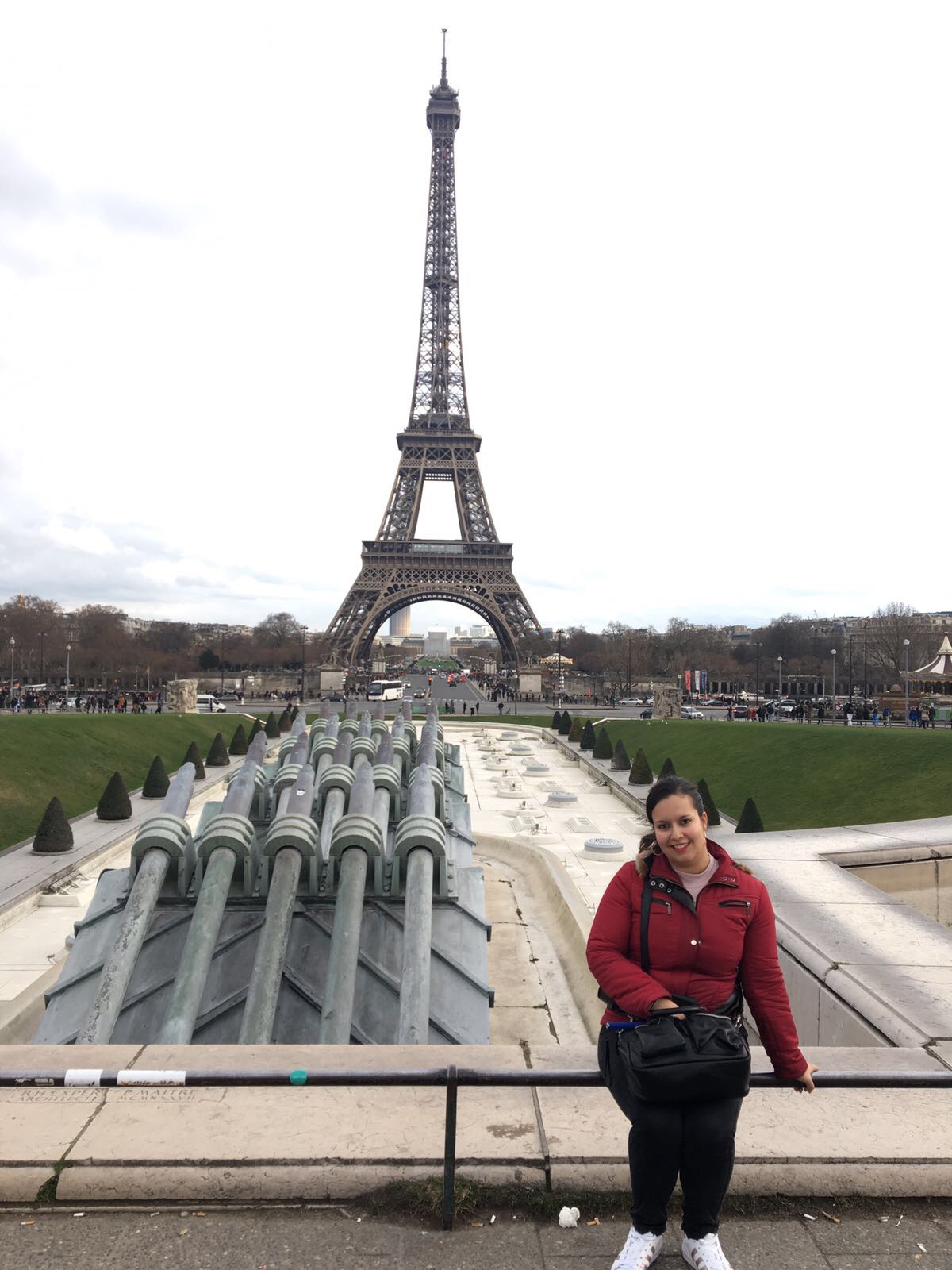
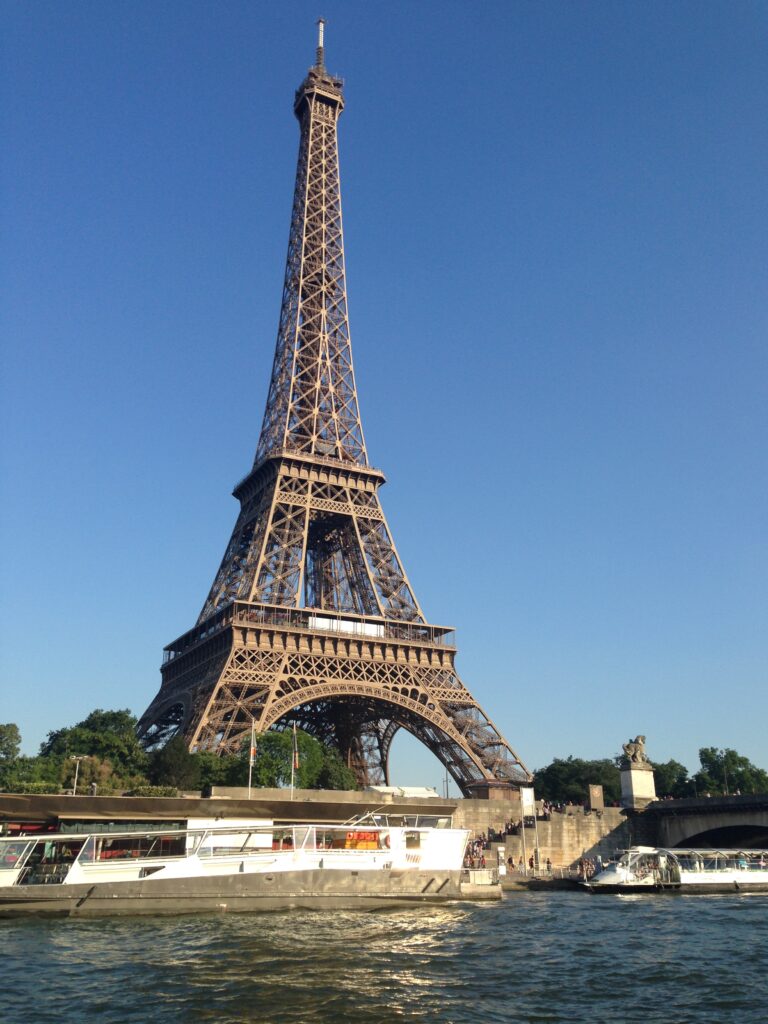
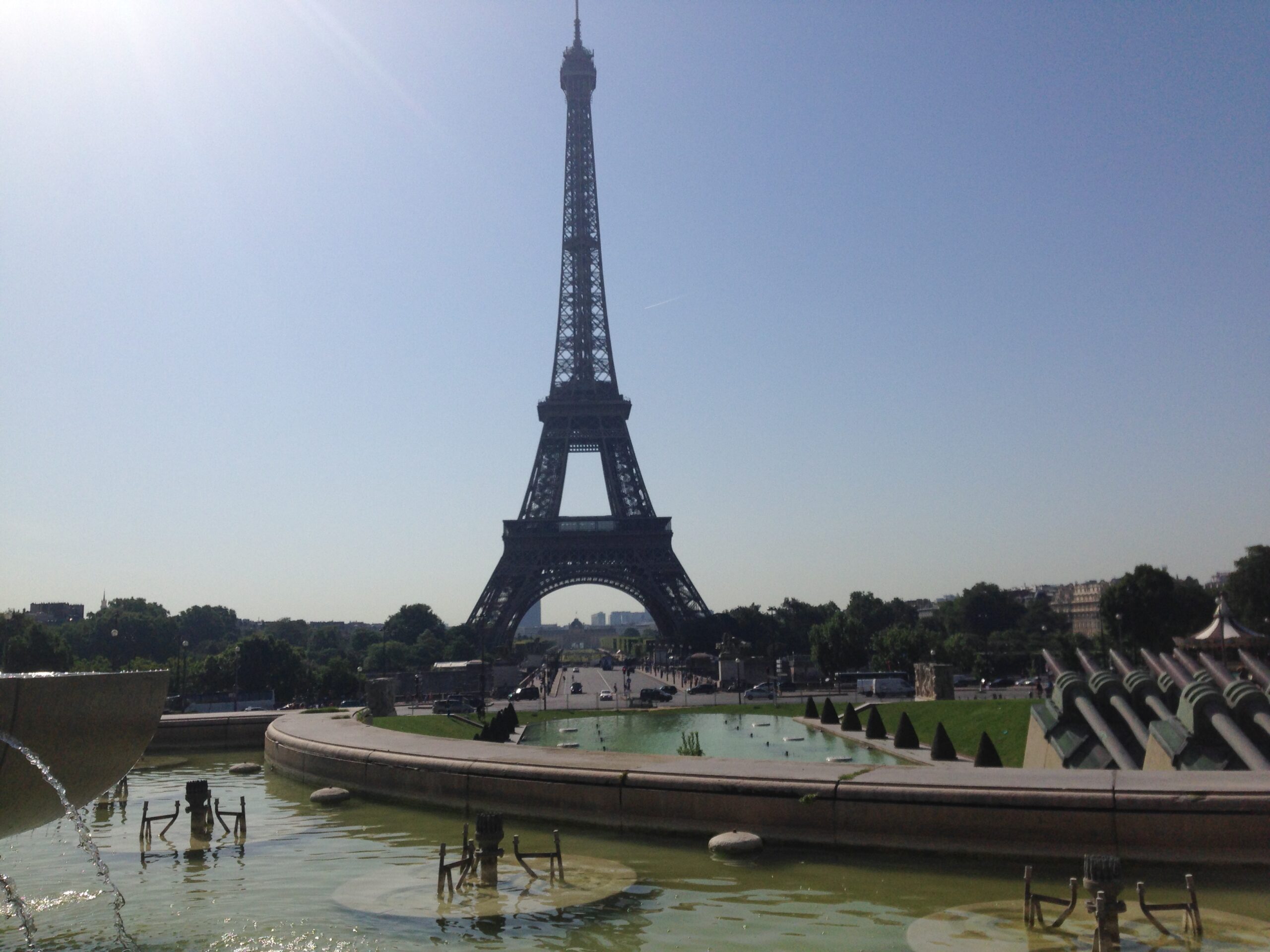
The Eiffel Tower… Need I say more? Of course, this is the attraction that everyone associates with Paris. No Eiffel Tower, no Paris, and vice versa. The first time I saw the Eiffel Tower, Google Maps had dropped us off at the wrong stop (Google Maps is not your friend in Paris, because later, when we wanted to go to the Champs-Élysées, it dropped us in a dodgy neighbourhood). After quite a walk, we finally had it in sight. Only later did we find out that it is better to get off at Trocadéro, from where a short walk through a beautiful fountain park brings you to the Eiffel Tower.
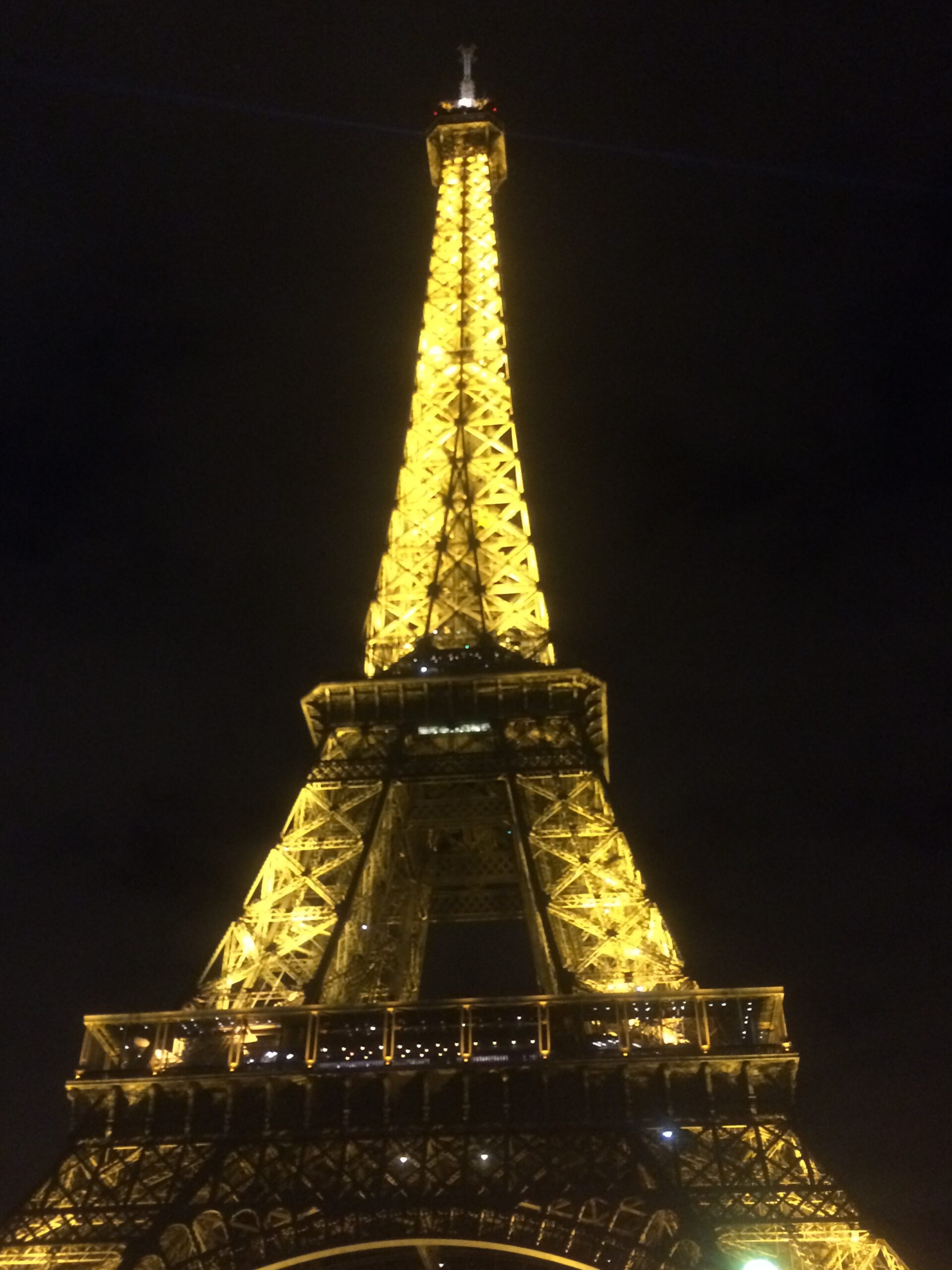
For those who don’t know yet, the Eiffel Tower is located in the 7th arrondissement. The idea came from Gustave Eiffel. It was however designed by two of his employees: Maurice Koechlin and Émile Nouguier. Construction started in 1887 and had to be finished in 1889 for the World Exhibition. Moreover, 1889 also marked exactly one hundred years since the French Revolution.
You can visit the Eiffel Tower inside. The top is 317 metres high, but including the television antennas, the tower’s height is even 342 metres.
If that’s too high for you, you can also buy tickets for the first platform. Here, you’ll find an exhibition with information, photos, and paintings about the Eiffel Tower. Besides, a smaller replica of the Eiffeltower can be found in Las Vegas.
You can take the lift to both platforms. Do you like a challenge and prefer the stairs? Be aware that only the first platform can be reached by stairs. The second staircase to the top is not accessible to the public.

Complete watershow
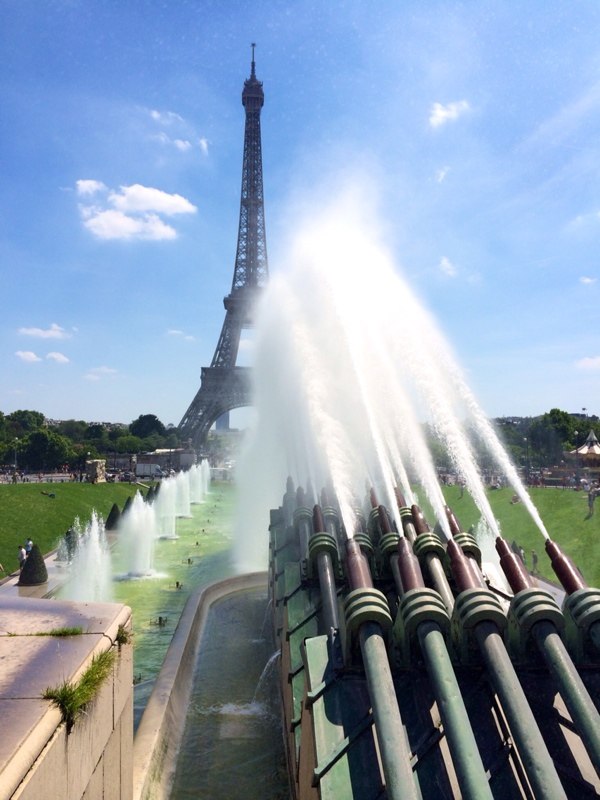
Place du Trocadéro is not only the most convenient metro stop to see the Eiffel Tower, but for me, it is also a sight in itself. Especially in the summer months, when you have a view from the square over the impressive fountains. On the square you will usually find street vendors, and surrounding you is the Palais de Chaillot. That is a building housing several museums, built on the site where the Palais du Trocadéro once stood. From the square, two large staircases take you down to the Jardin. The highlight in there is ofcourse the Fountain of Warsaw. It is essentially a rectangular basin with 12 fountains. These fountains can shoot water up to 12 metres high. There are also 24 smaller fountains. But even if the fountains don’t operate during winter time, I highly recommend the view of the Eiffel Tower and the surrounding parks from Place du Trocadéro.

Where is Quasimodo?
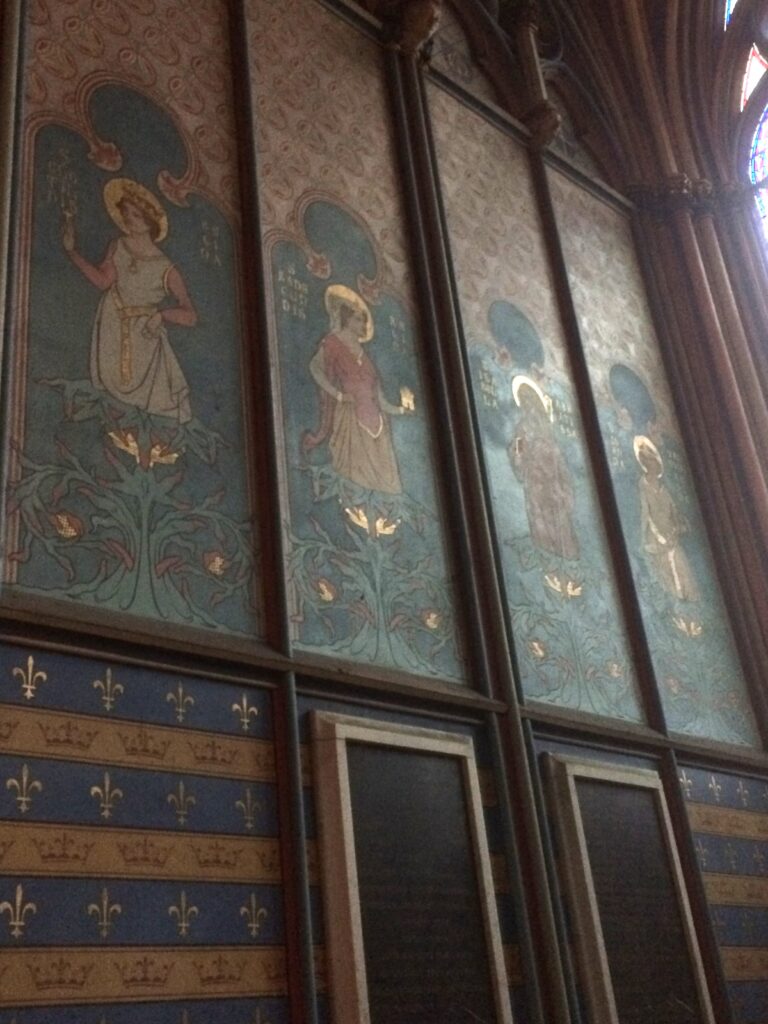
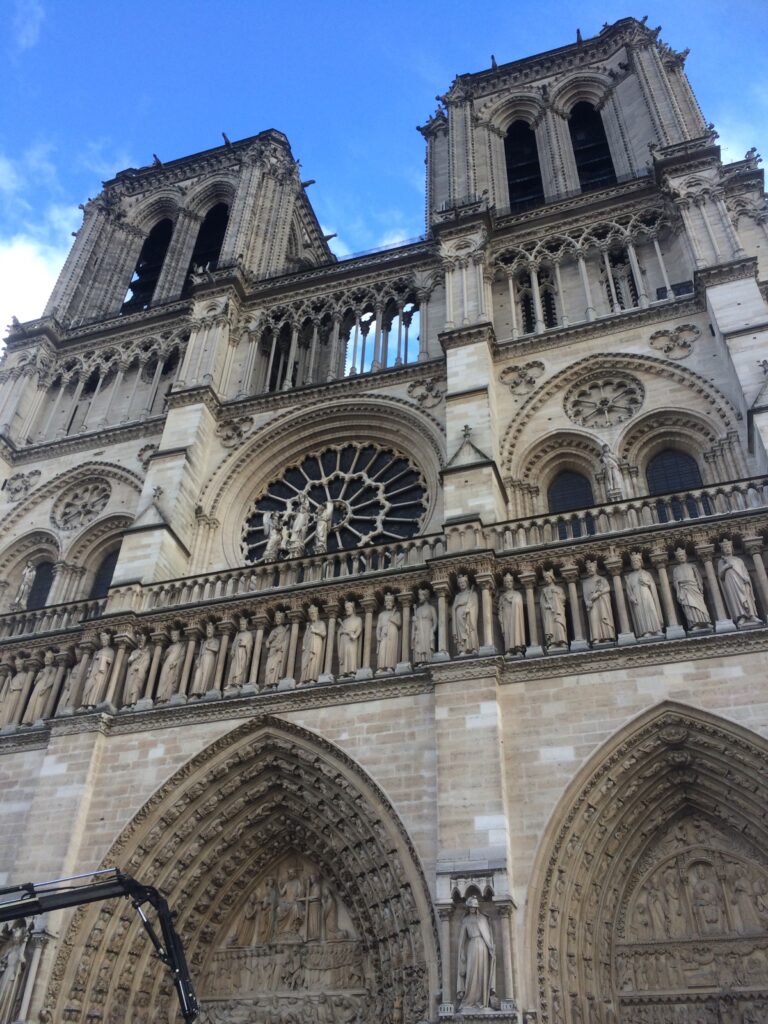
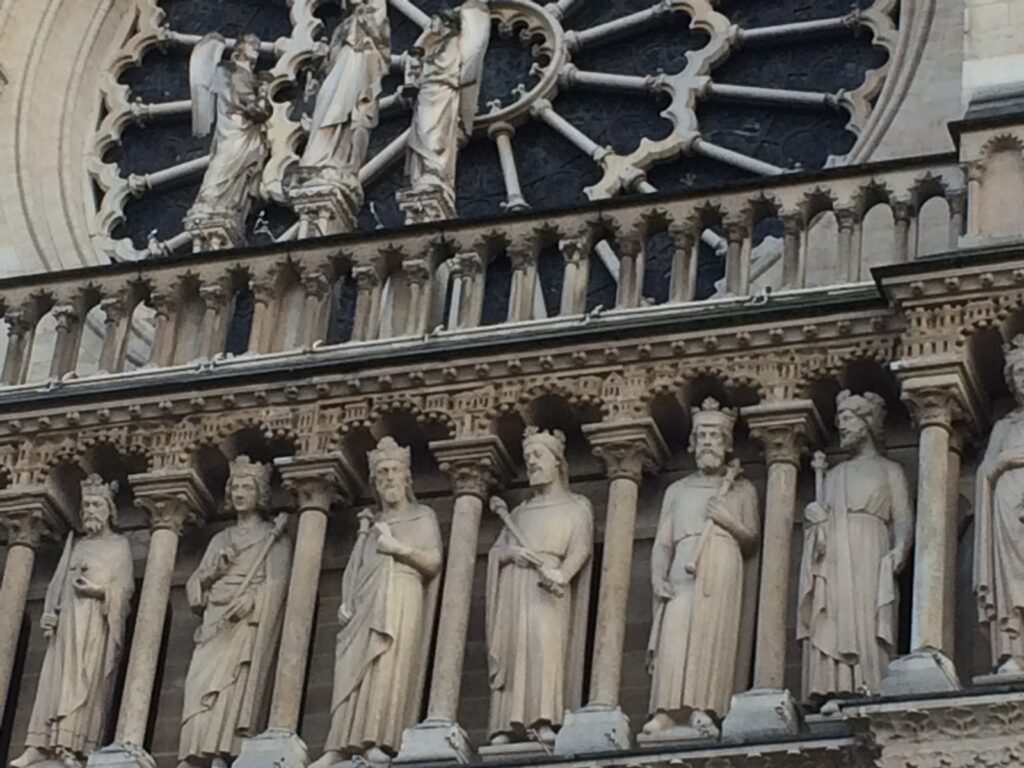
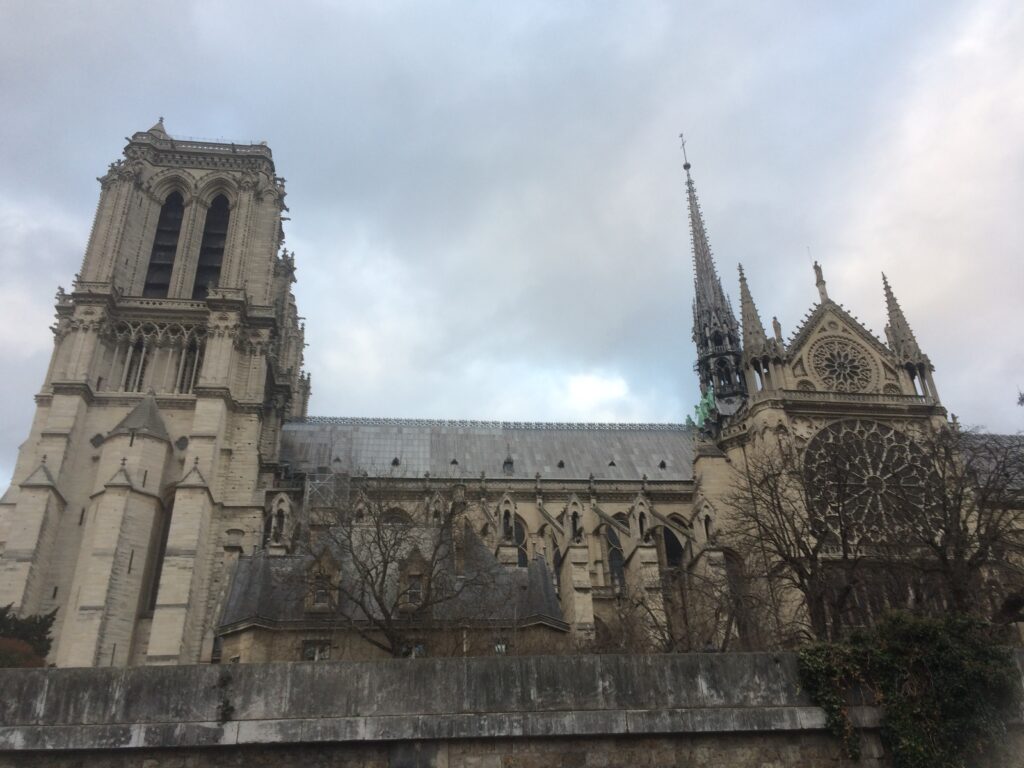
When it comes to tourist attractions in Paris, the Notre Dame Cathedral is at least as famous as the Eiffel Tower. The Cathedral of Our Lady is located on an island in the Seine: the Île de la Cité. The cathedral became especially famous for three things. Firstly, its sheer size and Gothic architecture appeal to many. Secondly, inside the church you will find three relics of Christ: the crown of thorns, a piece of the cross, and one of the nails. These nails apparently were used during Christ’s crucification. And lastly, the church is of course famous thanks to the writer Victor Hugo, who wrote The Hunchback of Notre Dame (later animated by Walt Disney).
Despite the major fire that raged in the cathedral in 2019, it reopened to the public just before the Olympic Games in 2024. The renovated towers have been publicly accessible again since 2025.
The widest and most famous street in Paris
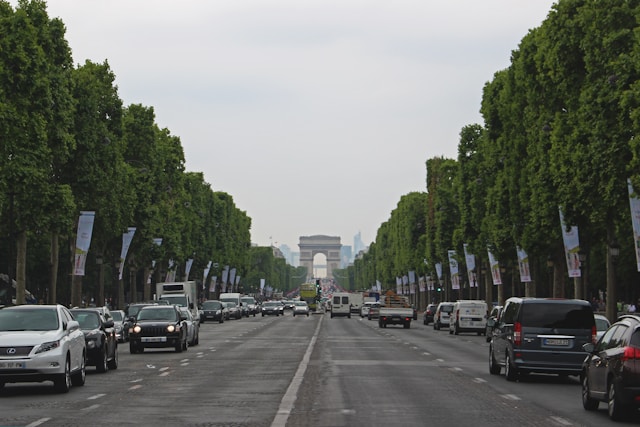
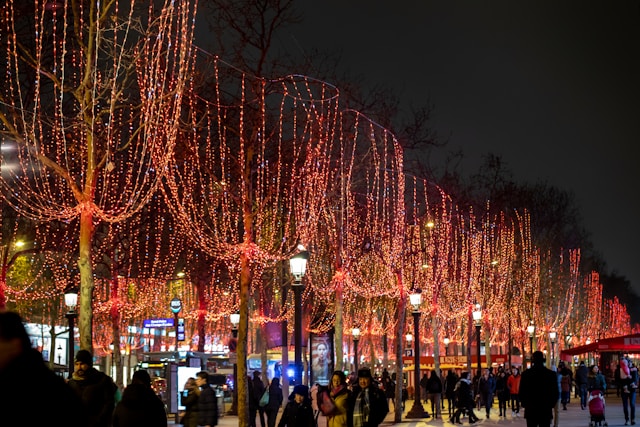
Every city has that one wide street it is known for. In NYC, it’s 5th Avenue, in London for example Regent Street. In Barcelona, of course, you know the Ramblas, but in Paris, it’s the Avenue des Champs-Élysées. Named after the Elysian Fields from Greek mythology, you can already picture what this avenue looks like. It has expensive restaurants, luxury designer shops, and fashion houses. It is the widest avenue in all of Paris and definitely worth a visit. If you’re mindful of your wallet though, it is wise to keep the visit as short as possible. However, the expensive shops (and apartments here) are not the only reason this avenue is famous:
- The cycling race Tour de France ends here every year.
- The military parade takes place here on the national holiday Quatorze Juillet (14 July).
- Around Christmas time, you’ll find Paris’ Christmas market here.
- New Year’s Eve is also celebrated here extensively.
Insider’s tip: never be in Paris on 14 July. That holiday is celebrated in a truly rigorous way! It is very impressive to witness, but trust me: everyone takes part. Even McDonald’s is closed!
Triumphal arch on a roundabout
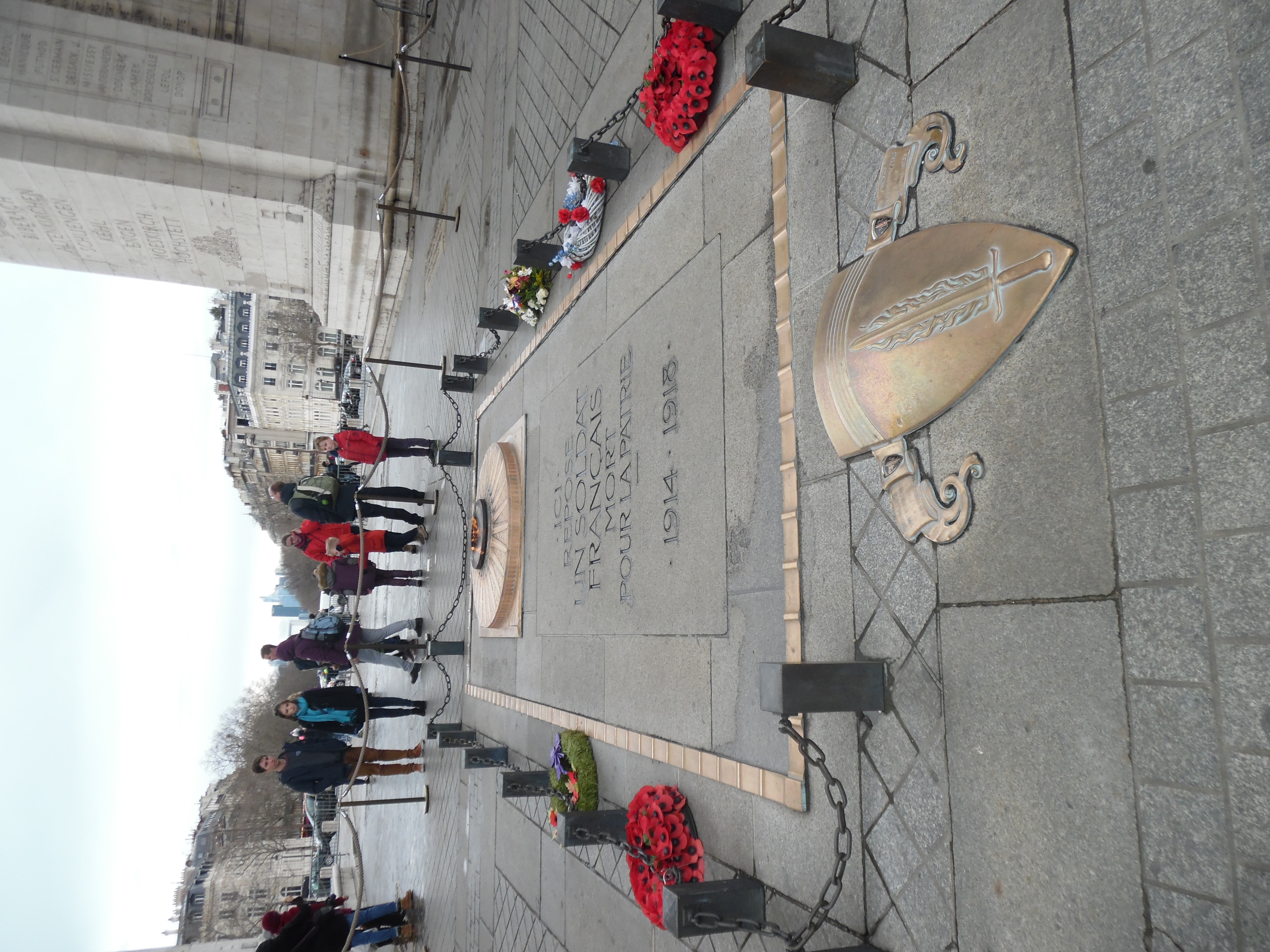
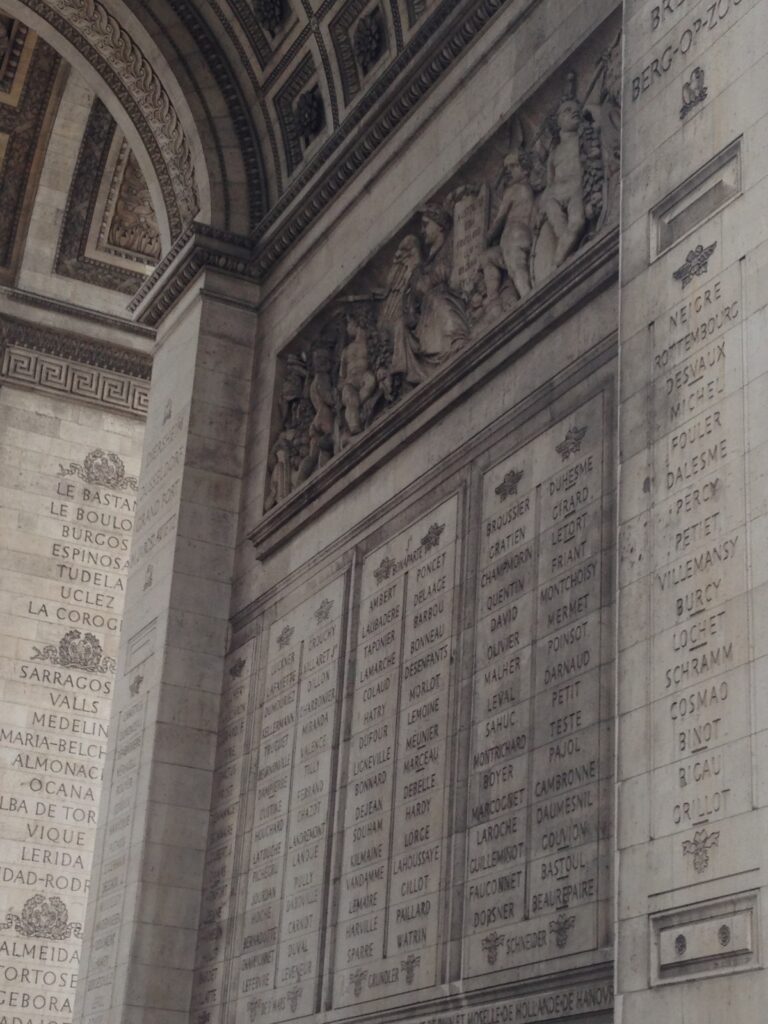
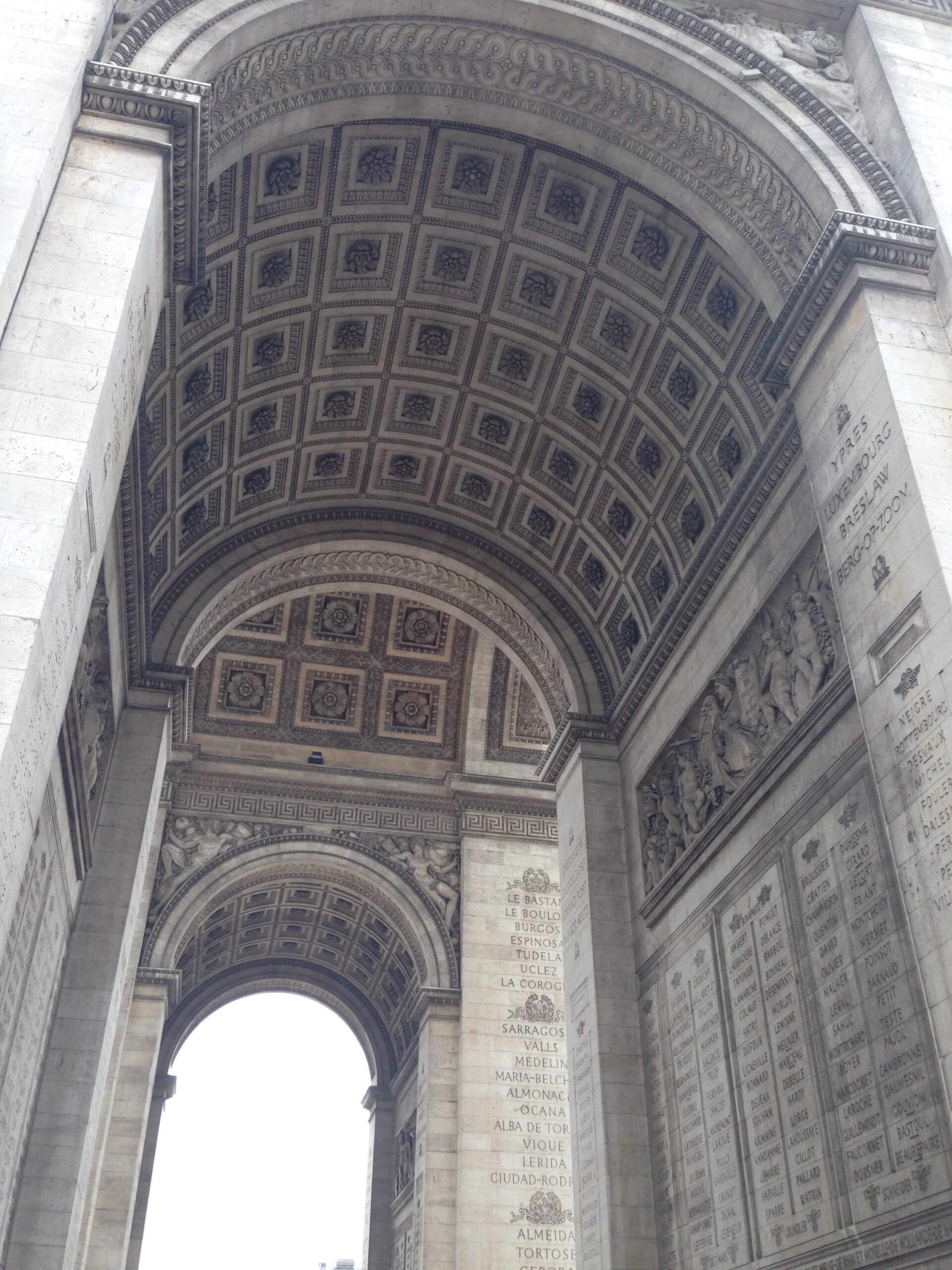
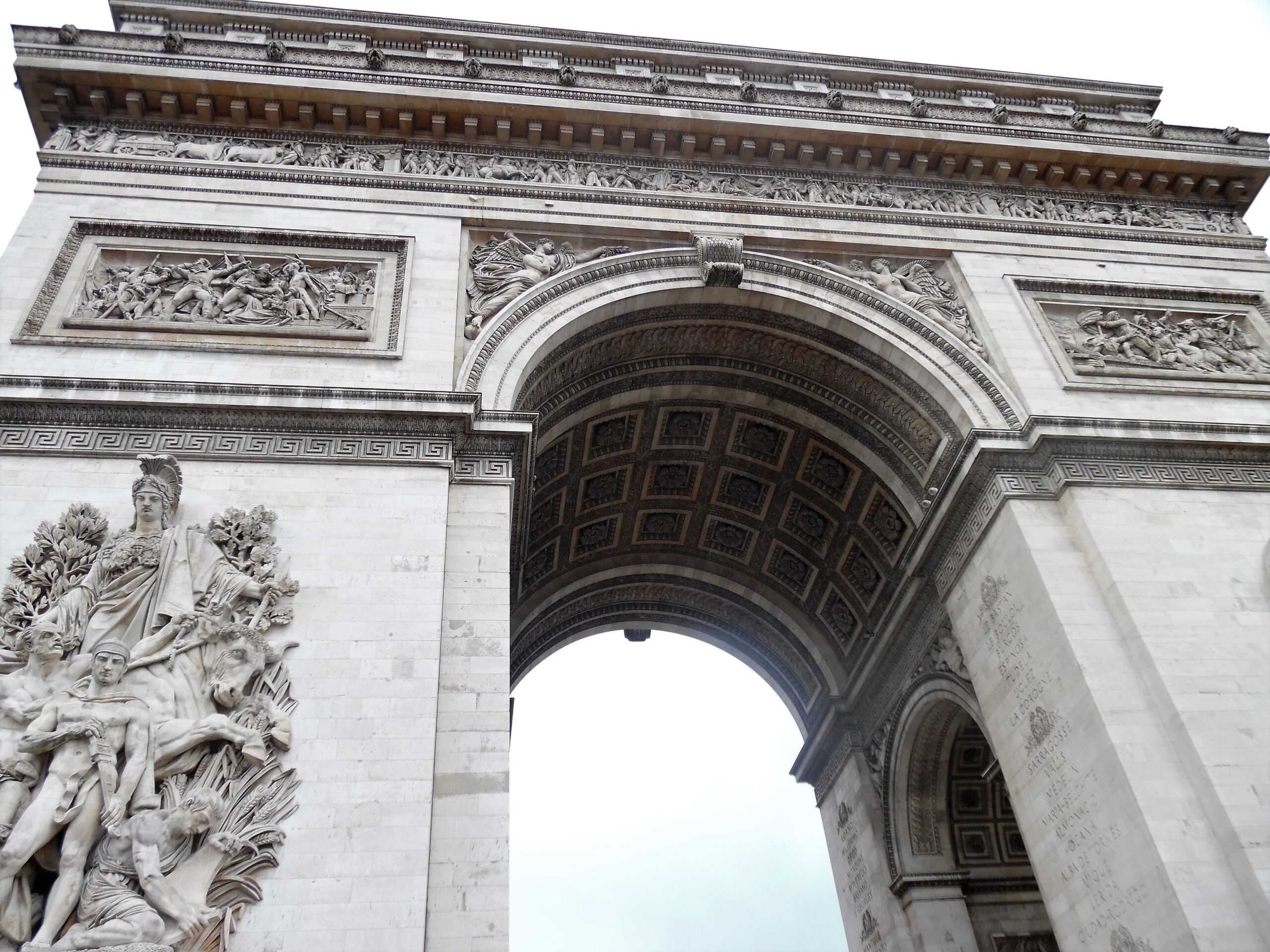
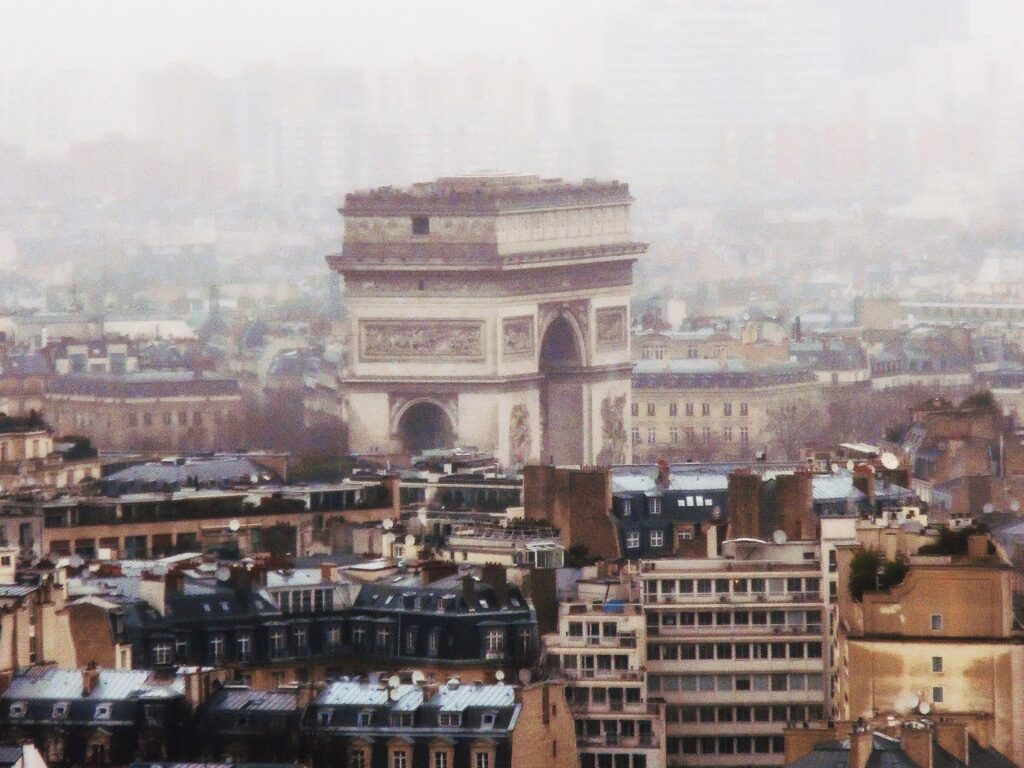
At the end of the Champs-Élysées, you will find the most famous triumphal arch in the world: the Arc de Triomphe. The monument stands in the 8th arrondissement of Paris on the Place Charles de Gaulle, the busiest traffic square in Paris. This arch began construction in 1806 to honour one of Napoleon’s victories at the Battle of Austerlitz against the Austrians. The construction finished thirty years later in 1836. After the First World War, the Tomb of the Unknown Soldier was placed there, making the Arc de Triomphe a monument to commemorate WWI. The Arc de Triomphe is no less than 50 metres high, making it the third-largest triumphal arch in the world (after the Arch of Triumph in Pyongyang, North Korea at 60 metres, and the Patuxai in Laos at 55 metres).
Did you know? You can also go inside the monument! From the roof, you have a beautiful view over the city of Paris and the business district. In Paris, just like in Washington DC, a monument with an observation deck included.
A tough climb included
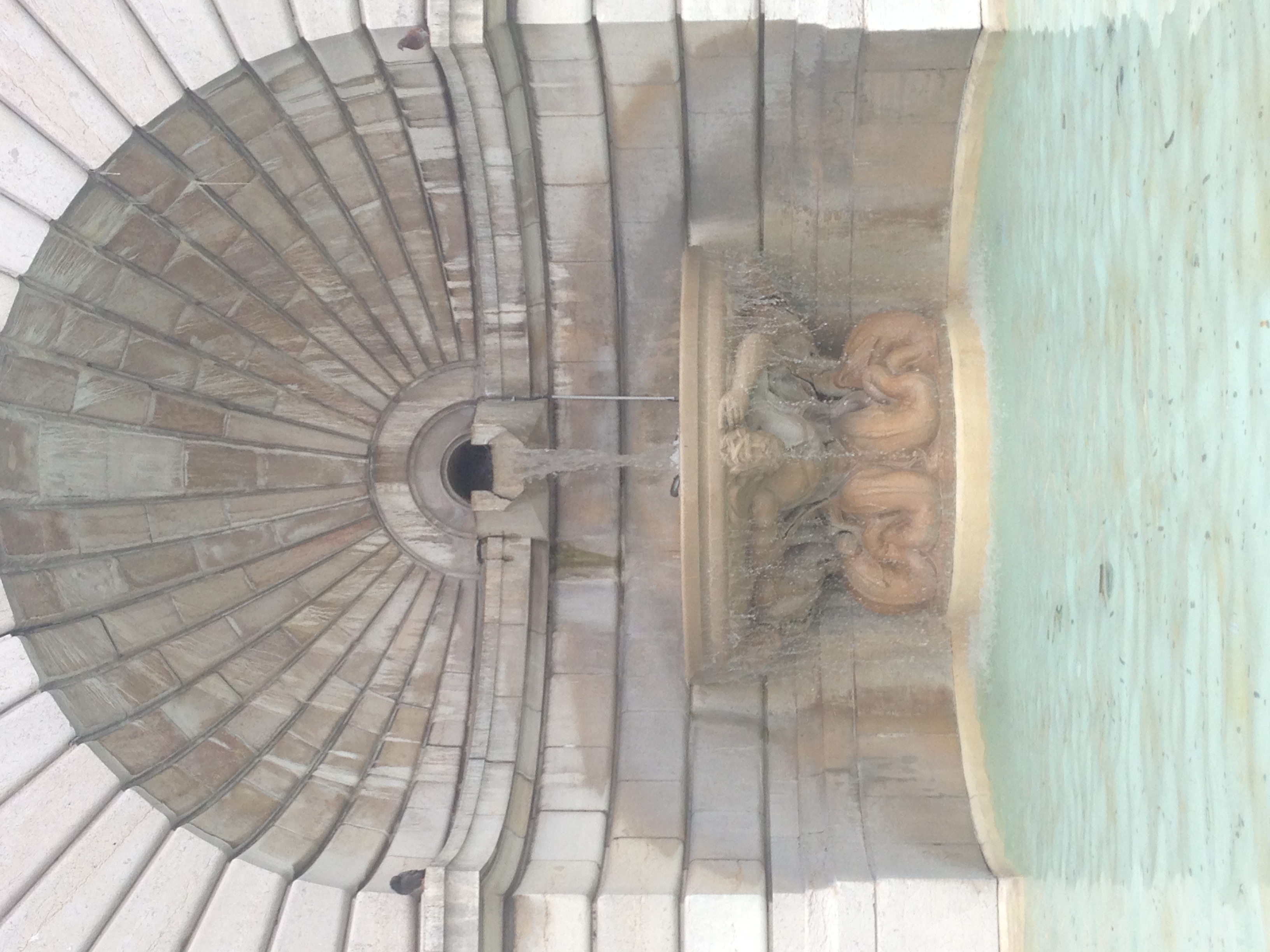
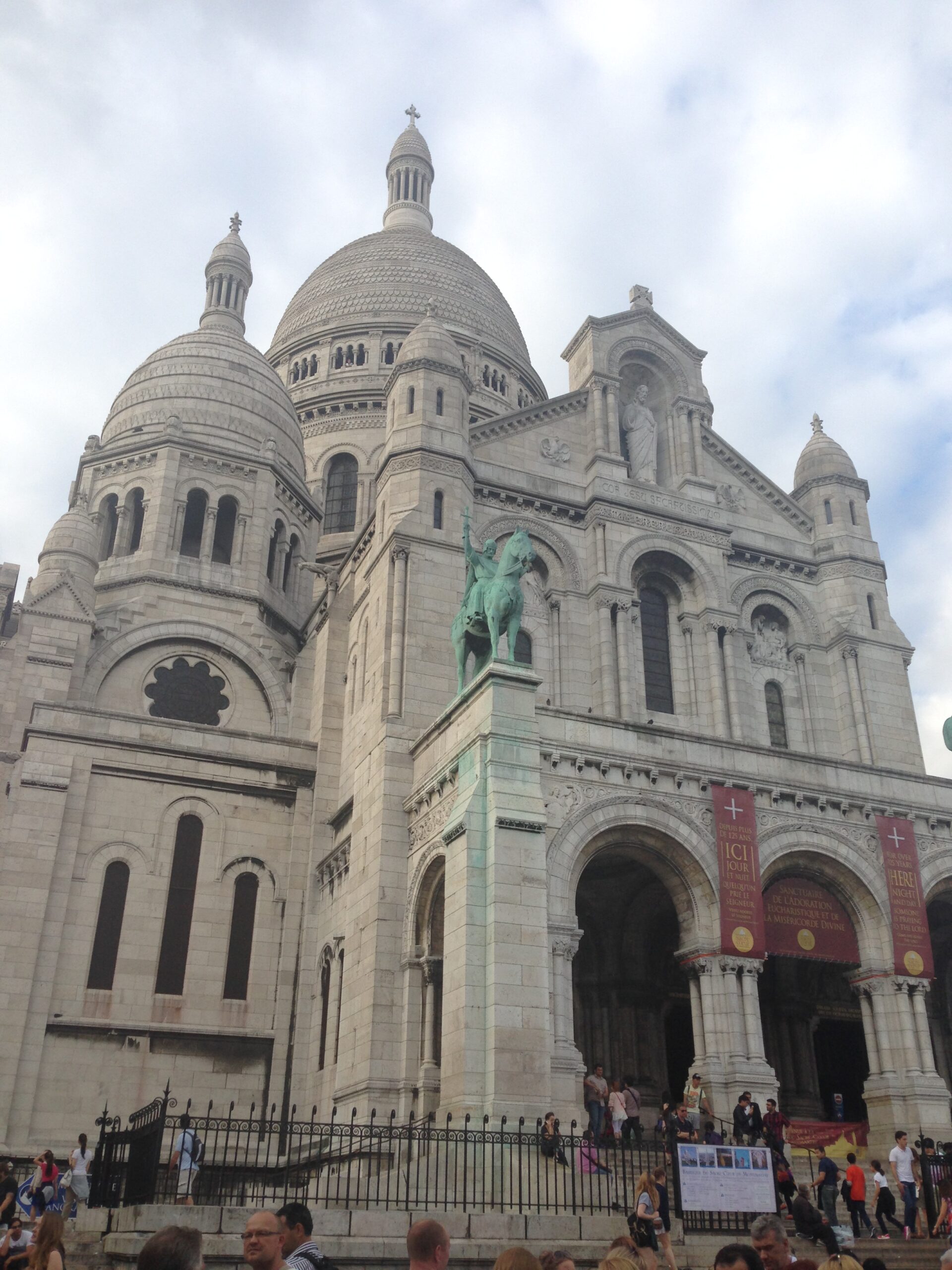
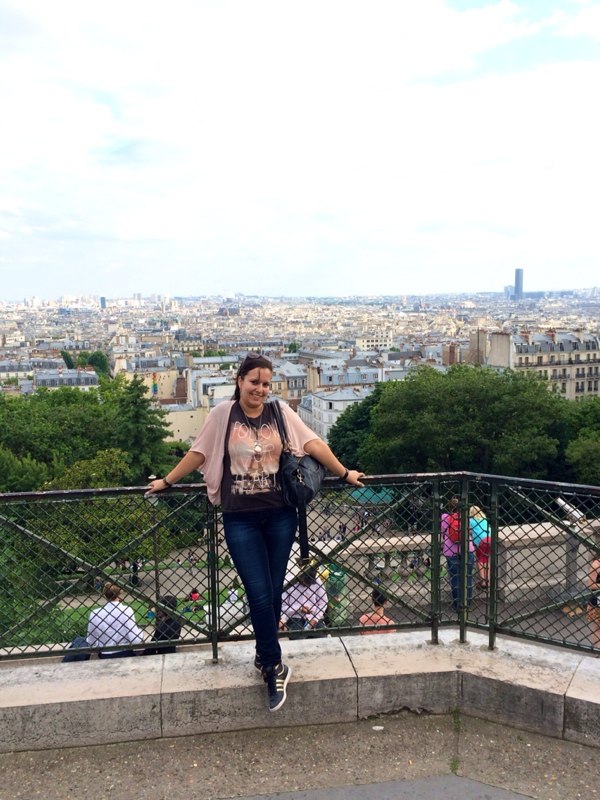
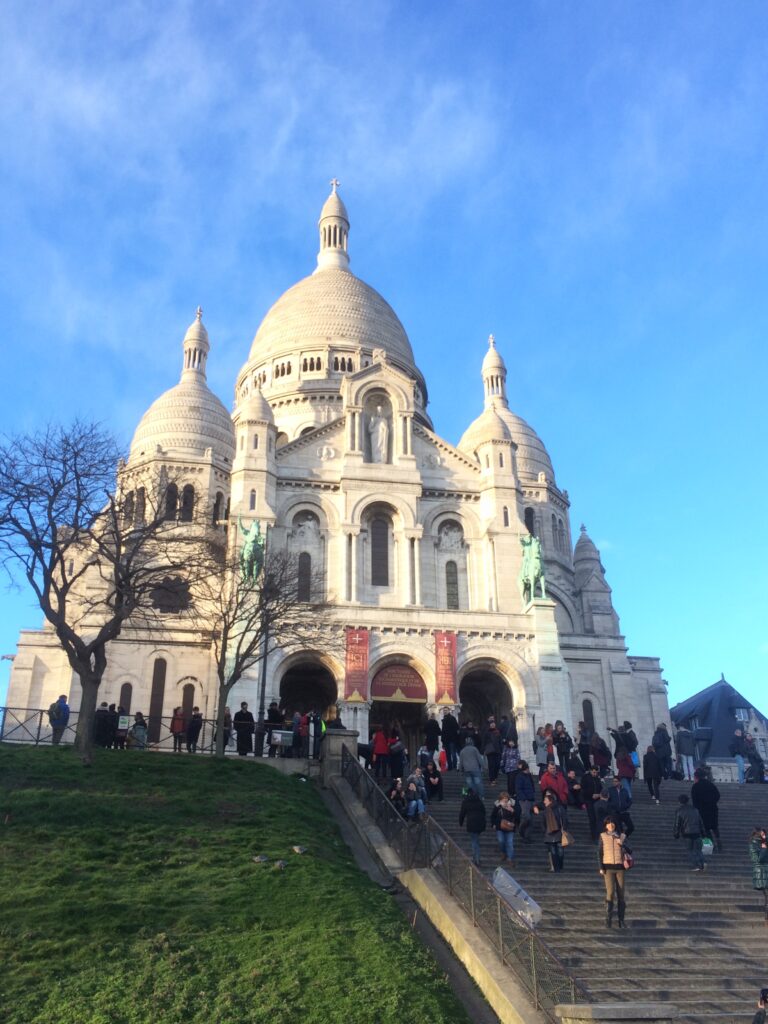
If you love churches, you should definitely climb to the Basilique du Sacré-Cœur. Climb? Yes, actually climb! This cathedral is located on top of a hill in the Montmartre district (18th arrondissement). The Basilica of the Sacred Heart is dedicated to the devotion of the Sacred Heart (what? Meaning: a spirituality within the Roman Catholic Church, focused on the immense love and mercy of Jesus Christ, symbolised by his heart. Amen.) and is famous for its immense white domes and turrets. To reach the church, you can climb 222 steps or take the Funiculaire de Montmartre (yes, no one told us there was a cable car. Just like I didn’t know there was a funicular in Lisbon, which takes you to the viewpoints there).
Beware: around Montmartre you will find very pushy (almost aggressive) sellers with bracelets. They really isolate you and then circle around you with several at once. I already had half a braided bracelet on my wrist, even though I had clearly said no.

The absolute must-visit neighbourhood of Paris
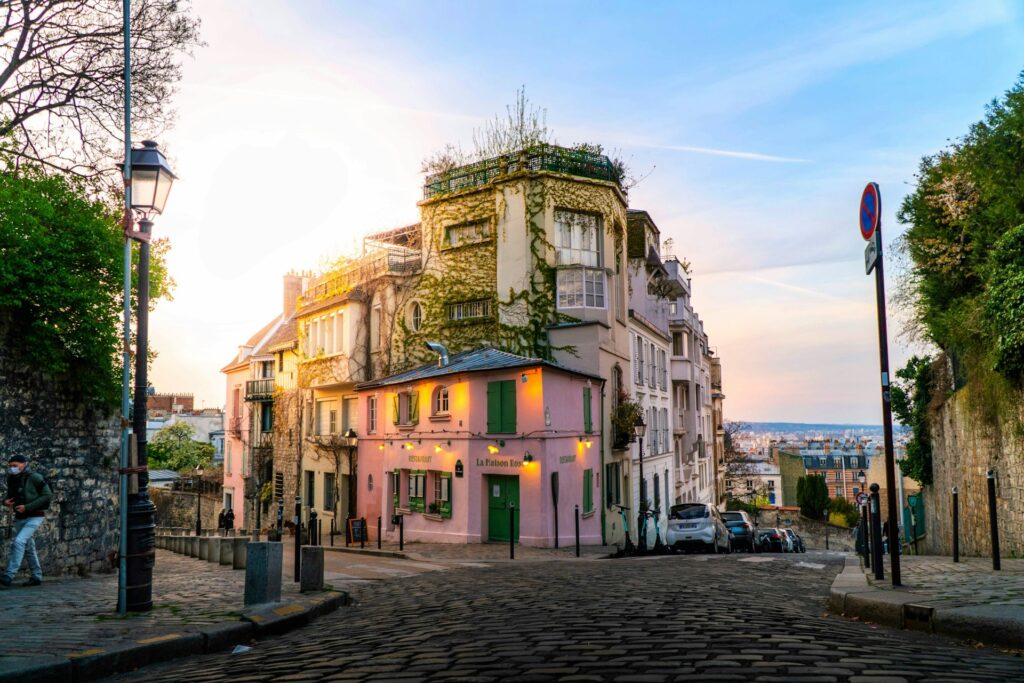
If you are already at Sacré-Cœur, take some time to walk through the rest of Montmartre. You’ll find many bistros and (vintage) shops, but the district is originally known as an artists’ quarter. Over the past centuries, many famous artists had their studios here (for example, Dali, Mondrian, Picasso, and Vincent van Gogh). The charm of this district is that it used to be a village… and that is still visible today, as it retains that village charm with cobbled alleys and colourful houses.
The other artists’ quarter of Paris
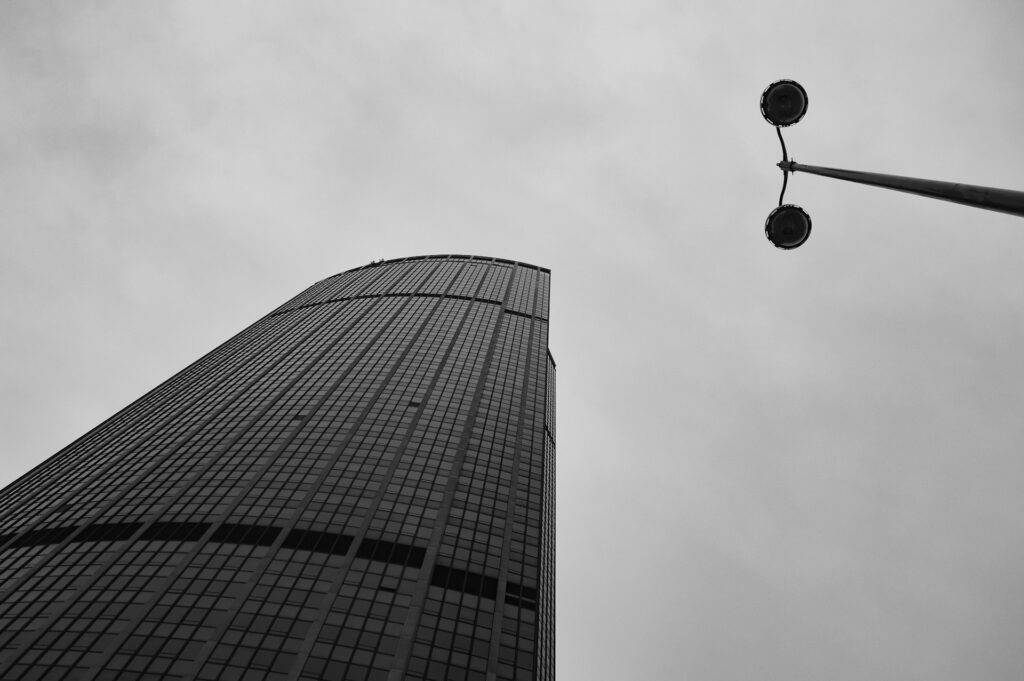
Another remarkable district in Paris is Montparnasse, where especially from 1900 onwards the artistic talents of the French capital gathered. This district was once also an independent village, but in 1860 the city of Paris annexed it and renamed it the 14th arrondissement of Paris. In the 1960s, part of this artists’ district unfortunately became the Tour de Montparnasse, a skyscraper 210 metres high.
Maybe you’ll run into Robert Langdon
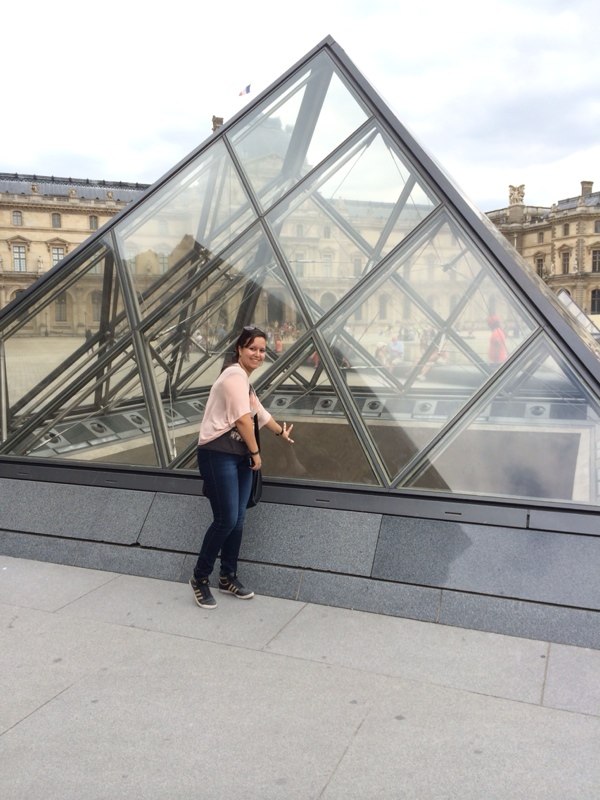
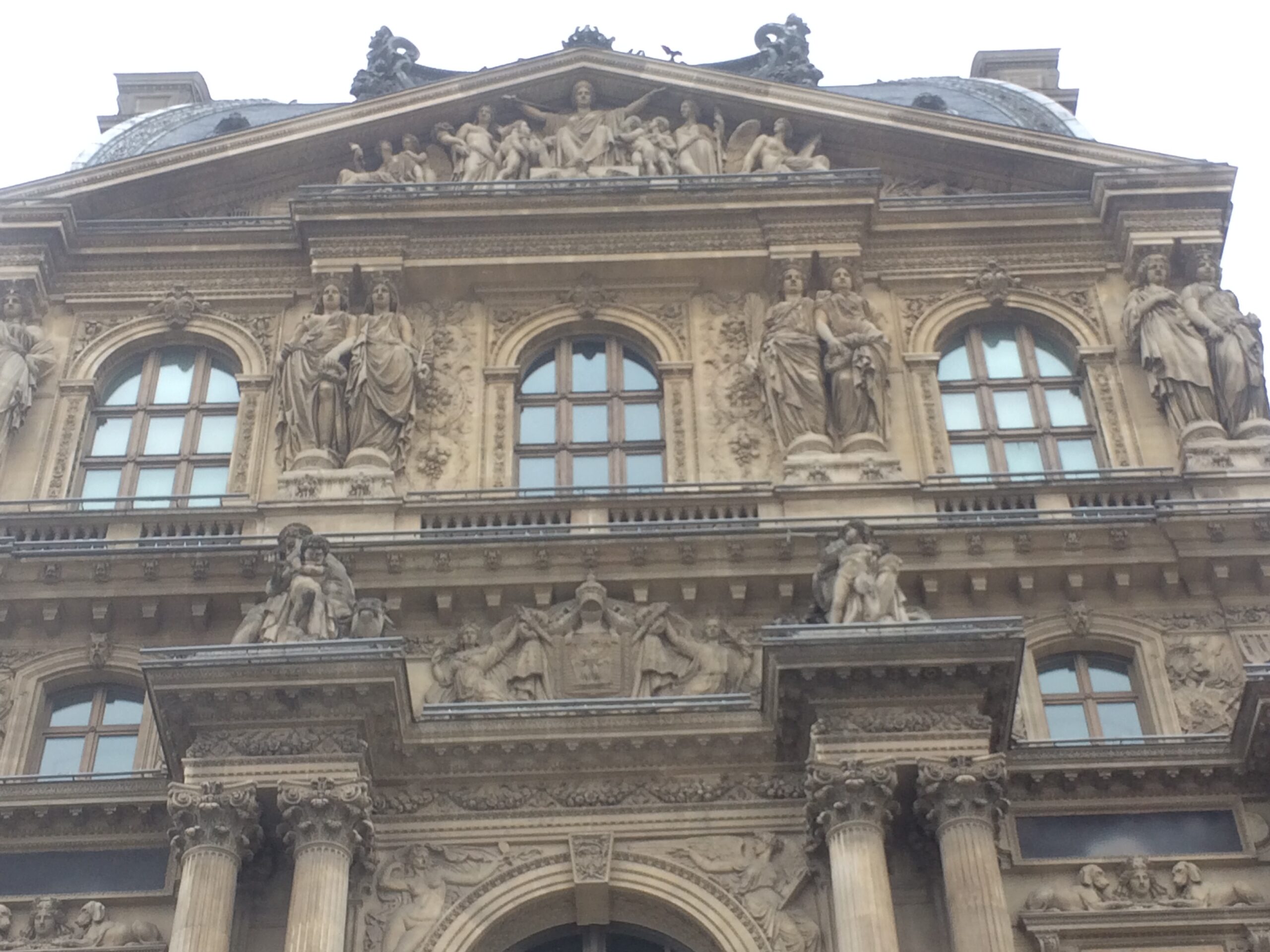
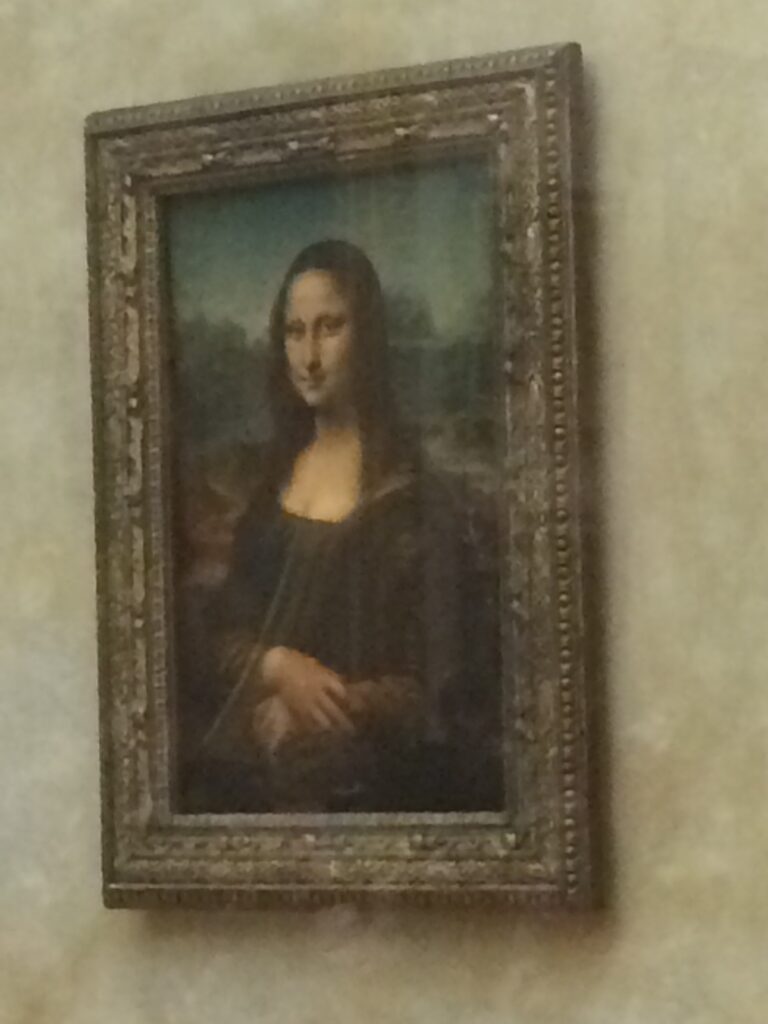
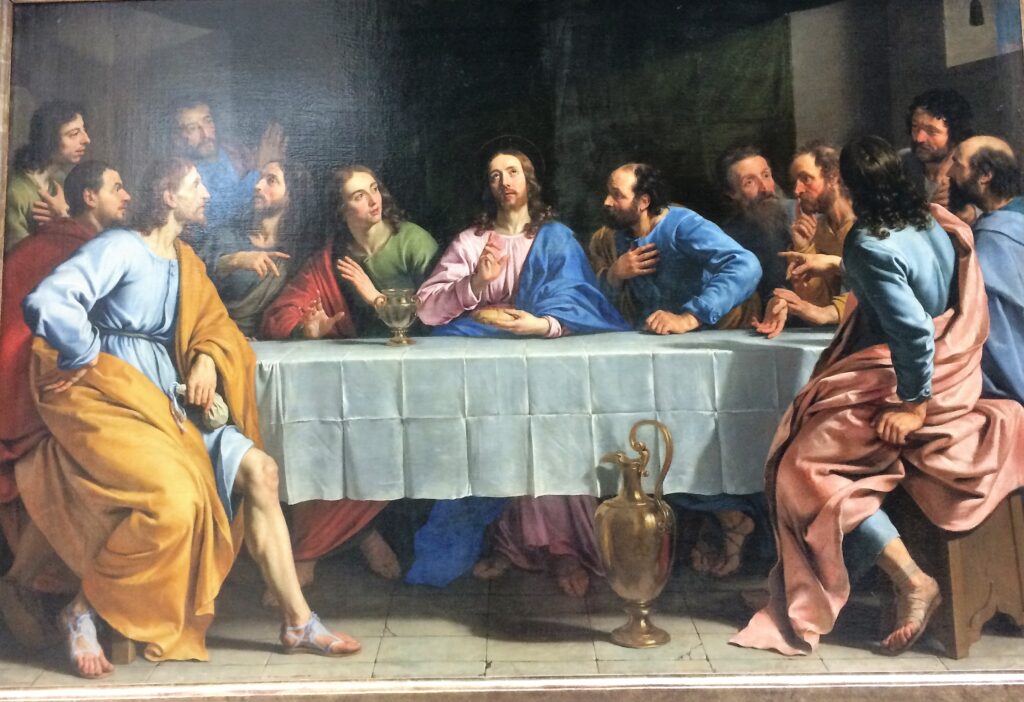
And since we are talking about artists… the largest art collection in Paris can be found in the Louvre. Maybe you know the museum because of its distinctive design of three glass pyramids, or maybe you know it from the books (or films) of Dan Brown’s The Da Vinci Code. The Louvre is one of the largest museums in the world and you’ll find it in the 1st arrondissement. The museum is housed in a medieval castle and consists of three wings: the Sully, Denon, and Richelieu wings. There are no fewer than 35,000 works of art in the museum, but the most famous are: the Mona Lisa by Da Vinci and the Venus de Milo. You’ll find the art divided into eight departments and it includes works from Ancient times to the nineteenth century.
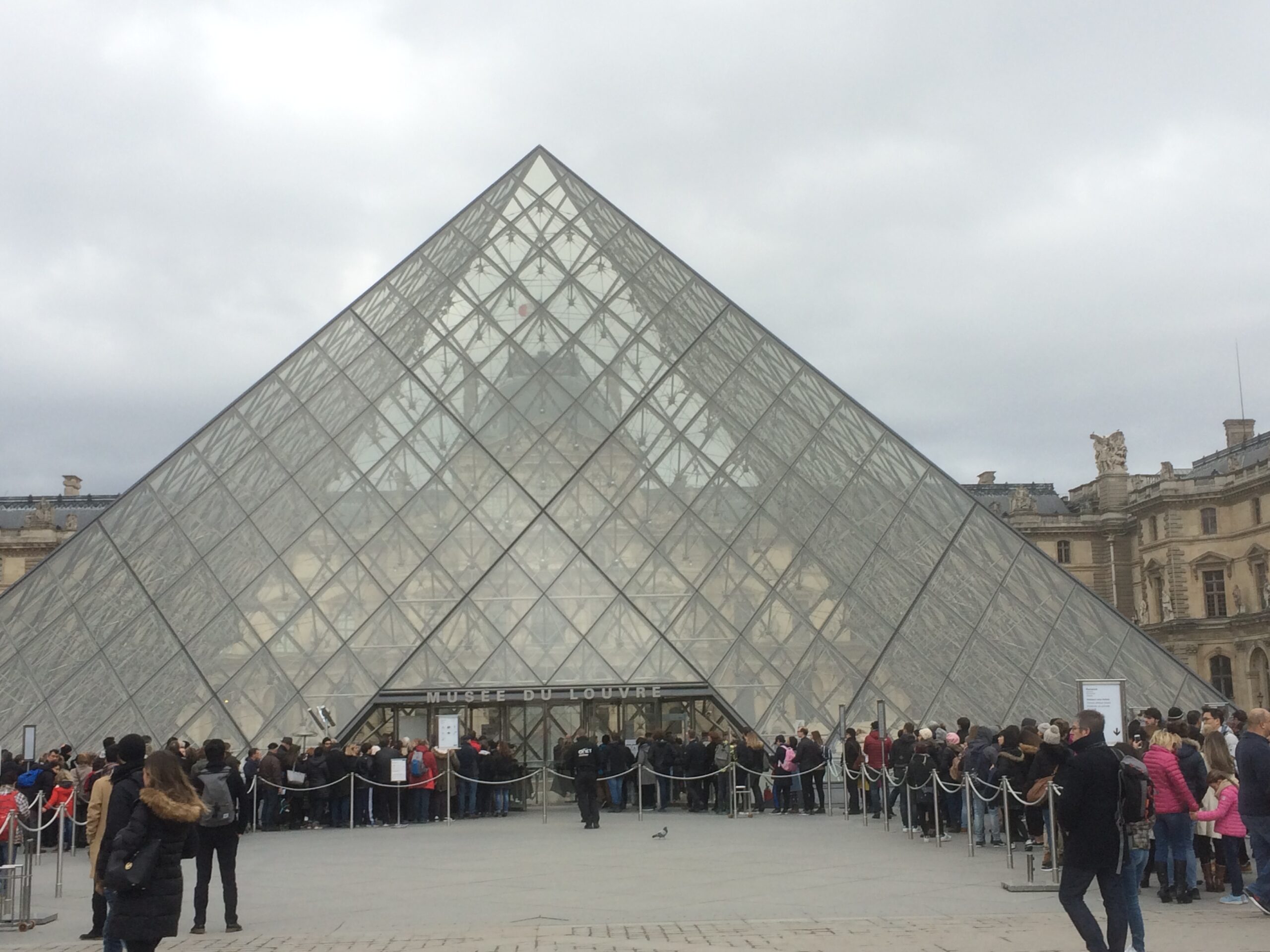
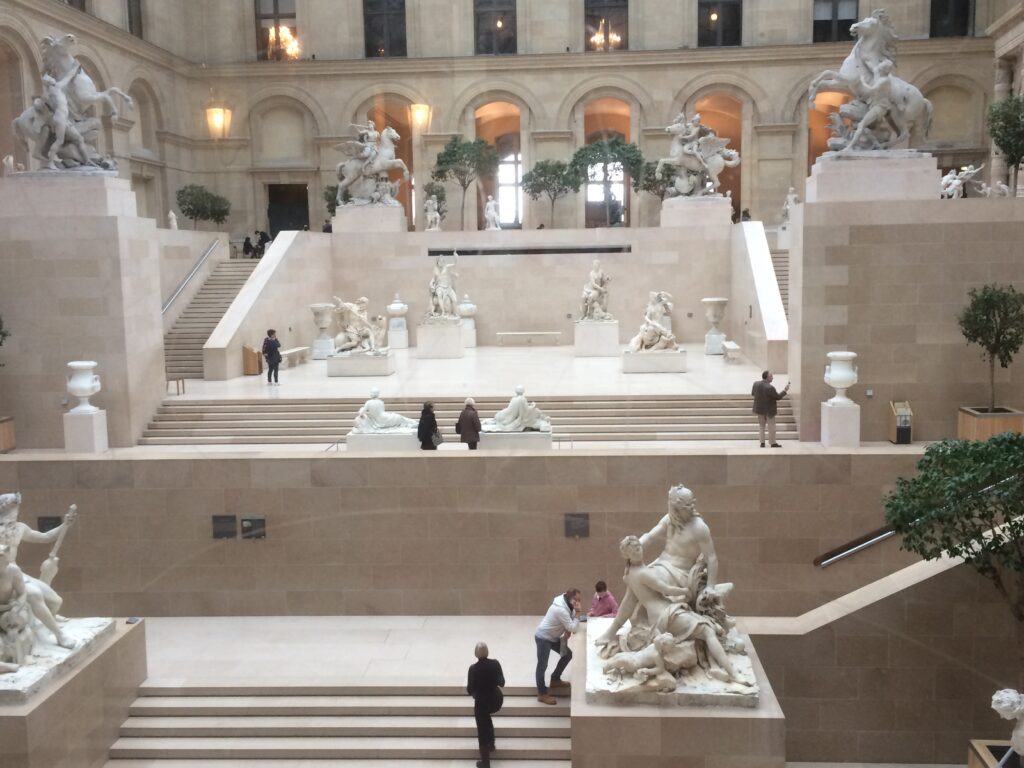
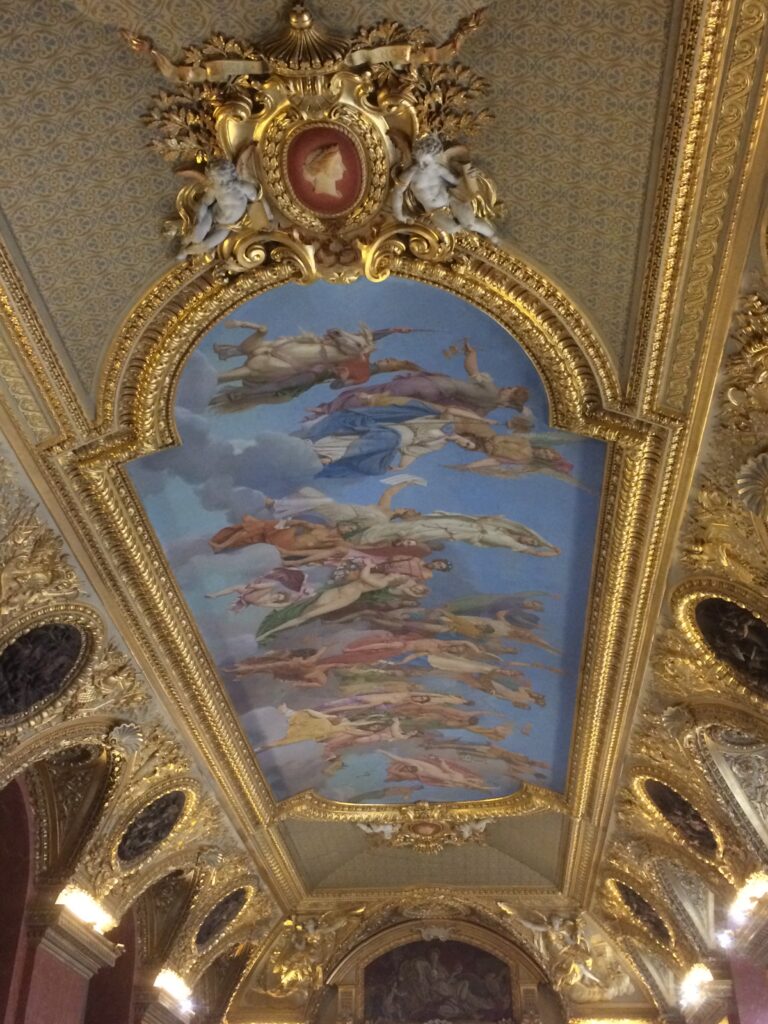
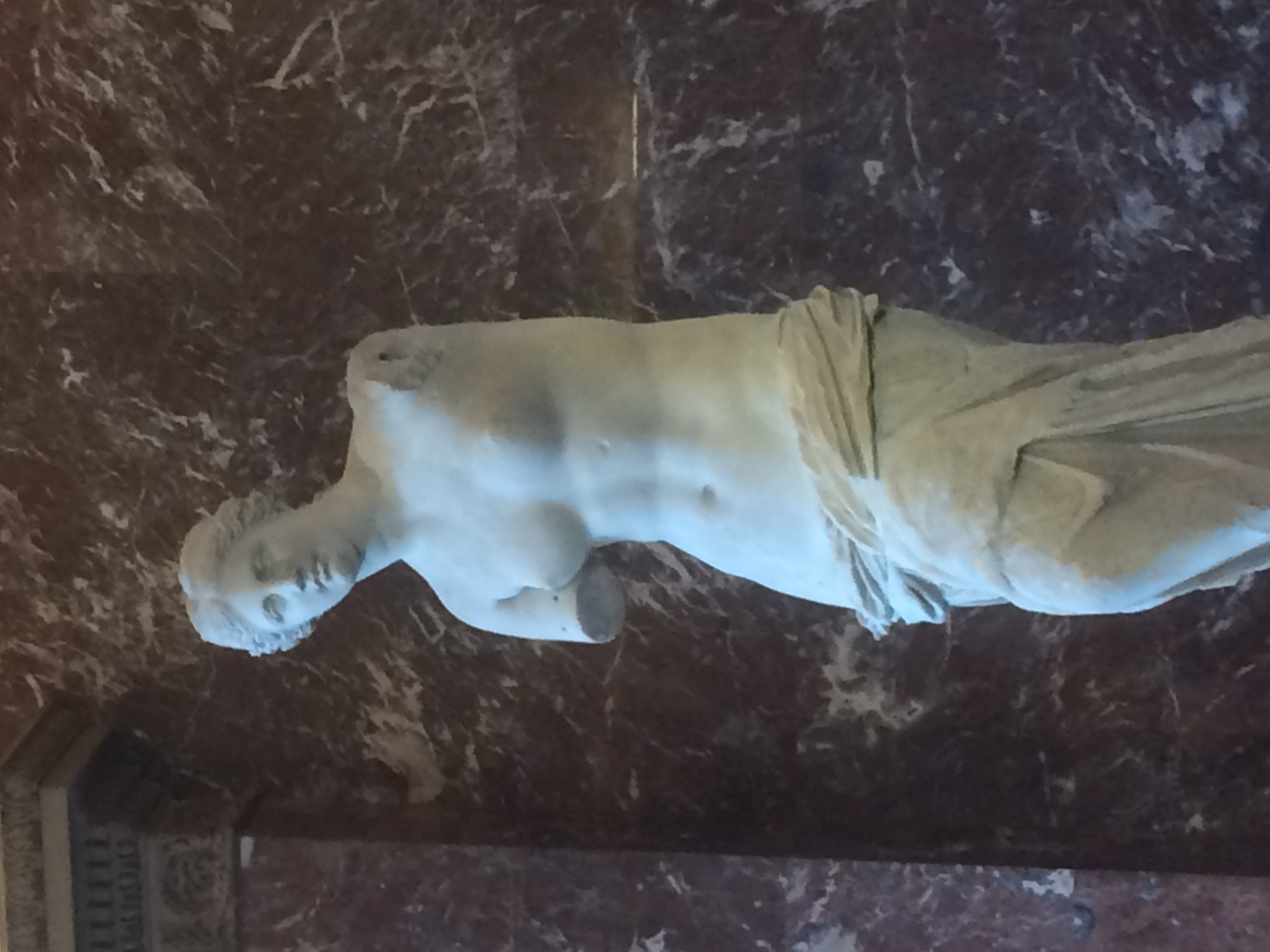
Find Victor Hugo’s final resting place
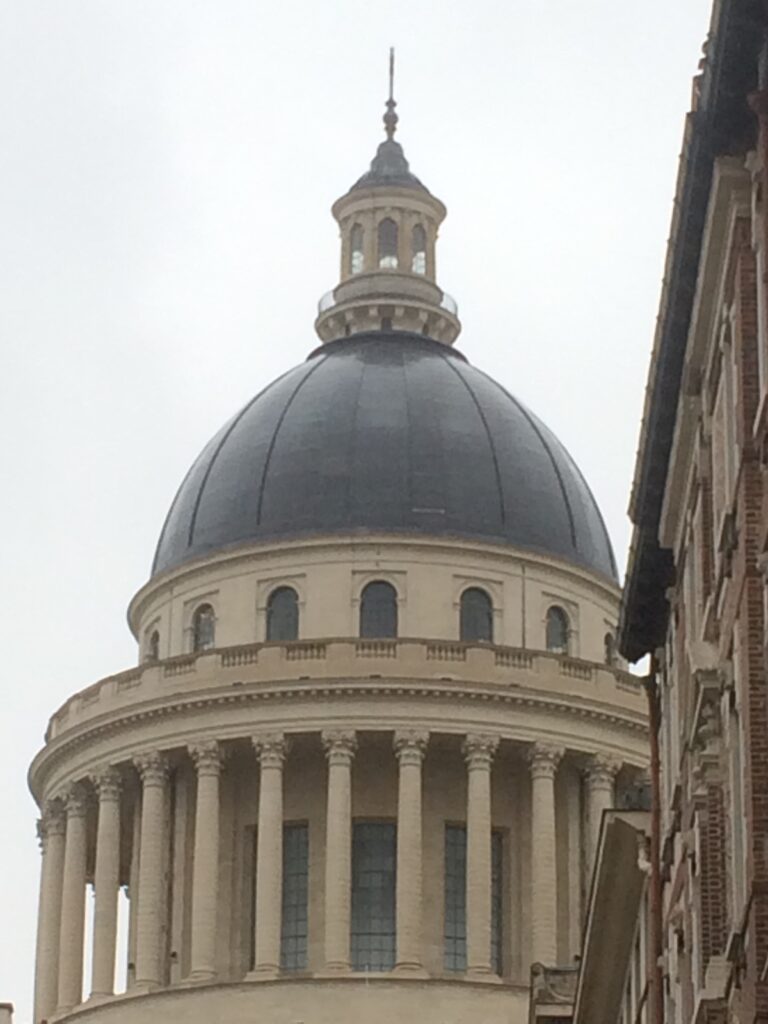
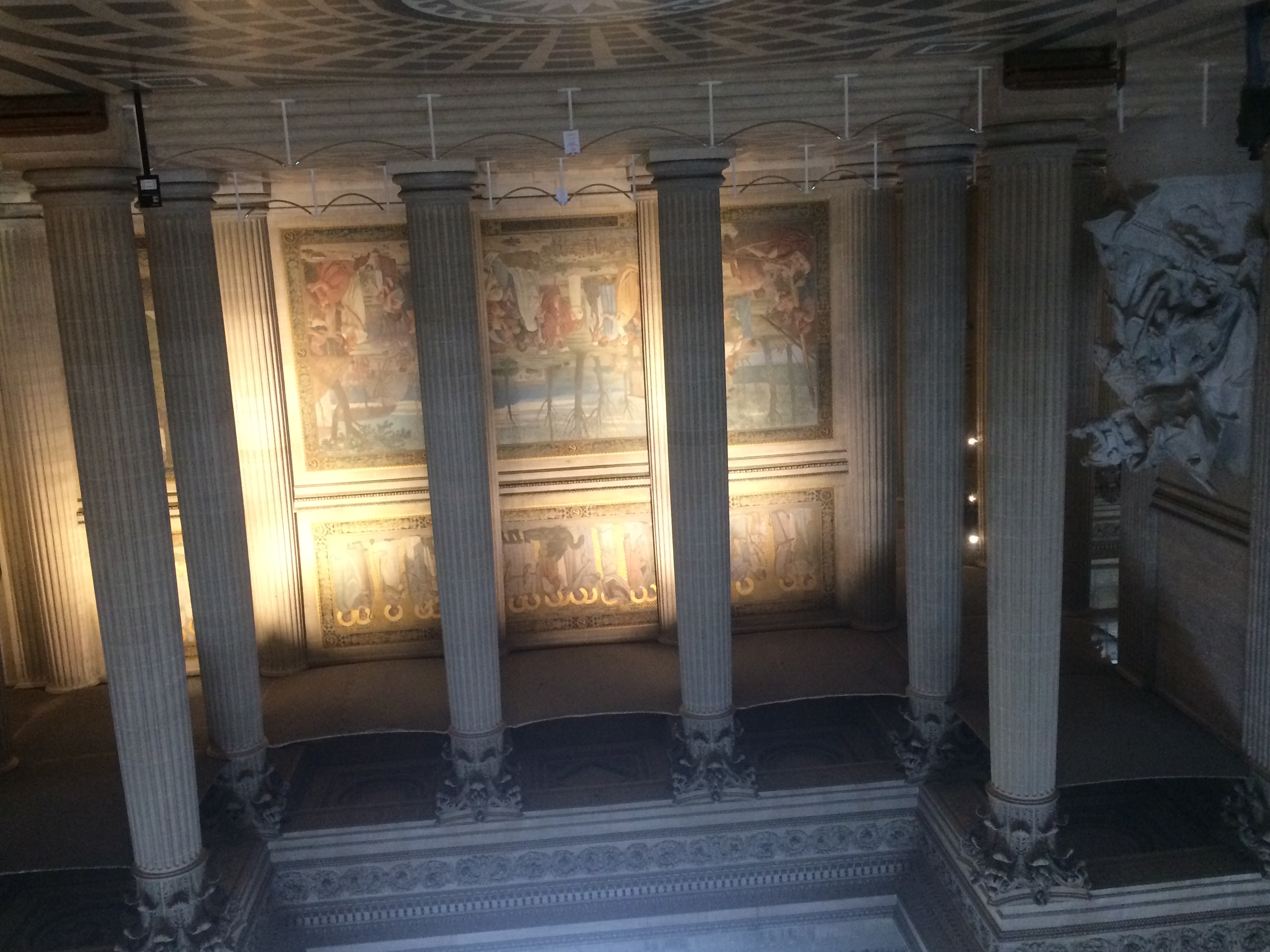
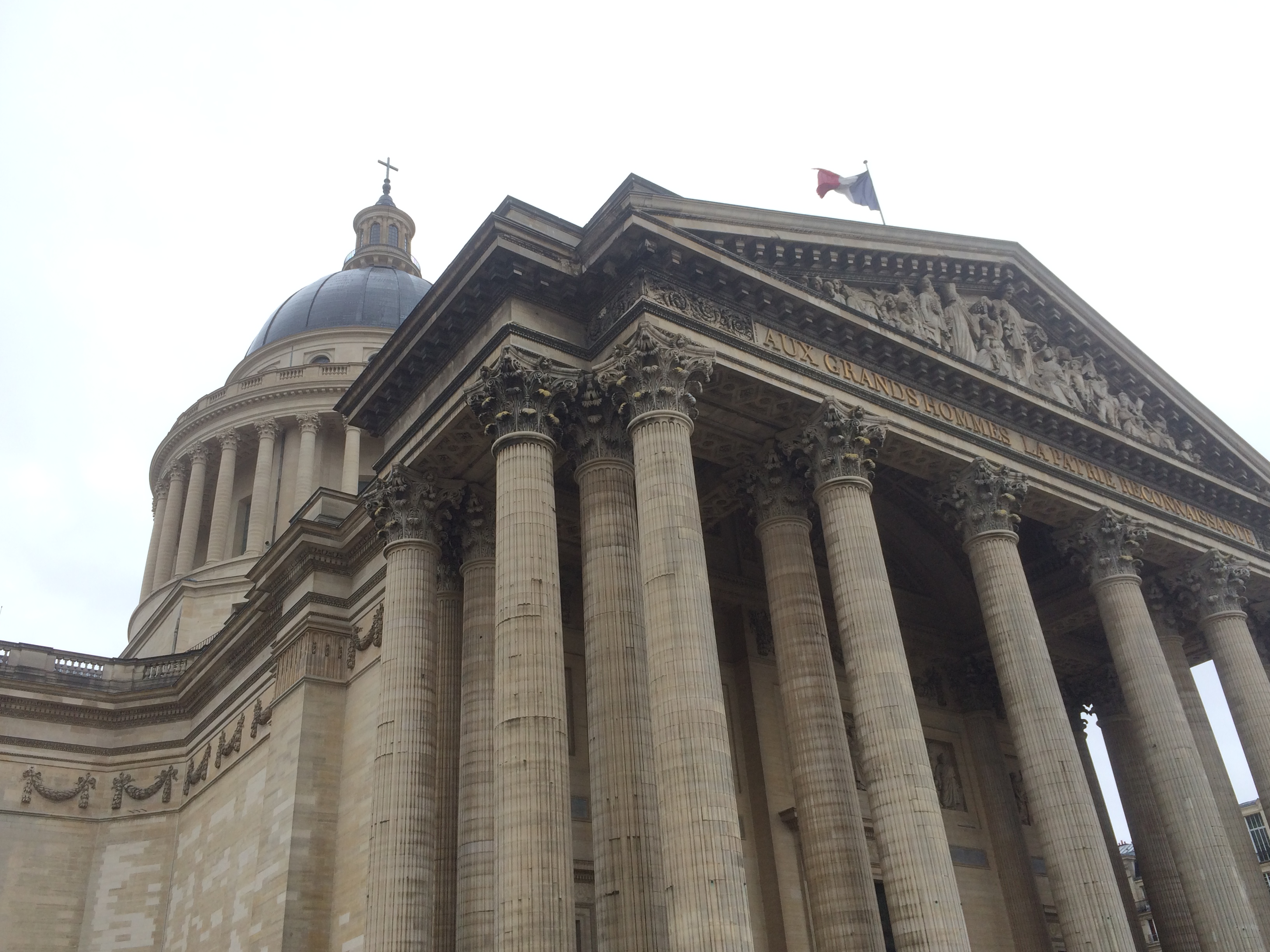
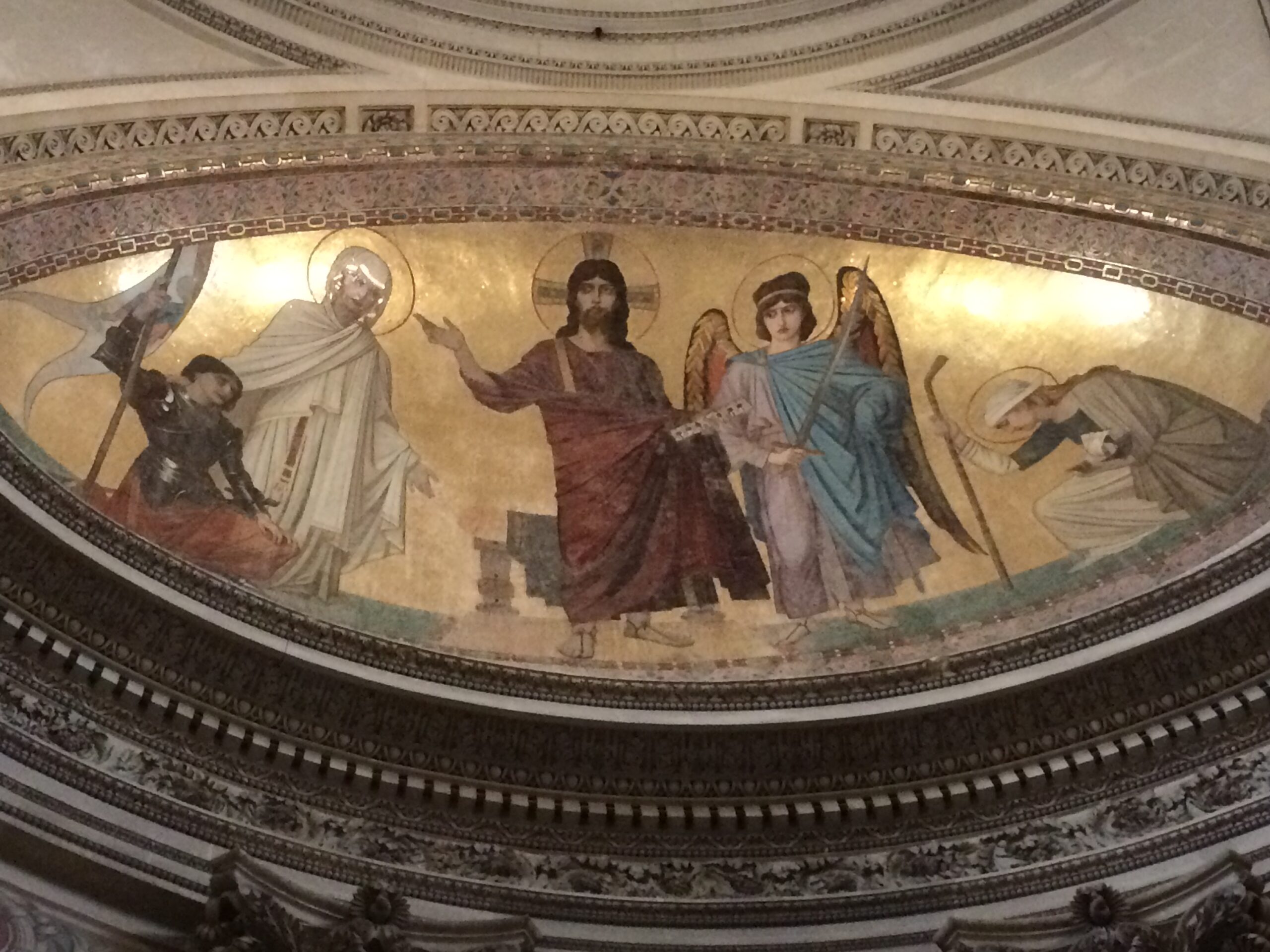
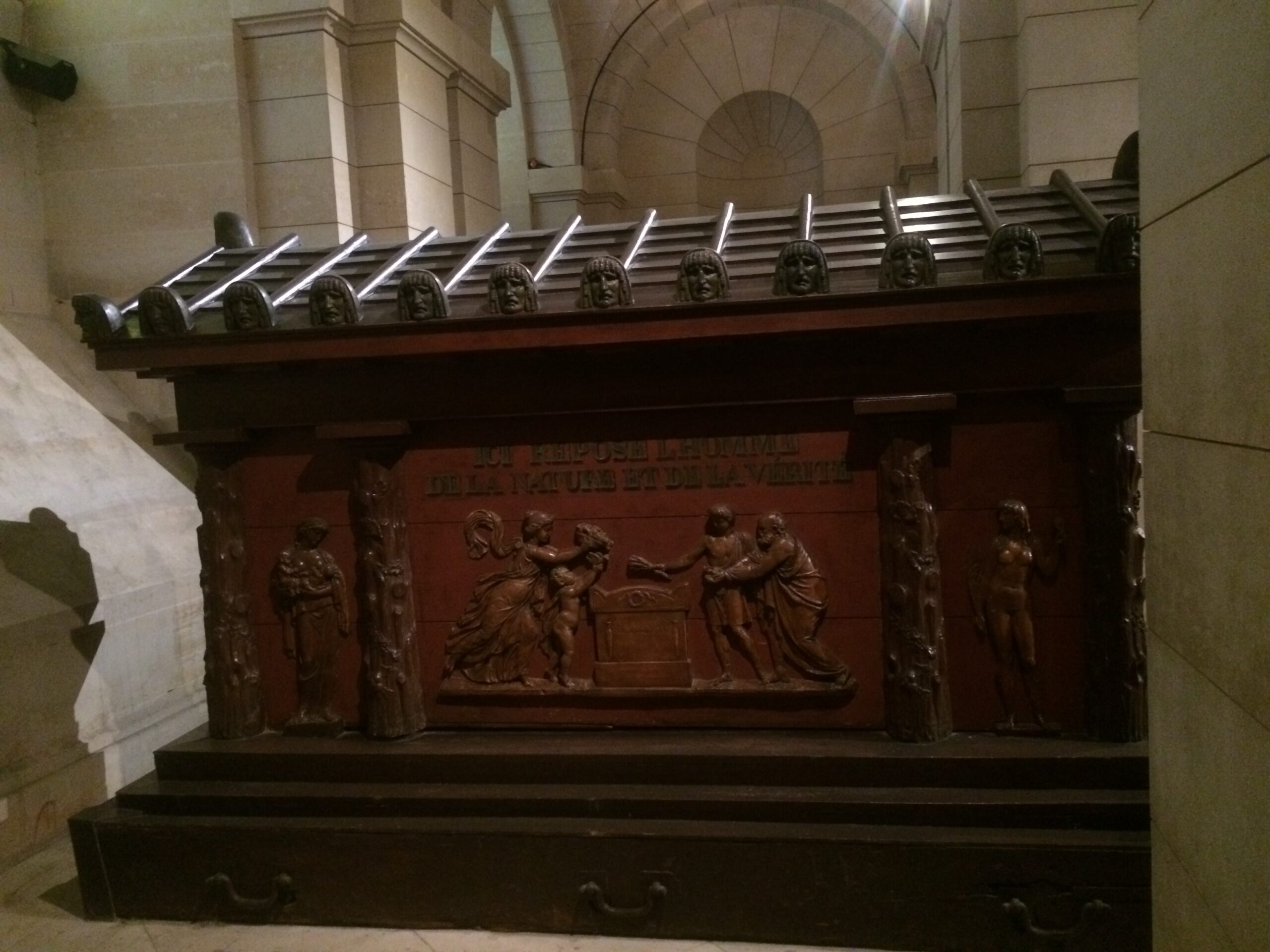
You may already have heard of Notre Dame and Sacré-Cœur, but there is a beautiful church that many do not know: the Panthéon. What? Isn’t that temple in Rome? No, Paris has its own Panthéon. It was a church in the 5th arrondissement, Quartier Latin, but later became more of a final resting place for famous French men and women, including Voltaire, Victor Hugo, and Marie Curie. The architect Soufflot wanted to create a special building: one with the light colouring of Gothic architecture, but with the design of a classical building (with a large dome and all – and in my opinion, he succeeded).
For all my Fantastic Beasts fans…
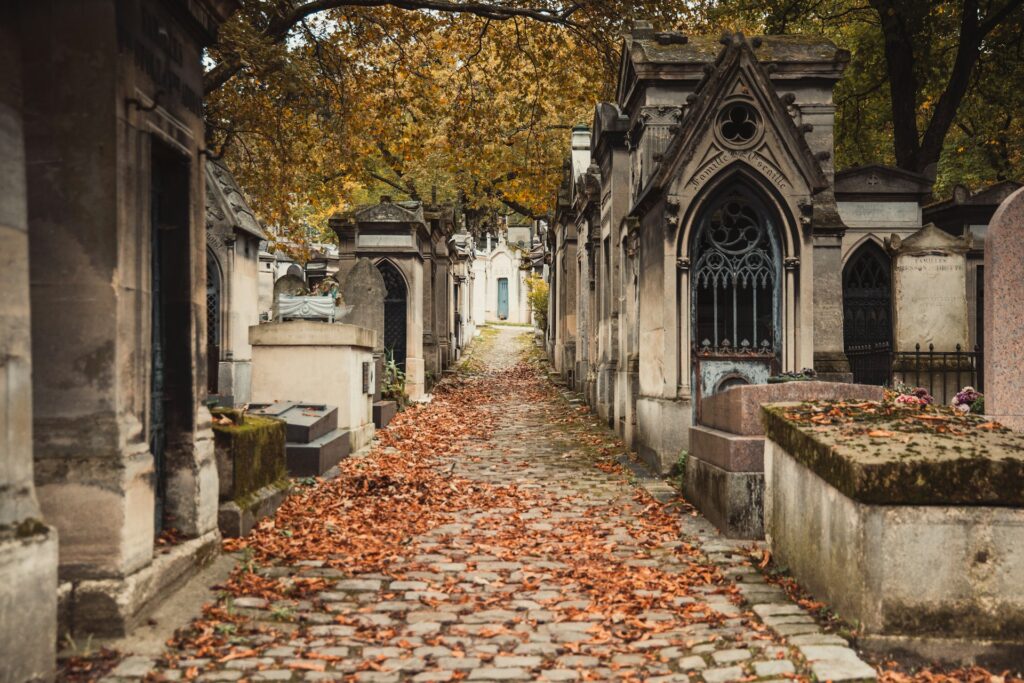
And if you want to take the somewhat morbid tour of Paris, don’t forget the Cimetière du Père-Lachaise. If you’ve seen the films of Fantastic Beasts and Where to Find Them, you’ll recognise this place as the location where Grindelwald’s secret meeting takes place. Admittedly, you won’t find Johnny Depp there, but you will find many famous French figures in this cemetery (also evident from all the beautiful and lavish tombs and monuments). The cemetery is located around the hill of Champ-l’Évêque in the 20th arrondissement, near the Père Lachaise metro station.
Underground cemetery in Paris
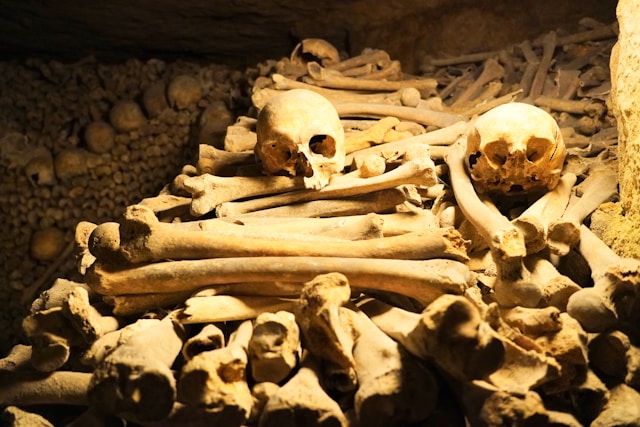
Sorry for all the doom and gloom, but if you want to see all the tombs of Paris, then the next tourist attraction is for you. The Catacombs are a collection of cemeteries built underground. The tunnels stretch 1.7 kilometres and are accessible from Place Denfert-Rochereau. It is estimated that no less than 6 million Parisians are buried here.
Note: You shouldn’t have a weak heart… literally. The corridors are only 1.80 metres high and the temperature is 14 degrees Celsius. People with heart and respiratory problems are strongly advised not to visit this place. That just adds an extra sinister touch to the tour!
Square full of executions
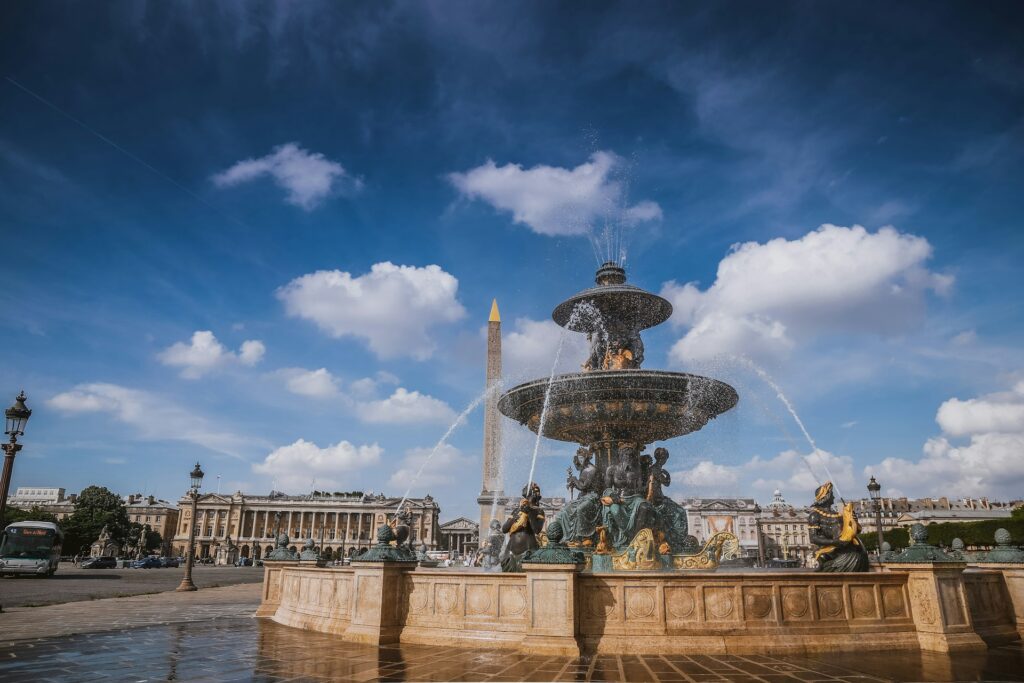
In the 8th arrondissement lies Place de la Concorde, a historic square. Why historic? It played a huge role in the French Revolution. During the French Revolution, the square was renamed Place de la Révolution and the statue of Louis XV was destroyed. In its place, a guillotine appeared, and many executions took place here, including those of King Louis XVI, Queen Marie Antoinette and Robespierre. Now you will find a large fountain in the centre of the octagonal square, which has stood there since the 19th century. On each corner there is a statue symbolising the great cities of France.
Counterpart of the Louvre
Are you a fan of the Louvre with its old art? Then you could say that the Musée d’Orsay is its opposite, as this museum is full of modern art in the Impressionist and Post-Impressionist style. Names such as Monet, Manet and Van Gogh can certainly be found here. Don’t rush through the great hall, as you’ll find the beautiful clock by Victor Laloux there.
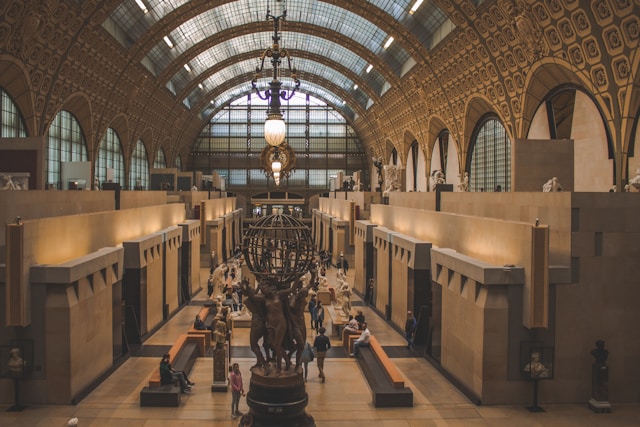
Did you know? The Musée d’Orsay is housed in an old train station.
A touch of greenery in Paris
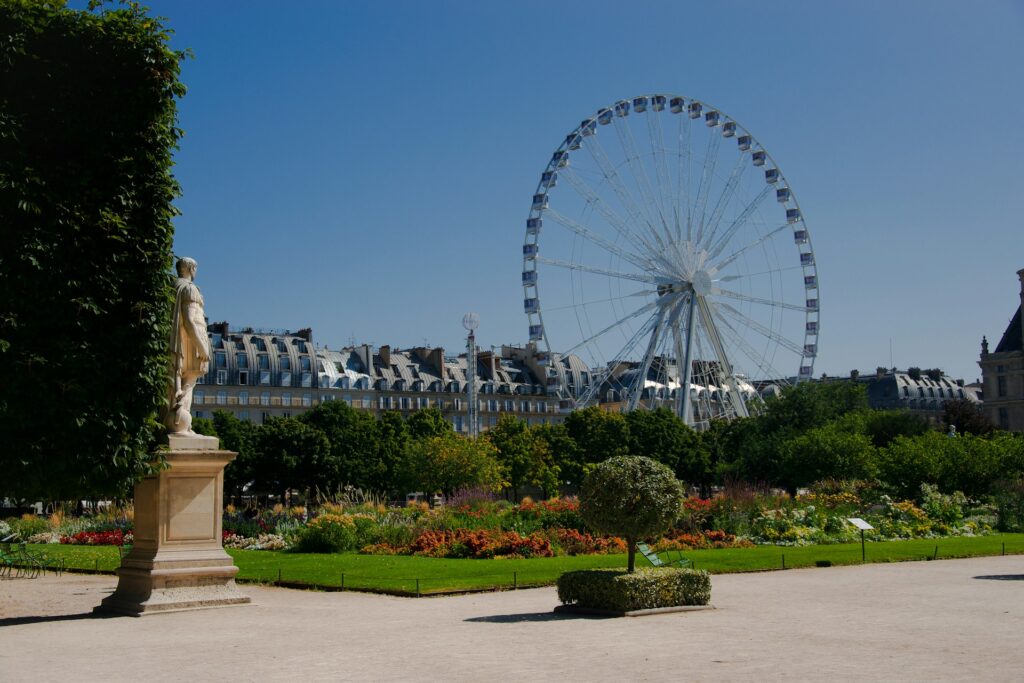
Would you like to do some outdoor activities besides tombs and museums? Then you should definitely add the Jardin des Tuileries to your travel itinerary. The Jardin des Tuileries is located in the 1st arrondissement and is a public park that once belonged to the Palais des Tuileries (the palace was destroyed by fire). What can you see in the park? A large fountain, well-maintained gardens, statues (think of the Boboli Gardens in Florence), other art displays and a small version of the Arc de Triomphe. And once you’re done with the fresh air, you can head straight to a museum, as the park is surrounded by five major museums of Paris: the Louvre, Musée de l’Orangerie, Jeu de Paume, Musée des Arts Décoratifs and Musée d’Orsay.
Statues in the city park
Can’t get enough of greenery? Then also visit the Jardin du Luxembourg. This city park is located in the 6th arrondissement and was laid out in 1612 by Maria de’ Medici (yes, that important family from Florence) around the Palais du Luxembourg. What stands out about this park are the absurd number of statues (certainly more than 100) and the design of the park, which comes directly from the previously mentioned Boboli Gardens in Florence. Jardin du Luxembourg also has several sections, such as the orchard, rose garden, woods, pond, and French and English gardens.
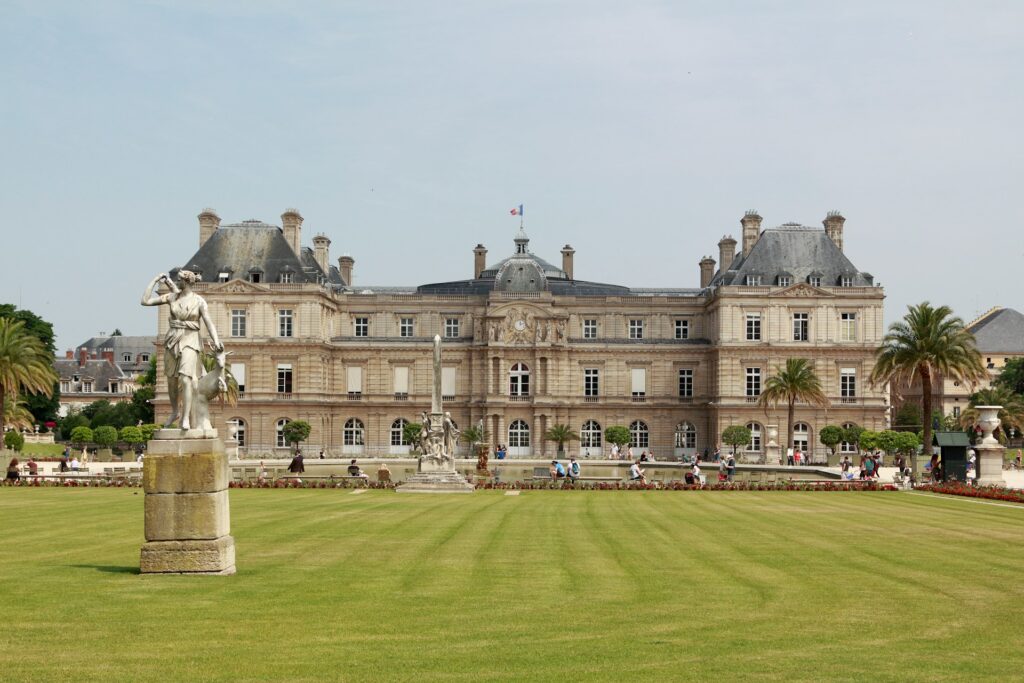
The museum of modern art
The Musée d’Orsay is a museum dedicated to Impressionist and Post-Impressionist modern art, but if you’re into modern art, you should really also visit the Centre Georges Pompidou. The architecture of the museum alone screams modern art with its tangle of pipes and tubes in different colours. Inside you’ll find famous names such as Picasso and Matisse, but also an extensive library and even a cinema and theatre. And if you’ve had enough stimulation, you can climb up to the roof, where you’ll have a beautiful view over Paris.
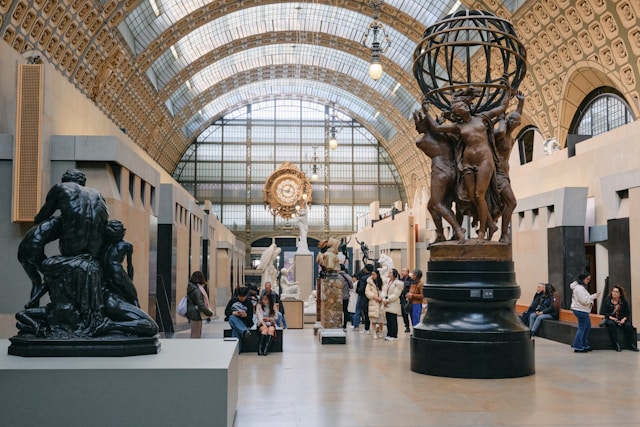
The neighbourhood around the abbey
Saint-Germain-des-Prés is a district in the 6th and 7th arrondissements, which grew around the Abbey of Saint-Germain-des-Prés. For cultural events after WWII, this was the neighbourhood to be in. Great philosophers, artists and filmmakers gathered in the brasseries here. Nowadays, the cultural aspect has declined, and Saint-Germain-des-Prés is mostly known for its boutiques and antique shops.
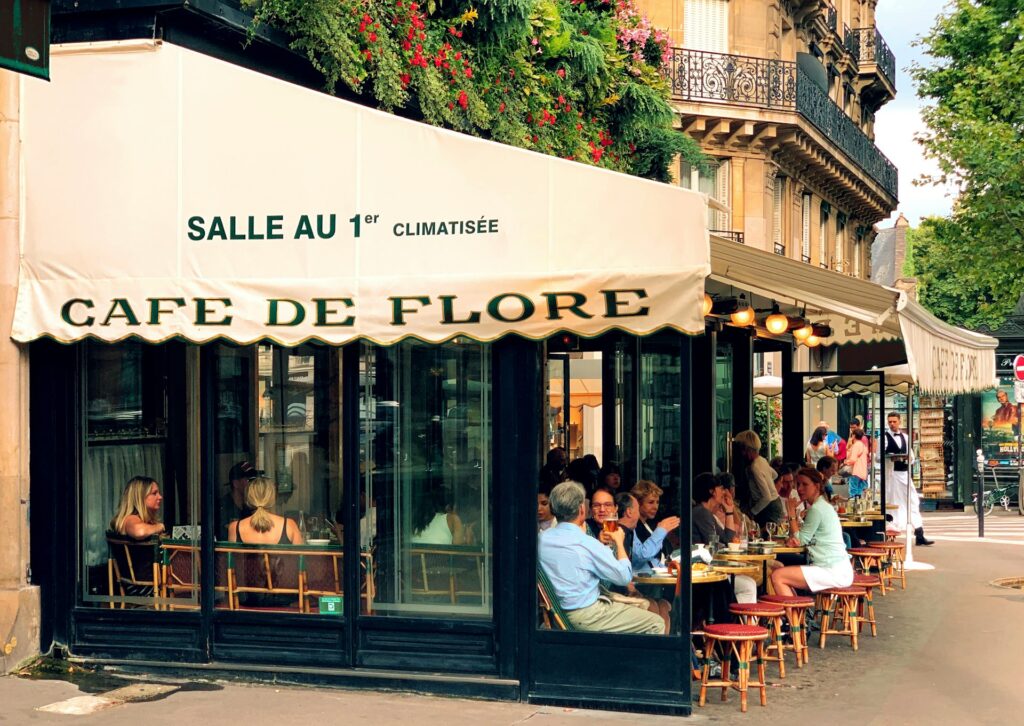
One of the oldest squares in Paris
One of the oldest squares in Paris (17th century) is the Place des Vosges. The square lies in the Le Marais district (3rd and 4th arrondissements) and is recognisable by its arches, red brick houses and arcades of shops, bars and restaurants. Famous French people have lived here, including Victor Hugo (the one from The Hunchback of Notre Dame).
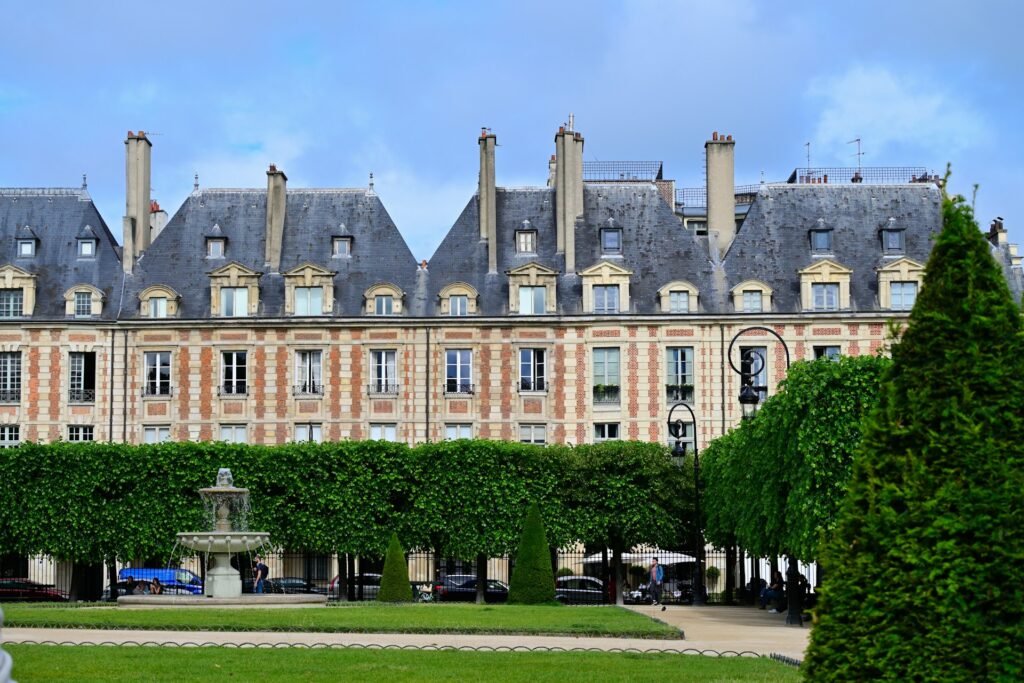
Walking in Le Marais
Don’t leave immediately after visiting Place des Vosges, because the square is a perfect starting point for a walk through the whole district. Le Marais is characterised by its many mansions, which have gradually all been transformed into museums, such as: Musée Picasso Paris, Musée Carnavalet and the House of Victor Hugo museum. You’ll also find here the epicentre of the Jewish community in Paris and the LGBTQ+ community.
Fun fact: Le Marais means “the marsh”. The district was built on a marsh drained in the Middle Ages.
Opera in a palace
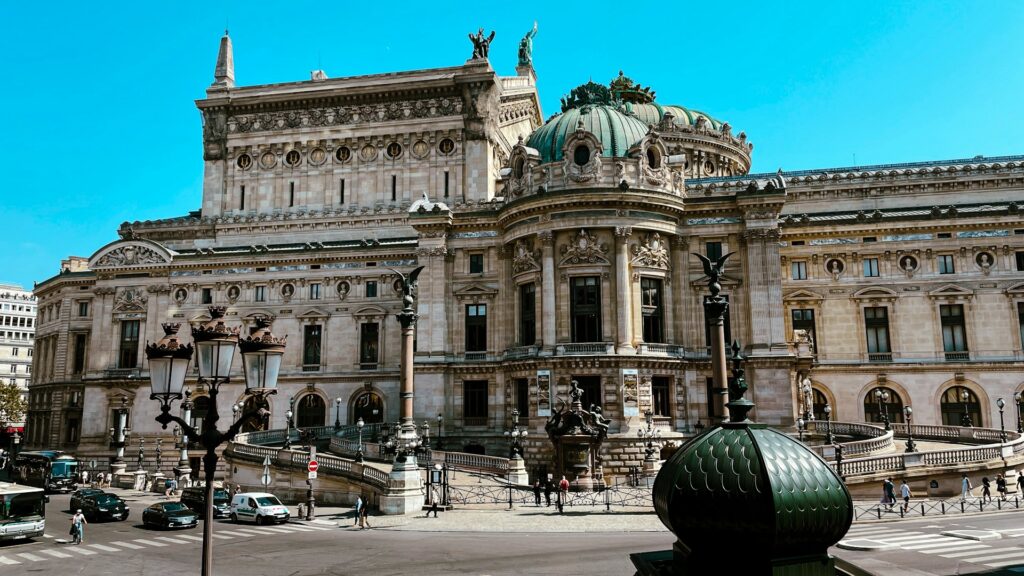
The Opéra Garnier is a famous opera house located in the Palais Garnier. All the gold and temple-like architecture immediately catch your eye as you walk past. You can also book a tour during the day, but the opera house is still active. So if you love music, definitely book a performance during your stay in Paris.
Chanel on the ice
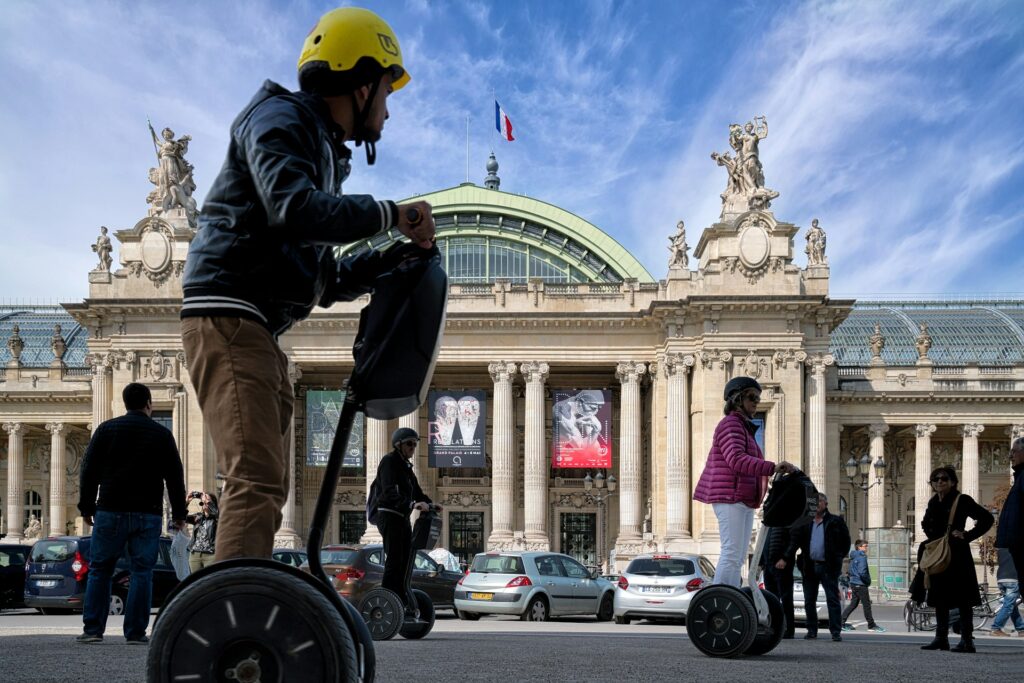
Close to Place de la Concorde lies the Grand Palais. This building dates back to 1900 and was built for the World Exhibition. It has a beautiful glass roof. Nowadays, the Grand Palais is famous for its large ice rink, which can be found inside during the winter, and for the Chanel Haute Couture fashion shows.
Don’t forget the Petit Palais
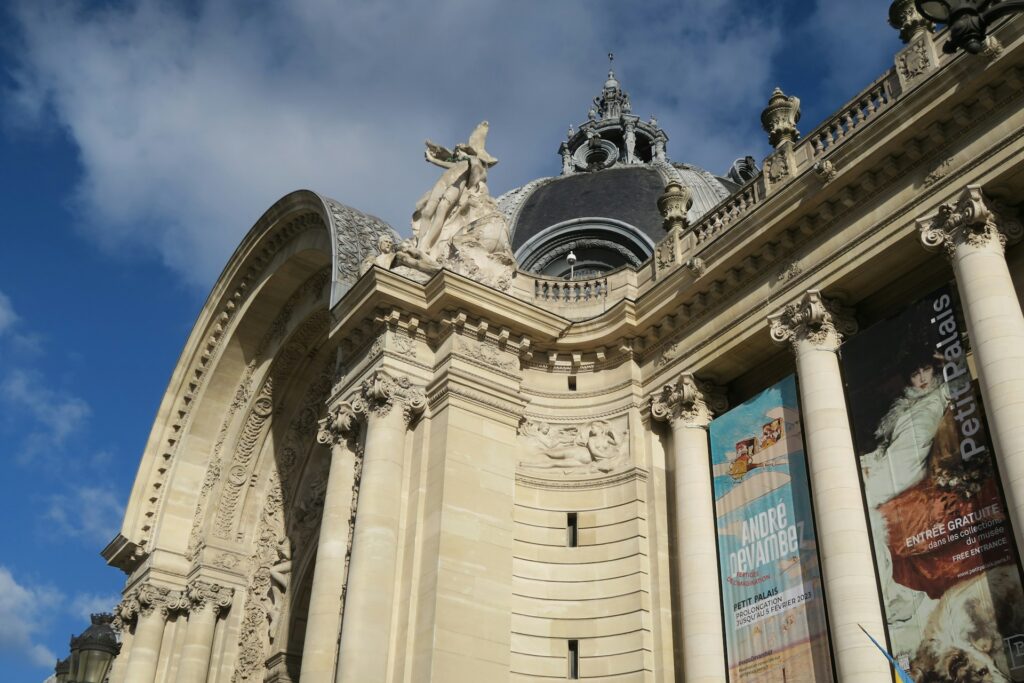
Next to the Grand Palais, you’ll also find the Petit Palais (Seriously? How original!). The Petit Palais houses a museum with a permanent exhibition on decorative arts and beautiful French paintings through the centuries.
Here stood the Bastille
On Place de la Bastille once stood the notorious Bastille prison. Today, the Spirit of Freedom stands here, commemorating the revolutions of 1789 and 1830. Nowadays, large events also take place in the square, such as concerts and fairs.

The fashion house of Paris
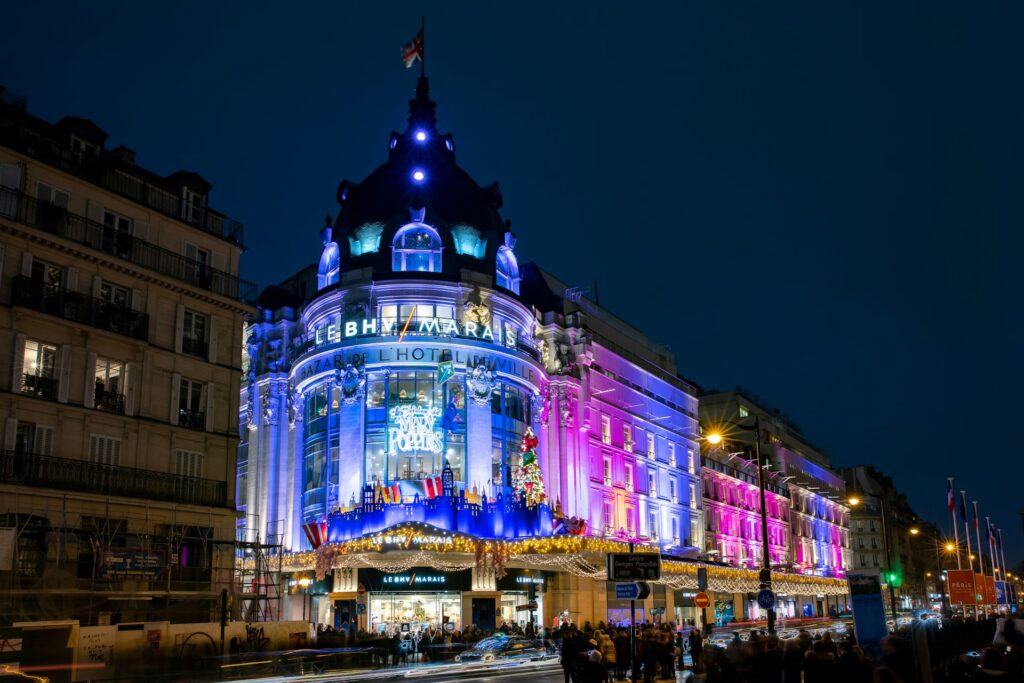
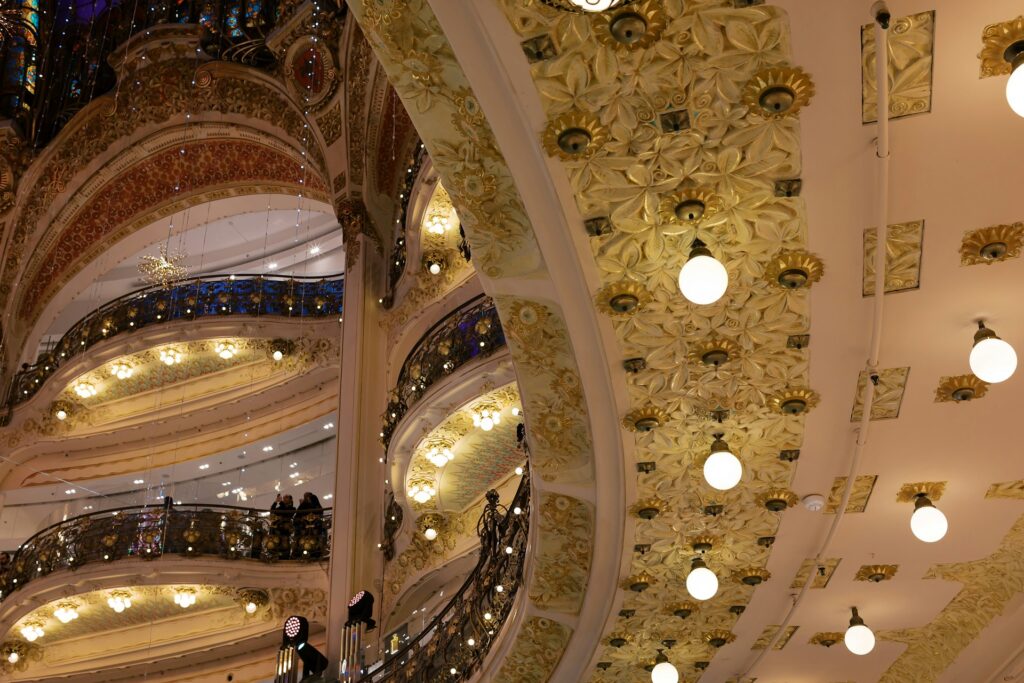
If you like Harrods in London, then you should definitely visit Galeries Lafayette. Paris is, after all, the fashion capital. And a fashion capital can’t do without at least one grand fashion house. Meet Galeries Lafayette. On Boulevard Haussmann in the 9th arrondissement, three branches of the chain stand close together (roughly divided into women’s fashion, men’s fashion and evening wear). The fashion house, however, is best known for its enormous neo-Byzantine stained-glass dome, which rises 33 metres high above the round hall with decorated balconies.
See the oldest university in the world?
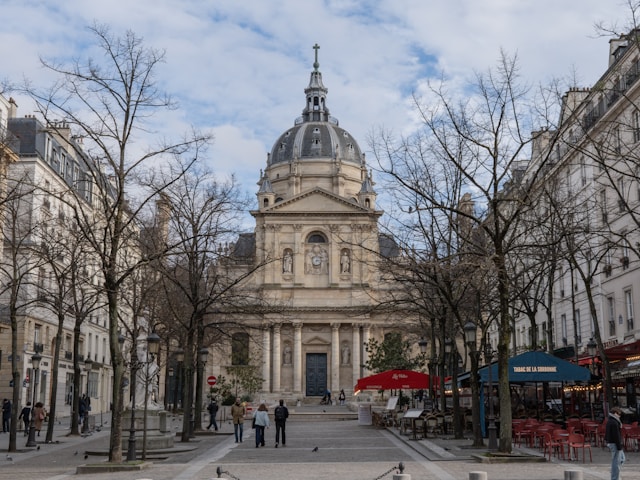
In the 5th arrondissement lies the Quartier Latin. A true must-see here is the oldest university in the world, called the Sorbonne (1150). It is also simply fun to stroll through this student-like neighbourhood, where you will come across, among other things, the narrowest alley in Paris, only 1.8 metres wide (Rue du Chat du Pêche). Other attractions include the greenhouses, the geological museum, and the zoo “Ménagerie du Jardin des Plantes”.
The High Line of Paris
Are you a fan of the High Line in NYC? Then you should definitely walk the 4.7-kilometre-long Promenade Plantée. This park was created on a former 19th-century railway viaduct in the 12th arrondissement. In 1993, this 10-metre-high railway was transformed into a city park. The park stretches from Bastille Saint-Antoine via Jardin de Reuilly to Bois de Vincennes.
Tip: Don’t forget to step off the railway from time to time, as there are often sights below, such as the 45 art studios of Viaduc des Arts.

And Paris also has its own Statue of Liberty?!
You don’t need to travel to New York anymore, because Paris also has its own Statue of Liberty! It is a bit smaller than Lady Liberty, but an exact replica. You will find the French Lady Liberty on the island Île aux Cygnes.
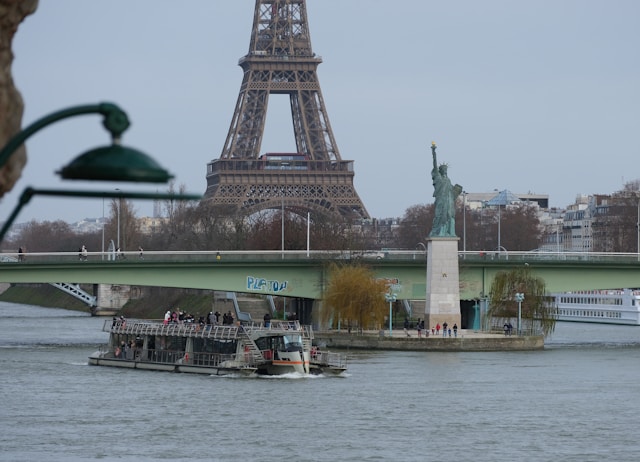
Note: And the one on Île aux Cygnes isn’t even the only Statue of Liberty. You can find three others in Paris, namely: two at the Musée des Arts et Métiers and one at the Musée d’Orsay. A replica of the flame of the Statue of Liberty can be seen near the Pont de l’Alma.
Visiting Vincent van Gogh
Well… if you are a great artist, what do you do? Of course, you buy two homes in the city of art! That’s exactly what the Dutchman Vincent van Gogh did. These two homes still exist today. One is located at Rue Victor Massé 25, and the other at Rue Lepic 54.
The home at Rue Victor Massé is known for the painting (probably one of his first) “View of the Rooftops of Paris”, which Van Gogh painted here. He moved into this apartment on 28 February 1886. His brother Theo already lived here. From 1886–1888, the Van Gogh brothers lived in a larger apartment on Rue Lepic.
Note: You cannot go inside to visit the homes, as people still live there.
1001 Arabian Nights in Paris
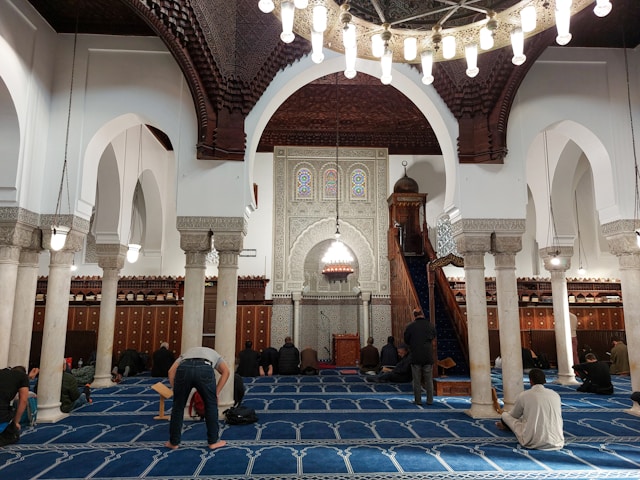
In the 5th arrondissement, you will find the Grand Mosque, which seems to have come straight out of the tales of 1001 Nights. The mosque covers an area of 7,500 m², making it one of the largest mosques in Europe. Its exterior shows Spanish, North African, and Portuguese influences. Particularly striking is the square tower, 33 metres high, adorned with colourful mandalas and light-green details. However, the real eye-catchers are the courtyard and gardens. You will see colourful mosaics, a mosaic path leading to a beautiful fountain and pond, and an Arabic tea house (where you can enjoy a light snack).
The Japanese in Paris?
Palais de Tokyo? Japanese art? Not quite. The Palais de Tokyo is one of the most important museums of modern art. The museum owes its name to its location; the avenue on which it is situated was called Avenue de Tokyo for a long time. The Palais de Tokyo is also known as the anti-museum because of its explicit exhibitions, such as papier-mâché dolls, nude photography, performance art, music, and installations.
_(12419276954).jpg)
Interactive playground for kids
But is there nothing to do for children in Paris? What should you do with kids in Paris? Well, visit the Cité des Sciences et de l’Industrie, I’d say. This science museum from 1986 is housed in the glass and steel building in Parc de la Villette (19th arrondissement). The museum has five floors and features a planetarium, satellite images of the permanent Earthwatch exhibition, and for the youngest, a permanent exhibition called Cité des Enfants. Here your kids can find ball games, log cabins, and touchscreens for drawing. Outside the museum stands the Argonaute S636 submarine, which you can actually enter for a look inside.

Globe-shaped theatre
And since you’re already at Cité, you should also visit La Géode, the spherical theatre next to the science museum. With its striking silver appearance, you simply must watch a film in the IMAX theatre. The mirrored ball is no less than 36 metres in diameter and reflects the surroundings in an absurd way (you feel as if you are in a hall full of funhouse mirrors). Do note that the films are mostly in French, so if you want to hear the Avengers speaking French, then La Géode is the place to go.

The most beautiful stained-glass windows can be found here
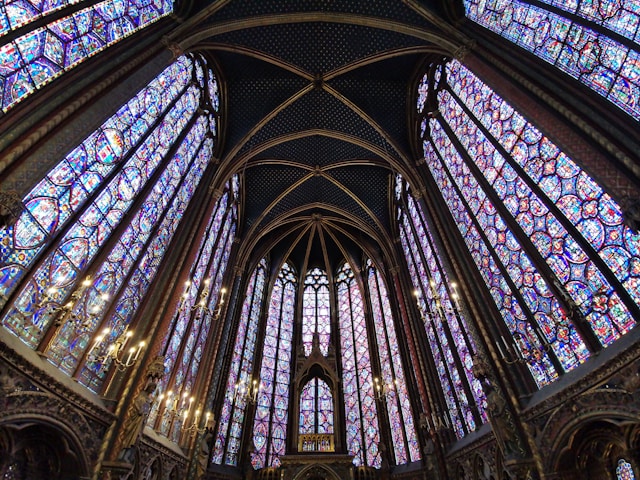
If you enjoy visiting foreign churches (I certainly do), then the Sainte-Chapelle is definitely worth it. Many consider it the most beautiful church in Paris (even more beautiful than Notre Dame) because of the striking stained-glass windows that cover all the walls of the church (so practically a church without walls, consisting only of stained glass. Absurd, isn’t it?). It is located on the little island Île de la Cité.
Gardens within walking distance of the Louvre
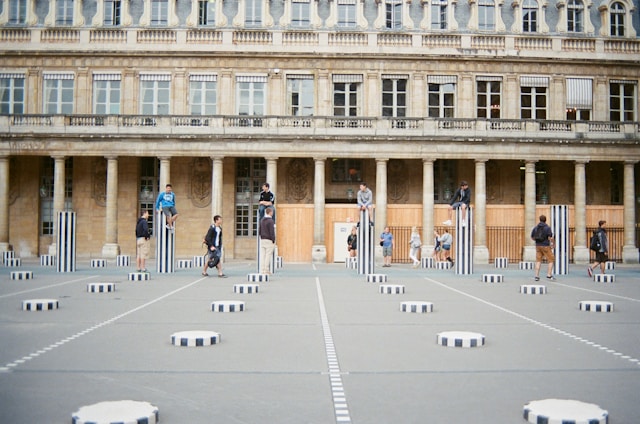
A lesser-known garden (but no less beautiful) is the Jardin du Palais Royal. It is also within walking distance of the Louvre and contains authentic buildings and a colonnade. You can sit beautifully around a large fountain, but the park is especially known for its square. A square in a garden? Yes, in the Jardin du Palais Royal, you will find a square with black-and-white pillars. The square is called Les Deux Plateaux and is a work of art by Daniel Buren. Selfie sticks ready? Let’s go!
Fondation Louis Vuitton with its absurd façade
If you love fashion, you must definitely visit the Fondation Louis Vuitton (scratch that: even if you are not a fashion enthusiast, you have to see this). The building is simply one word: magnificent (in an absurd way). The artist’s goal was to make the visitor part of the art and the experience. Well, he succeeded! The museum is just outside Paris, but your ticket includes a shuttle bus.
.jpg)
Stade de France: the Wembley of Paris
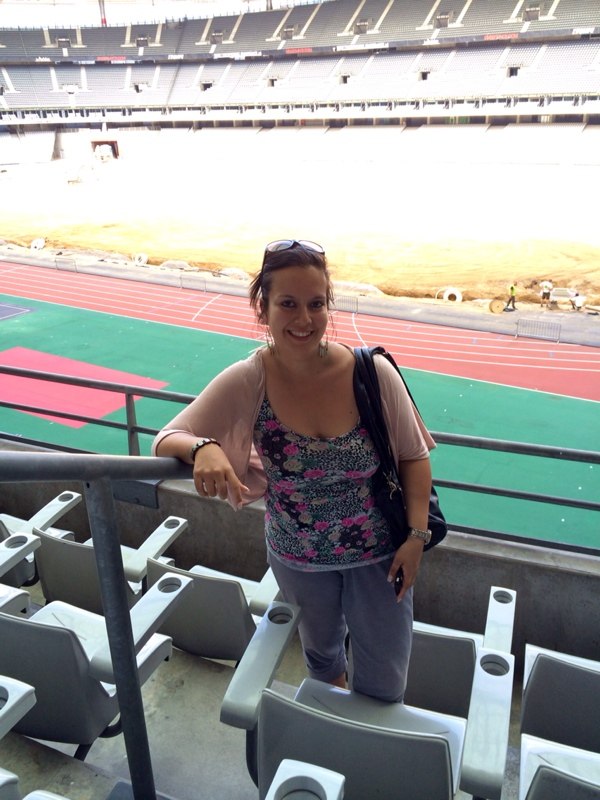
If you are a sports fan or concert lover, then the Stade de France is the attraction for you! It is a huge football stadium, where other sporting events and concerts also take place. You can book a stadium tour (mostly only in French, but the guides do their very best to also explain in English for French illiterates like me), where you can see the dressing rooms of the French national team players, walk through the tunnel to the pitch, and sit in the coach seats.


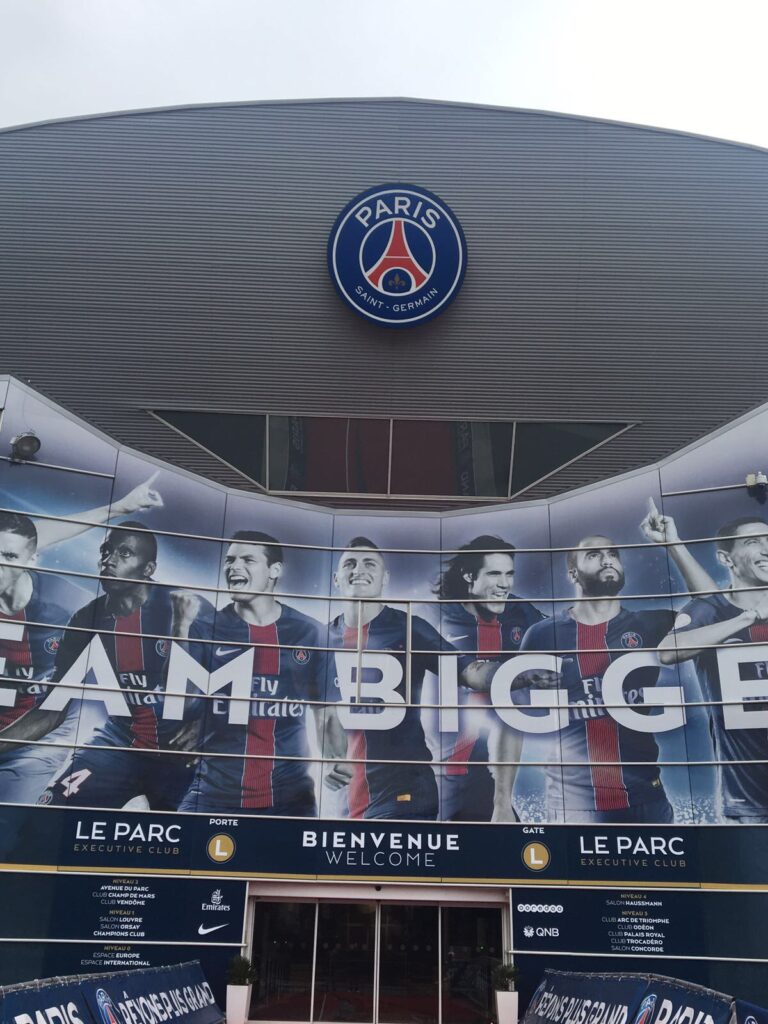
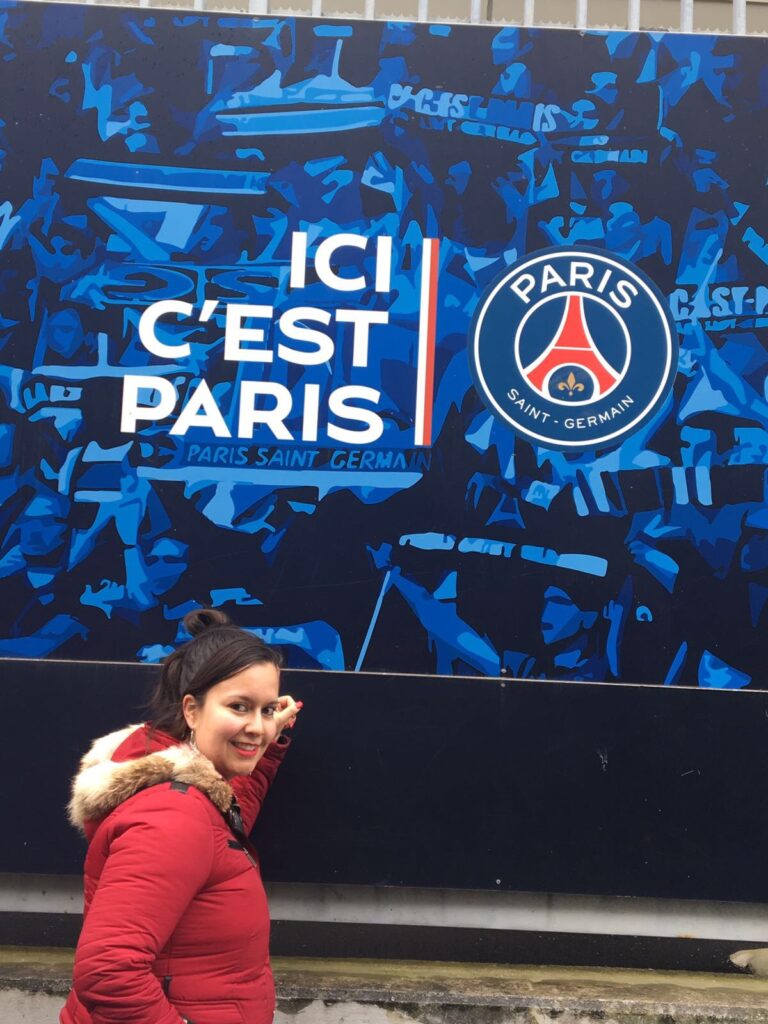
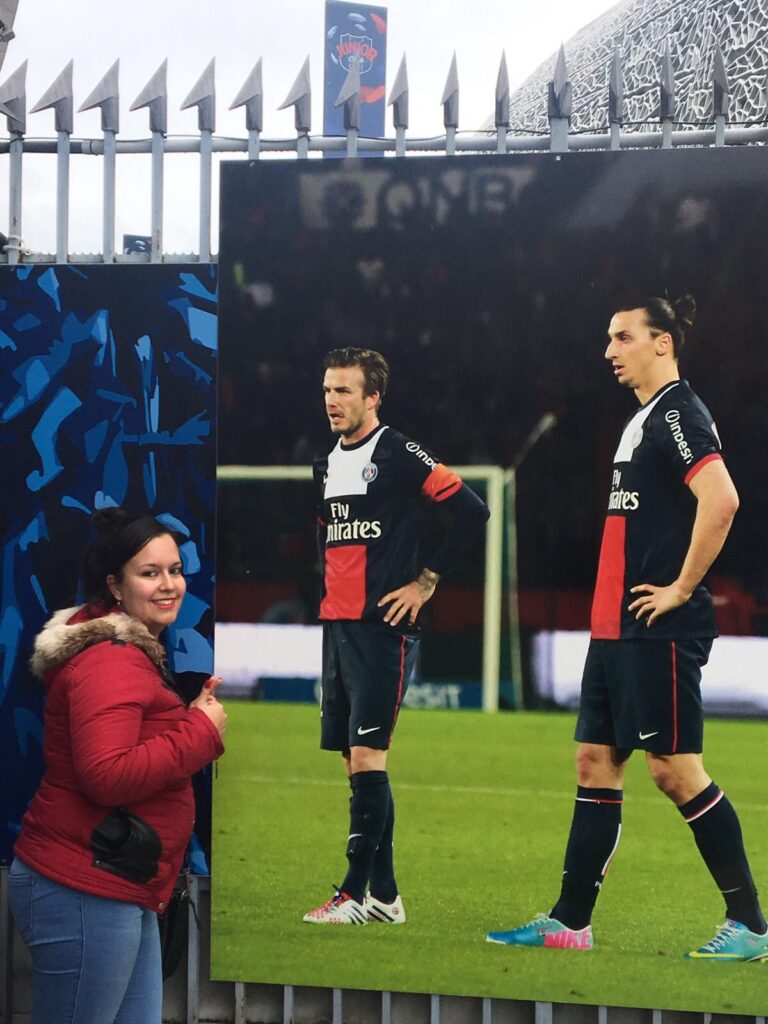
Parc des Princes as well
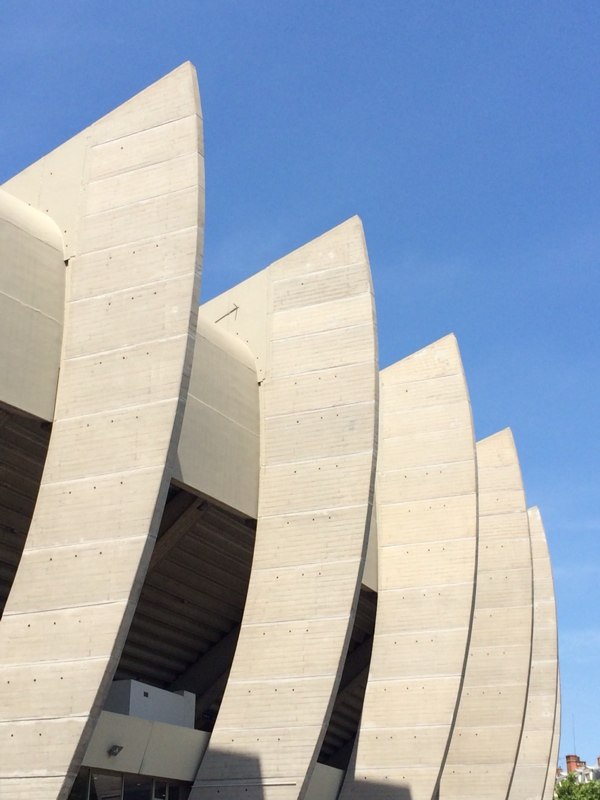
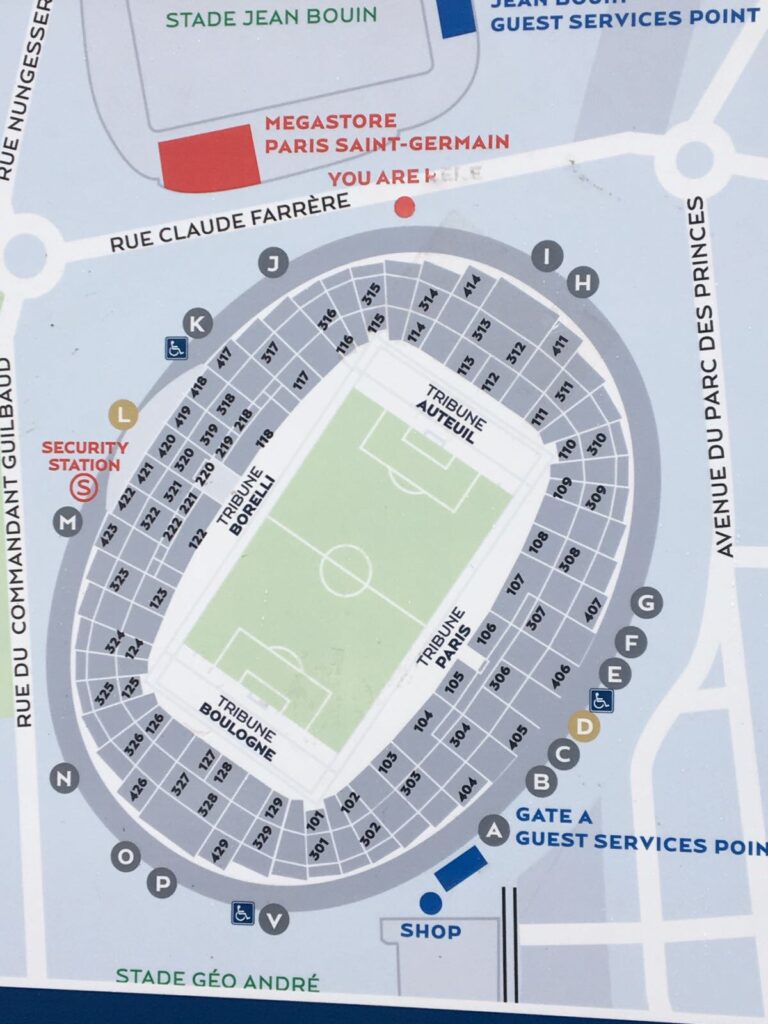
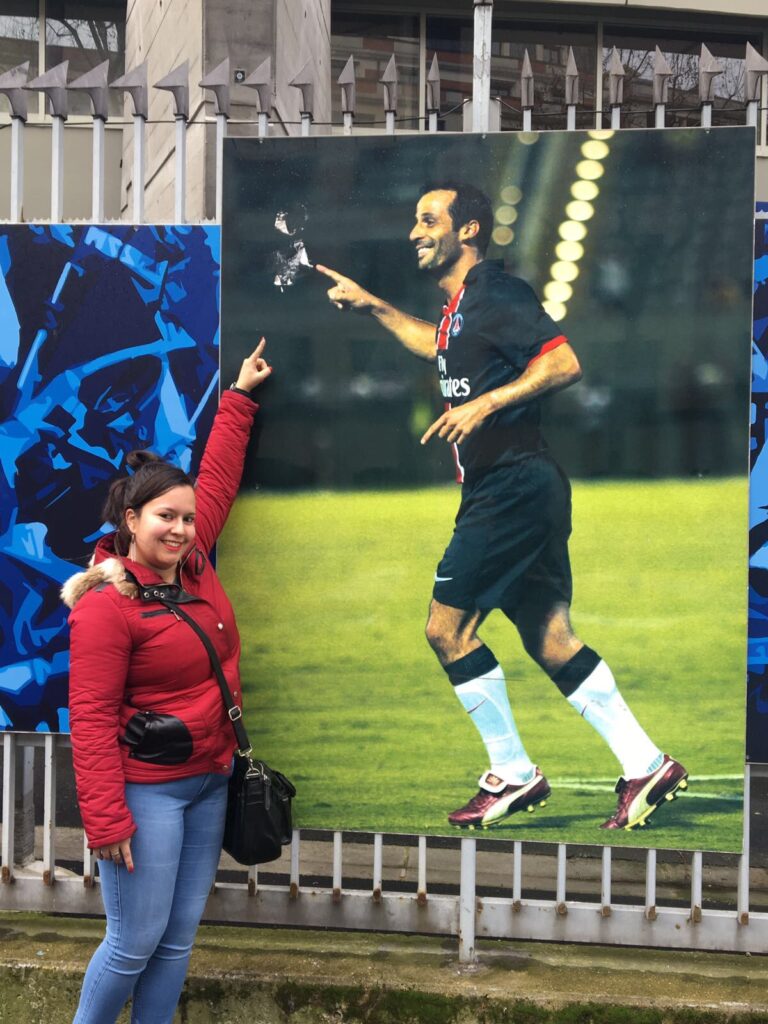
Let me just say (as a non-football fan I made this mistake) that the Stade de France is only for the national football team. If you are a Paris Saint Germain fan, then you should go to Parc des Princes. In this impressive stadium, you can also take a tour and see where famous players like Messi and even the Dutch Lieke Martens have walked. The current stadium was built in 1972 (PSG has played there since 1974), designed by the architect Roger Taillibert. The capacity was about 42,000 spectators.
Famous golden dome and no… it’s not a church
Have you ever seen a golden dome in Paris? Chances are you’ve seen the Hôtel des Invalides. The Hôtel des Invalides was commissioned by Louis XIV as a retirement home for wounded and old soldiers. Today it houses a military museum, the Musée de l’Armée, and the impressive tomb of Napoleon Bonaparte under its golden dome.
Tip: On some evenings, a light show with music is projected onto the dome. This is called the AURA Invalides.

Museum of Love in the City of Love
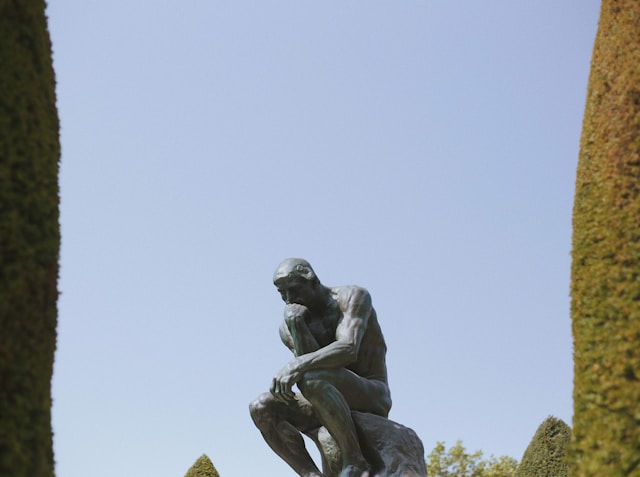
Are you visiting Paris with your partner? Then you should definitely visit the most romantic museum in Paris: the Rodin Museum. A large, beautiful garden with trees, flowers, and plants adjoins the museum. In the garden, you will find some of Rodin’s most famous sculptures, such as “The Thinker”. The museum opened its doors in 1919 in the former Hôtel Biron. You can still find it in the 7th arrondissement.
The famous Inception bridge
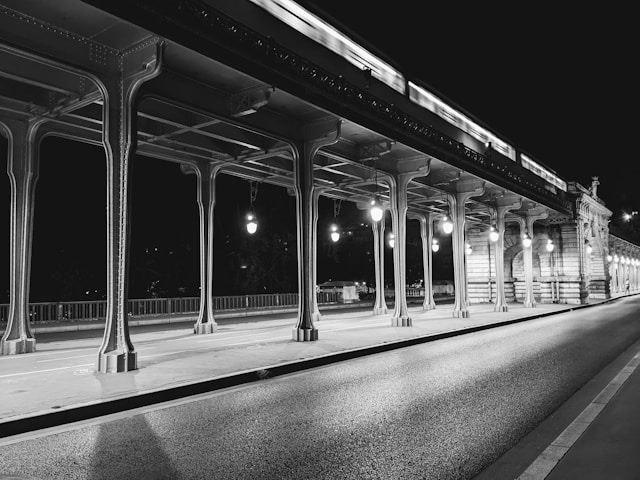
Have you ever seen the blockbuster film Inception with Leonardo DiCaprio (no? Then you should!)? Important scenes in the film take place in Paris, and one of them is set on a bridge: the Pont de Bir Hakeim. The layout of the bridge makes it a photogenic spot, but also the Eiffel Tower, visible between the steel columns.
Note: A metro line also runs above ground across this bridge. Take line 6 for unique photo opportunities.
Struggling to look at art?
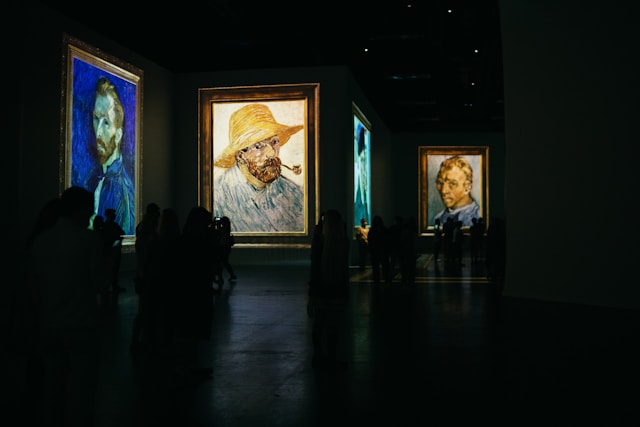
Sometimes it’s difficult to walk into a museum, don’t you think? I can’t stare at a canvas for hours and see hundreds of things in it. If you feel the same way, then the Atelier des Lumières is highly recommended. In this museum, you learn to view art with movement, music, and interactivity. Things are projected on walls and floors, where you can watch standing, sitting on benches, or even lying on the floor.
“It’s as if you see the artist painting and can walk through the painting,” said one visitor of the museum rightly.

The red mill
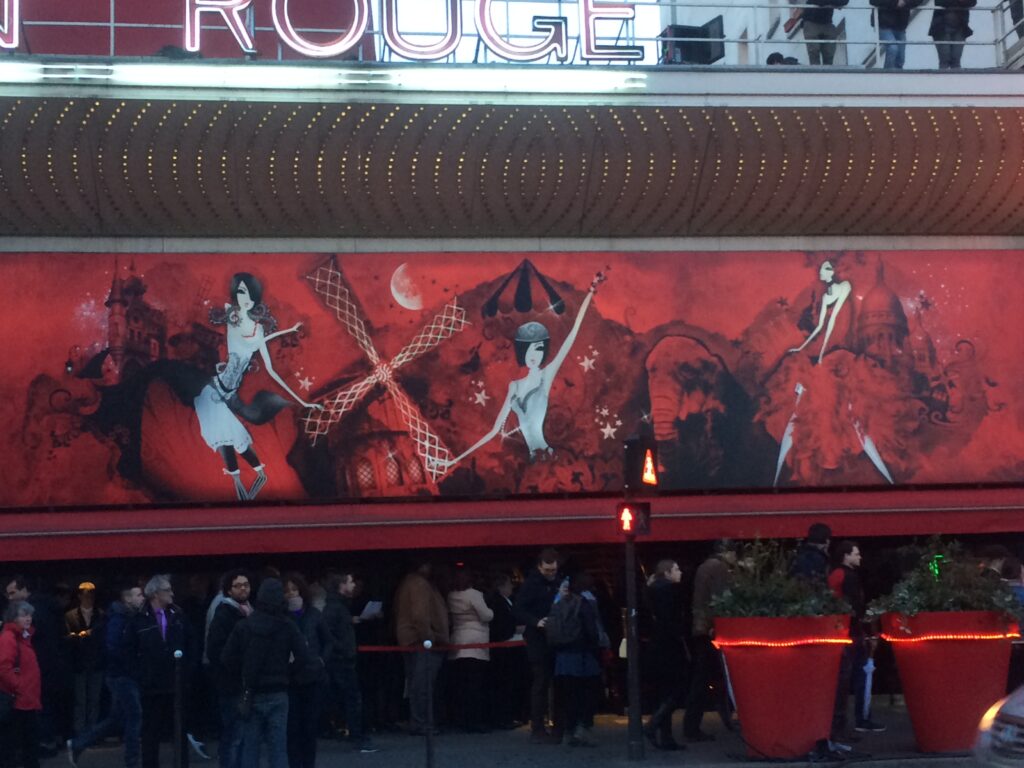
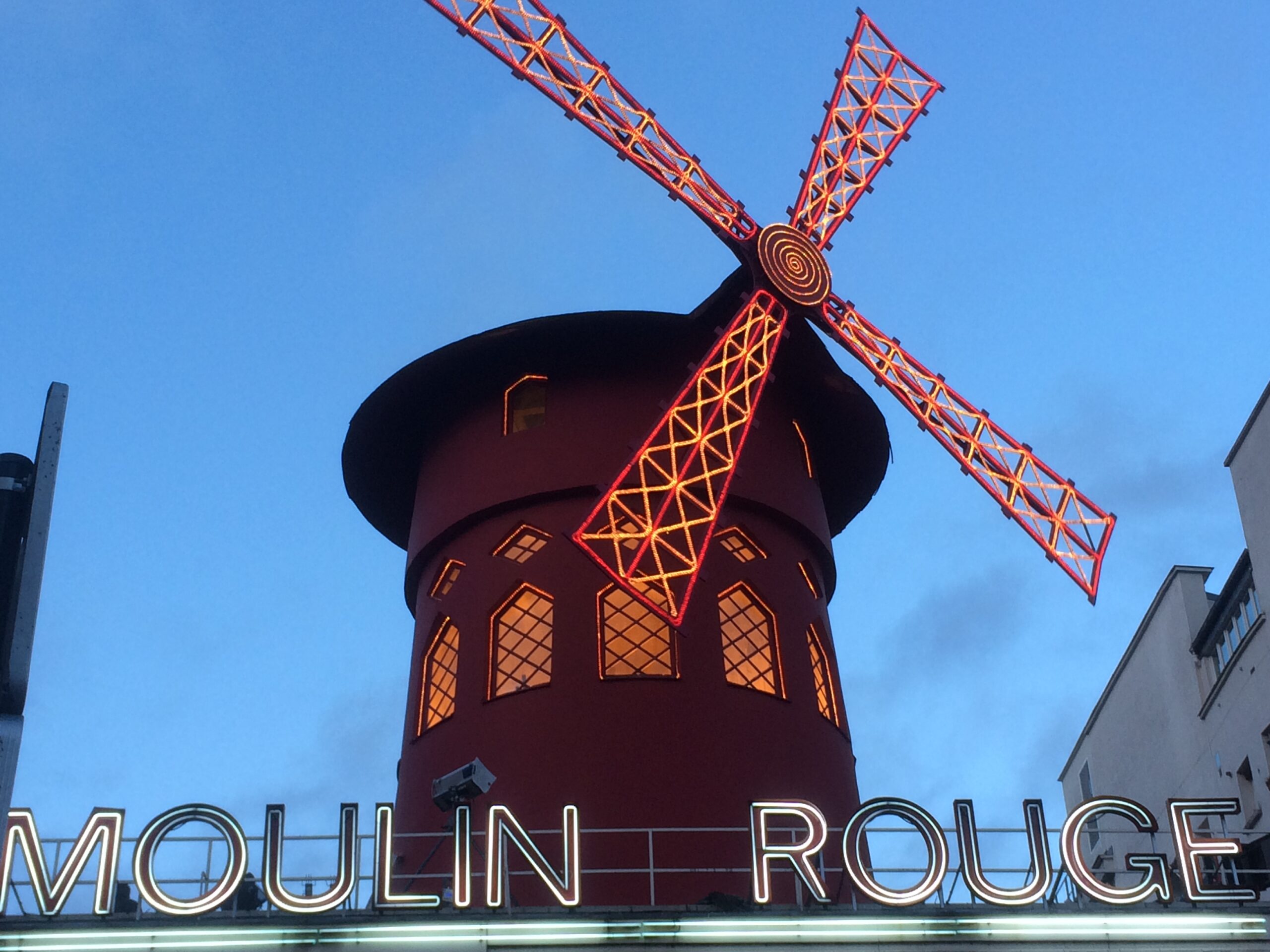
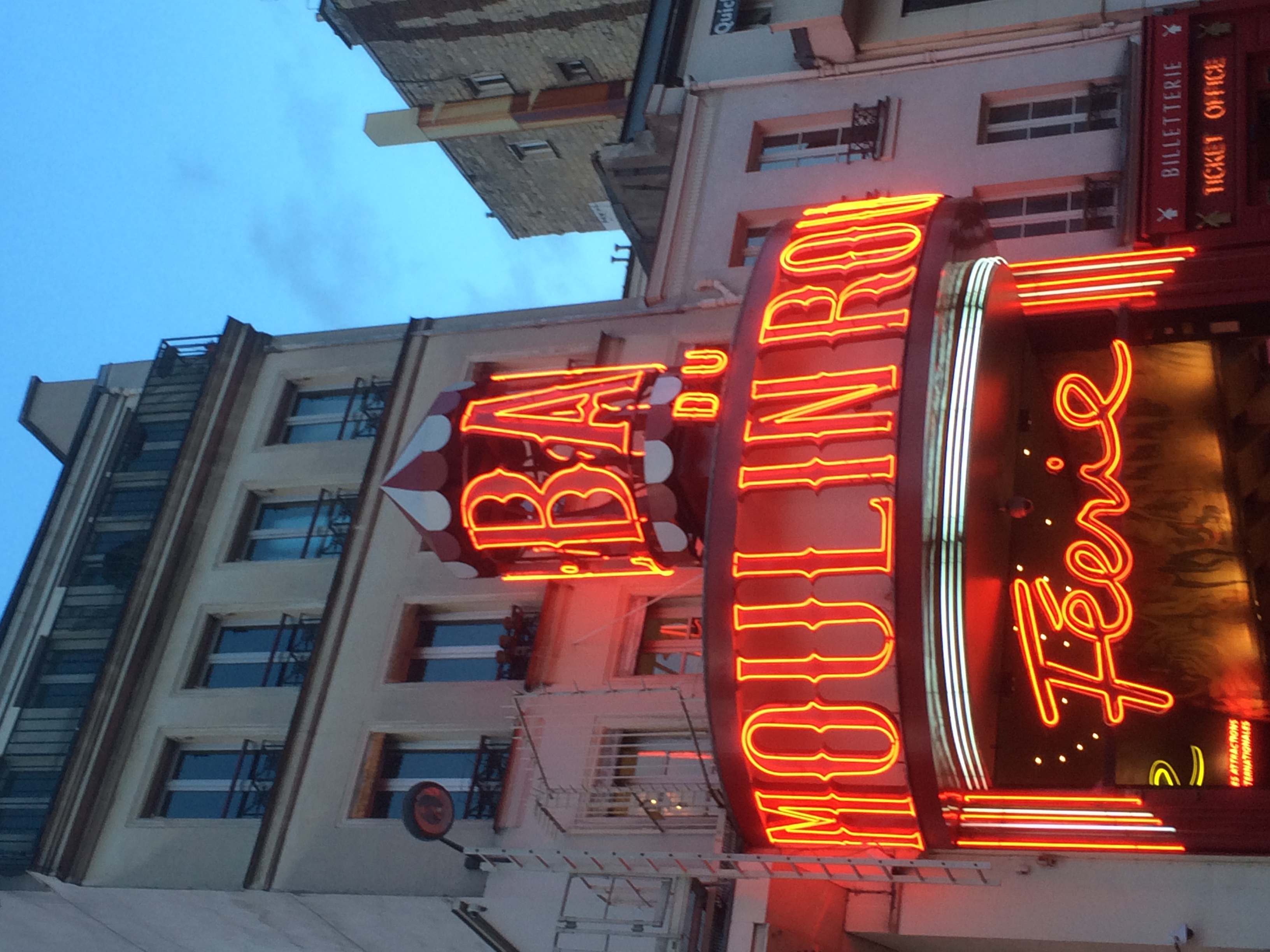
You probably thought I forgot this one, didn’t you? But the Moulin Rouge club, with its distinctive red mill on the roof, must certainly be mentioned as a highlight of Paris. The building is located on Boulevard de Clichy in the red-light district of the quartier Pigalle (18th arrondissement). I know the nightclub, of course, from the musical film with Nicole Kidman and Ewan McGregor, but the nightclub also forms the backdrop in the musical of the same name and is even the theme of the well-known rollercoaster in Europa Park. As of 2025, there are still two shows every evening at the Moulin Rouge.
Special things to do in (or just outside) Paris
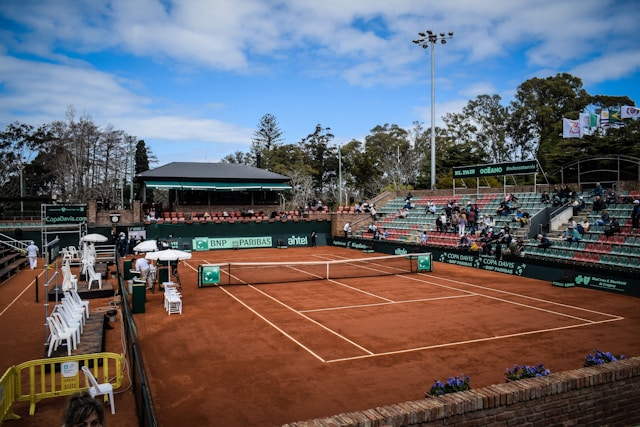
Now that you’ve got all the sights listed, I just have to say that there are also plenty of activities to do in Paris. What about a relaxing boat trip on the Seine (recommended not in the summer months, as it gets unbearably hot on that boat)? A dinner show at the Moulin Rouge is also among your options, or a cheese/wine tasting. Are you more into sweet things? Then you can also take a workshop in croissant making. Or take part in a workshop where you create your own perfume? For sports enthusiasts, just outside Paris lies the Roland Garros stadium, the French tennis tournament venue, where Rafael Nadal reigns supreme.
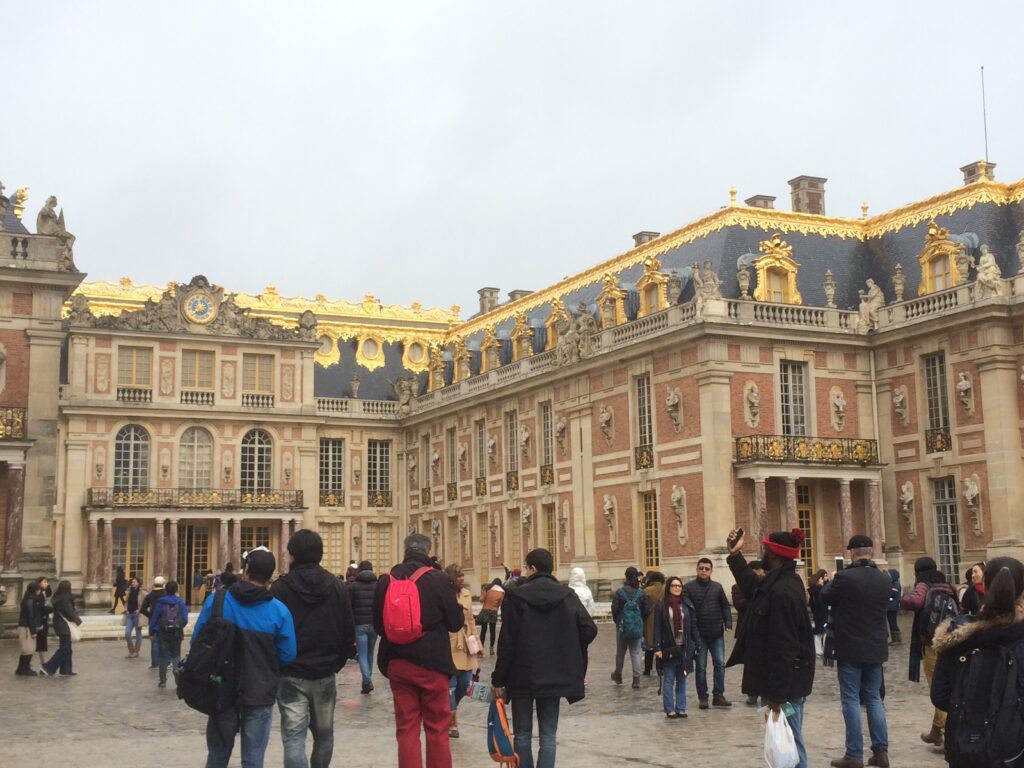
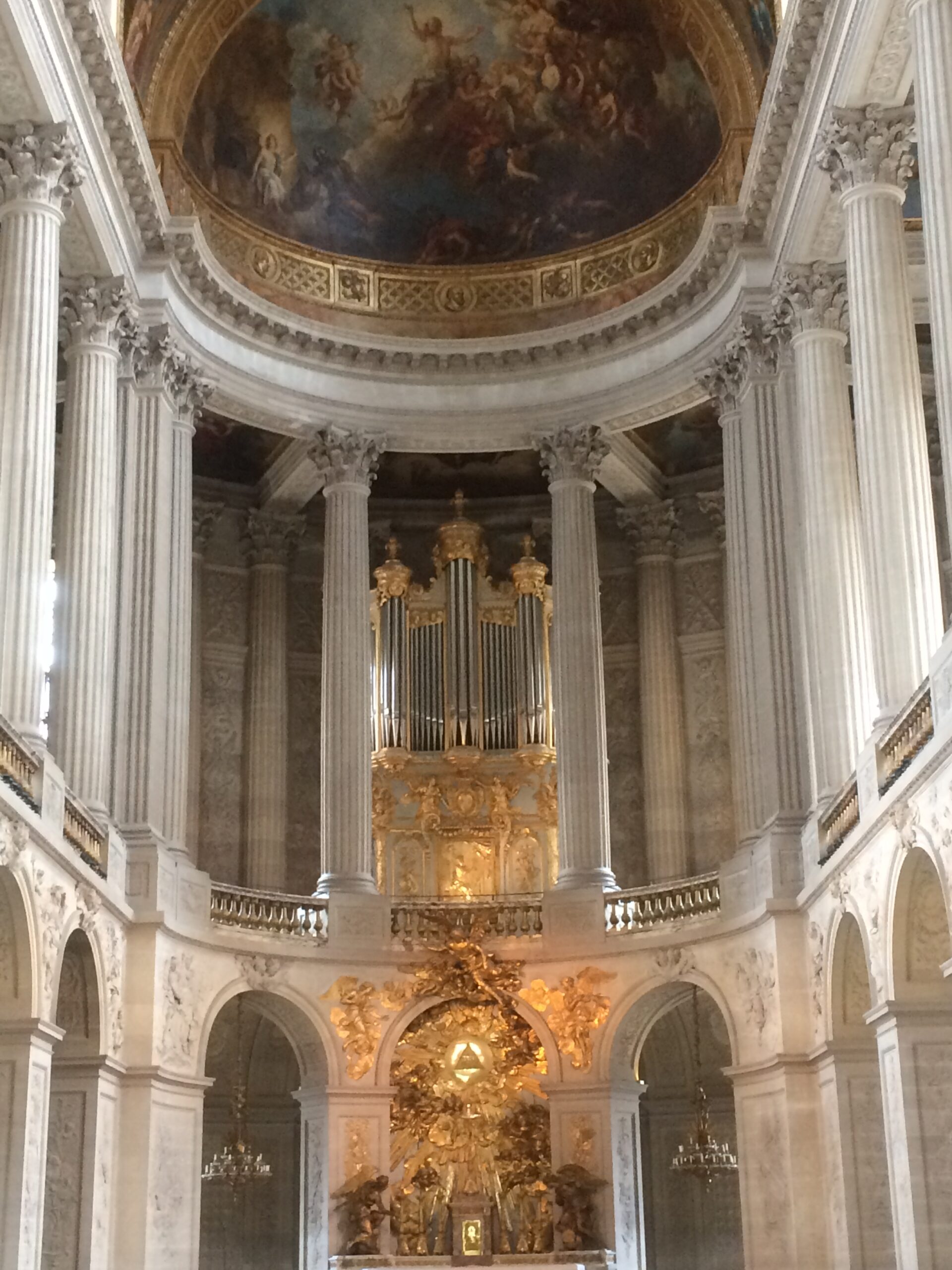
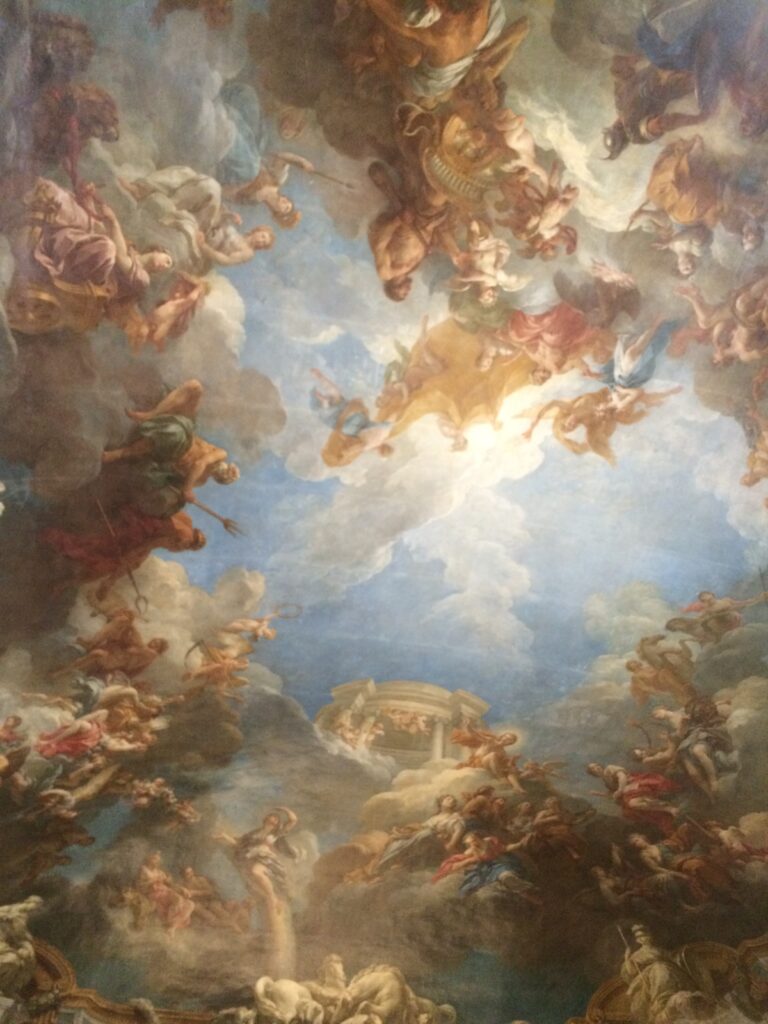
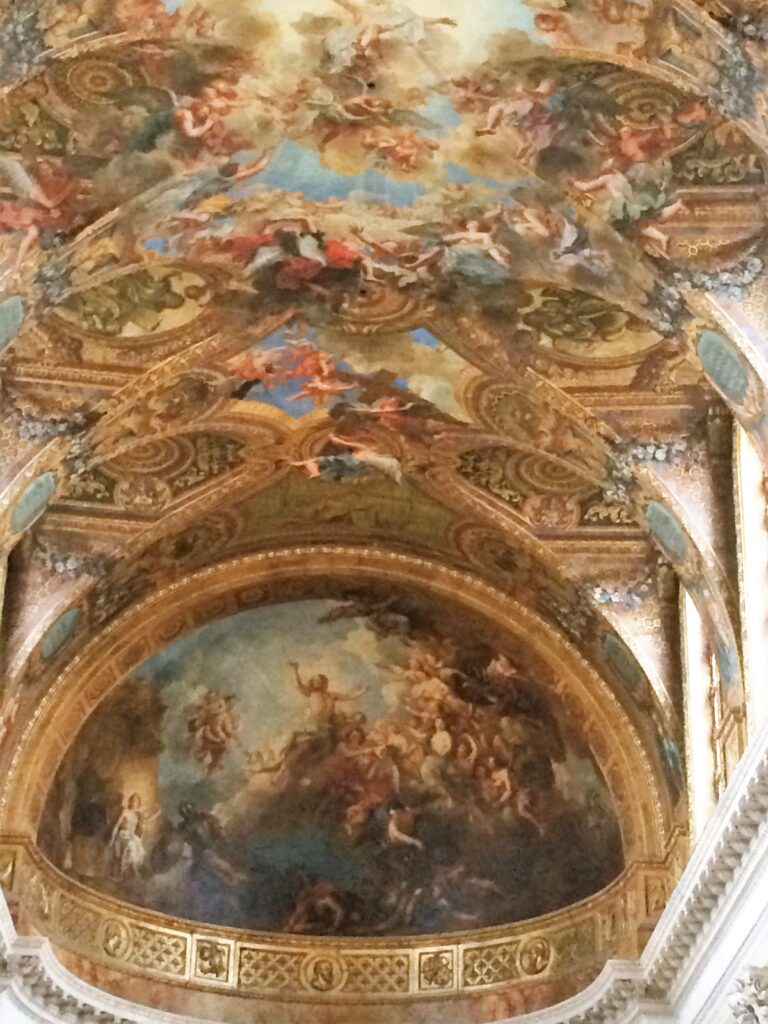
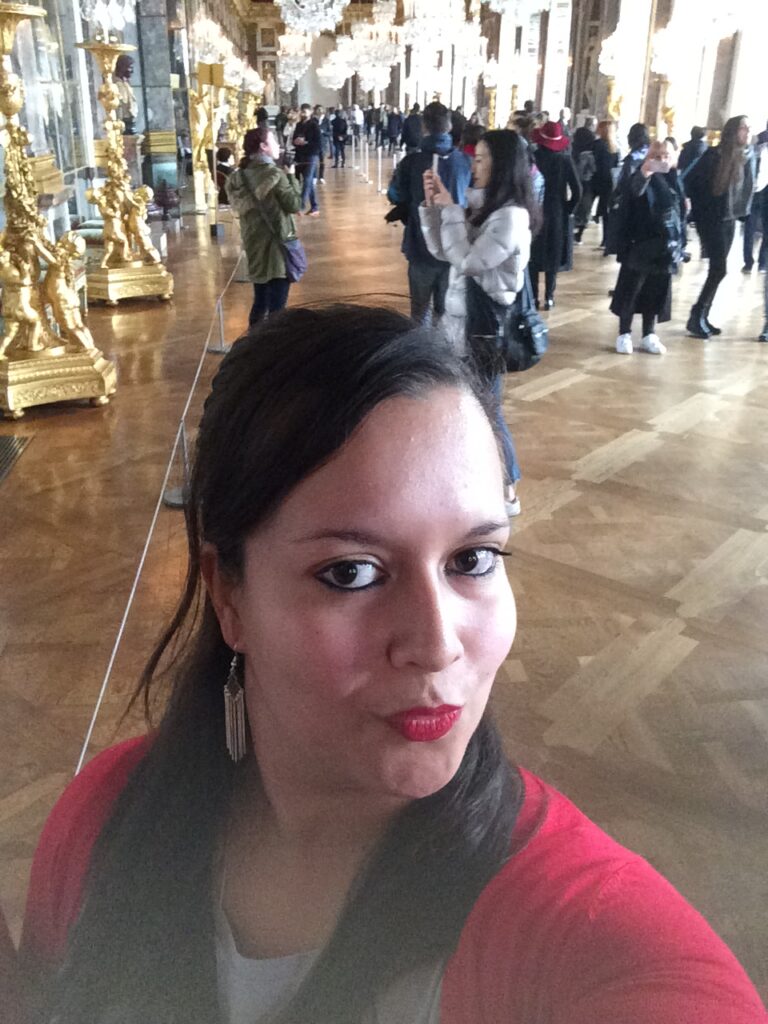
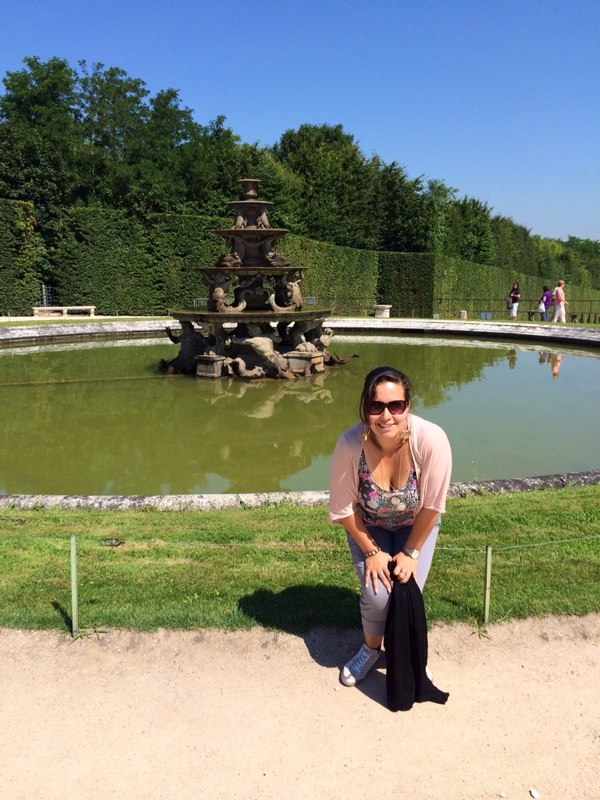
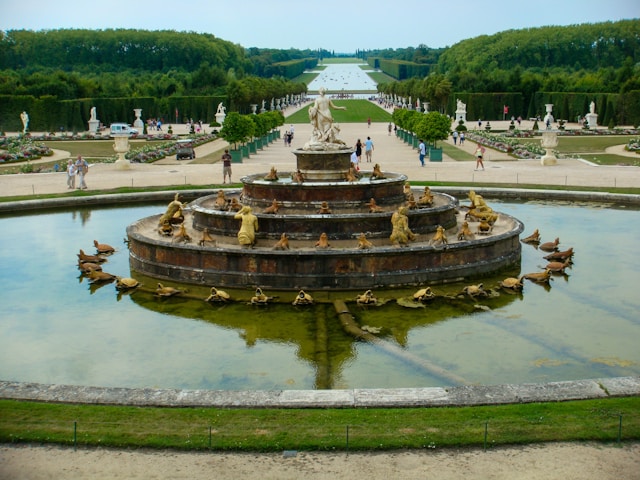
Also just outside the city and accessible via the RER lines is the Palace of Versailles in Versailles. Be sure to buy your ticket in advance, as queues at the ticket office can literally mean waiting times of three hours or more! The gardens, however, are free to visit, but if you are there anyway, a guided tour of the palace is highly recommended.
Live in Disney’s world for a while
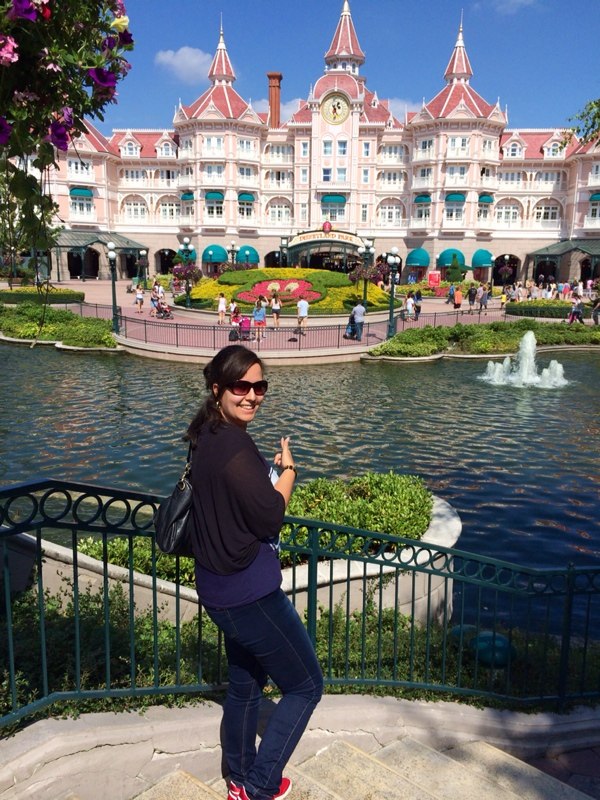
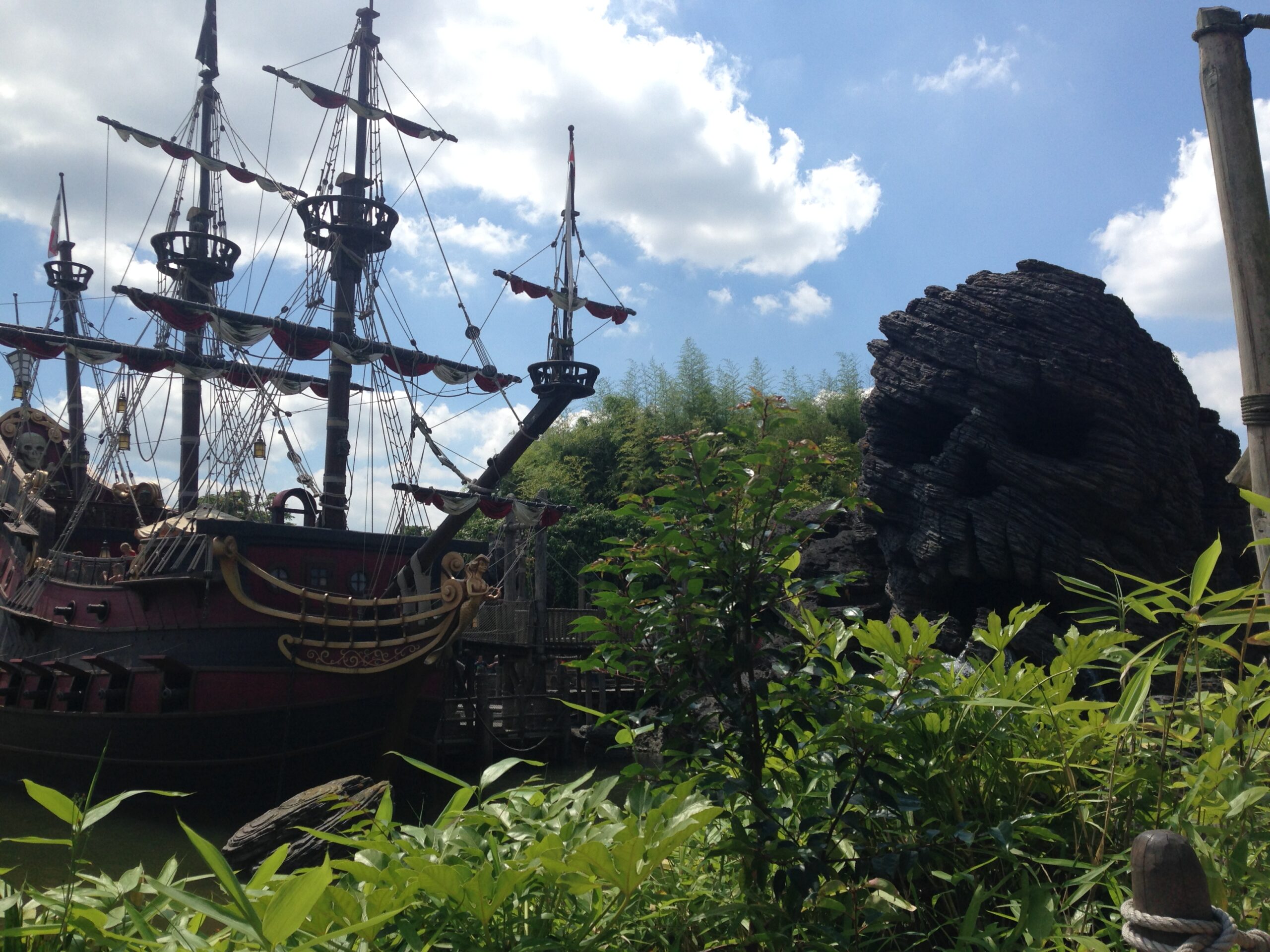
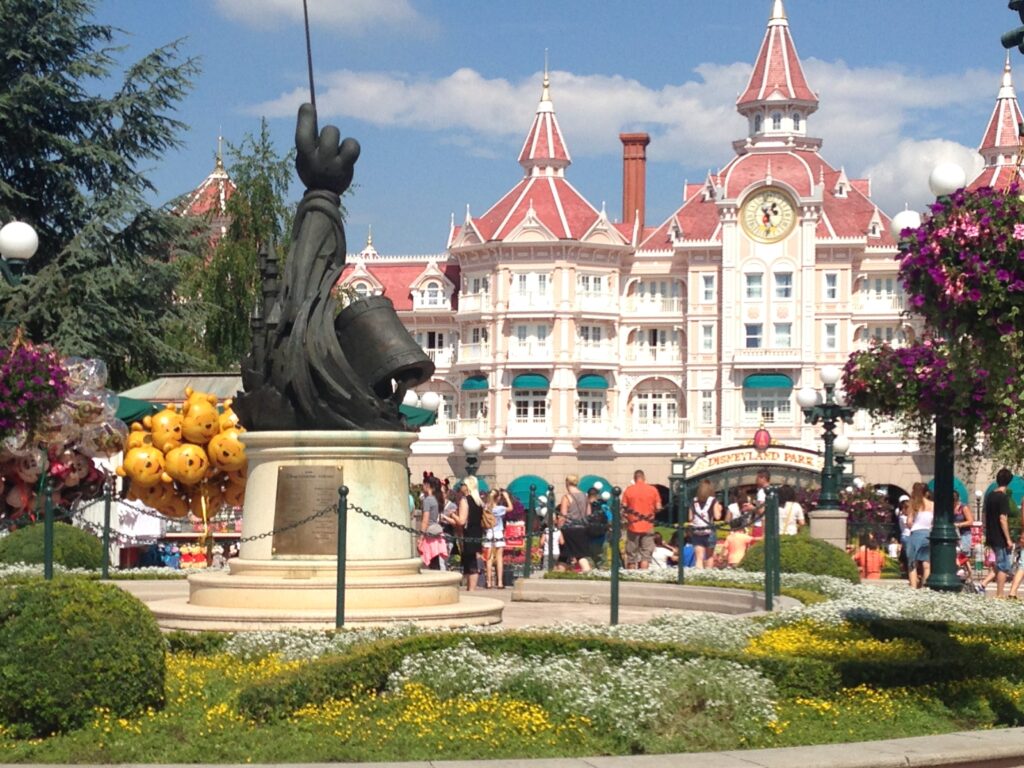
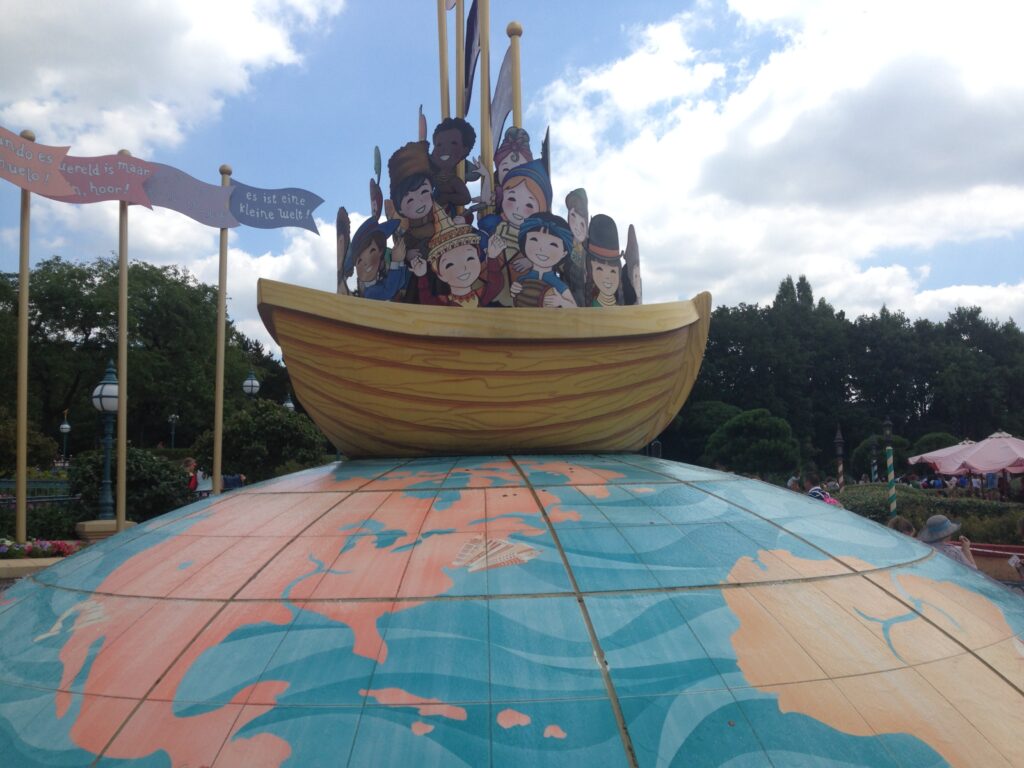
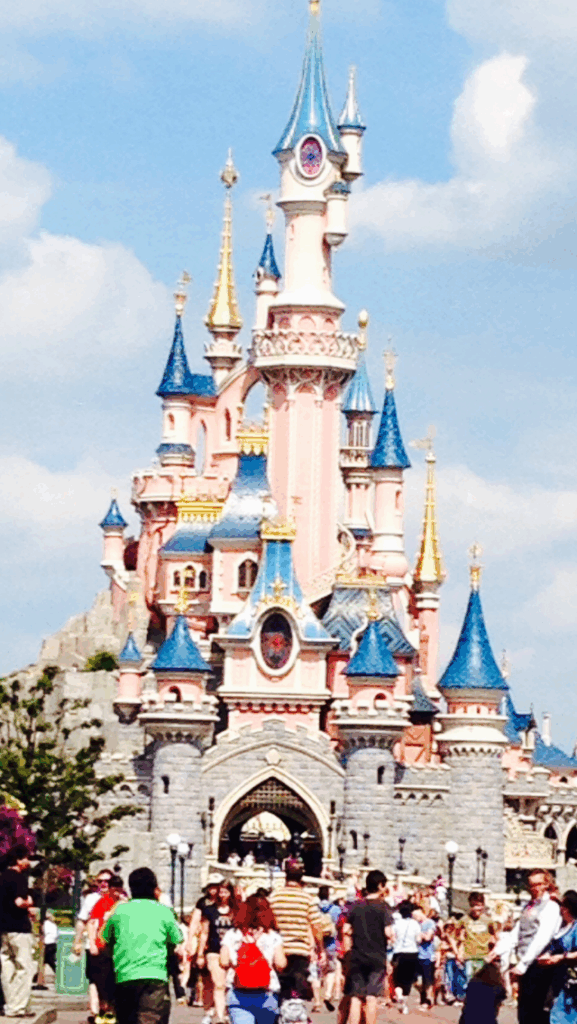
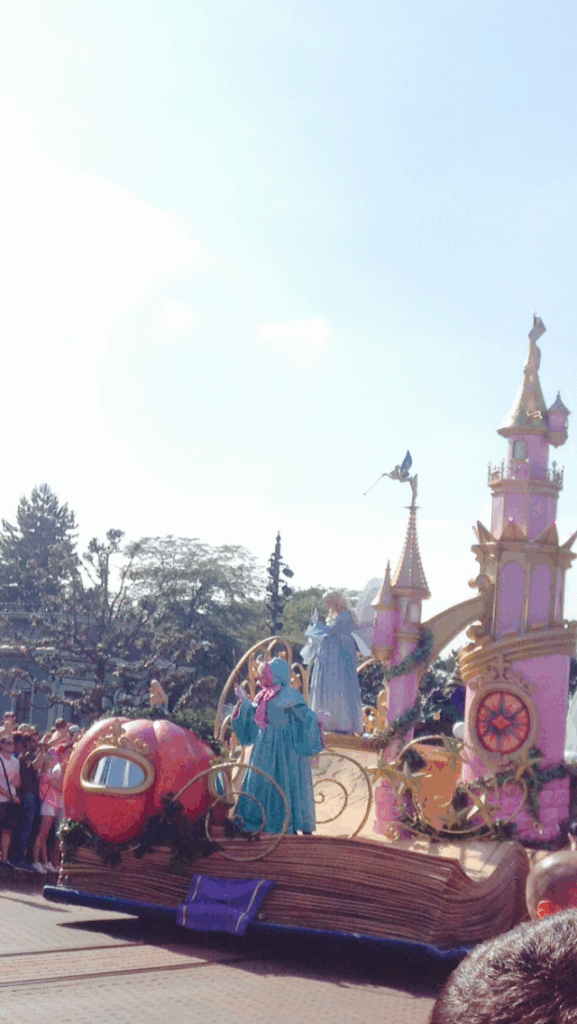
And as a Disney fan (and I’m proud of it!) I obviously can’t end this blog without mentioning Disneyland Paris. This theme park can also be visited from Paris. Take the RER line and it will drop you literally at the main entrance of Disneyland Paris and Walt Disney Studios. I made the mistake with my ex of visiting during peak season (never, ever do this), so during our one-day visit, I saw very little of the park (let alone the Walt Disney Studios park). However, it is more than worth the high price. Even if you don’t dare (or aren’t allowed) to go on the intense rides, there is still plenty to see and do without the adrenaline attractions. So, are you already in Paris? Then definitely plan a day (preferably several) to visit this beautiful park.




So, here’s your ultimate Paris experience: a complete guide of things to do and see
Paris is a city that evokes emotions: admiration, wonder, but sometimes also irritation. Where one person is completely absorbed in the romance of the Eiffel Tower, the grandeur of the Champs-Élysées and the charm of Montmartre, another experiences crowds, dirt and greyness. It is precisely this contrast that makes the city so unique – and perhaps also so fascinating. For whether you come for art, history, architecture, fashion or simply the atmosphere, Paris always manages to make an impression in one way or another. And even if you think you know the city, there is always something new to discover. Perhaps that is the magic of Paris: you don’t have to love it, but it is impossible to remain indifferent to it.
And to return to the statement with which I began this article: yes, I would go back to Paris again. Even if only to finally take a proper look at Disneyland Paris.
Natasja Bartholomé
Author & travelblogger